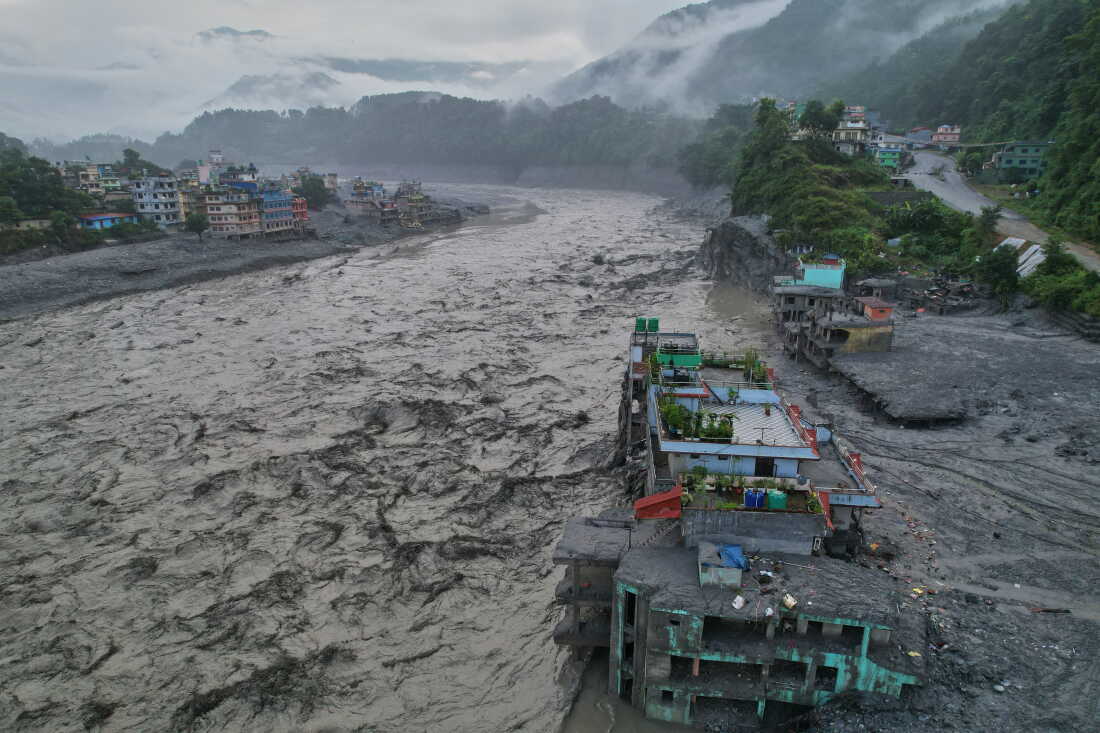

KATHMANDU, Nepal — A massive combination of flash floods and landslides has devastated communities along the Nepal-Tibet border, leaving hundreds of people dead or missing and causing widespread destruction.
The disaster struck on Wednesday, August 26, after torrents of water, mud, rocks and debris swept through areas in northern Nepal and Tibet. Entire sections of communities were inundated, while roads, bridges and other infrastructure were damaged or destroyed.
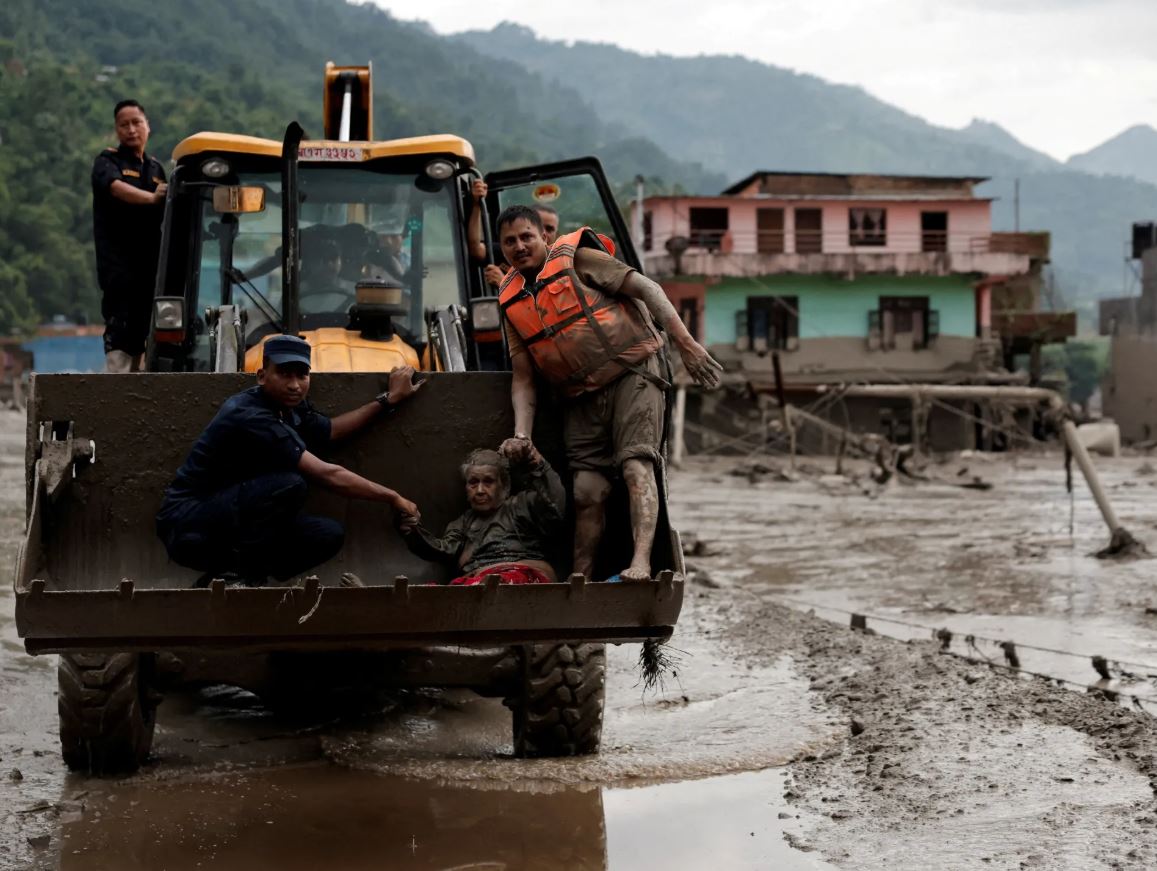
In Nepal, authorities reported hundreds of deaths, with many more people still unaccounted for as rescue teams continued searching affected areas. Foreign nationals were also among those reported missing, adding to concerns over the scale of the disaster.
Across the border in Tibet’s Gyirong County, the flooding and landslides also caused significant casualties and left hundreds missing. Rescue operations have been complicated by damaged roads, unstable terrain and continuing risks in mountainous areas.
GLACIER COLLAPSE SUSPECTED
Scientists have pointed to the collapse of a glacier or large mass of ice as a likely trigger of the catastrophic flooding. The collapse is believed to have released a huge volume of water and debris, producing a powerful surge that moved downstream through valleys and settlements.
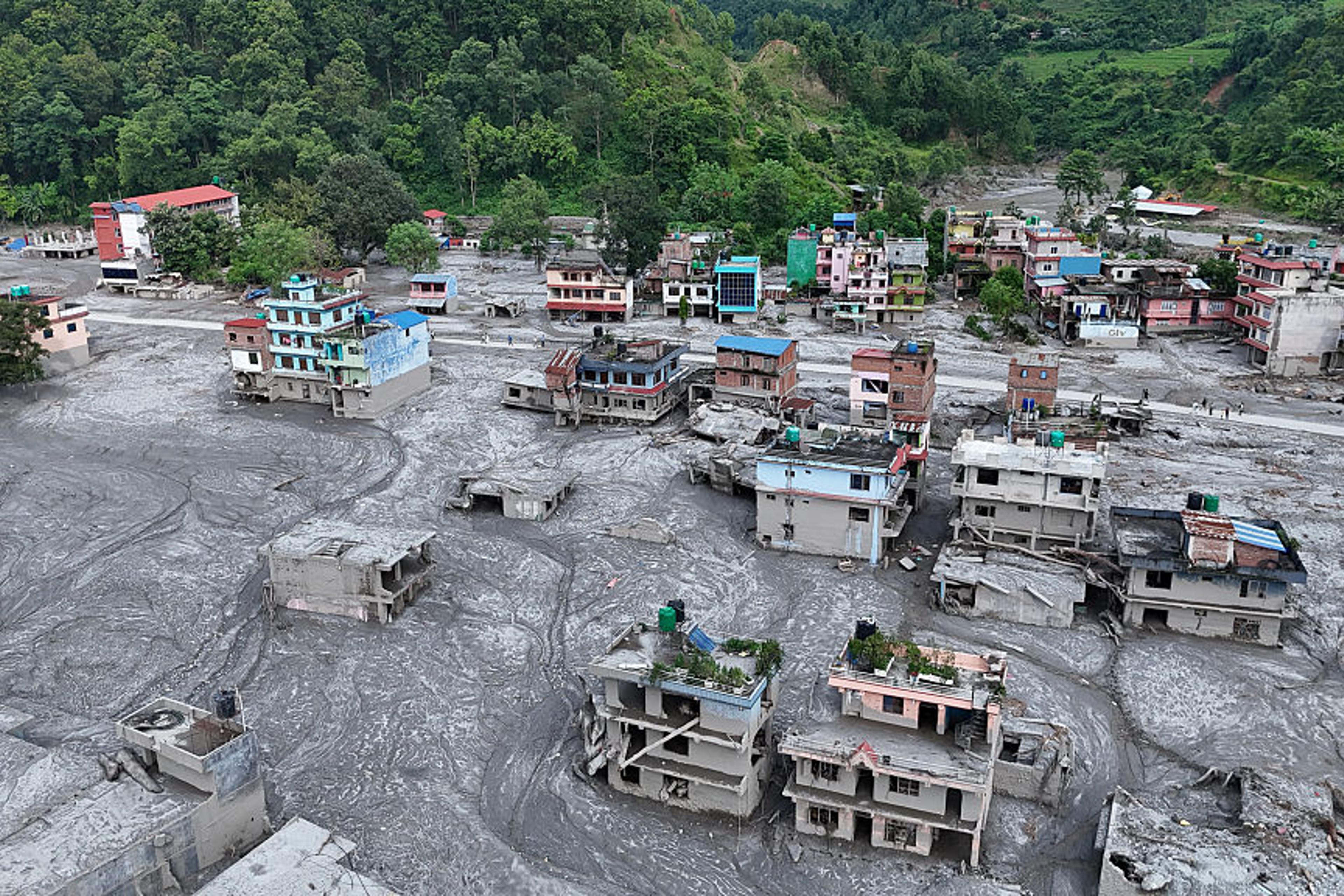
Initial reports had raised the possibility that an earthquake may have triggered the disaster. However, subsequent analysis found no significant earthquake that could explain the event, strengthening the focus on a glacier-related collapse and the resulting debris flow.
Experts have also warned that changing conditions in the Himalayan region, including the effects of a warming climate on glaciers and frozen ground, could increase the risk of similar disasters in the future. (Fact Check)
RESCUE OPERATIONS CONTINUE
Search-and-rescue teams are working to locate survivors and account for people who remain missing. The scale of the destruction, however, has made the operation particularly challenging.
Authorities are also assessing damage to hydropower facilities, roads and other critical infrastructure as communities begin the difficult process of recovery.
The disaster has prompted international concern and offers a stark reminder of the dangers faced by communities living in the Himalayas, where rapidly changing glacial conditions and unstable mountain terrain can create sudden and destructive hazards.