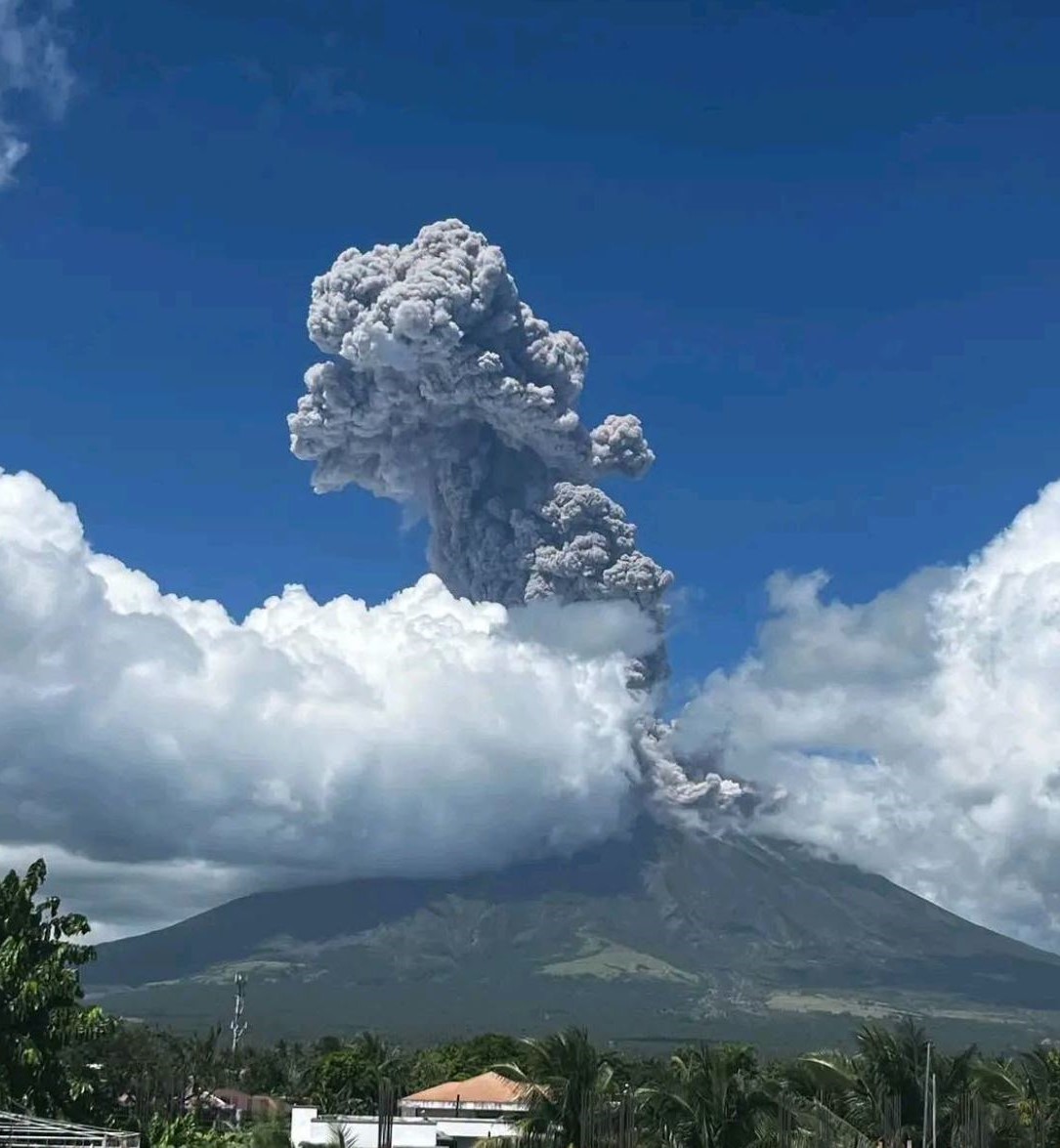

ALBAY, Philippines — More than 2,000 residents in Albay have been forced to leave their homes following a moderately explosive eruption of Mayon Volcano on Friday, October 30, prompting authorities to intensify evacuation operations and emergency preparedness measures across affected communities.
According to the Albay Public Safety and Emergency Management Office (APSEMO), a total of 2,041 individuals from 746 families had been evacuated as of 5 p.m. Friday, with residents coming from high-risk areas in Tabaco City, Camalig, and Ligao City.
Tabaco City recorded the highest number of displaced families at 531, followed by Camalig with 205 families and Barangay Baligang in Ligao City with 10 families.
Meanwhile, local government units in Malilipot, Legazpi City, Santo Domingo, Daraga, and Guinobatan continue to closely monitor volcanic activity and prepare for possible additional evacuations.
Mayon Remains Under Alert Level 3
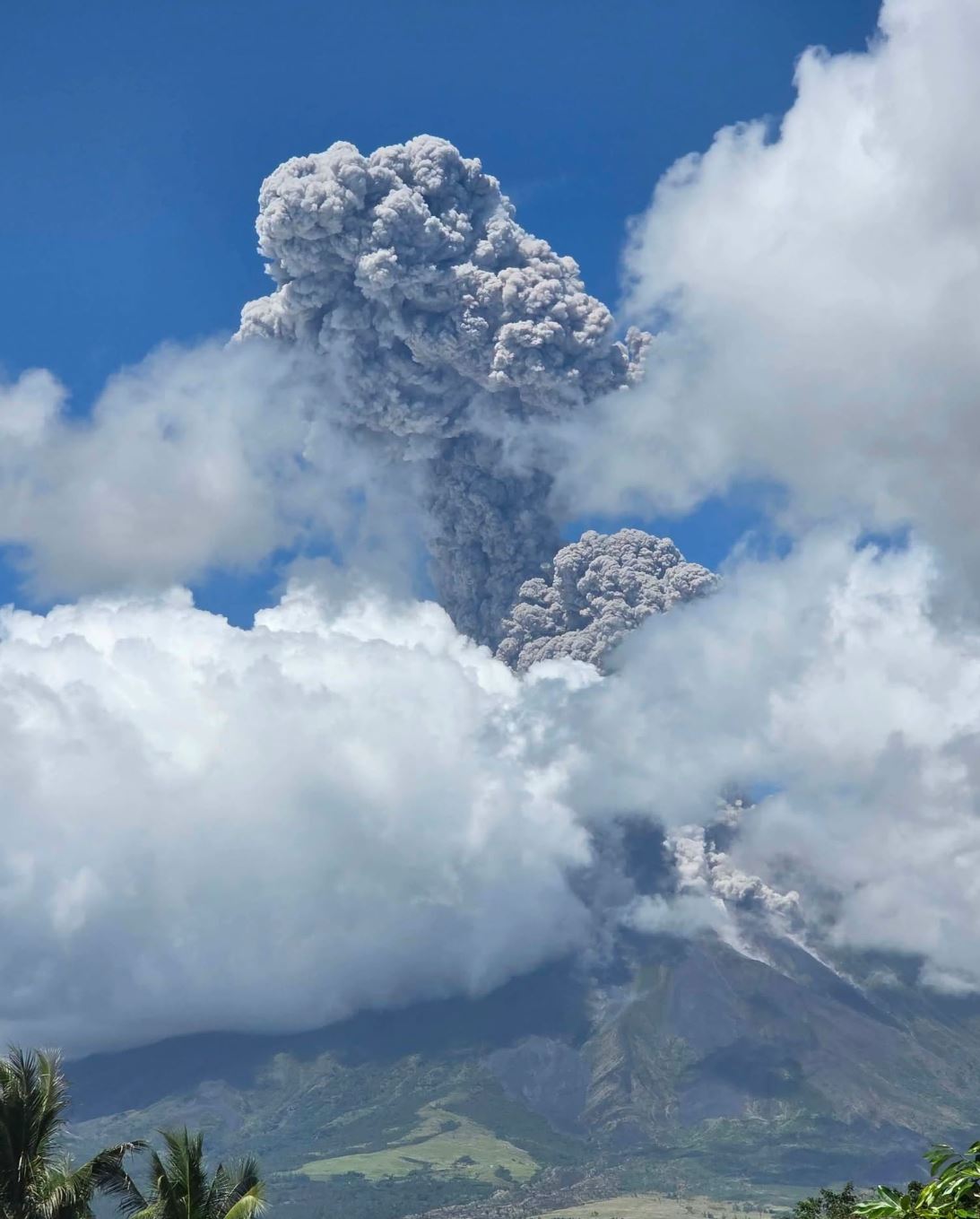
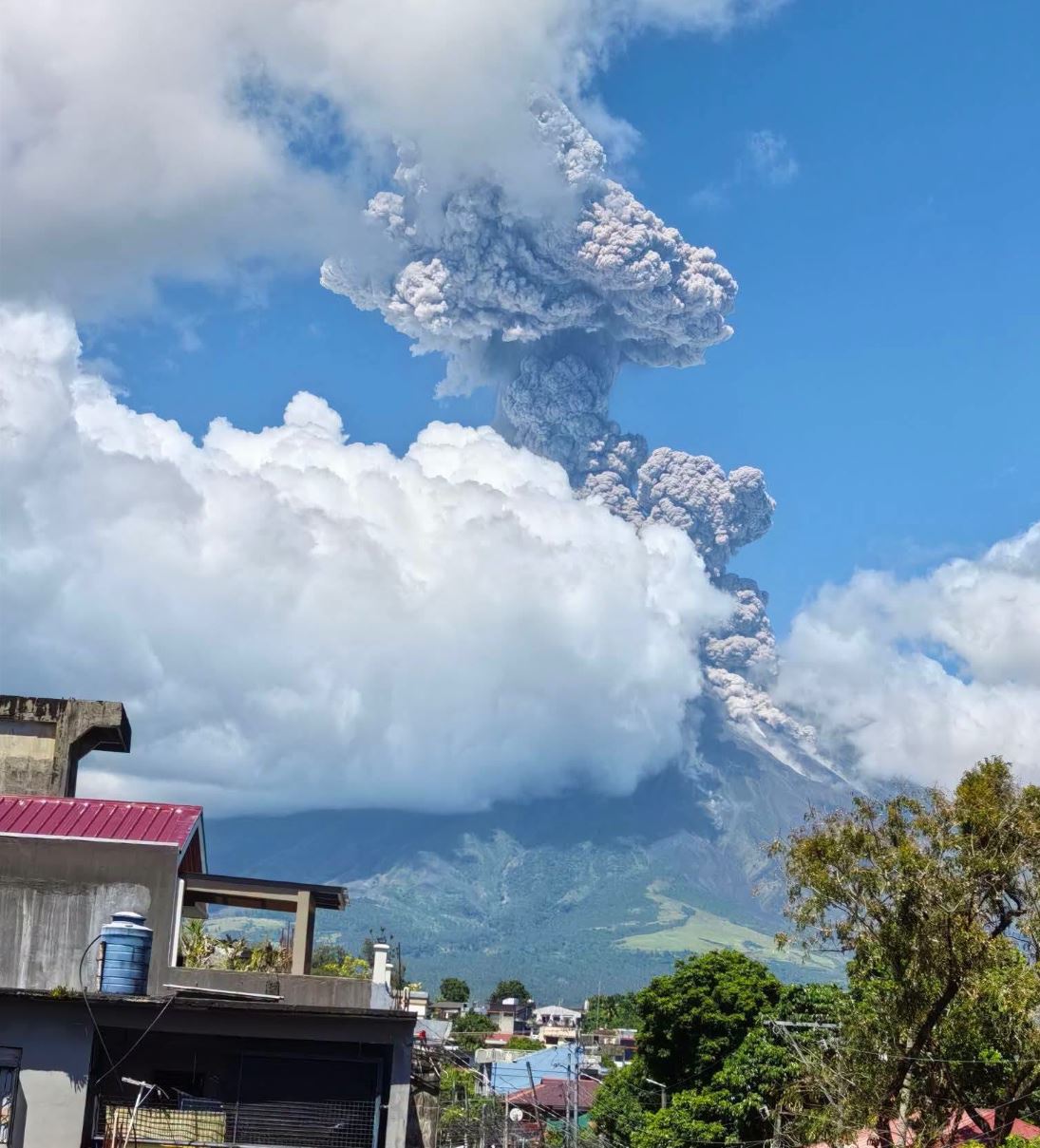
The Philippine Institute of Volcanology and Seismology (PHIVOLCS) raised Mayon Volcano’s status from Alert Level 2 to Alert Level 3 following an explosive eruption at approximately 11:53 a.m. on October 30.
The eruption lasted around six minutes and produced a thick ash plume reaching approximately 3,000 meters above the volcano’s summit crater before drifting west-southwest.
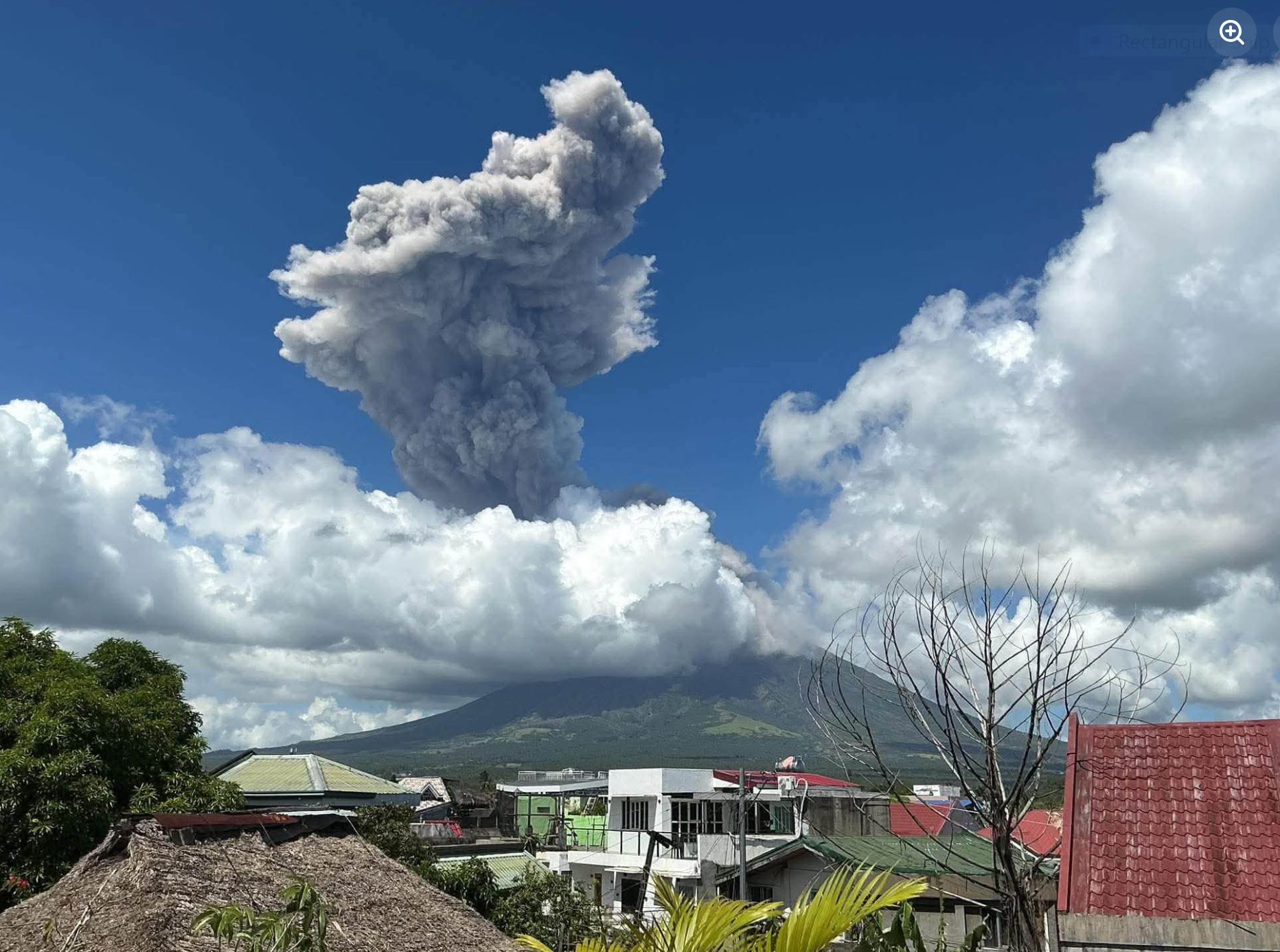
Volcanic activity persisted the following morning, October 31, when another ash emission was observed at 5:17 a.m. The plume rose approximately 200 meters above the crater and moved toward the west-southwest.
In its October 31 monitoring bulletin, PHIVOLCS also reported 15 volcanic earthquakes and 30 rockfall events, indicating continued unrest within the volcano.
Alert Level 3 signifies intensified magmatic activity and an increased possibility of a hazardous eruption, including lava flows, pyroclastic density currents, and additional explosive events.
Emergency Response Intensified
In response to the volcanic activity, APSEMO placed its Provincial Disaster Operation Center under Red Alert to strengthen emergency coordination, continuous monitoring, and assistance to affected communities.
The Albay Provincial Health Office also distributed 22,000 surgical masks to health facilities and local government units to help protect residents from the potential health effects of volcanic ash.
Health authorities have likewise elevated their preparedness status to Code Blue, requiring medical facilities and emergency response teams to strengthen their readiness for possible health emergencies.
Provincial hospitals, local health offices, and emergency personnel have been directed to prepare medical supplies, maintain emergency operations, and provide necessary assistance to displaced residents.
Residents Urged to Remain Vigilant
PHIVOLCS continues to prohibit entry into Mayon Volcano’s six-kilometer Permanent Danger Zone due to the threat of sudden eruptions, rockfalls, lava flows, and other volcanic hazards.
Authorities have also warned of possible lahars during prolonged or heavy rainfall, particularly in communities near waterways surrounding the volcano.
Residents are advised to follow evacuation directives, wear protective masks when exposed to volcanic ash, and rely on official government announcements for accurate updates.
With Mayon Volcano continuing to show signs of heightened unrest, disaster response agencies remain on alert as they work to safeguard communities and provide assistance to families affected by the eruption.