

In an age where music travels faster than borders can contain it, one phenomenon continues to challenge the traditional gatekeepers of the industry: BTS.
Open almost any social media platform and chances are you will find a BTS concert clip, a fancam from their recent shows, or a reaction video from fans around the world. The comment sections are strikingly diverse—English, Korean, Spanish, Arabic, Filipino, French, Portuguese, and countless other languages appear side by side. People from different countries, cultures, and backgrounds gather around the same performance by seven Korean artists singing primarily in Korean.

No one asks whether only Korean speakers should enjoy their music. No one demands that fans comment only in English because the original post was written in English. The audience simply responds to what they feel.
That reality is what makes the continuing debate around the Grammy Awards and BTS so significant.
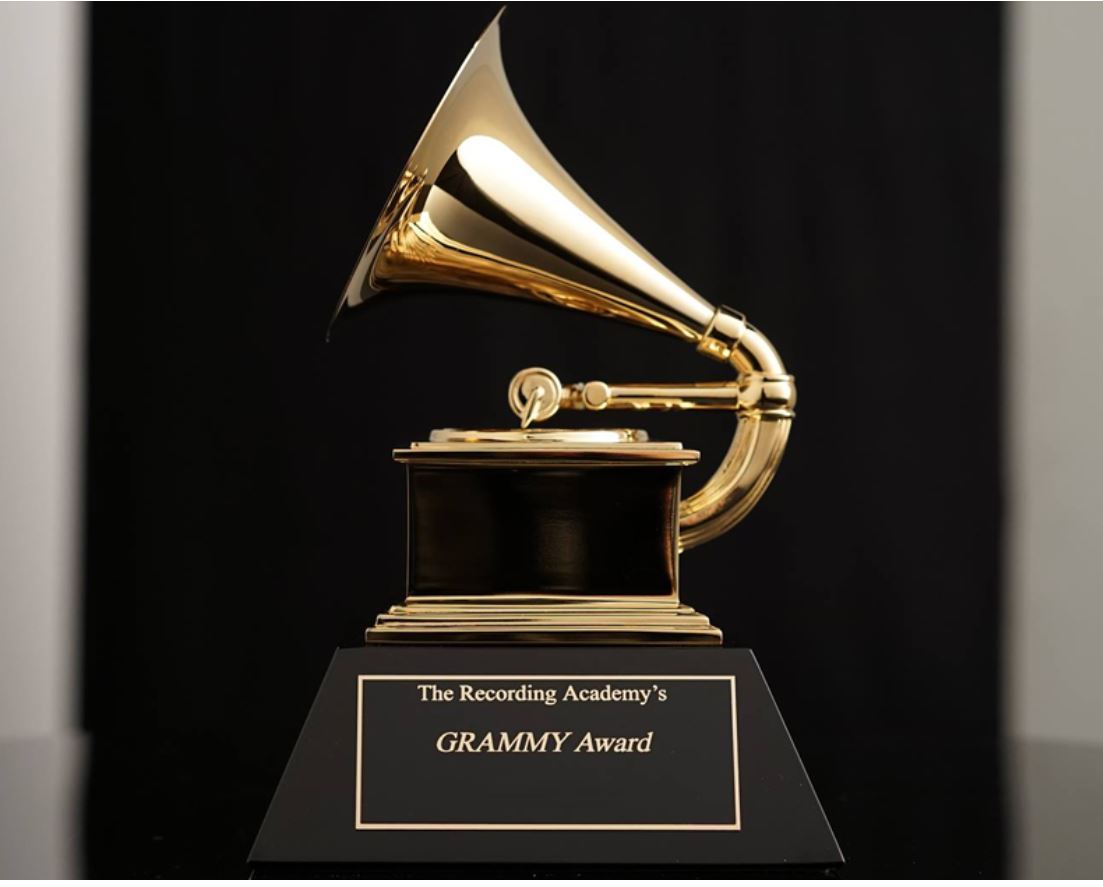
Recent commentary from major music publications has renewed questions about how global award institutions treat non-English and Asian artists. Critics argue that BTS has repeatedly been invited to high-profile award shows for the attention, ratings, and engagement they generate, while still being kept at arm’s length from the most prestigious general categories. Discussions surrounding proposals for Asian- or K-pop-specific categories have intensified concerns that such classifications could become a way of recognizing popularity without fully embracing artistic equality. Forbes recently pointed to what it described as a broader diversity problem within the Grammys, while Billboard highlighted the ongoing industry debate over whether creating separate Asian categories would genuinely expand representation or further isolate Asian artists from major awards consideration. Forbes has also examined BTS’s place within Grammy history and the larger conversation about artists whose cultural impact exceeded the trophies they received.
The issue is larger than BTS.
If the Grammys truly represent excellence in music, then excellence should not depend on language, nationality, or geography. Music is not divided into “English music” and “foreign music” in the hearts of listeners. A song resonates because of its melody, emotion, storytelling, performance, and connection with the audience. The listener decides whether music matters—not the language in which it is sung.
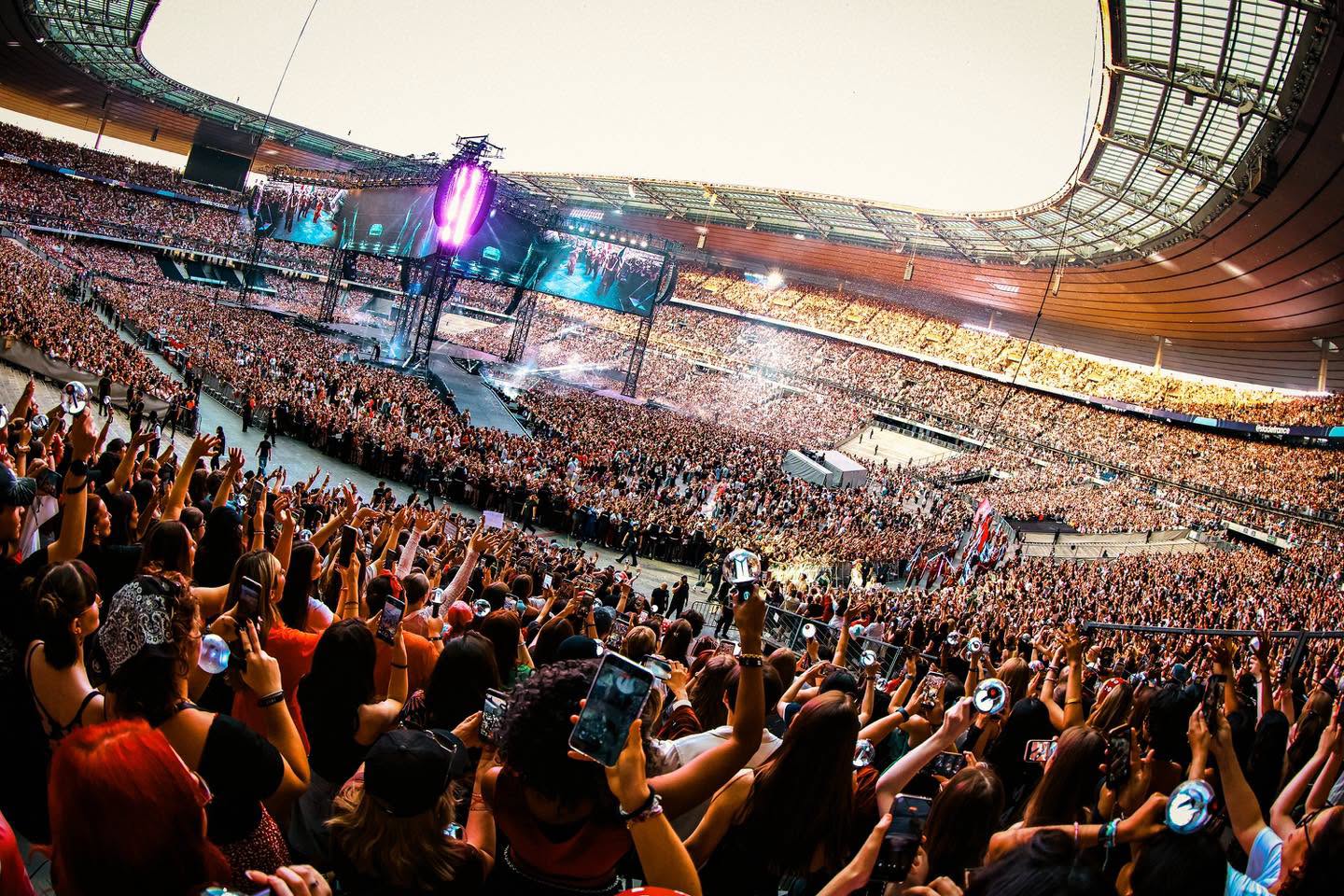
That is why many fans view the creation of narrowly defined Asian or K-pop categories with skepticism. Separate categories can provide visibility, but they can also create ceilings. When artists who demonstrably compete on the same global charts, sell out stadiums across continents, influence fashion and culture, and shape industry trends are redirected into specialized categories, the message can feel less like inclusion and more like containment.
An uncomfortable question follows: Why is linguistic difference treated differently depending on where the artist comes from? European artists have long crossed into major international categories without the same degree of scrutiny over language or origin. Yet Asian artists often face discussions about whether they belong in a separate lane. The concern expressed by many observers is not simply about one award—it is about whether the industry is fully prepared to accept that global popular music no longer revolves exclusively around English-speaking markets.
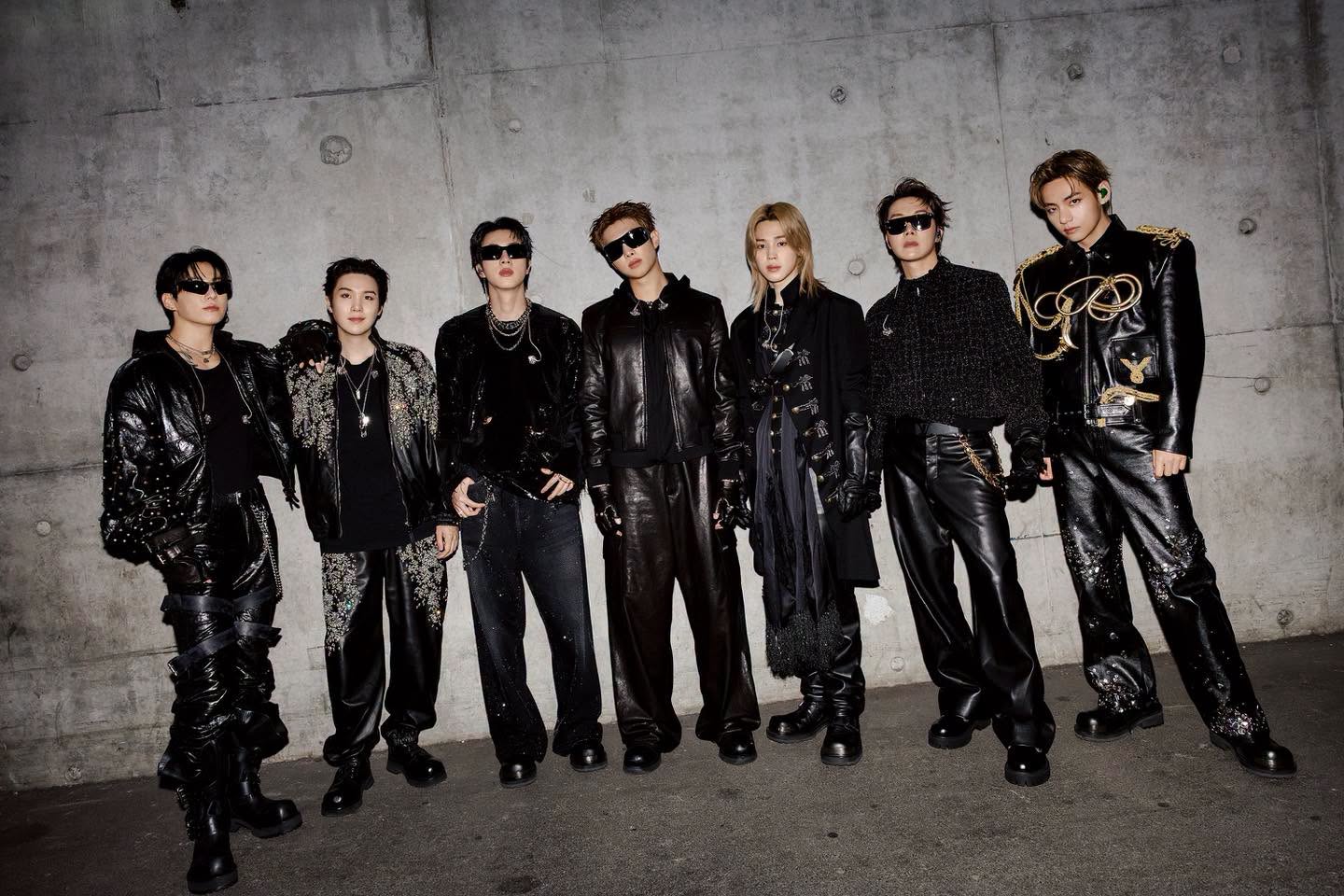
BTS has already demonstrated that another model is possible. Their success was not built solely on English-language releases. They filled stadiums, topped charts, inspired scholarship, mobilized one of the most organized fan communities in modern entertainment, and expanded the commercial imagination of the music industry while remaining visibly Korean. In doing so, they helped prove that cultural specificity can be a source of global power rather than a barrier to it.
Perhaps that is what unsettles some institutions most: BTS did not wait for validation before becoming a worldwide force.
The Grammys remain an important symbol within music, but symbols derive their meaning from the artists and songs they celebrate. Without music, the Grammy is merely a trophy. The responsibility of an award body is therefore not to protect tradition for its own sake, but to recognize artistic achievement wherever it emerges.
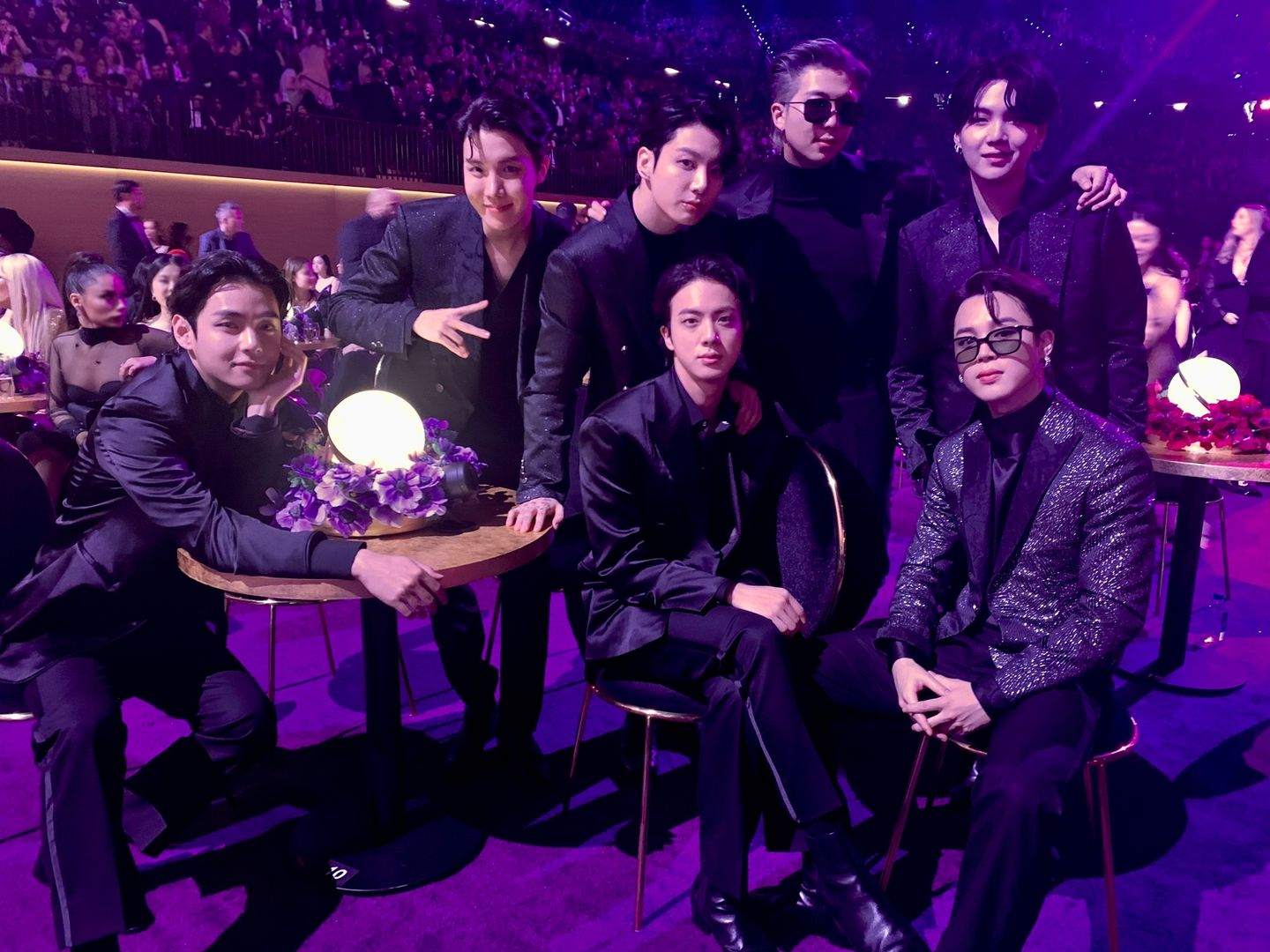
BTS’s story invites the industry to reconsider what diversity truly means. Diversity is not inviting global artists to perform while reserving the highest honors for familiar centers of power. Diversity is allowing all artists to compete on equal terms. Diversity is judging the work before judging the passport, the language, or the category.
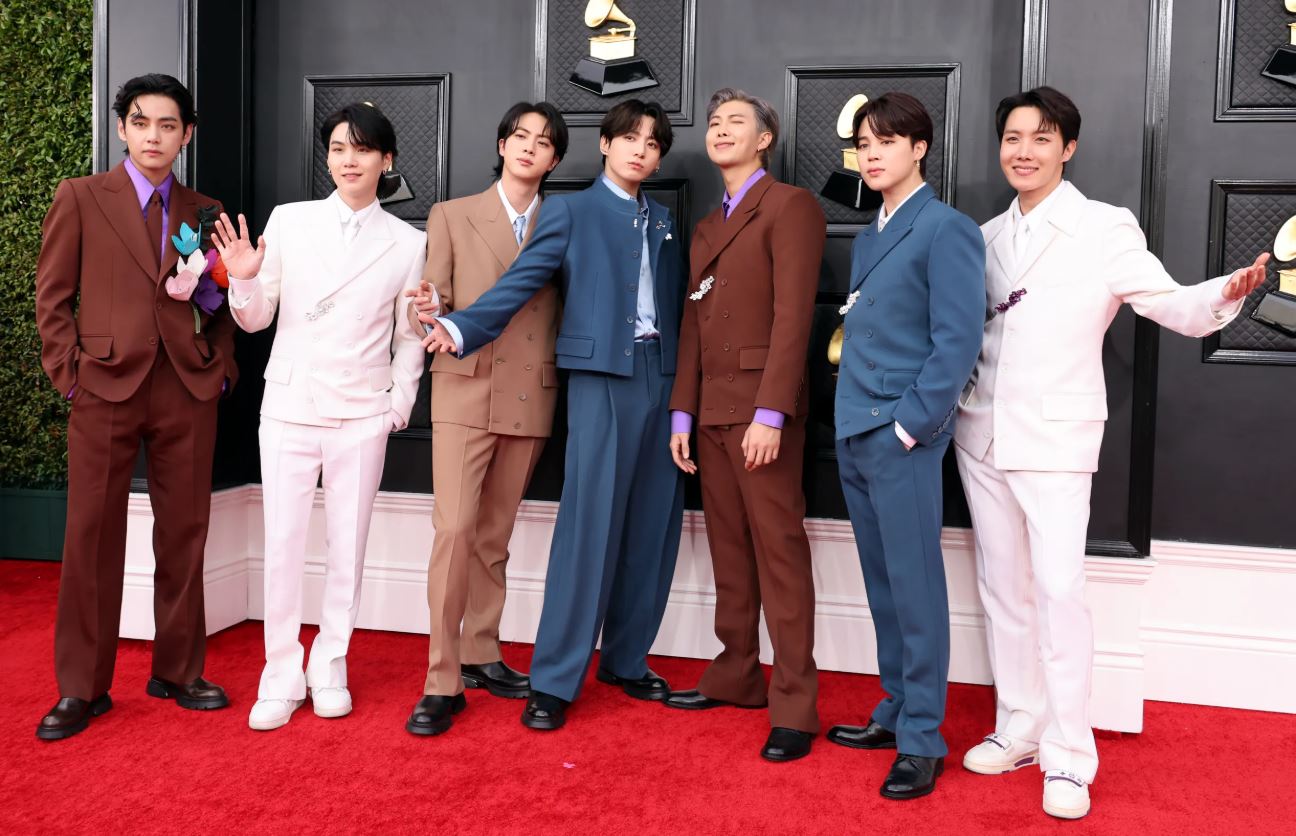
Whether BTS eventually wins a Grammy may matter to fans, but the larger truth may already be evident. Their music has reached millions of people who do not share a language, a country, or a culture, yet still find meaning in the same songs. That kind of connection is difficult to quantify, impossible to manufacture, and arguably more powerful than any single award.
The conversation BTS has forced upon the music industry is not merely about trophies. It is about who gets to define global music in the twenty-first century—and whether the institutions that claim to celebrate music are ready to follow the audience that has already moved beyond borders.