

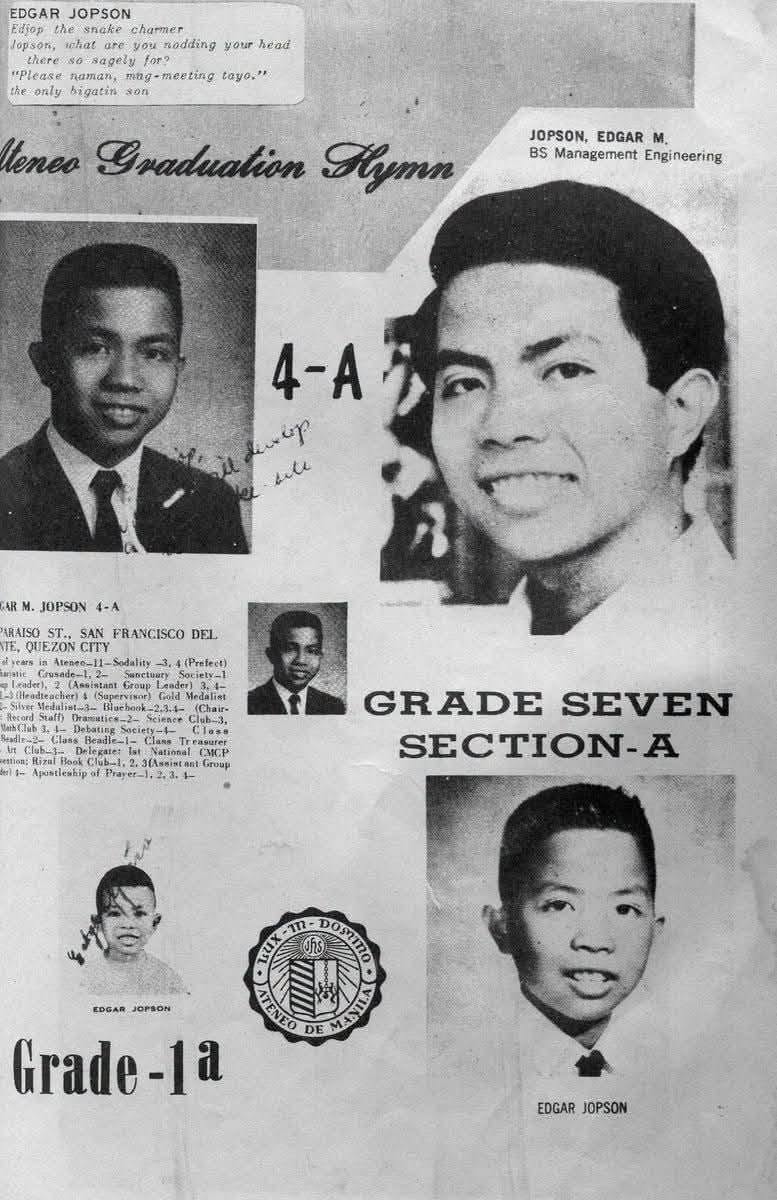
The life and legacy of Filipino activist Edgar “Edjop” Jopson are finding a new audience through Edjop, a historical drama that revisits his journey from student leader and reform advocate to an underground activist during the Martial Law era.
Directed by Katski Flores and starring Elijah Canlas as Jopson, the film looks beyond the political figure remembered in Philippine history and explores the personal consequences of the choices he made during one of the country’s most turbulent periods.

Jopson emerged as one of the prominent student leaders of his generation. He served as president of the National Union of Students of the Philippines and became known for directly confronting then-President Ferdinand Marcos Sr. on political issues.
His political outlook would eventually change as the country entered a period marked by Martial Law, political repression and resistance. The film traces this transformation, showing Jopson moving from someone who believed change could be pursued through existing institutions toward deeper involvement in the underground movement.
Jopson was killed during a military raid in Davao City on September 20, 1982. He was 34.
More than four decades later, Edjop approaches his story not only through his activism but also through the family he left behind.
A Daughter Confronts Her Father’s Legacy
Central to the film is Jopson’s daughter, Joyette Jopson, portrayed by Jodi Sta. Maria.
Joyette was still a young child when her father died, leaving her to grow up with the public legacy of a man she had little opportunity to know personally.
Through her perspective, the film explores the complicated relationship between public sacrifice and private loss. While Jopson became remembered for his political convictions, his decision to dedicate himself to the movement also meant long periods away from his wife and children.
The story follows Joyette as she confronts the resentment, grief and questions surrounding her father’s absence and gradually attempts to understand the decisions that shaped his life.
This father-daughter perspective gives the historical drama a deeply personal dimension. Rather than presenting Jopson solely as a political figure, the film examines what his choices meant to those closest to him.
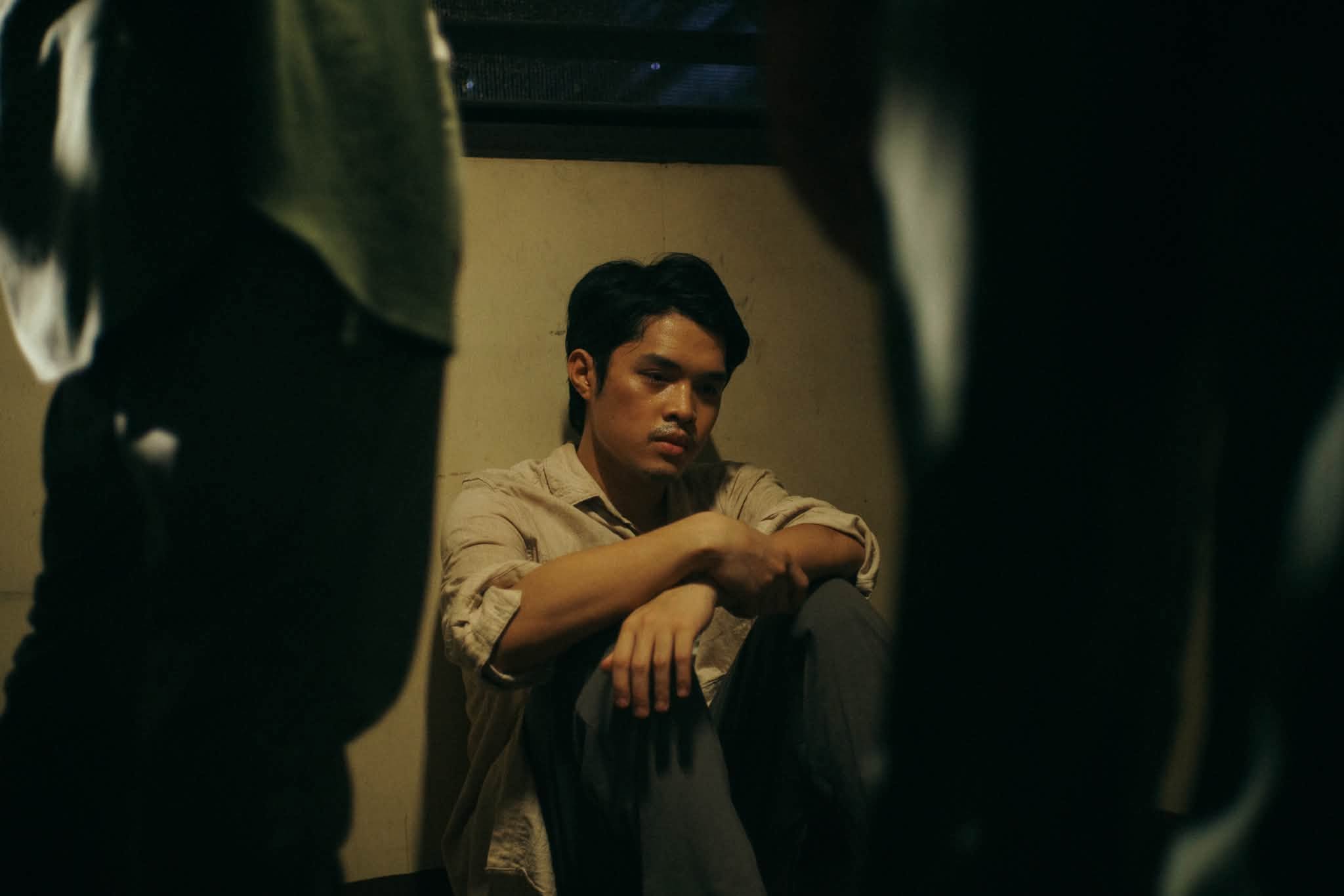
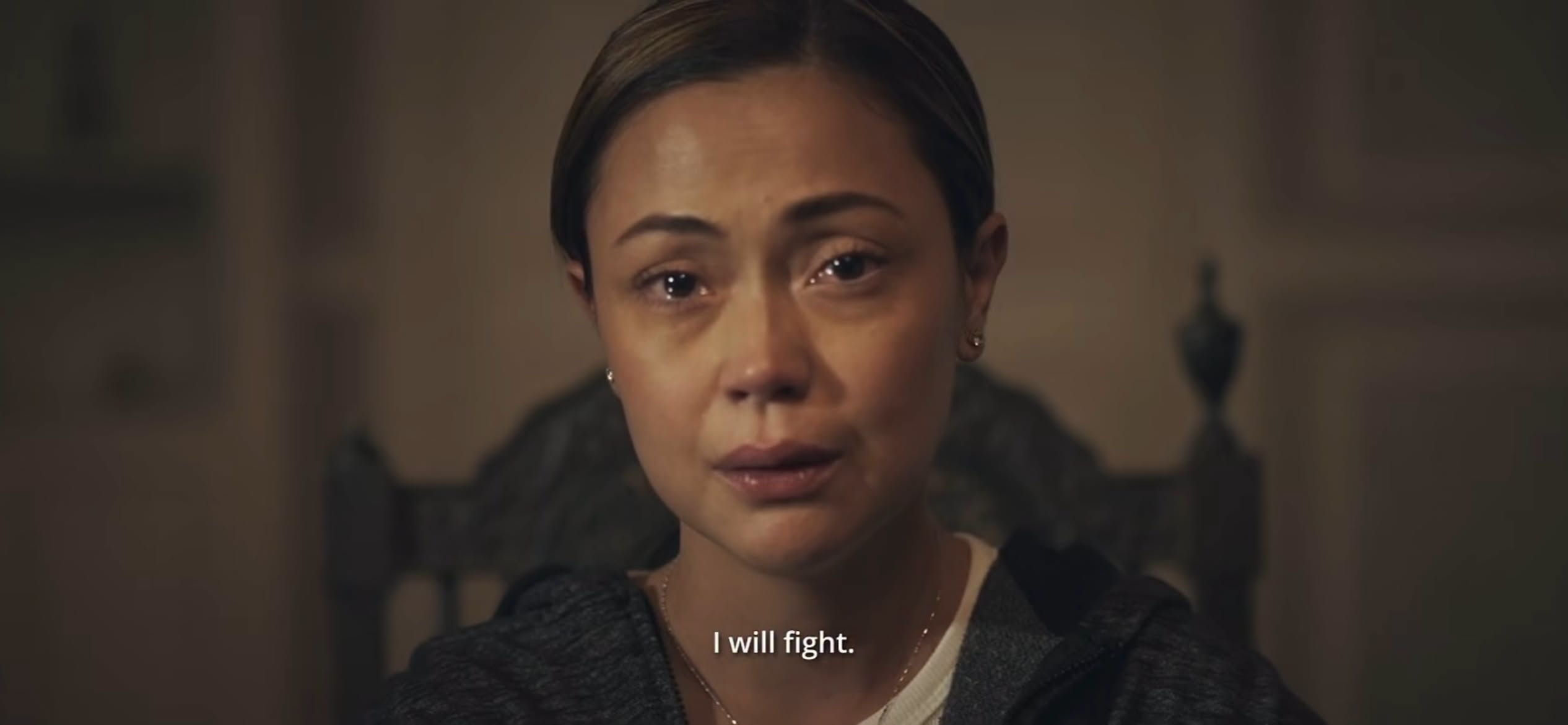
Canlas portrays Jopson through different stages of his political awakening, while Sta. Maria presents the perspective of a daughter attempting to reconcile the father she lost with the historical figure remembered by others.
Kakie Pangilinan also portrays the younger Joy Jopson, adding another layer to the film’s depiction of the emotional cost Jopson’s political commitment had on his family.
Remembering Edjop
The release of Edjop has also renewed discussions about how stories from the Martial Law era are presented to younger generations.
The film places Jopson’s personal journey within the larger political conditions of the 1970s and early 1980s, when opposition figures, activists and other critics of the Marcos government faced repression and political violence.
At the same time, discussions surrounding the film have reflected differing views over how Jopson’s political evolution and the various groups within the Philippine left are portrayed. Cultural critic Joel David noted that the film has drawn both appreciative responses and criticism over aspects of its depiction of leftist forces.
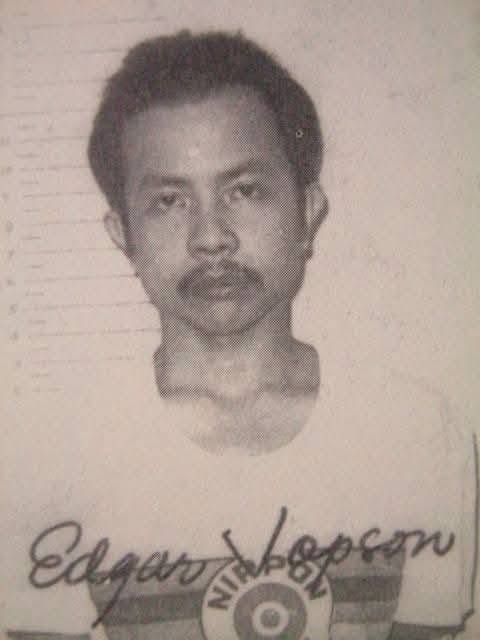

What remains central, however, is the renewed attention being given to Jopson himself—a young Filipino whose political beliefs changed dramatically as the country around him changed.
For audiences who were born decades after Martial Law, Edjop offers an entry point into that history through a story of activism, family, sacrifice and memory.
More than four decades after his death, Jopson’s story continues to raise questions about the personal cost of political conviction and how succeeding generations remember those who chose to resist the conditions of their time.
Edjop is currently showing in Philippine cinemas.
Sources: The FilAm, “‘Edjop’ & ‘Silenced Nights:’ 2 tales of fascist repression”; Rappler, “How Edjop’s death turned into a story of redemption”; and SINEGANG.ph, “‘Edjop’ REVIEW: The Defiant Act of Remembering.”