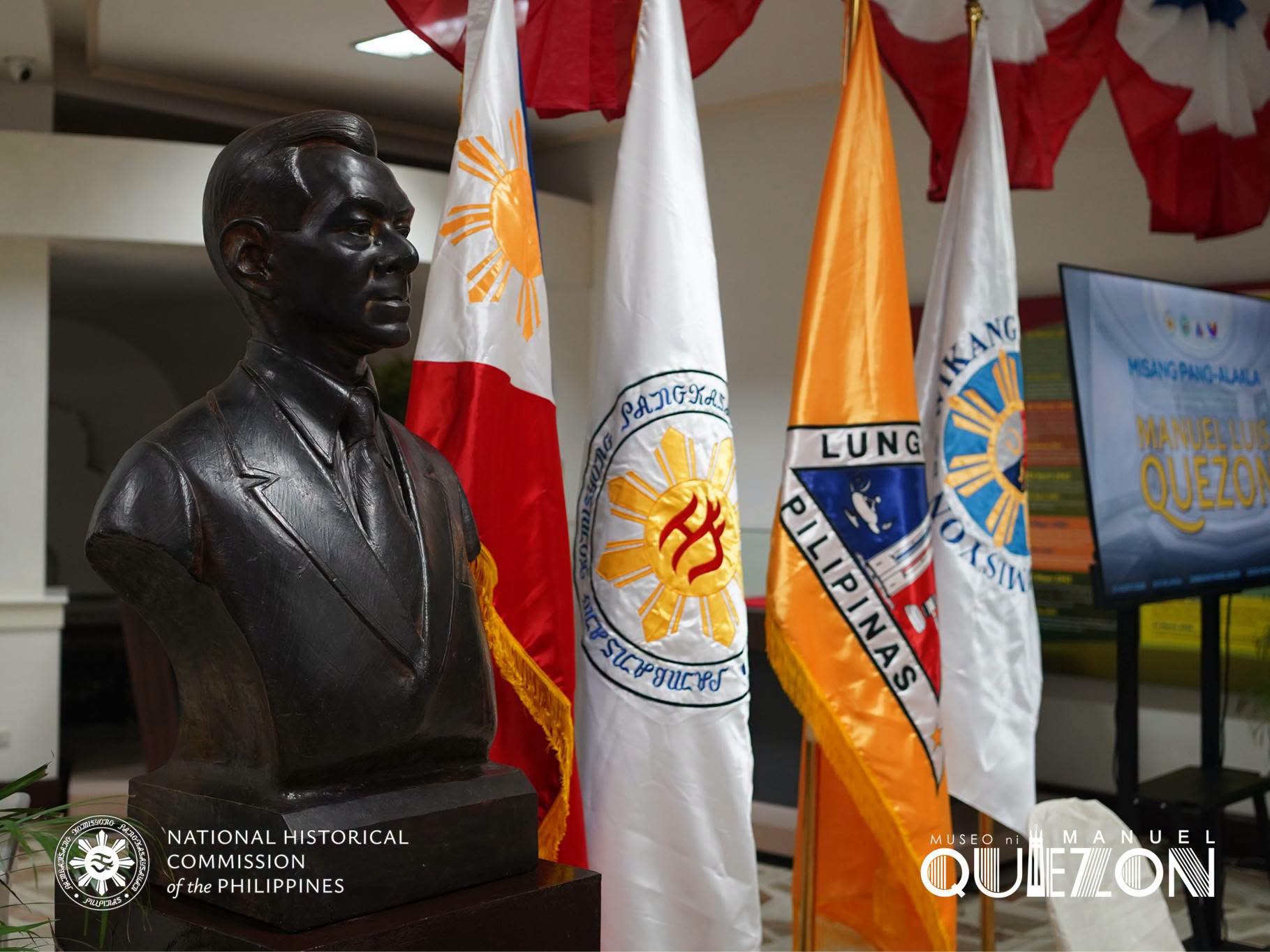

QUEZON CITY — The National Historical Commission of the Philippines (NHCP) successfully led the national commemoration of the 82nd death anniversary of President Manuel L. Quezon and the official opening of Buwan ng Wikang Pambansa 2026 on Saturday, 1 August, at the Quezon Shrine – Museo ni Manuel Quezon in Quezon Memorial Circle, Diliman, Quezon City.
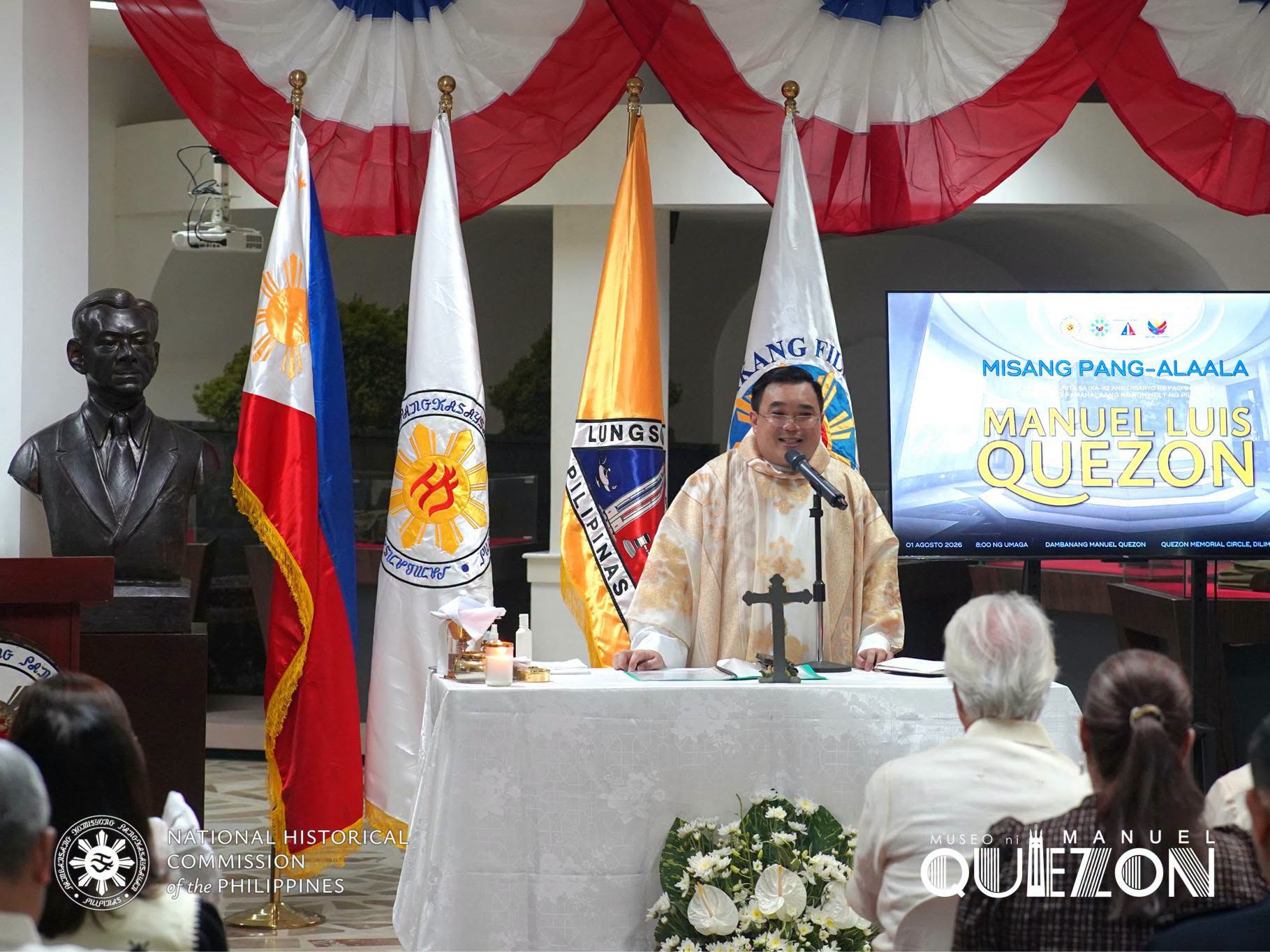
The program began with a Holy Mass officiated by Rev. Fr. Rey Hector Paglinawan, followed by the blessing of President Quezon’s tomb and a wreath-laying ceremony in honor of his life and enduring contributions to the nation.
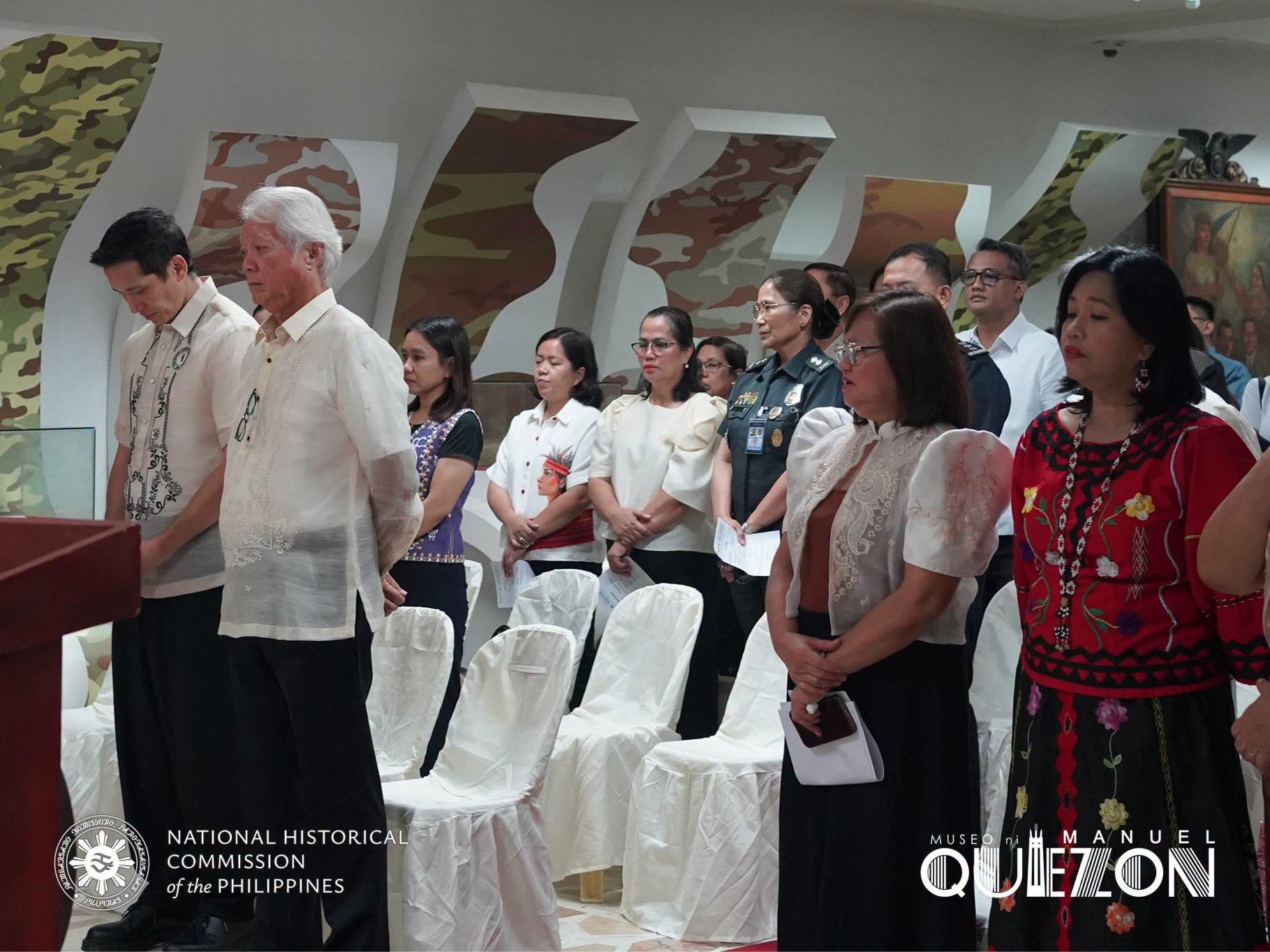
The Mass and commemorative program were attended by Quezon City Vice Mayor Gian Sotto, Quezon City Councilors Tany Joe Calalay and Nanette Castelo Daza, Komisyon sa Wikang Filipino (KWF) Chairperson Atty. Marites A. Barrios-Taran, NHCP Deputy Executive Director Rosario Sapitan, and Mr. Benjamin Avanceña, a representative of the Quezon family.
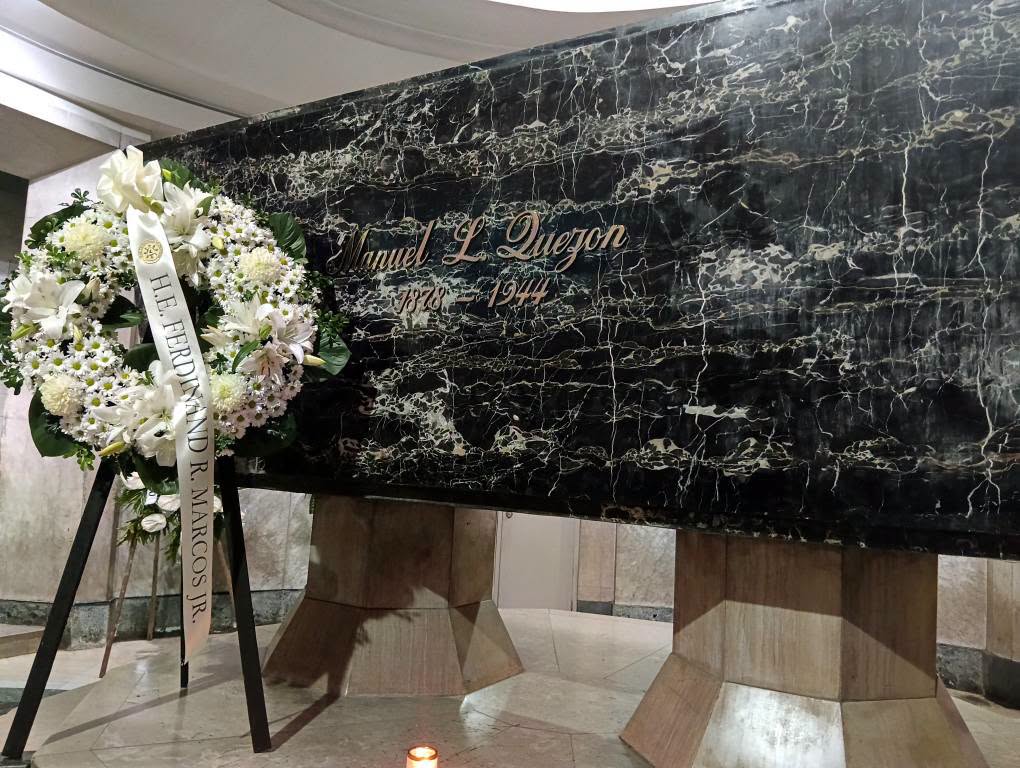
In her message, Atty. Barrios-Taran emphasized the importance of the Filipino language in an era of rapid technological advancement and artificial intelligence. This year’s observance coincided with the opening of Buwan ng Wikang Pambansa 2026, carrying the theme “Wikang Filipino at AI: Kasangkapan sa Pananaliksik at Tulay sa Yaman ng Impormasyon” (“Filipino Language and AI: A Tool for Research and a Bridge to the Wealth of Information”).
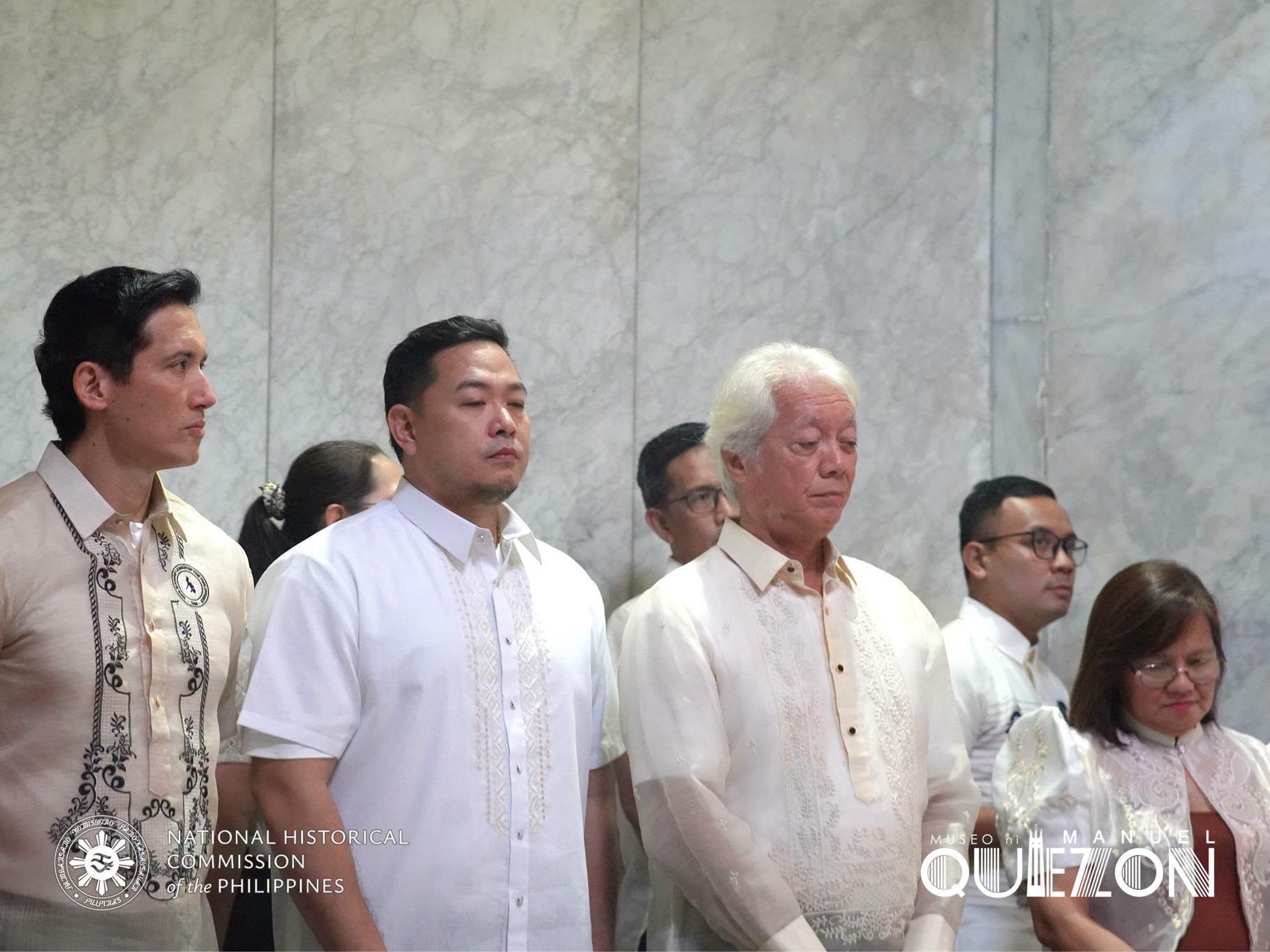
Mr. Benjamin Avanceña also delivered a message on behalf of the Quezon family, while the NHCP paid tribute to President Quezon as the principal advocate of the national language.
The program concluded with the official opening of Buwan ng Wikang Pambansa 2026 and a ceremonial tribute to President Manuel L. Quezon, who is widely recognized as the “Father of the National Language.” The NHCP underscored that the annual commemoration served not only as a remembrance of his passing but also as a recognition of his significant role in shaping modern Philippine governance and national identity.
The NHCP is the national government agency mandated to promote Philippine history through museums, research, and publications, and to preserve the country’s historical heritage through conservation efforts and the marking of significant historical sites and structures.