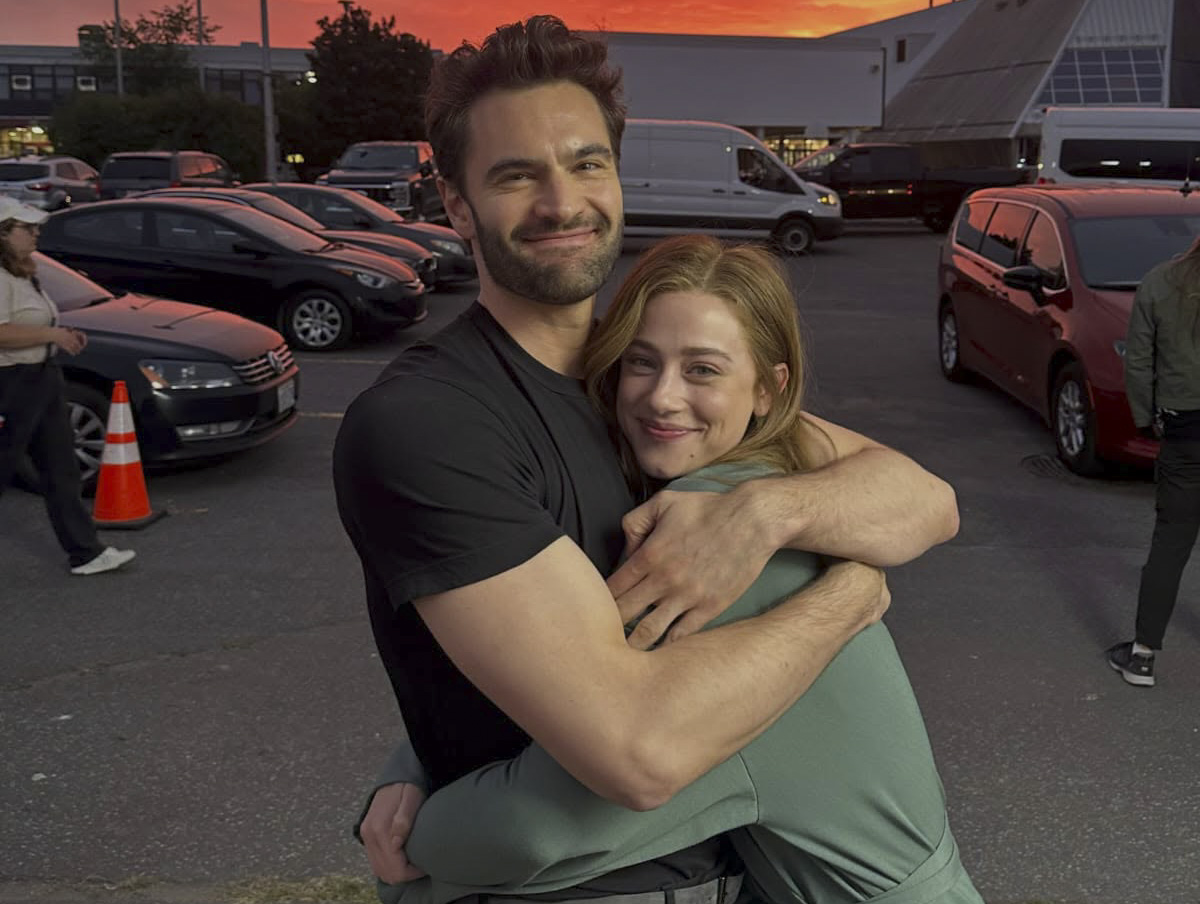

MANILA, Philippines — The chemistry is no longer just a hypothesis.
The screen adaptation of Ali Hazelwood’s bestselling romance novel “The Love Hypothesis” has generated buzz among viewers and book fans following its premiere on Prime Video, with conversations about its lead stars, romantic chemistry, and changes from the original novel spreading across social media.
Starring Lili Reinhart as Olive Smith and Tom Bateman as Dr. Adam Carlsen, the romantic comedy brings Hazelwood’s popular fake-dating story from the pages to the screen.
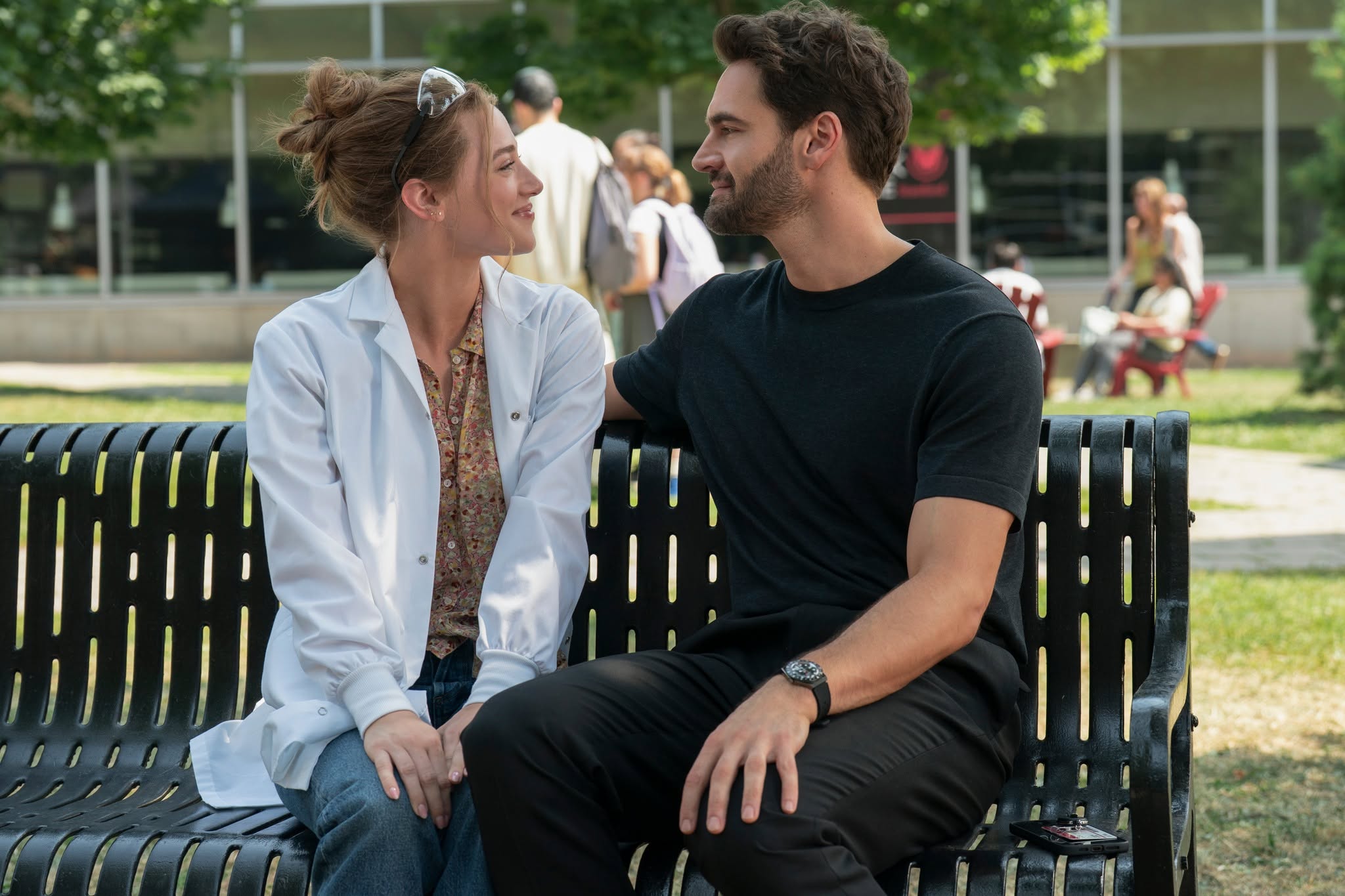
The story centers on Olive, a graduate student whose impulsive decision to kiss Adam, a professor known for his intimidating personality, eventually leads the two into an arrangement to pretend they are dating.
What starts as a convenient experiment soon becomes increasingly complicated as the line between their fake relationship and genuine feelings begins to disappear.
REINHART, BATEMAN BRING OLIVE AND ADAM TO LIFE
Much of the conversation surrounding the film has focused on Reinhart and Bateman’s portrayals of the two characters.
Reinhart brings Olive’s combination of intelligence, awkwardness and vulnerability to the screen, while Bateman takes on Adam’s infamous “Dr. Evil” persona—a reputation earned from his intimidating demeanor in the academic world.
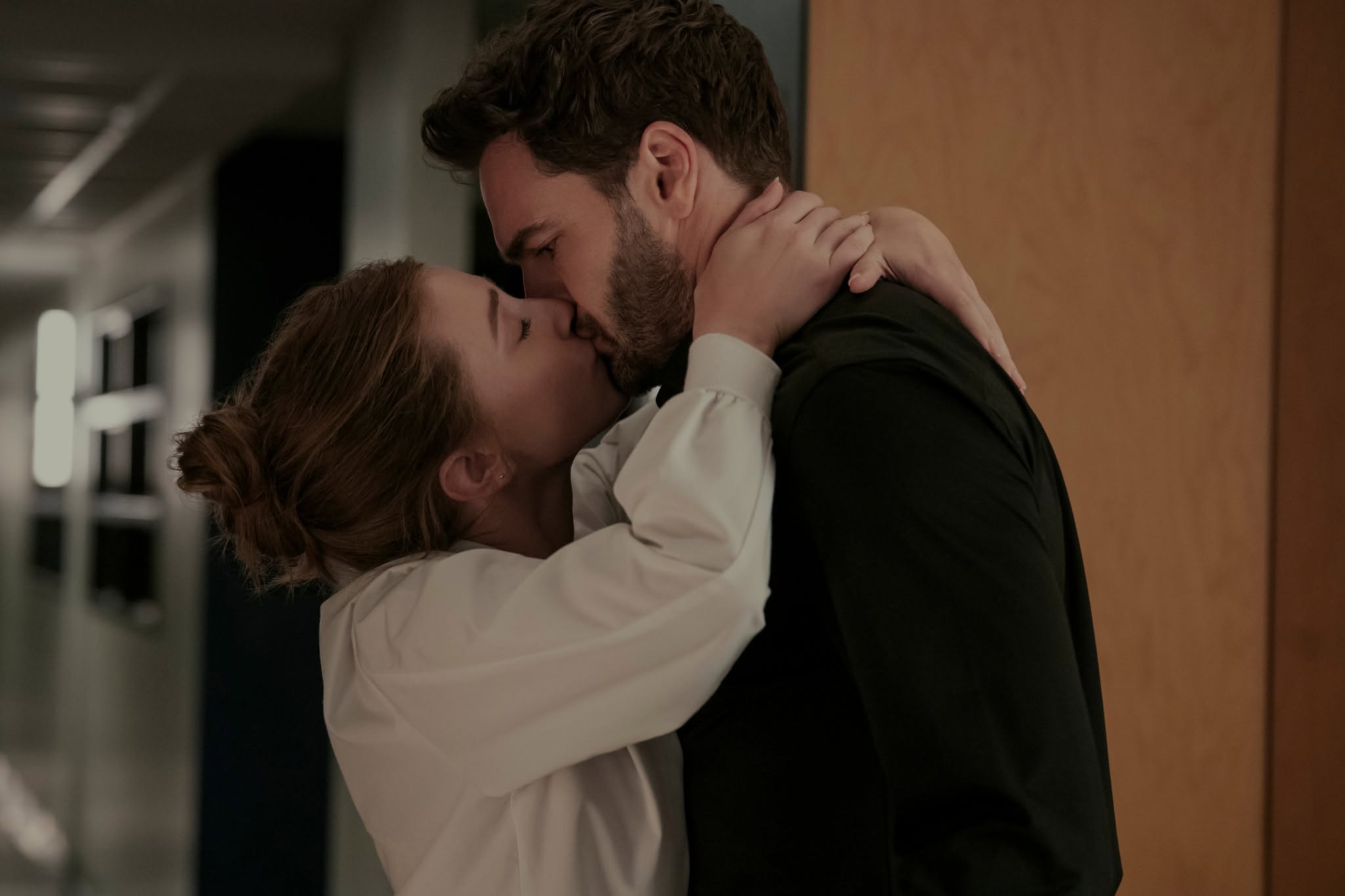
Bateman’s portrayal, in particular, has caught the attention of viewers as the initially distant and intimidating Adam gradually reveals a softer side around Olive.
Their chemistry has also become one of the adaptation’s talking points, particularly among readers who have waited to see Hazelwood’s characters brought to life.
BOOK-TO-SCREEN CHANGES SPARK DISCUSSION
As with many adaptations of popular novels, “The Love Hypothesis” has also prompted discussions among fans over changes made in translating the story to the screen.
While the film retains the central fake-dating premise and Olive and Adam’s developing relationship, some characters, scenes and details from Hazelwood’s novel were altered or condensed for the movie.
One notable difference is how the romance is presented.
The film places much of its emotional focus on Olive’s perspective, allowing viewers to experience her gradual discovery that there is more to Adam—and their relationship—than she initially believed.

The novel, meanwhile, gives greater emotional weight to the eventual revelation of Adam’s long-held feelings for Olive, adding another dimension to his seemingly reserved behavior throughout their relationship.
That difference has become part of the online conversation among readers, particularly those who considered Adam’s quiet yearning one of the most memorable elements of the book.
Despite the changes, the film has largely retained the ingredients that helped turn Hazelwood’s story into a romance phenomenon: academic rivals, awkward encounters, fake dating, slow-burn attraction and two people who take considerably longer than everyone else to recognize their own chemistry.
FROM BOOKTOK FAVORITE TO STREAMING SCREEN
Originally published in 2021, “The Love Hypothesis” became one of the standout contemporary romance titles to gain massive attention through online reading communities, particularly BookTok.
Its popularity helped establish Hazelwood as a prominent name in contemporary romance, particularly for stories combining women in STEM with romantic-comedy tropes.
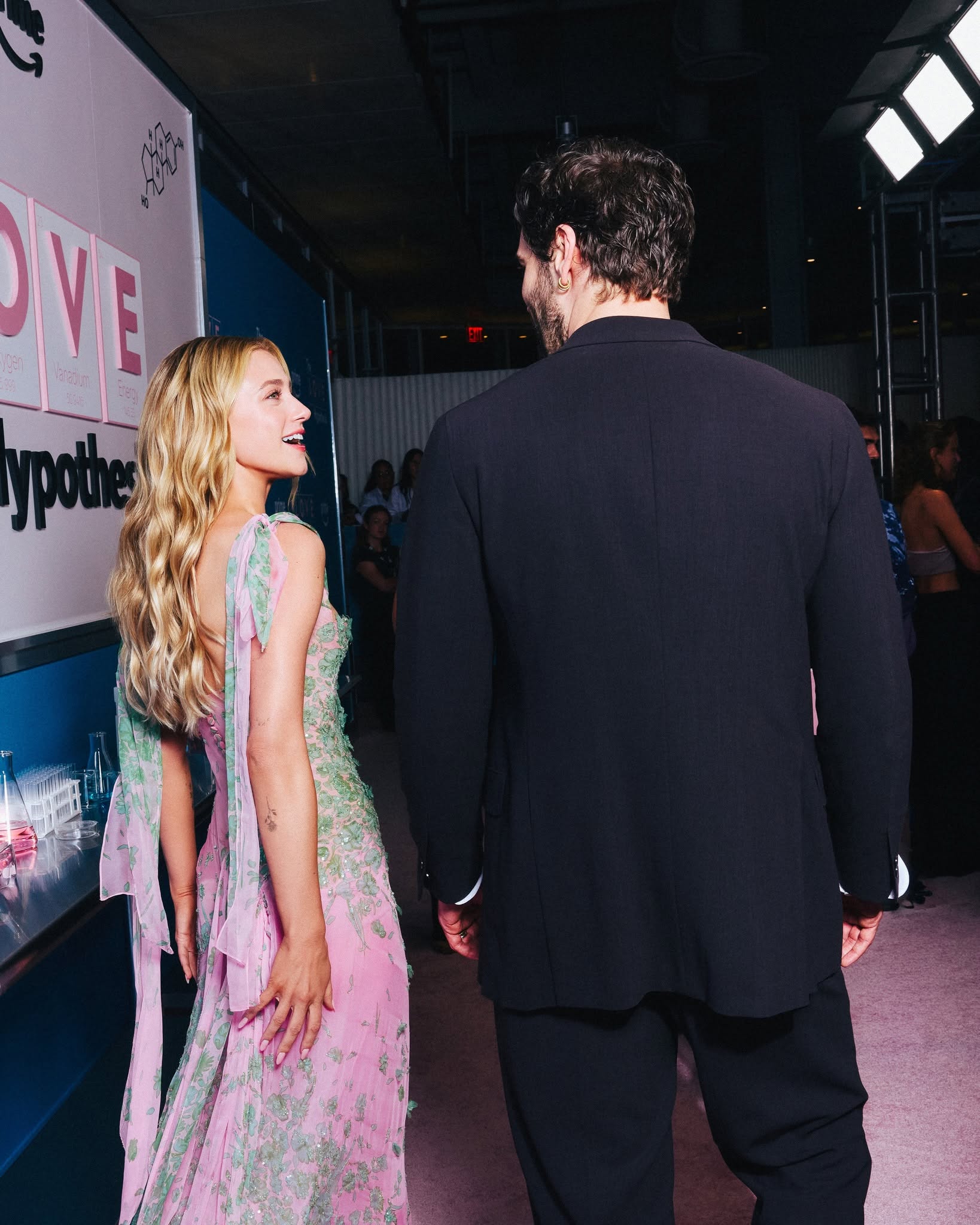
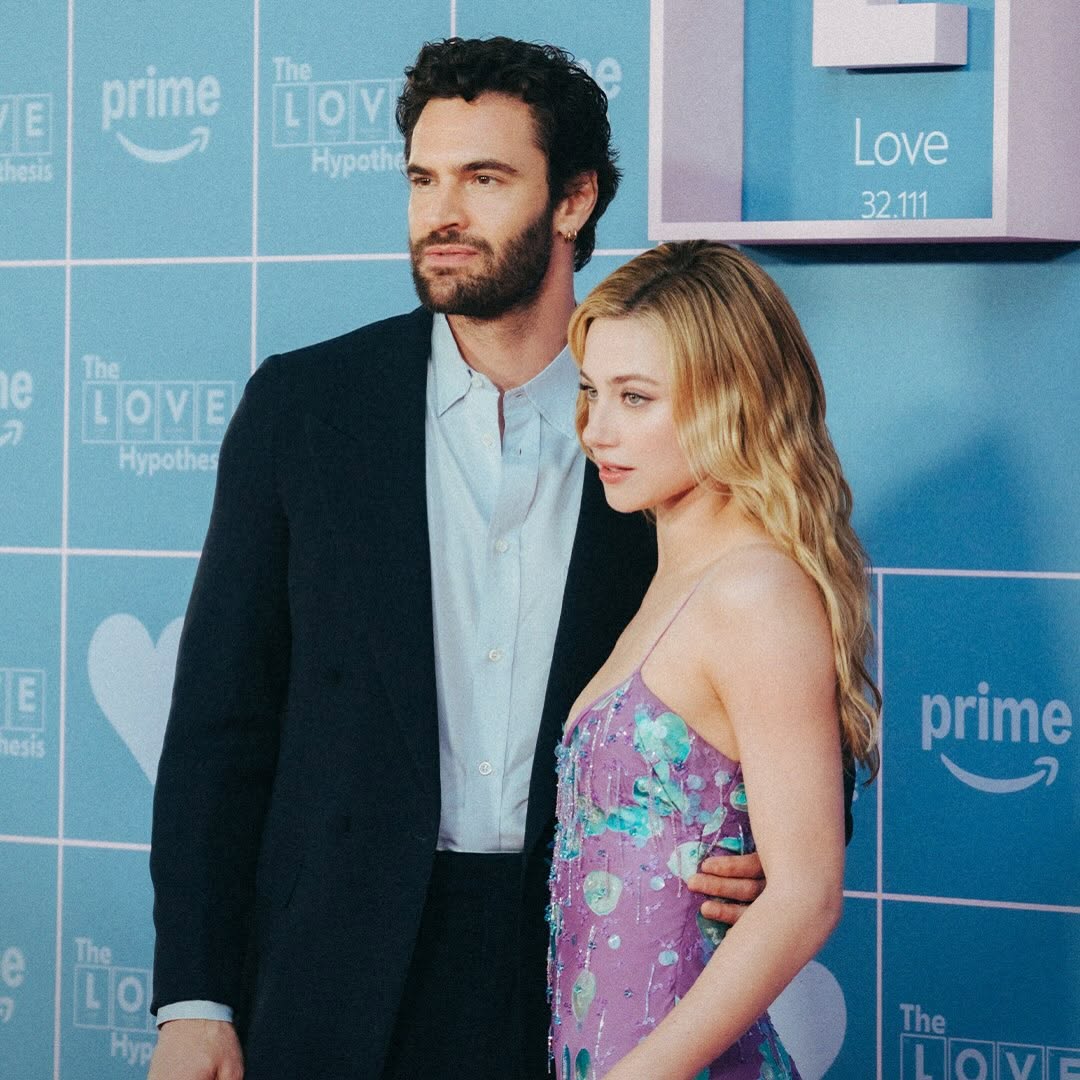
The arrival of its screen adaptation has now introduced Olive and Adam to a wider audience while giving longtime readers another version of the relationship they first encountered on the page.
And while some fans may still wish the movie had spent more time exploring certain moments and Adam’s backstory, the adaptation has given viewers plenty to talk about.
With Reinhart and Bateman at the center of the story, “The Love Hypothesis” is proving that the jump from bestselling romance novel to streaming movie can create an experiment of its own.
This time, judging by the conversation surrounding Olive and Adam, the chemistry is difficult to ignore.