

QUEZON CITY — The proposed Pax Silica artificial intelligence and technology hub has sparked growing public discussion, with environmental groups, scientists, and civic advocates urging the government to carefully weigh the project’s economic promise against its possible environmental and social costs.
Pax Silica has been presented as a major investment initiative that could bring technological advancement, infrastructure development, and employment opportunities to the country. During his fifth State of the Nation Address (SONA) on July 27, President Ferdinand Marcos Jr. identified the project as part of the US-led Pax Silica Initiative and said it would establish an industrial ecosystem anchored on artificial intelligence.

According to the President, the hub is expected to create quality jobs, strengthen the country’s industrial competitiveness, and contribute to economic growth. The administration has promoted the project as a strategic investment that could help position the Philippines as a more competitive player in emerging technology industries.
The announcement has also triggered a wider national conversation on the meaning of progress. While many Filipinos welcome investments that promise jobs and economic activity, others argue that development should not be measured by infrastructure and industrial expansion alone.
Critics note that the Philippines continues to face persistent challenges, including corruption, limited access to quality healthcare, recurring floods and droughts, worsening air pollution, and the daily vulnerabilities experienced by many communities. They say these realities should be considered when evaluating large-scale development projects.
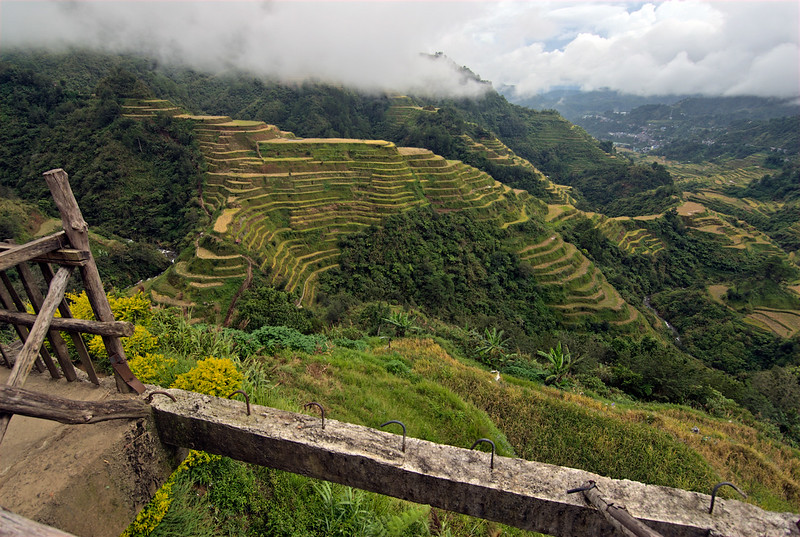
As public debate grows over the environmental and social impacts of the proposed Pax Silica hub, many citizens are asking whether development must come at the expense of natural resources and public welfare. Environmental and scientific organizations have raised concerns about the project’s potential effects on ecosystems, water resources, energy demand, and nearby communities. Some groups have also questioned whether the hub could place additional pressure on the country’s already strained power supply.
Environmental advocates have emphasized the need for a form of progress that is sustainable, inclusive, and humane. They argue that economic growth should not sacrifice forests, water sources, wildlife habitats, indigenous communities, and future generations.
The debate has intensified following recent reports highlighting environmental risks associated with the development and the objections raised by several science-based organizations. Critics warn that projects of this scale should proceed only with strong safeguards for biodiversity, local livelihoods, and community welfare.
Advocates calling for a reassessment of the proposal have suggested that public investment could instead be directed toward projects that more immediately improve the lives of Filipinos. Among the priorities they cited are hospitals, evacuation centers, flood-control systems, public schools, museums, parks, climate-resilient communities, and safer habitats for indigenous peoples and wildlife.
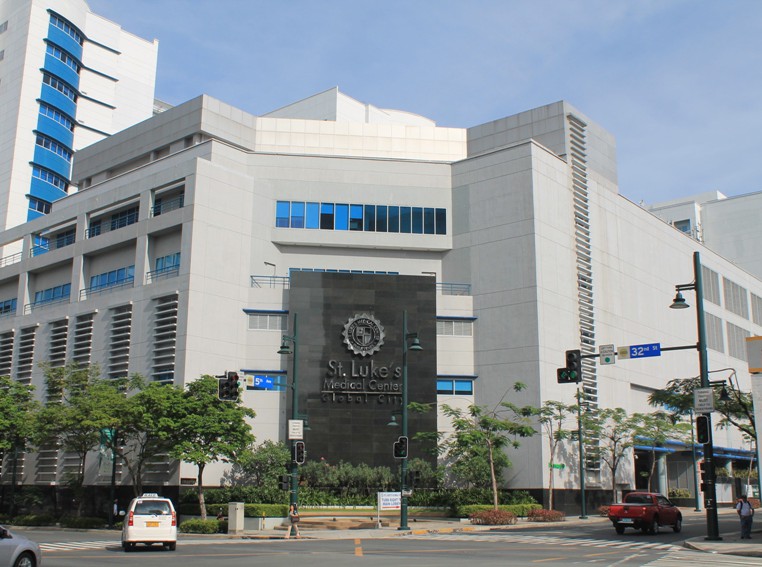
Supporters of these alternatives argue that such investments are not obstacles to progress but essential foundations of a truly developed nation. They say long-term national advancement depends not only on technological innovation but also on the protection of people, communities, and the environment.
Observers say the controversy surrounding Pax Silica reflects a broader national question facing the Philippines: how to pursue economic growth while ensuring environmental protection, social equity, and resilience in the face of climate and development challenges.
As discussions continue, government agencies have yet to announce whether the project will undergo further review in response to the mounting concerns raised by environmental and scientific groups. The debate now centers not on whether the Philippines should move forward, but on how the country can advance in a way that protects both its people and the environment that sustains them.