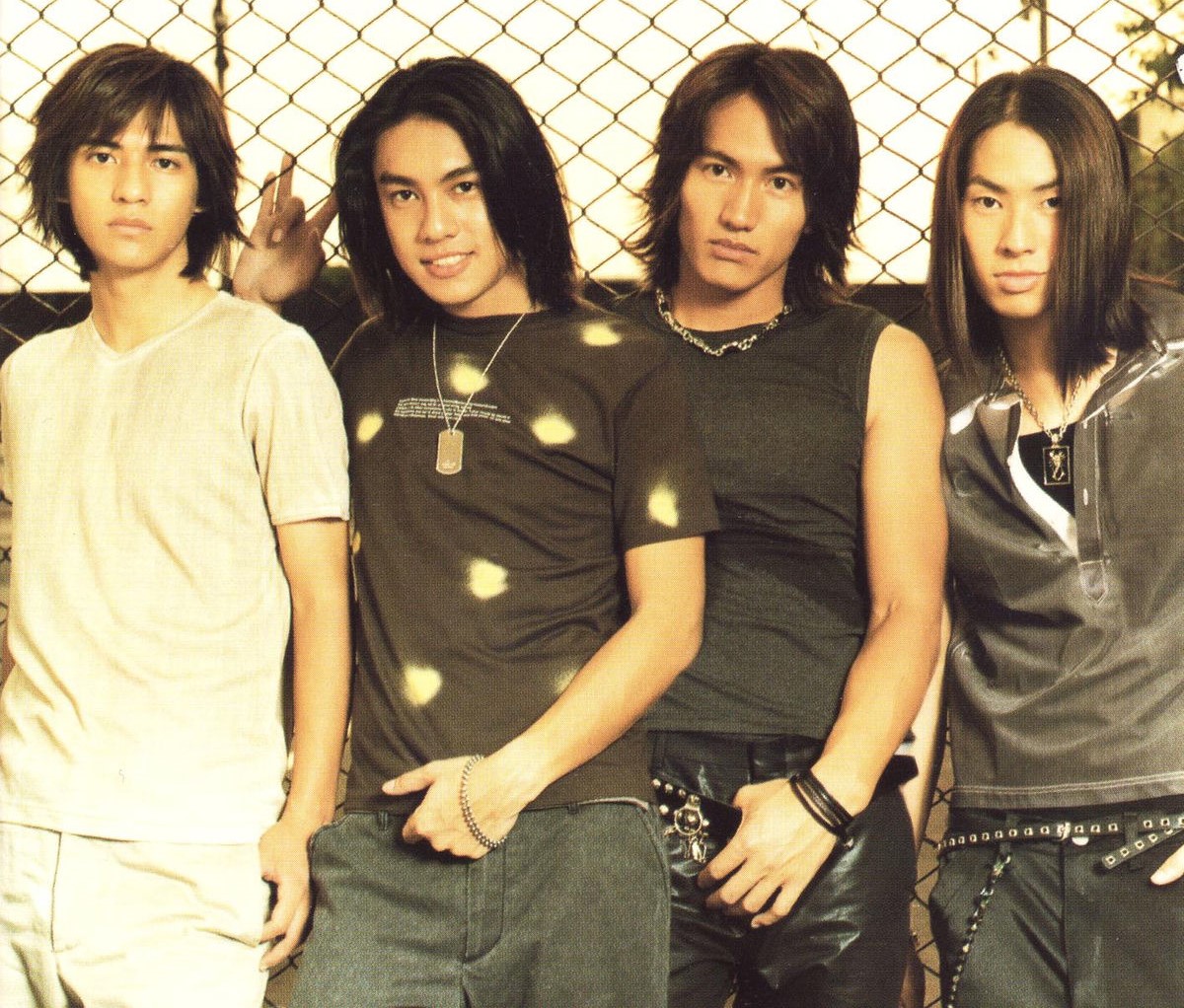

Recently, F4 was in the Philippines—or perhaps we should call them F3, since Ken Chu wasn’t able to join the reunion. Still, seeing Vic Zhou, Jerry Yan, and Vanness Wu together was enough to awaken a wave of nostalgia that swept across an entire generation. It felt like we were all transported back to 2003.
Twenty-three years. That number alone is hard to believe.
I couldn’t help but wonder: if Barbie Xu were still with us, would there have been a Meteor Garden world tour? Would she have stood on stage once again as Shan Cai, beside the boys who became a huge part of our childhood? I know one thing for sure—I would have been front row without a second thought.
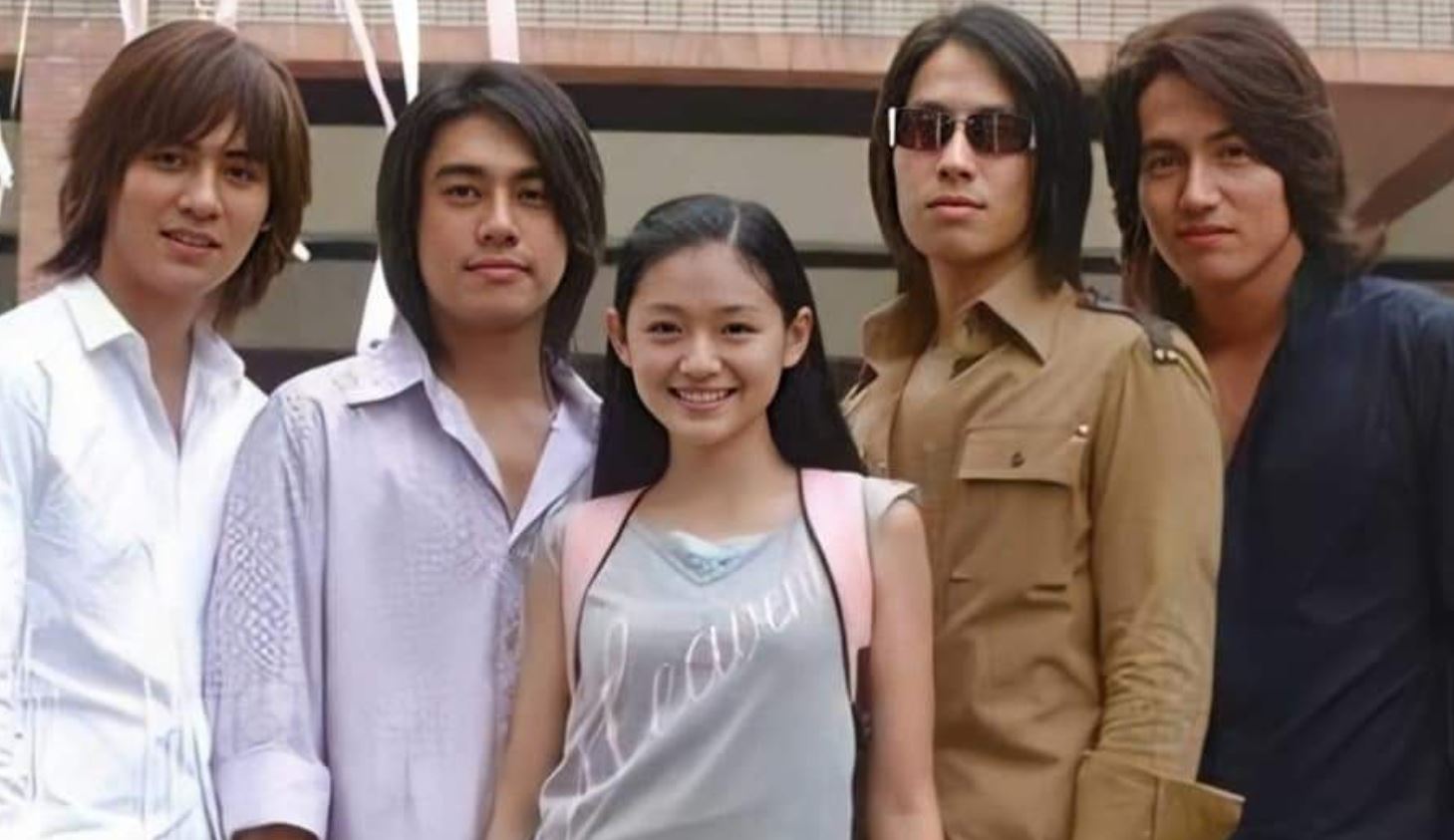
Back in 2003, Meteor Garden wasn’t just another television series. It was the beginning of the Taiwanese drama phenomenon in the Philippines. Almost everyone knew who F4 and Shan Cai were. Even those who never watched the series recognized the opening theme, “Qing Fei De Yi,” and the unforgettable ending song, “Ni Yao De Ai.” Even today, I can still sing both songs from beginning to end without missing a beat.
The F4 craze is one of those memories I’ll always treasure because I remember exactly where I was in life. I was an 11-year-old Grade 5 student who genuinely believed these four boys were the most handsome men in the world. Like many young girls, I dreamed impossible dreams. I remember wishing with all my heart that I could one day marry Hua Ze Lei—played by Vic Zhou. Even back then, I already knew I’d always be rooting for the second lead.
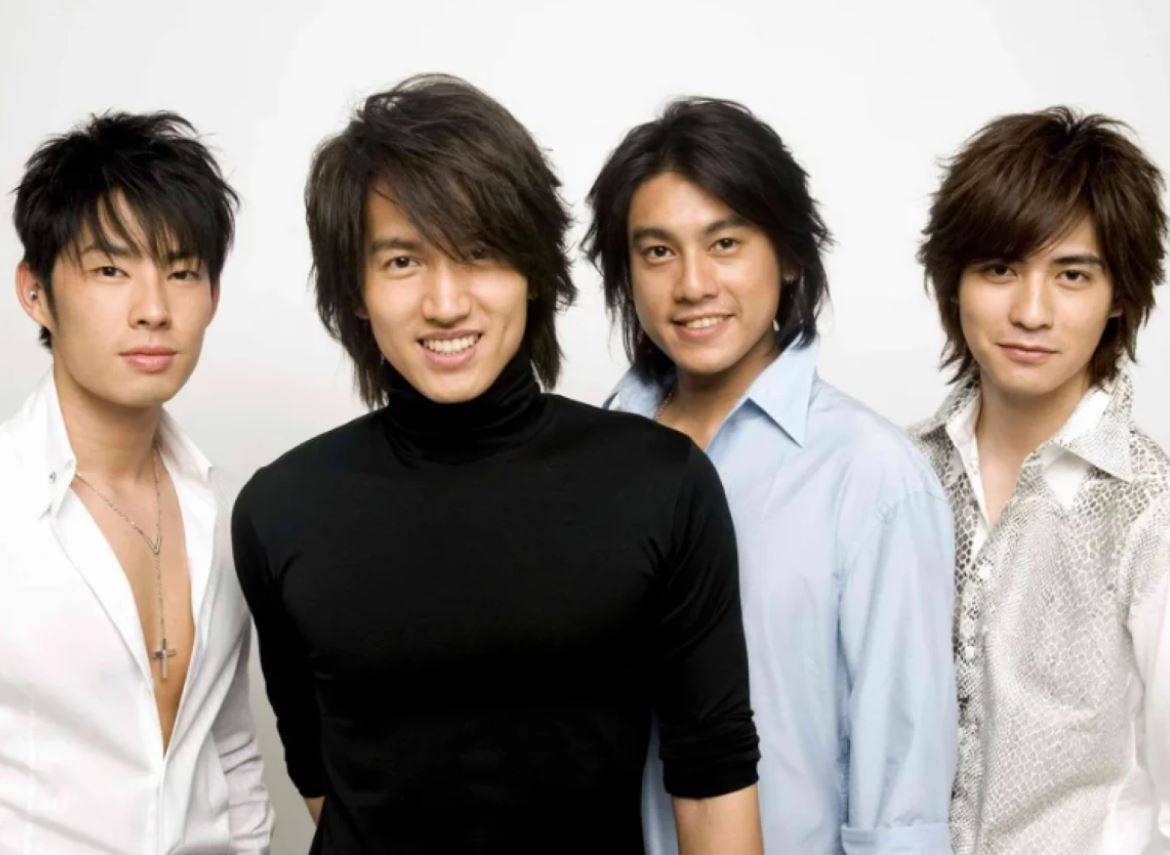
Looking back, F4 was everywhere. Their songs echoed from every CD player. Their faces covered VCDs, cassette tapes, magazines, Song Hits, posters, school supplies, and just about every merchandise imaginable. I still remember proudly carrying an F4 notebook to school. It wasn’t just a notebook—it was a badge of honor.
It was such a wonderful time to be a fan.
Whether you were a fangirl or a fanboy, Meteor Garden became part of your daily routine. I never had the chance to attend their fan meetings back then, but that didn’t make me any less of a fan. My heart belonged to Meteor Garden.
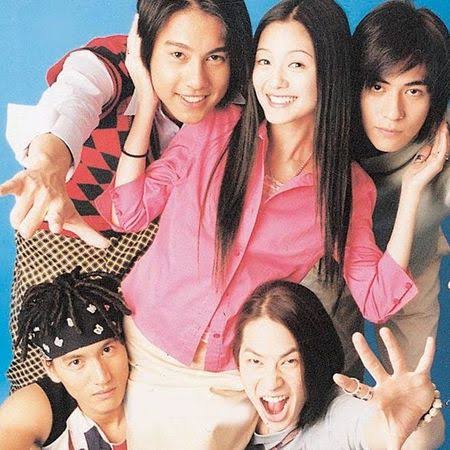
Streaming didn’t exist yet. There was no “Next Episode” button. We waited patiently every single day for the next chapter of Shan Cai and Dao Ming Si’s story. We laughed, cried, got frustrated, and celebrated every twist. The enemies-to-lovers romance, the rich-boy-meets-poor-girl trope, Dao Ming Si’s overbearing mother, and his fake fiancée—those were the biggest problems our younger selves worried about.
Life was much simpler then. Watching fancams from their recent concert brought all those memories rushing back. It reminded me of a time when life wasn’t weighed down by responsibilities, deadlines, bills, or uncertainty. The biggest thing we looked forward to was tomorrow’s episode. The biggest heartbreak was whether Dao Ming Si and Shan Cai would finally end up together. But time has a way of changing everything.
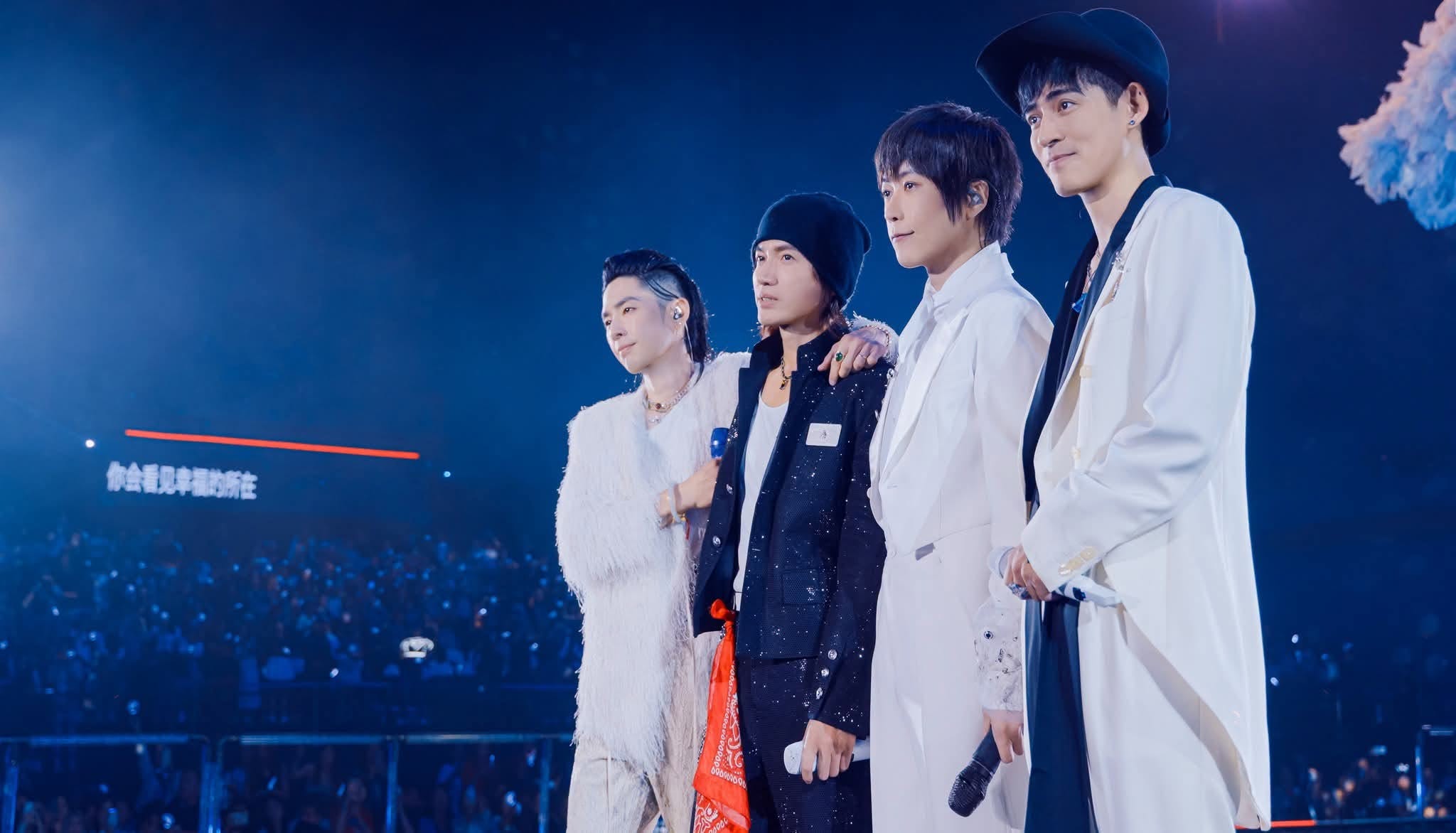
Today, their reunion means so much more than seeing three familiar faces on one stage. It reminds us that we’ll never get to know what happened after Shan Cai and Dao Ming Si’s happily-ever-after. It reminds us that we’ll never see F4 complete again. Barbie Xu’s passing left a space that no reunion could ever truly fill.
And perhaps that’s what makes this reunion so emotional. It’s no longer just about F4. It’s about us.
It’s about the children who rushed home after school just to catch Meteor Garden. It’s about the teenagers who filled their rooms with posters and memorized every song. It’s about the adults we’ve become—people with careers, responsibilities, and worries we never imagined we’d have back then.
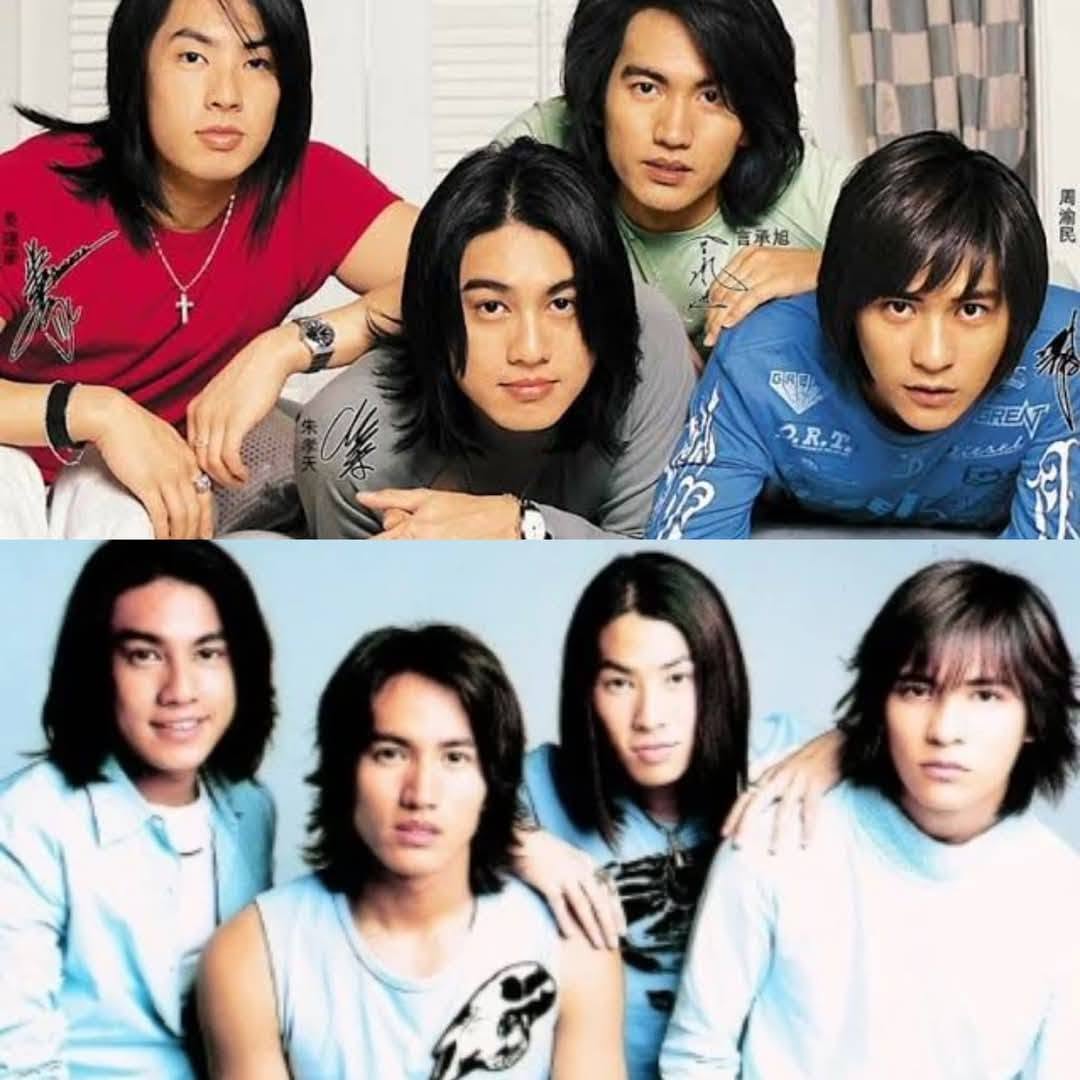
Seeing them together reminds us that while time moves forward, some memories never fade. They simply wait for the right song, the right face, or the right moment to take us home again.
Maybe that’s why this reunion feels so special. Because for a few precious hours, we weren’t adults trying to survive life.
We were 11 years old again, hopelessly believing in first love, cheering for Dao Ming Si and Shan Cai, secretly rooting for Hua Ze Lei, and discovering that sometimes, the stories that shape our childhood never really leave us.
They simply grow up with us.