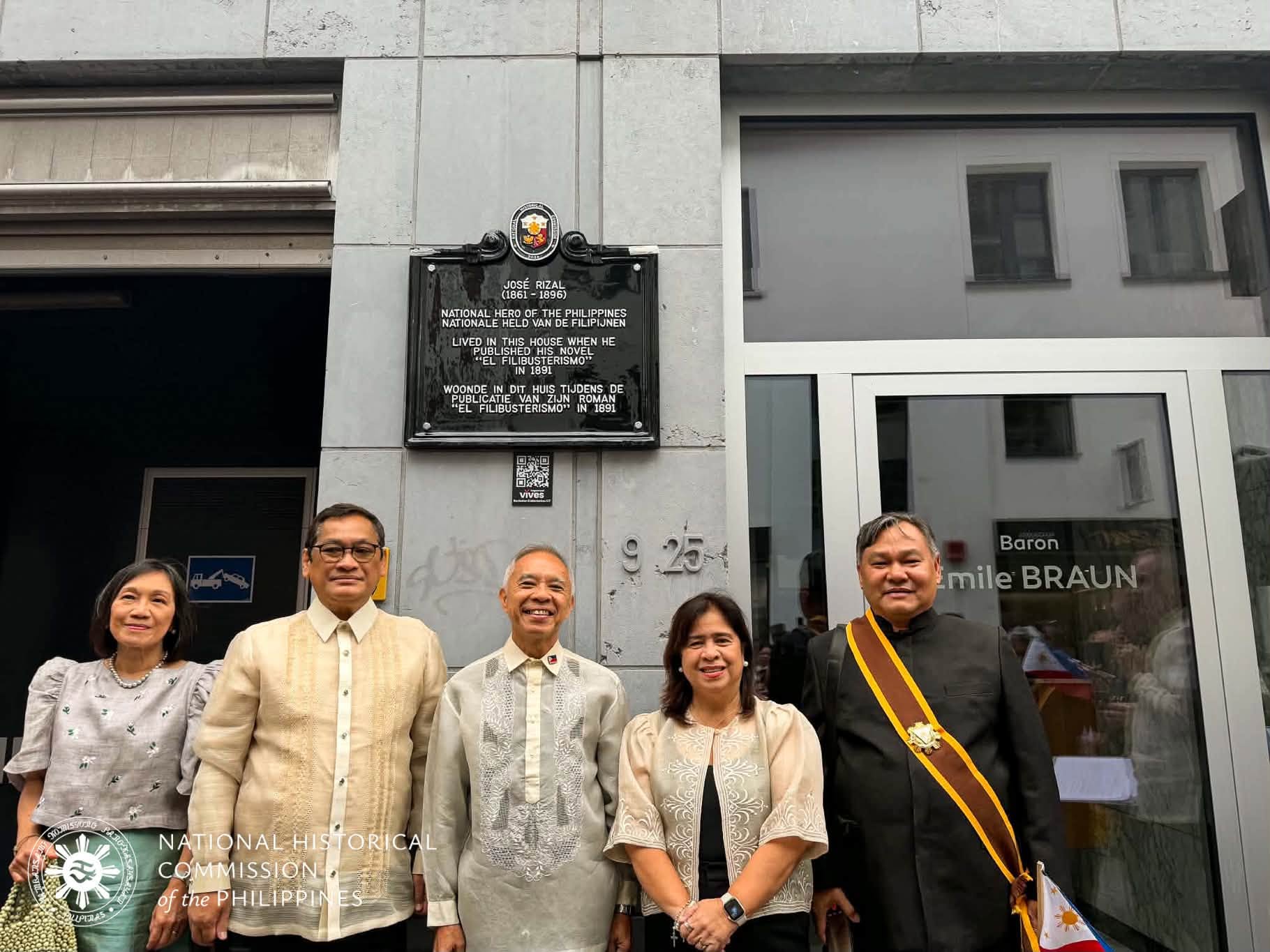

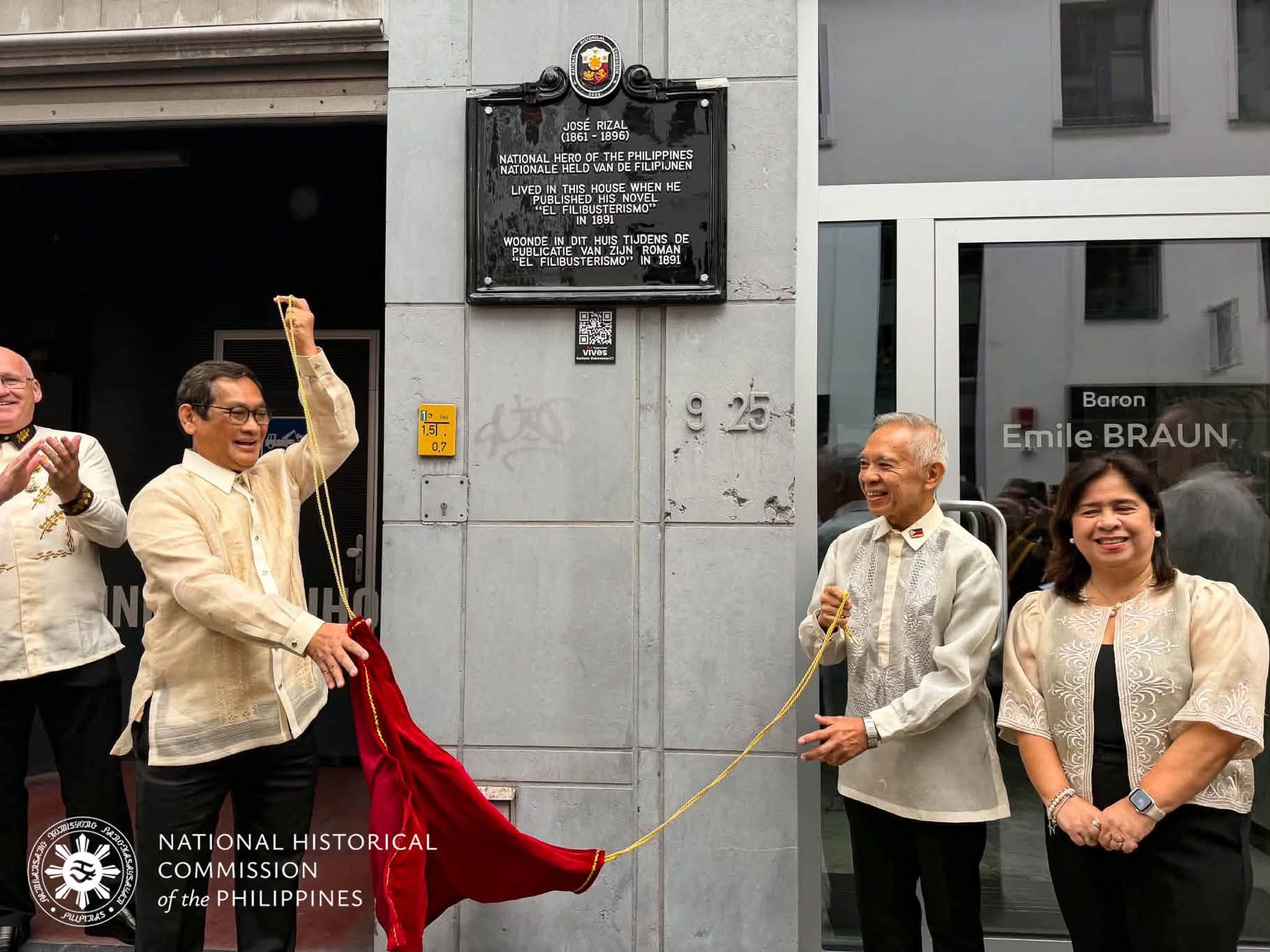
GHENT, BELGIUM — The National Historical Commission of the Philippines (NHCP) and the Philippine Embassy in the Kingdom of Belgium unveiled a historical marker honoring national hero Jose Rizal at Lange Kruissaraat 25 in Ghent, Belgium, on Saturday, September 19, 2026.
The marker commemorates the site where Rizal lived while completing and publishing El Filibusterismo, his second novel and a continuation of Noli Me Tangere. The unveiling was led by NHCP Chair Regalado Trota Jose Jr. and Philippine Ambassador to the Kingdom of Belgium H.E. Jaime Victor B. Ledda before members of the Filipino community in Belgium, Knights of Rizal, and local guests.
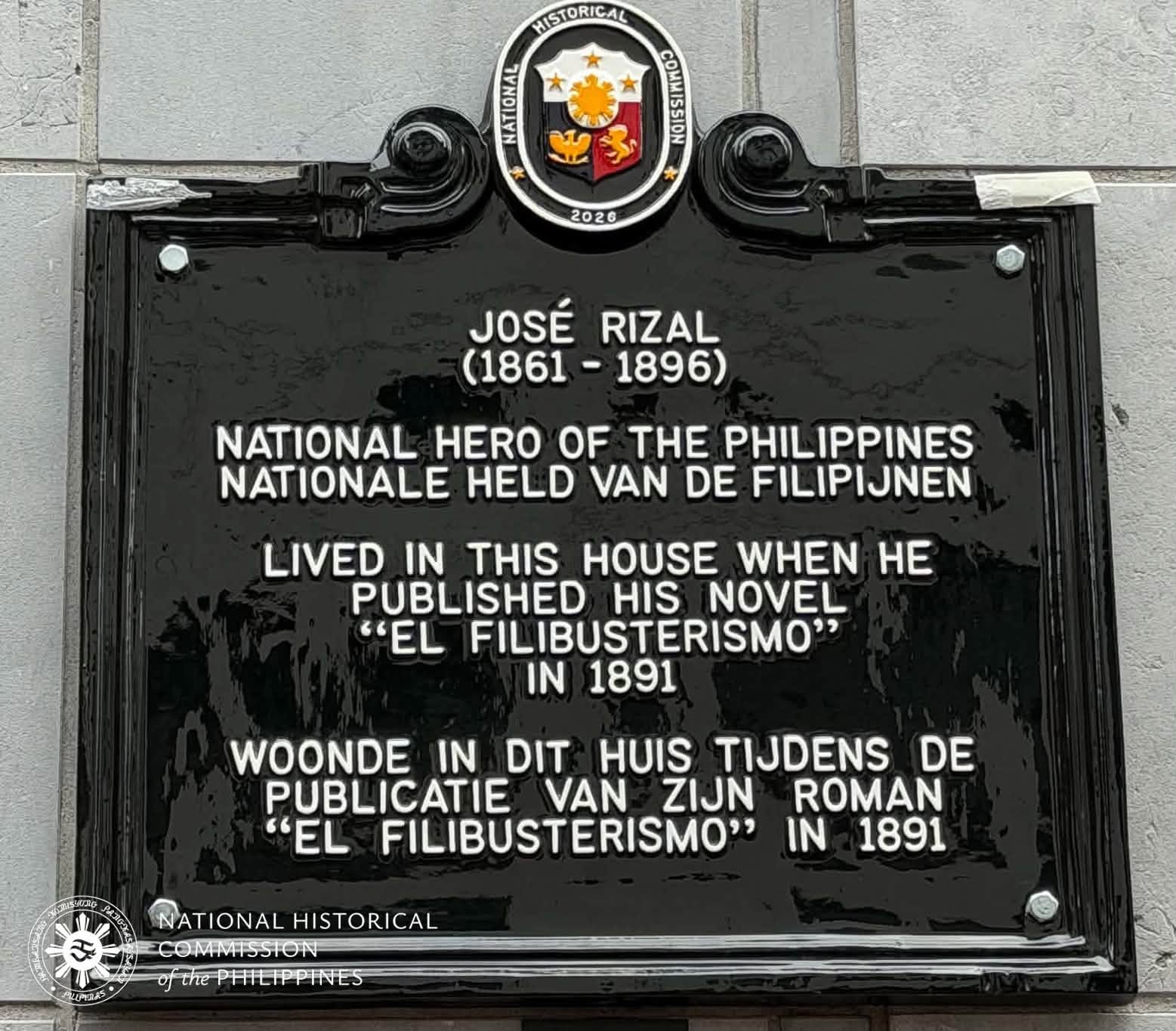
The marker carries the distinction of commemorating the house where Rizal lived during the publication of El Filibusterismo in 1891.
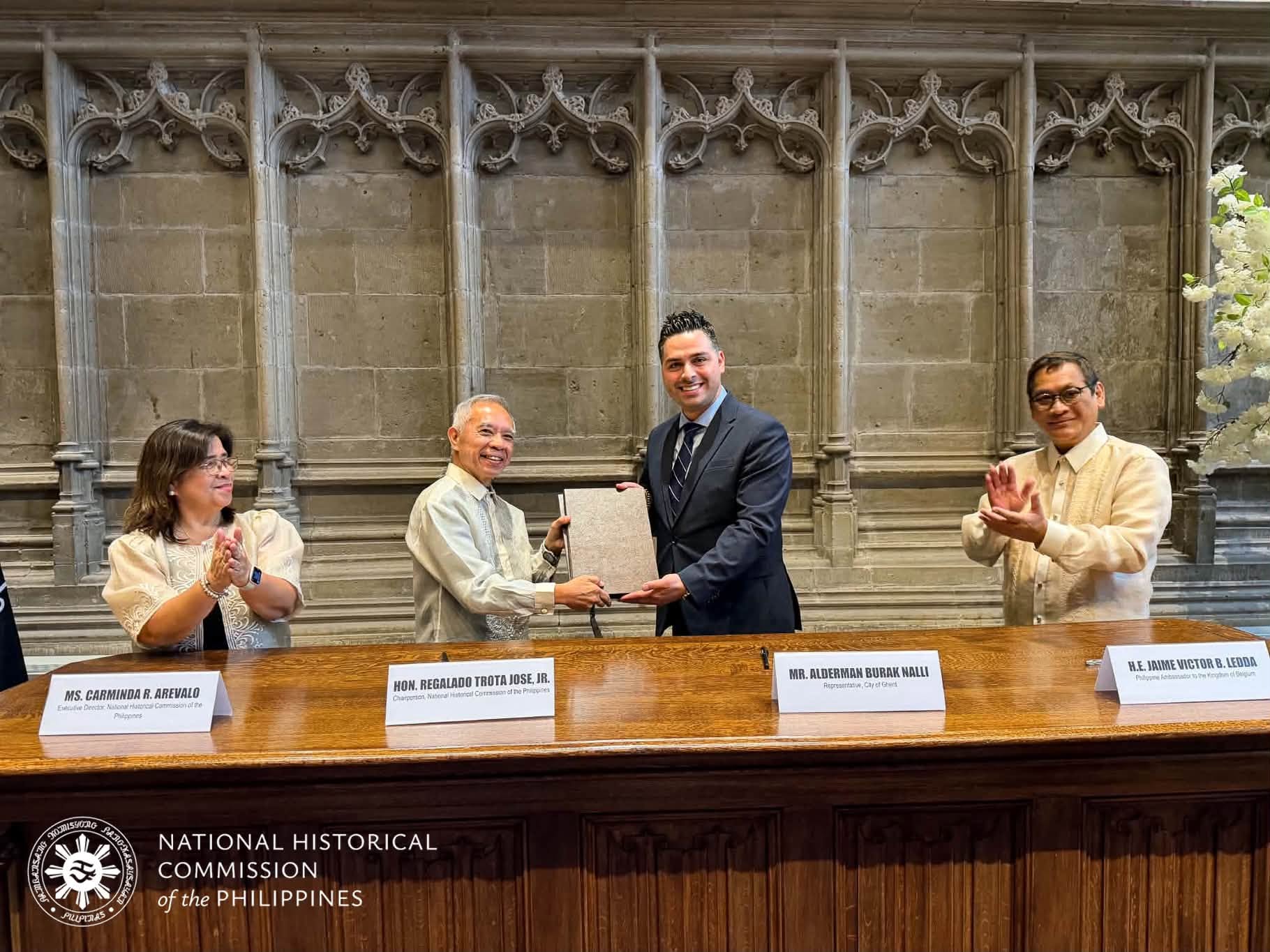
Following the unveiling, the turn-over ceremony was held at Ghent City Hall, where Honorary Consul General Ronny De Blaere, Ambassador Ledda, Chair Jose, former NHCP Chairman and current Knights of Rizal Supreme Commander Emmanuel F. Calairo, and Ghent Alderman Burak Nalli delivered messages.
As part of the ceremony, the NHCP turned over replica copies of Rizal’s Noli Me Tangere and El Filibusterismo to the City of Ghent and the Philippine Embassy in the Kingdom of Belgium. Members of the Filipino community also presented cultural performances during the program.
Rizal moved from Brussels to Ghent in the middle of 1891 to complete El Filibusterismo. During his stay, he lived with fellow Filipino expatriate students Jose Alejandrino and Edilberto Evangelista, who were studying engineering at the University of Ghent. Both would later become leaders and generals of the Philippine Revolution.
After months of working to complete the novel, Rizal saw El Filibusterismo published in September 1891. He dedicated the book to the memory of the three Filipino priests Mariano Gomes, Jose Burgos, and Jacinto Zamora, collectively remembered as the Gomburza martyrs.
The novel, together with Noli Me Tangere, became an important literary work in the growing Filipino movement against Spanish colonial abuses in the Philippines.
The unveiling adds another historical marker to the sites associated with Rizal’s life and work in Europe, highlighting Ghent’s place in the history of the publication of El Filibusterismo. The NHCP, the national government agency tasked with promoting Philippine history and preserving historical heritage, continues to mark significant sites connected to the country’s past.