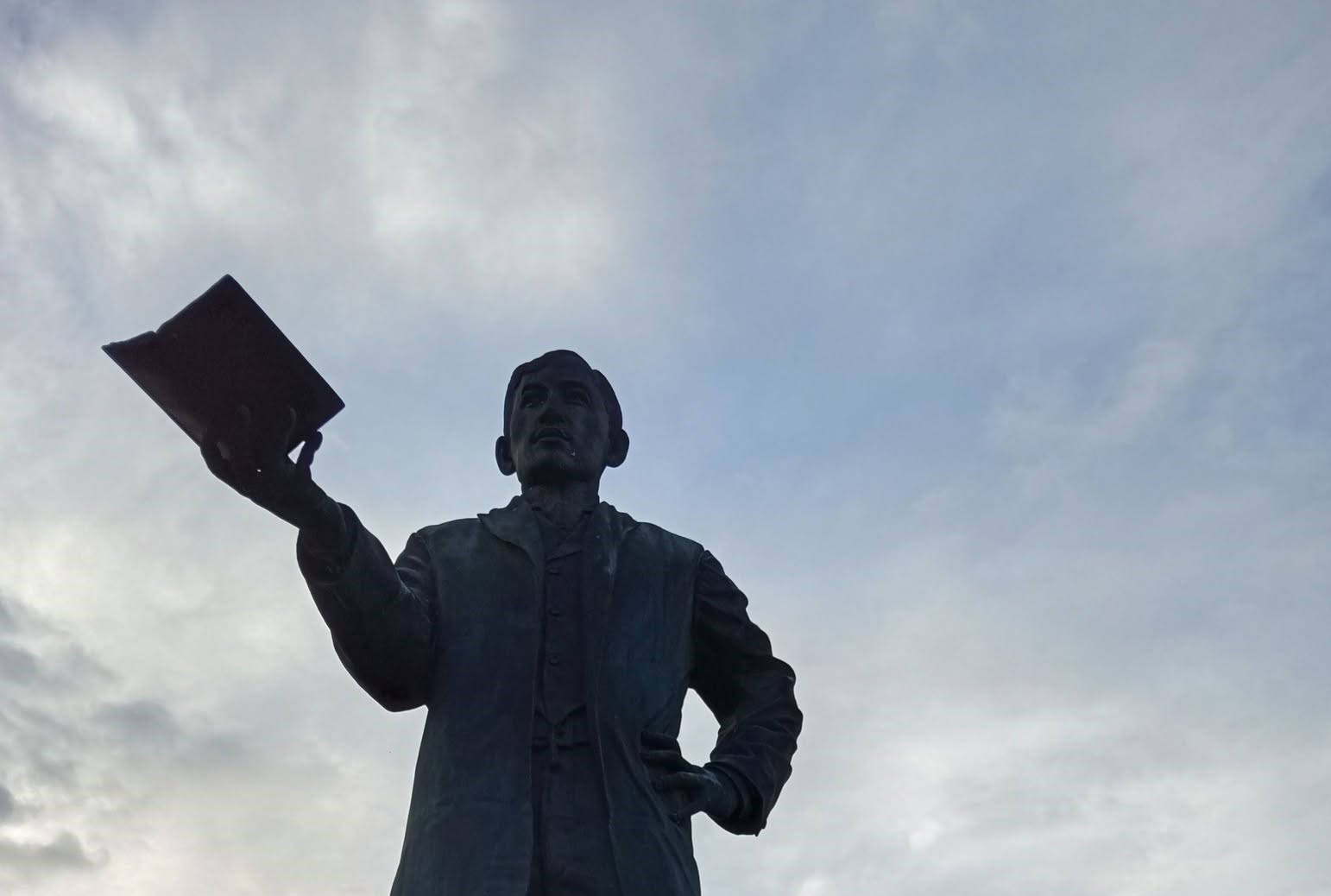

This may be a very late birthday tribute, but perhaps it raises a more important question: Do we really know who Dr. Jose Rizal is in our generation? Is he still part of our daily lives? And after all these years, why does he continue to be our National Hero?
Most people around me know how much I admire Dr. Jose Rizal. My fascination began during my first year in college when one of my course subject was his life and writings. While many considered it just another required subject, for me, it became the beginning of a lifelong appreciation for Philippine history, especially the era in which Rizal lived.
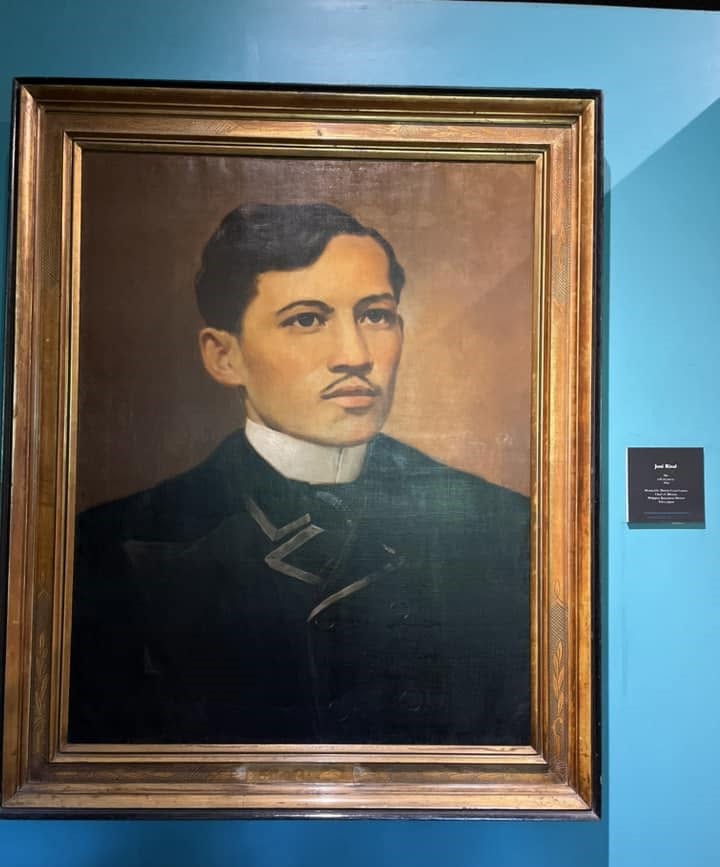
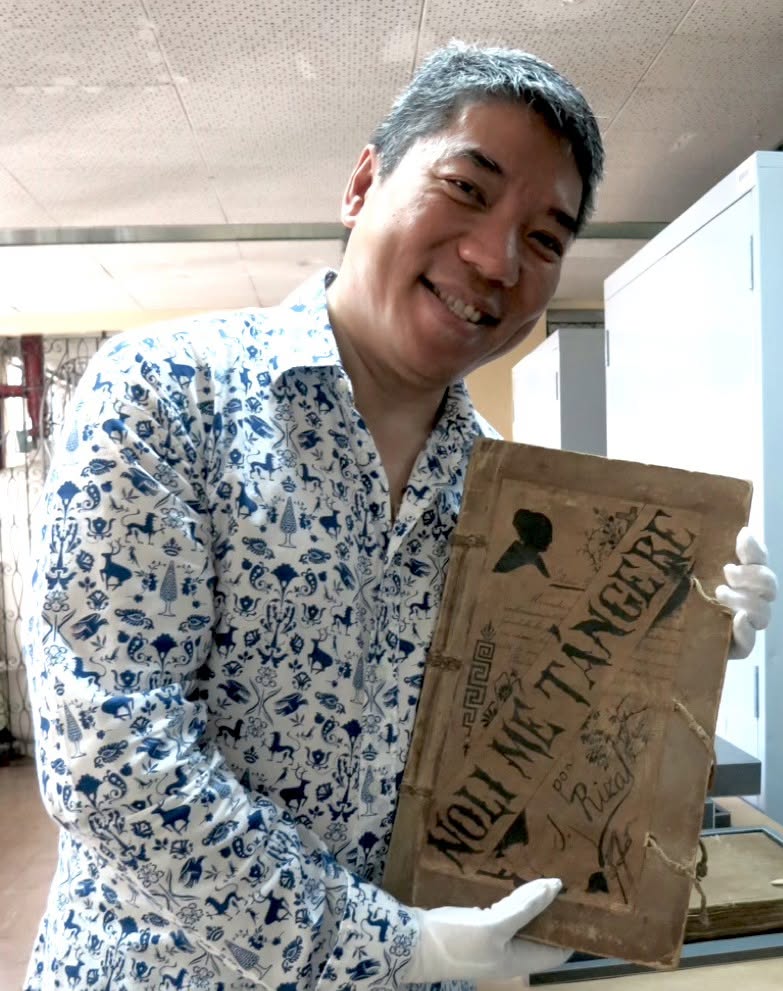
I had already encountered his novels, Noli Me Tangere and El Filibusterismo, back in high school. At the time, I admired the stories, but it wasn’t until college that I truly understood the man behind the pages. I was amazed by how brilliant, eloquent, and ahead of his time he was. The more I learned about him, the more I realized that his life was far more inspiring than the lessons we memorized in school.
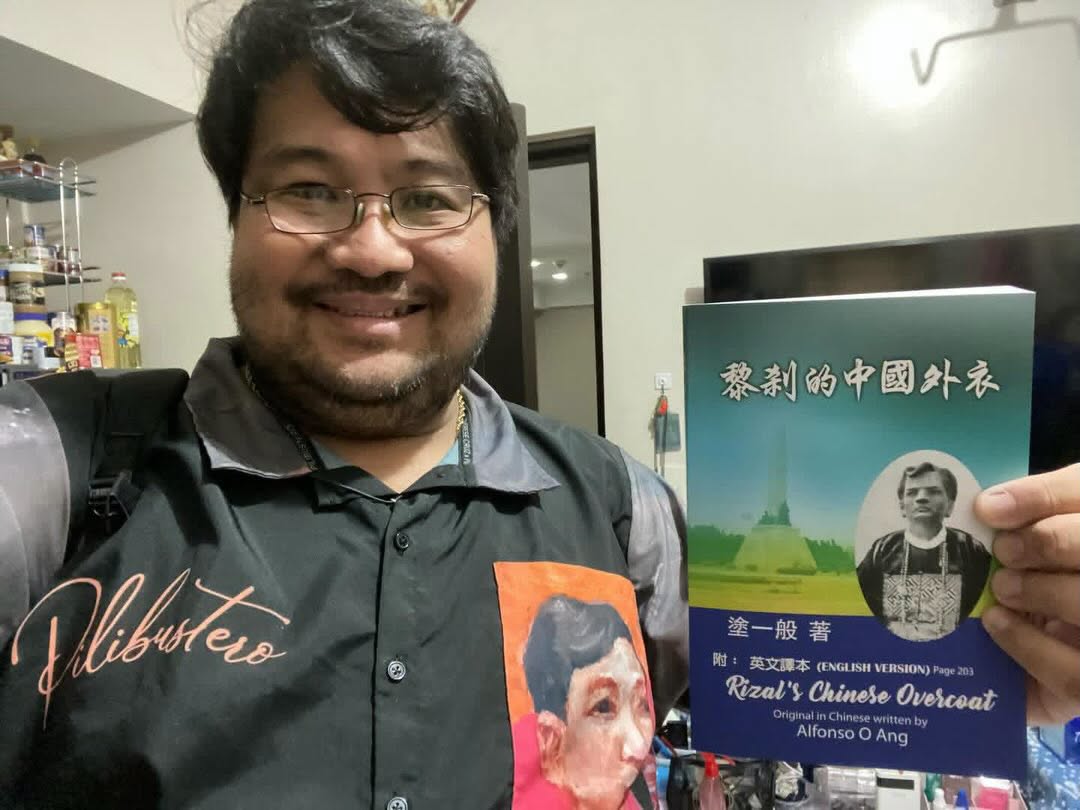
In 2019, my curiosity grew even deeper. I started watching documentaries about Rizal’s life and discovered the works of Ambeth Ocampo and Xiao Chua, whose passion for Philippine history made me appreciate Rizal from different perspectives. Since then, I’ve enjoyed visiting museums and historical sites, with Intramuros becoming my favorite destination. One of my personal goals is to visit Rizal’s childhood home in Biñan and the historic town of Dapitan, where he spent the final chapter of his life.
The more you learn about Rizal, the more you realize that his story is like an open book—one that invites discussion, debate, and even criticism. Some people question whether he truly deserved to become the Philippines’ National Hero. Others focus on his flaws and imperfections. And that’s exactly the point.
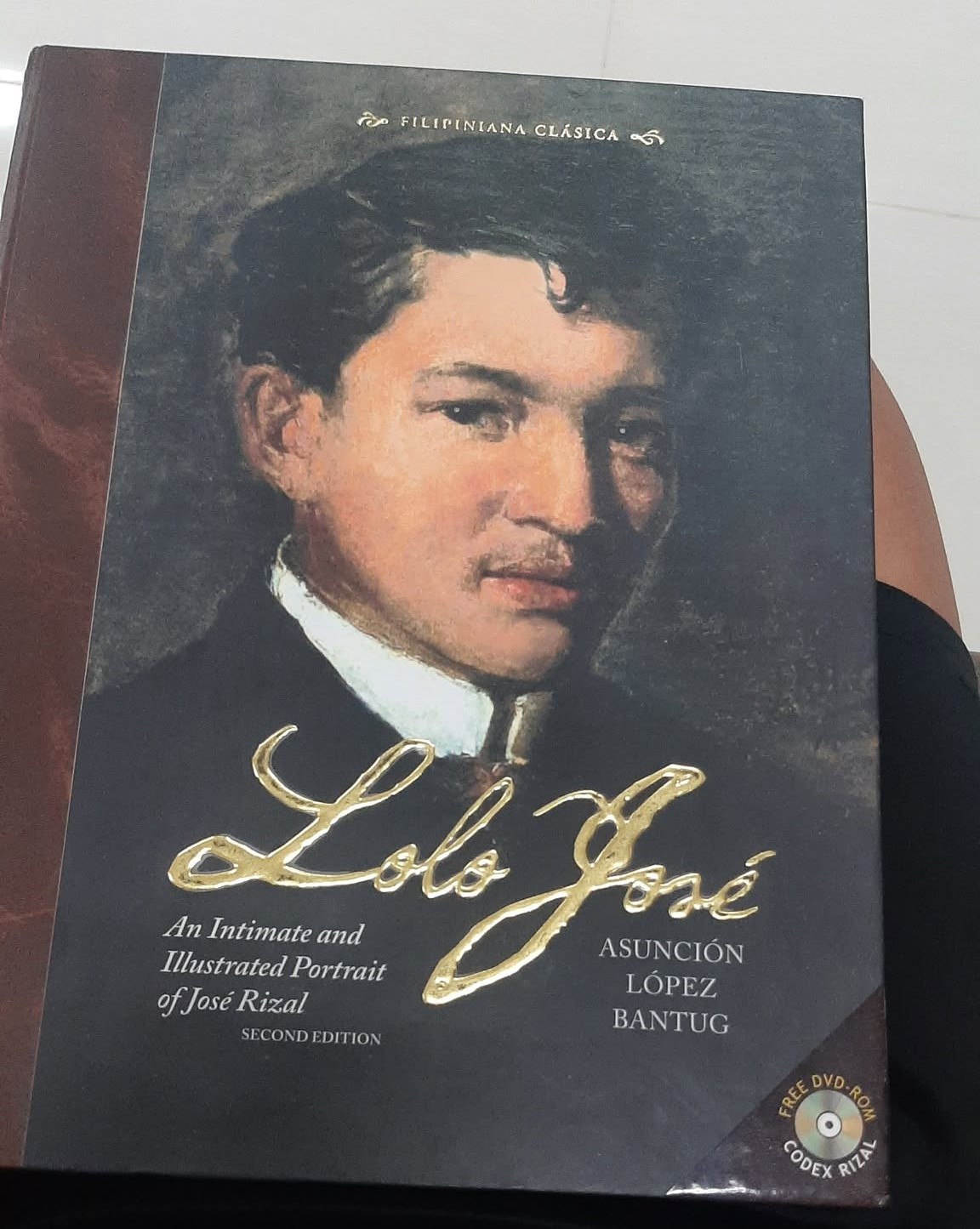
Rizal was never perfect.
He made mistakes. He had complicated relationships. He held opinions that people still debate today. But heroes are not remembered because they lived flawless lives. They are remembered because of the sacrifices they made and the impact they left on generations that followed.
Whether we notice it or not, Rizal is present in our everyday lives. His face appears on our money. His name can be found on streets, schools, parks, hospitals, monuments, books, government documents, and countless tourist destinations across the country. His legacy has become so familiar that we often forget to ask why it remains everywhere.
Perhaps it is because his story continues to represent what it means to be Filipino.
More than 130 years after his death, Rizal’s influence reaches far beyond the pages of history books or classroom discussions. He may never have fought with a rifle on the battlefield, but his greatest weapon was his pen. Through his writings, he awakened the national consciousness of Filipinos and inspired a people to dream of freedom, dignity, and nationhood.
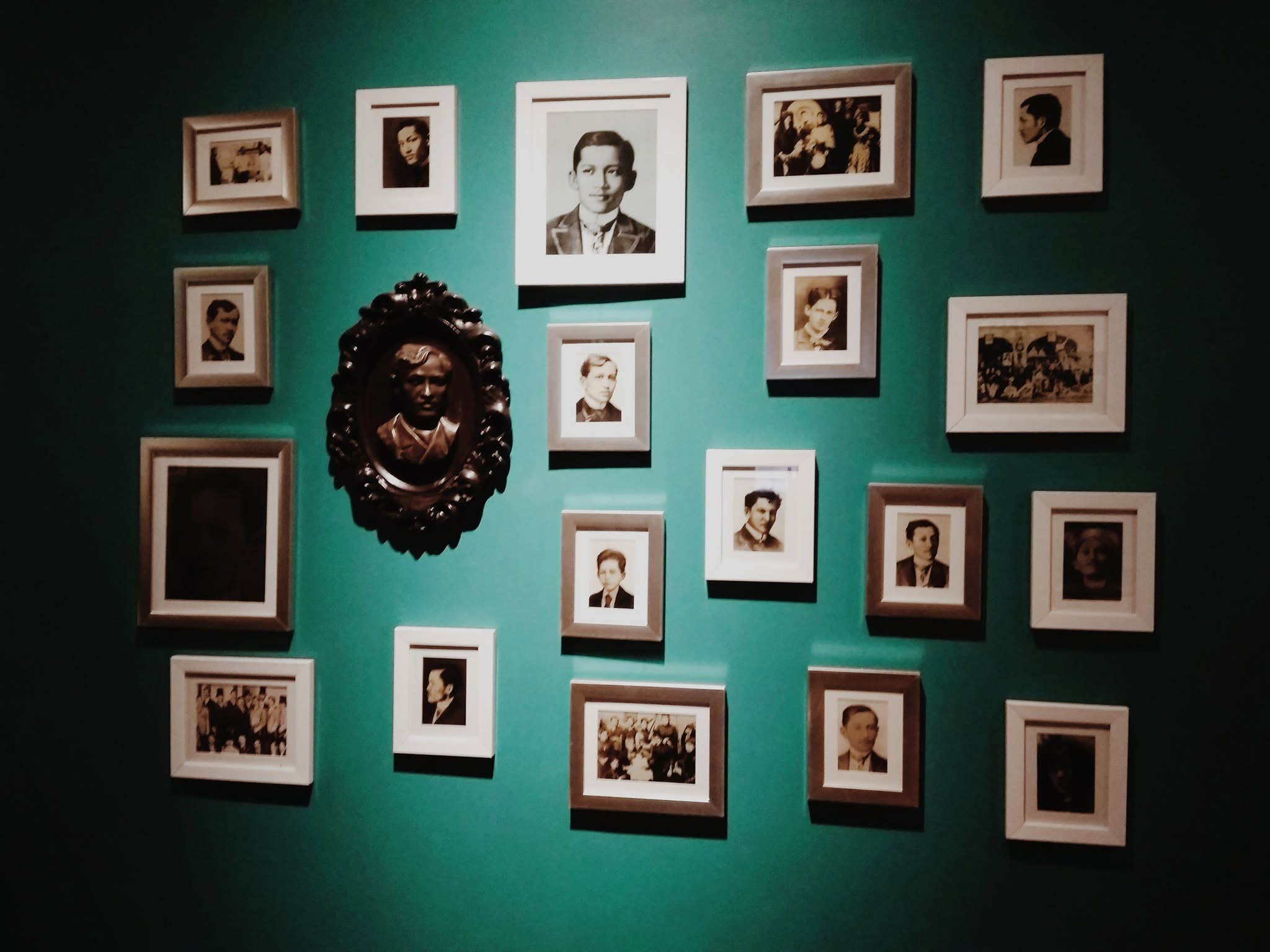
Although he spent years studying abroad, his heart never left the Philippines. Every achievement he earned, every book he wrote, and every reform he advocated ultimately pointed back to his homeland. Despite the many women who became part of his life, it was his love for his motherland that defined his greatest sacrifice.
When the time came, Rizal did not beg for sympathy or desperately fight to save himself. He faced death with courage and dignity, believing that his life was only one small part of a much greater cause.
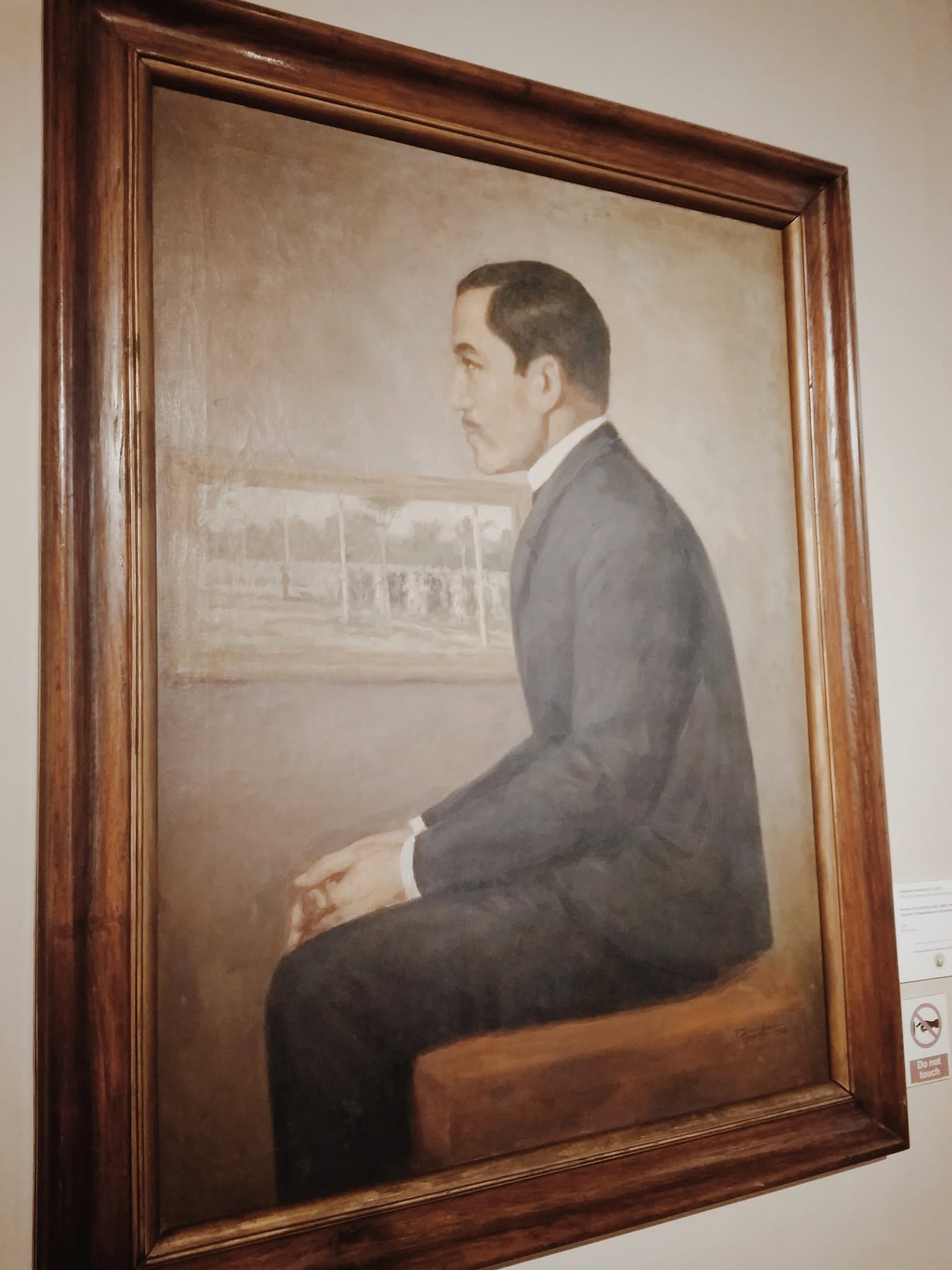
Perhaps he never imagined that his execution would not be the end of his story. Instead, it became the beginning of his legacy.
More than a century later, generations of Filipinos continue to remember his name—not simply because he became a chapter in our textbooks, but because he became part of our national identity. His life reminds us that patriotism is not measured only through war, but also through courage, conviction, knowledge, and an unwavering love for one’s country.
Maybe that is why Jose Rizal will always be our National Hero. Not because he was perfect.
But because he chose to dedicate his imperfect life to a nation that continues to remember him.