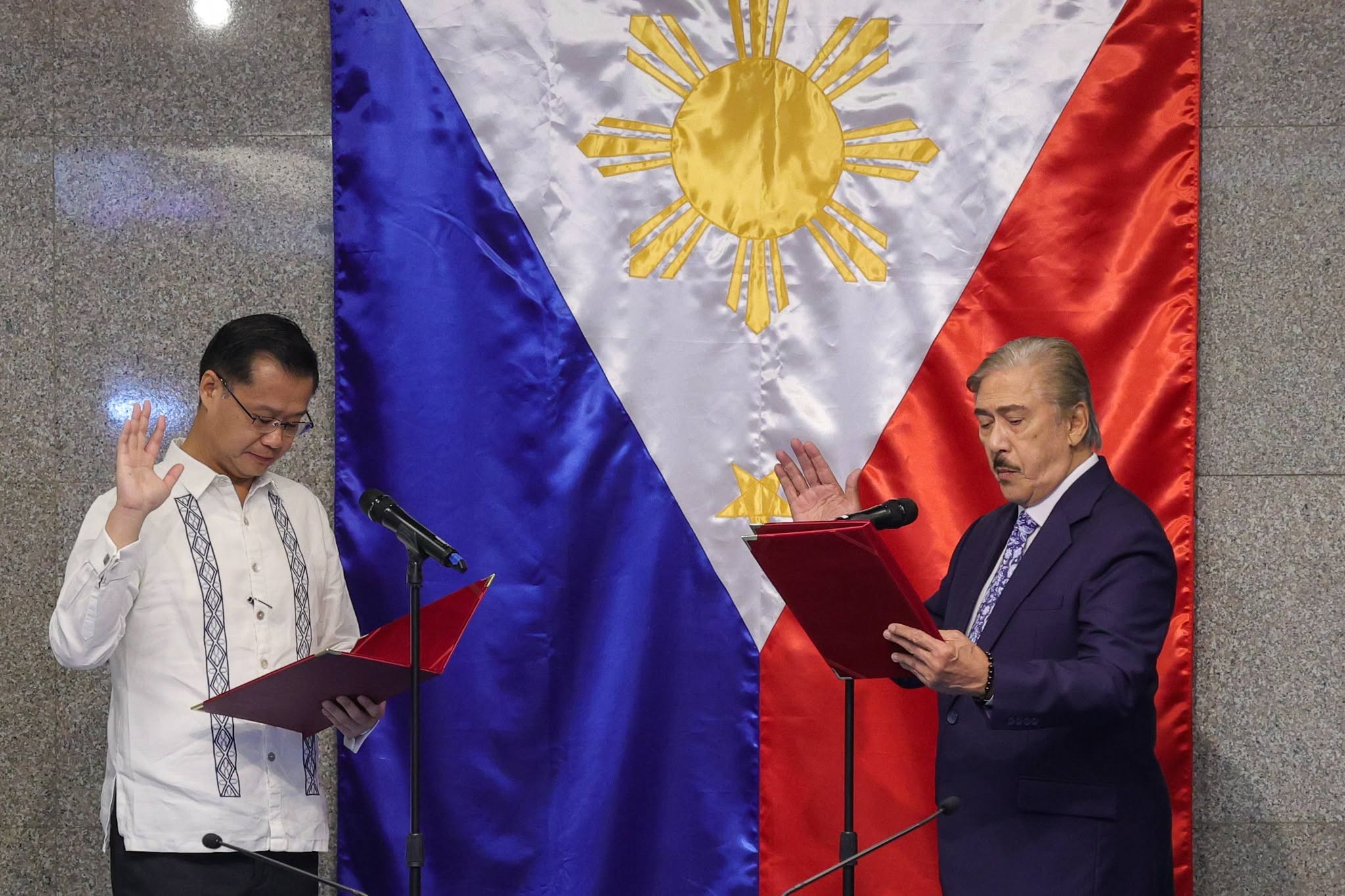
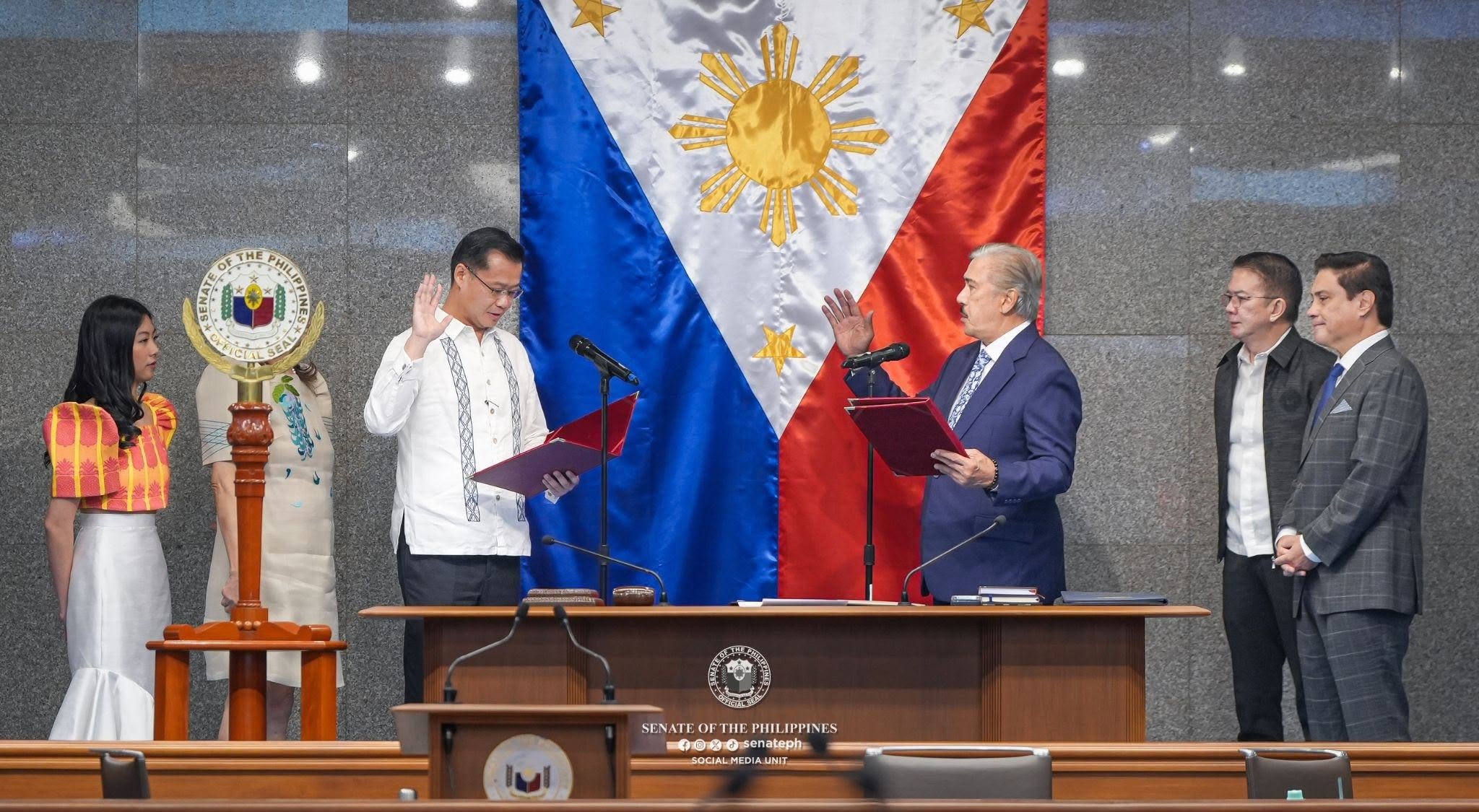
MANILA, Philippines — Senator Sherwin Gatchalian was formally elected as Senate President on Wednesday, replacing Alan Peter Cayetano following weeks of political turmoil in the upper chamber.
Gatchalian secured the support of all 13 senators present during a special Senate session convened to tackle pending legislative measures and address the leadership dispute that had paralyzed the chamber. The election formalized the leadership shift that began earlier this month when senators from the newly formed majority bloc declared key Senate positions vacant and installed Gatchalian as acting Senate president.
The leadership change comes just weeks before the Senate is scheduled to convene as an impeachment court for the trial of Vice President Sara Duterte, whose case is set to proceed in July. Observers have closely watched developments in the Senate amid concerns over how the chamber’s leadership could affect the impeachment proceedings.
Cayetano, who was elected Senate president only last month, and several of his allies were absent during Wednesday’s session. His camp had previously questioned the legality of the actions taken by the new majority bloc, insisting that he remained the legitimate leader of the Senate.
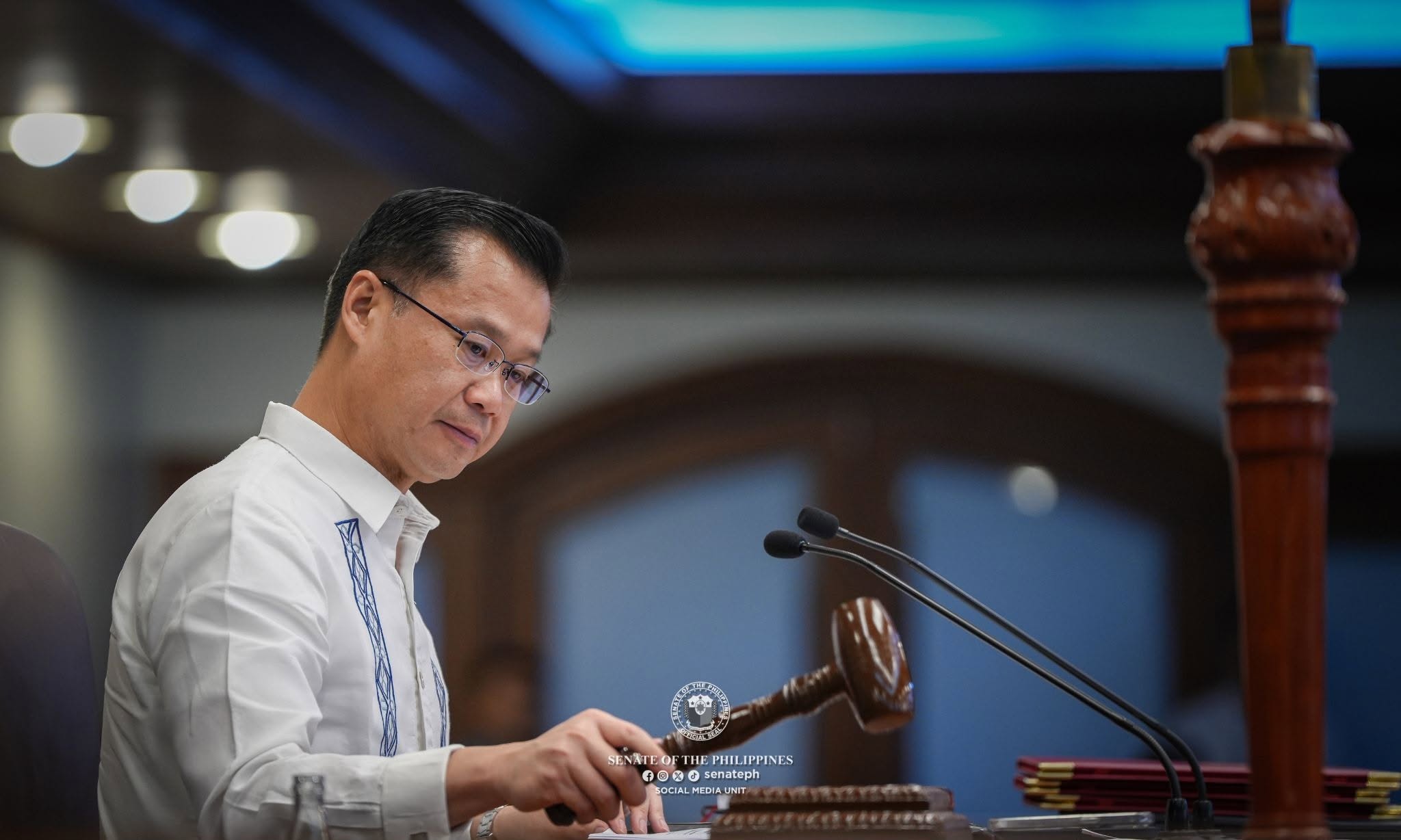
The dispute traces its roots to a contentious leadership battle that unfolded in May and early June, resulting in repeated failures to convene Senate sessions. The impasse was eventually broken after enough senators attended a plenary session to establish a quorum, paving the way for the reorganization of the chamber and Gatchalian’s rise to the top post.
President Ferdinand Marcos Jr. had earlier urged senators to resume their legislative duties, emphasizing the need to pass priority measures before Congress adjourns. Malacañang subsequently recognized the new majority and expressed support for Gatchalian’s leadership.
With Gatchalian now officially at the helm, attention is expected to shift toward the Senate’s legislative agenda and the upcoming impeachment trial, a proceeding that could have significant political implications ahead of the 2028 presidential elections.