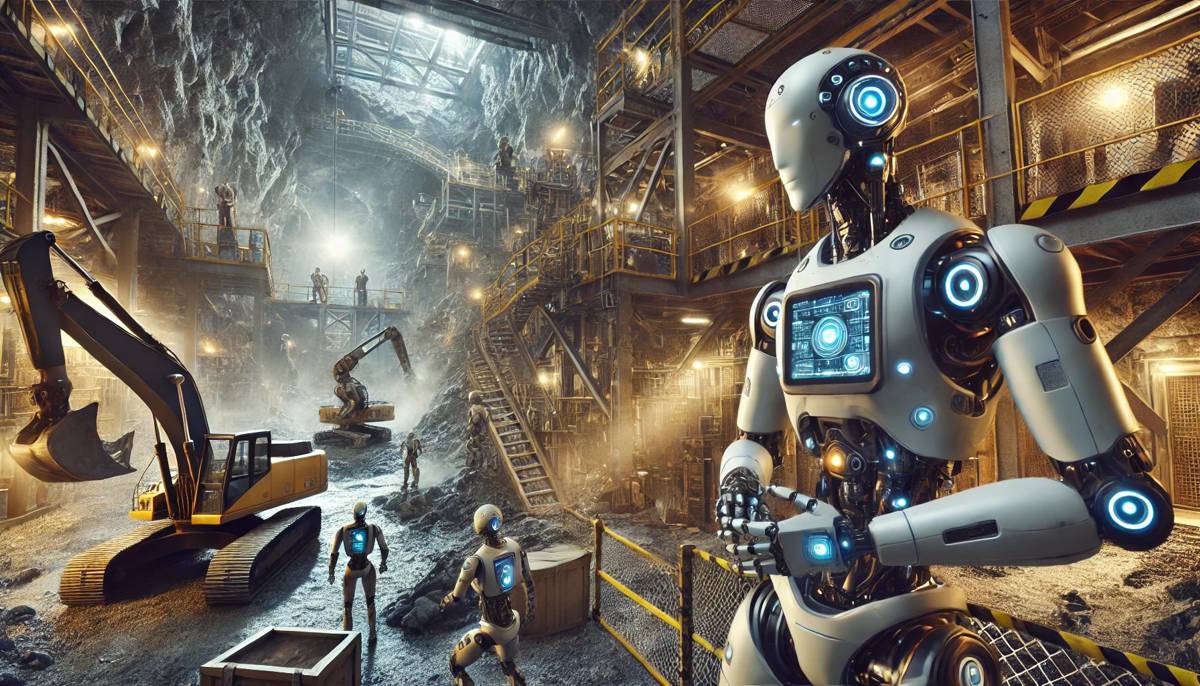

The construction industry is currently undergoing a significant transformation as robotics technology begins to address long-standing hurdles in productivity and precision. For decades, the sector has grappled with stagnant growth and labor shortages, but the introduction of automated systems is providing a path toward a more streamlined and reliable building process. By integrating robotics into traditional workflows, developers are finding ways to eliminate the human error and physical limitations that often lead to costly project delays.

One of the most immediate impacts of robotics is seen in the acceleration of repetitive and labor-intensive tasks. Autonomous machines now handle bricklaying, rebar tying, and concrete finishing with a level of speed and consistency that manual labor simply cannot match. Unlike human crews, these robots can operate continuously without fatigue, ensuring that the foundational elements of a structure are completed well ahead of schedule. This shift not only maximizes output but also allows human workers to focus on more complex, high-level problem-solving tasks that require specialized craftsmanship.
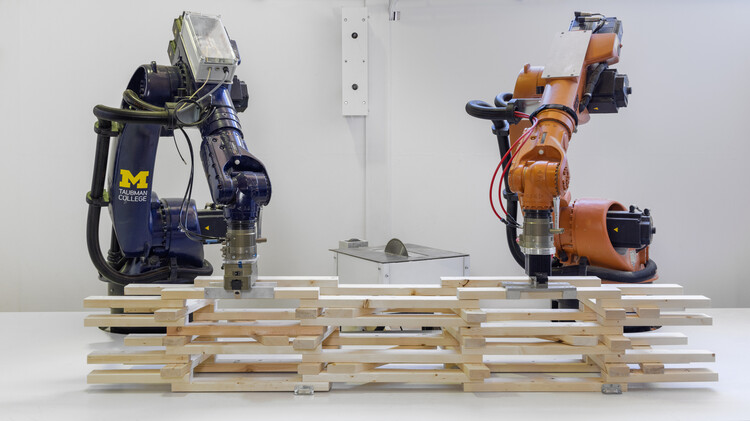
Beyond speed, robotics offers an unprecedented level of accuracy that significantly reduces material waste. Advanced 3D-printing robots and robotic arms follow digital blueprints with millimeter precision, ensuring that components are perfectly aligned from the start. This exactness prevents the “rework” phenomenon—the expensive process of fixing errors discovered late in the construction phase. By getting it right the first time, companies can keep projects within budget and drastically lower their environmental footprint by utilizing only the exact amount of resources required.
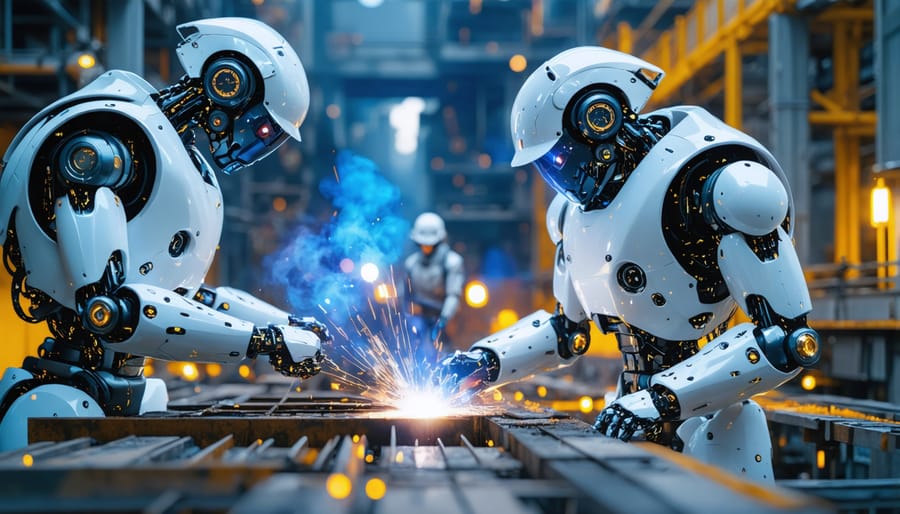
Safety and site monitoring have also seen massive improvements through the use of robotic drones and autonomous ground vehicles. These machines can traverse hazardous environments to conduct site inspections or perform laser scans, identifying potential structural issues or safety risks before they escalate. By removing personnel from high-risk scenarios and providing project managers with real-time, data-driven insights, robotics is creating a safer, more predictable environment that ultimately solves the deep-seated inefficiencies of the modern construction site.
With additional report: www.manilatimes.net