
MANILA, PHILIPPINES — The Department of Social Welfare and Development (DSWD) has called on the Movie and Television Review and Classification Board (MTRCB) and the production team of Pinoy Big Brother: Celebrity Collab Edition 3.0 to strengthen their content guidelines following allegations that some housemates mocked persons with disabilities (PWDs).
The controversy emerged after video clips circulated on social media showing housemates allegedly imitating speech patterns and mannerisms associated with persons with disabilities. The footage sparked criticism from viewers, particularly members of the PWD community, who described the behavior as insensitive and disrespectful.
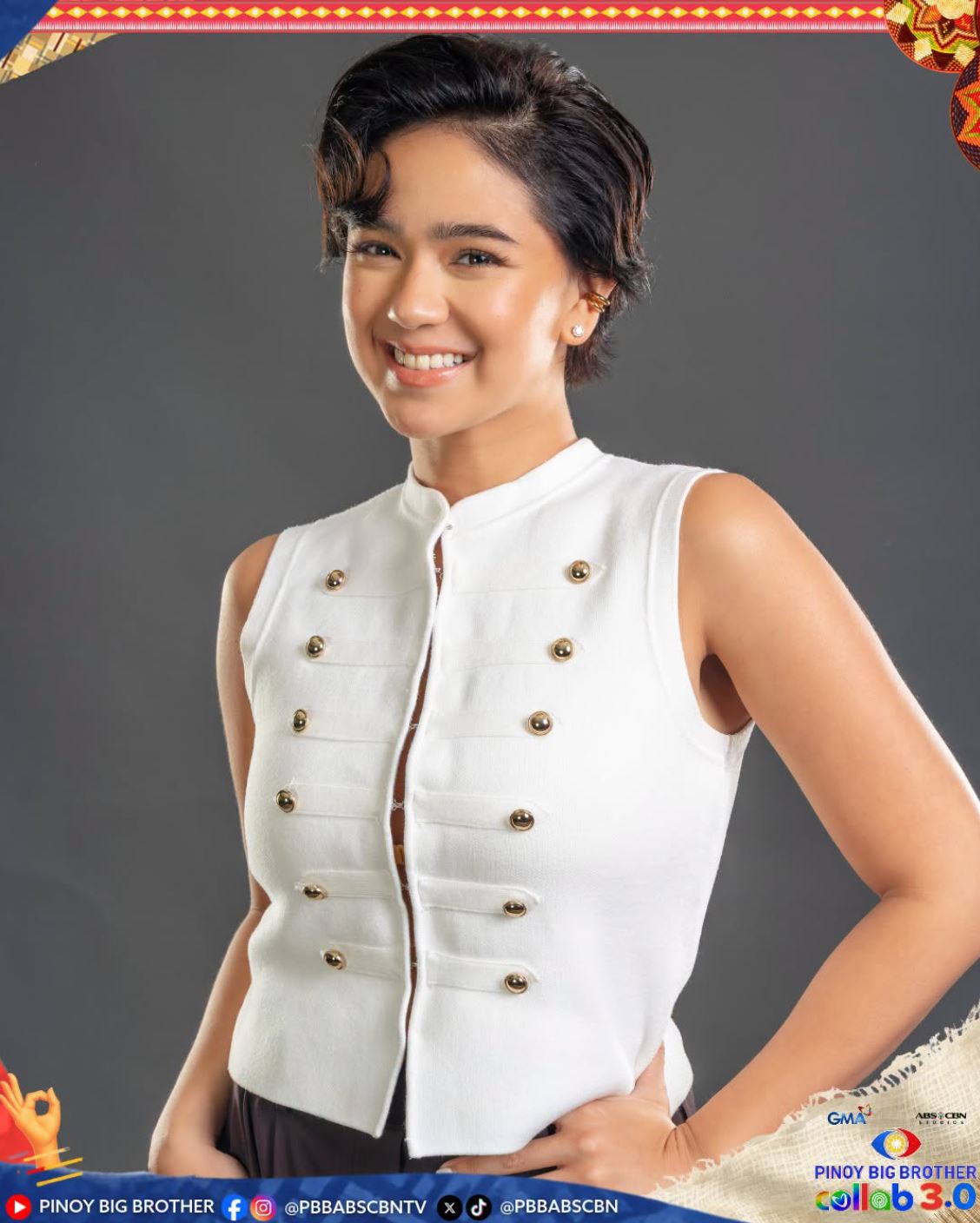

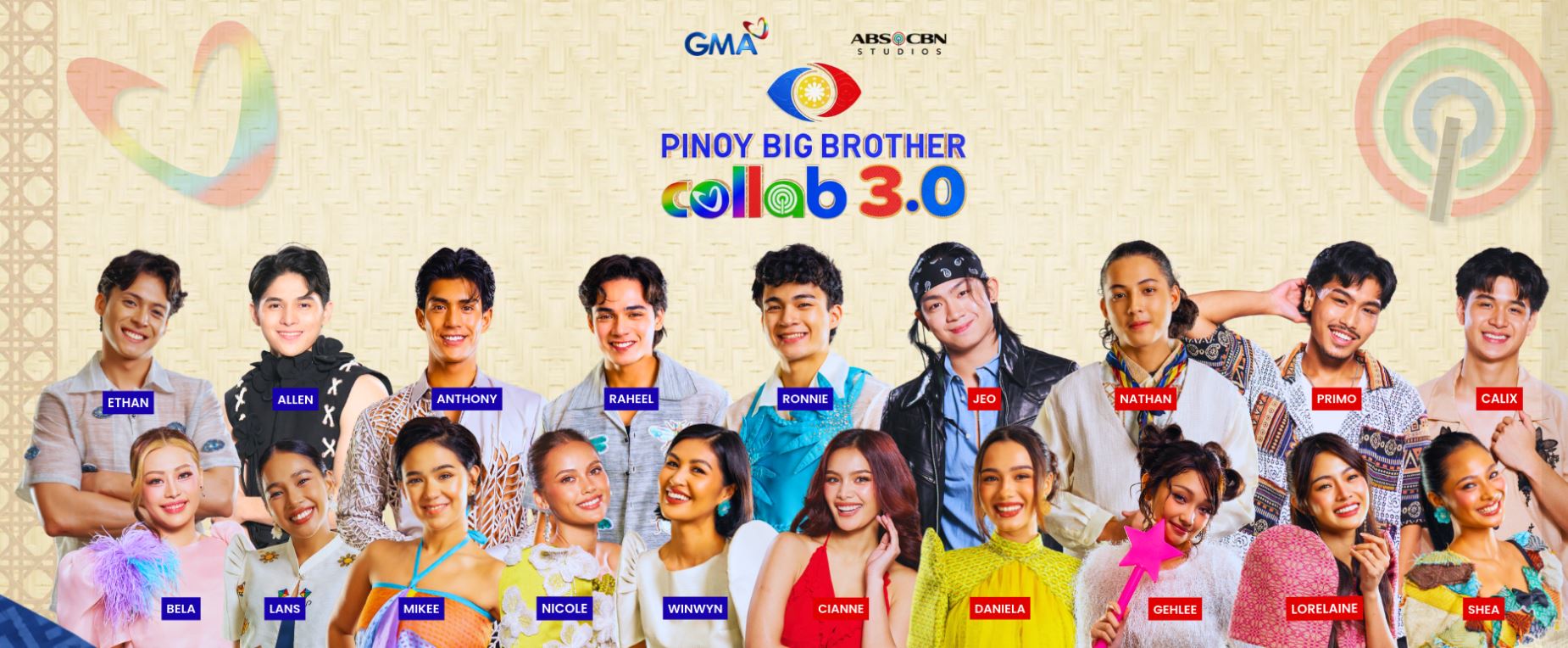
Among those criticized online were celebrity housemates Mikee Quintos and Cianne Dominguez. However, the National Council on Disability Affairs (NCDA) did not identify specific individuals in its official statement.
On November 20, the NCDA formally contacted the MTRCB and the show’s production management to advocate stronger disability-sensitive editorial standards across television and digital platforms.
DSWD spokesperson Assistant Secretary Irene Dumlao expressed the department’s support for the council, emphasizing that entertainment should never come at the expense of human dignity.
“The DSWD stands firmly with the NCDA in reminding everyone that entertainment never justifies the mockery or demeaning imitation of persons with disabilities,” Dumlao said in a statement on November 21.
She further stressed that television programs have a significant influence on public attitudes and should promote understanding and inclusivity rather than reinforce harmful stereotypes.
“Disability is never a punchline or a tool for audience engagement, and creative freedom must always go hand in hand with accountability and respect for human rights,” Dumlao added. Journal Online+1
The NCDA also reminded television networks and content creators of Republic Act No. 7277, or the Magna Carta for Persons with Disabilities, as amended by Republic Act No. 9442. The law prohibits public ridicule, discrimination, and degrading treatment of persons with disabilities, including offensive imitation of their conditions.
To prevent similar incidents, the council recommended stricter editorial screening of unscripted footage before television broadcasts or online publication. It also encouraged the production team to introduce activities that promote empathy, disability awareness, and respectful communication among housemates.
Additionally, the NCDA offered to conduct disability sensitivity orientations for the show’s production staff, writers, and talents. The council also proposed incorporating inclusive representation guidelines into industry initiatives led by the MTRCB.
Beyond the television industry, the DSWD encouraged the public to practice responsible social media engagement by avoiding the further circulation of potentially offensive videos and supporting content that promotes respect for persons with disabilities.
The controversy has renewed discussions about the responsibility of reality television programs to balance entertainment with social awareness, particularly when their content reaches millions of viewers.
As public scrutiny continues, the DSWD and NCDA have emphasized the importance of ensuring that Philippine television remains a platform for entertainment that respects diversity, protects human dignity, and promotes an inclusive society.