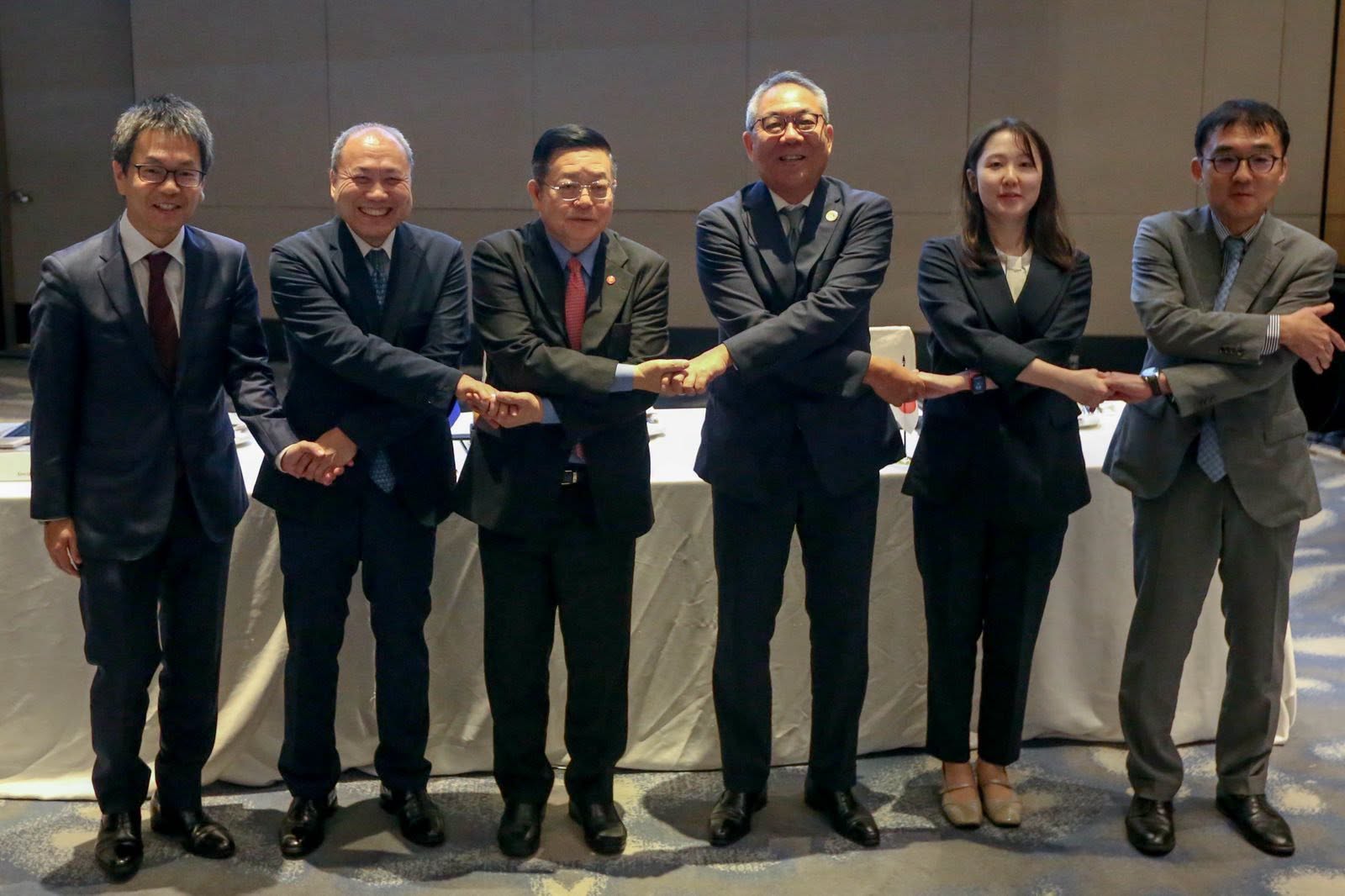

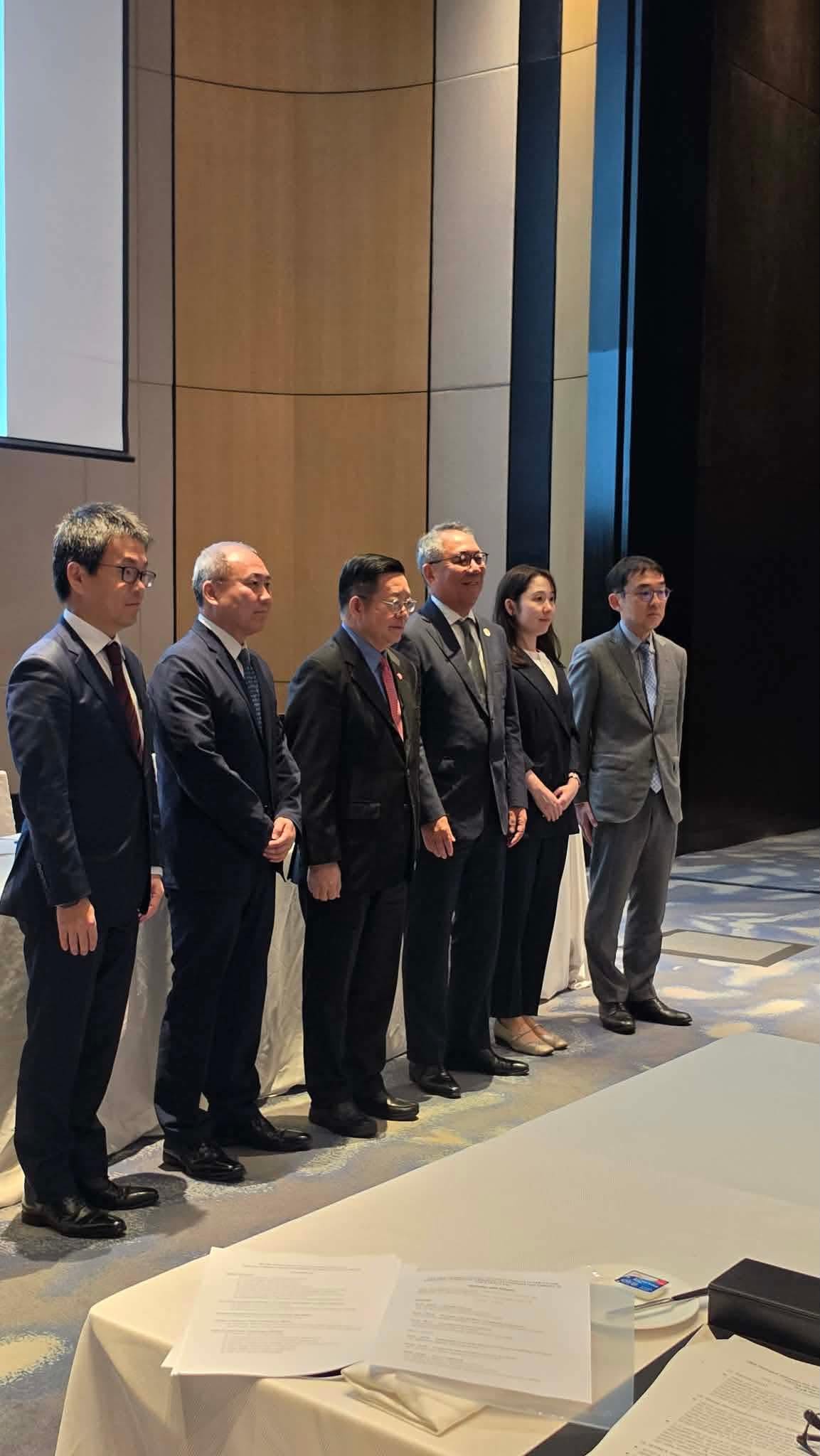
MANILA, Philippines — The Federation of Japanese Chambers of Commerce and Industry in ASEAN (FJCCIA) held its 18th annual dialogue with ASEAN Secretary-General Dr. Kao Kim Hourn in Manila on September 18, putting forward key recommendations to bolster regional trade and supply chain resilience amid global market shifts.
Hosted alongside the ASEAN Economic Ministers’ related meetings, this year’s discussions were led by the Japanese Chamber of Commerce and Industry of the Philippines (JCCIPI), which currently holds the FJCCIA chairmanship. The conference brought together Japanese business leaders, Ministry of Economy, Trade and Industry (METI) representatives, Economic Research Institute for ASEAN and East Asia (ERIA) President Tetsuya Watanabe, and Japan External Trade Organization (JETRO) President Susumu Kataoka.
Driving ‘ASEAN Community Vision 2045’
With ASEAN completing its Economic Community Blueprint 2025 and charting its strategic path for the next two decades through the ASEAN Community Vision 2045 (ACV 2045), the federation submitted actionable proposals designed to sharpen the region’s global competitiveness.
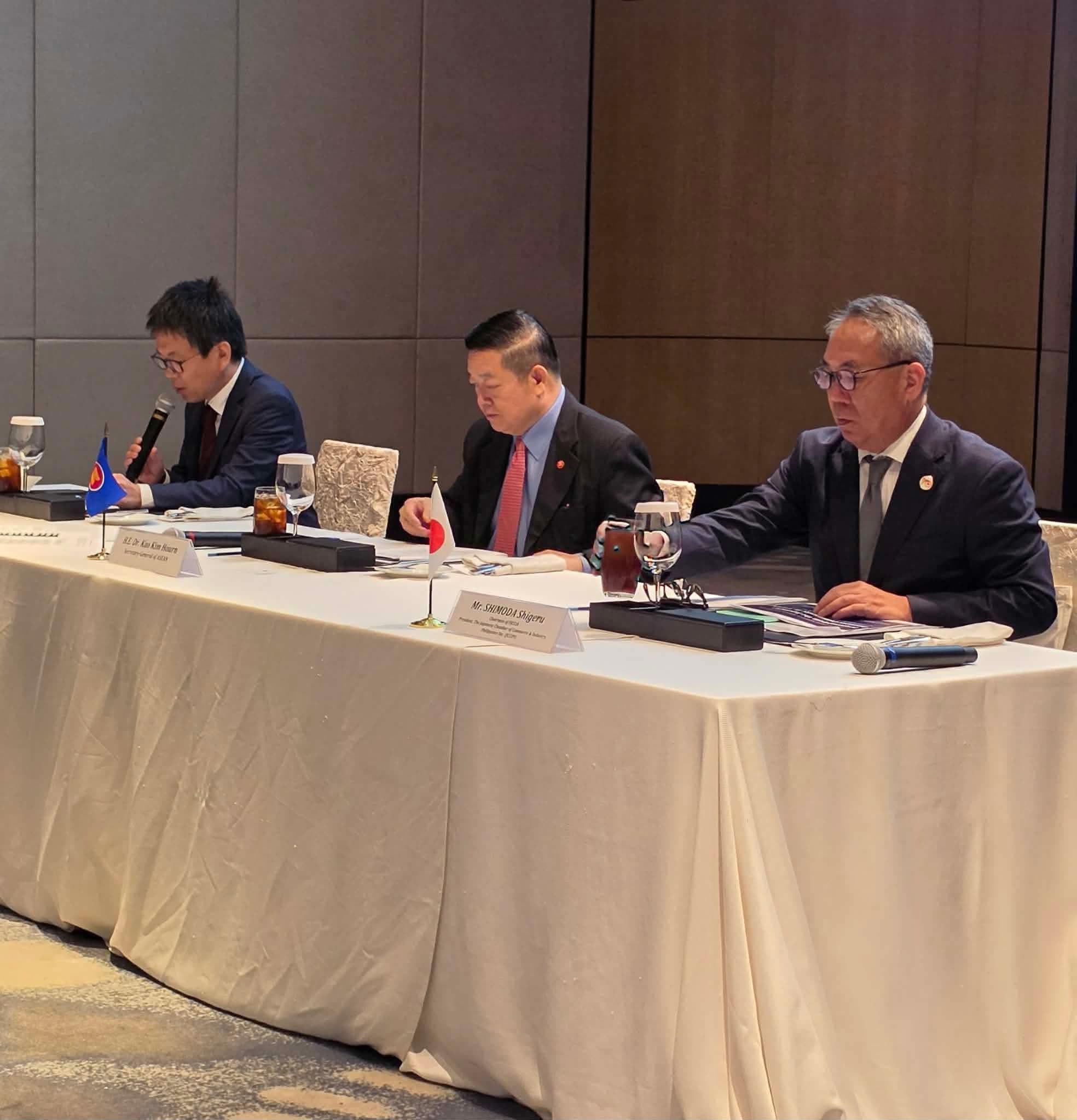
The recommendations target four main strategic priorities. To enhance supply chain sophistication and connectivity, the proposals emphasize streamlining institutional processes, trade rules, and cross-border logistics. On the green economy front, the focus centers on advancing decarbonization efforts and developing a unified regional power grid. In digital economy and AI governance, the federation advocates establishing frameworks such as Data Free Flow with Trust (DFFT). To foster inclusive growth, recommendations call for expanding human resource development and enabling seamless intra-regional mobility for skilled talent.
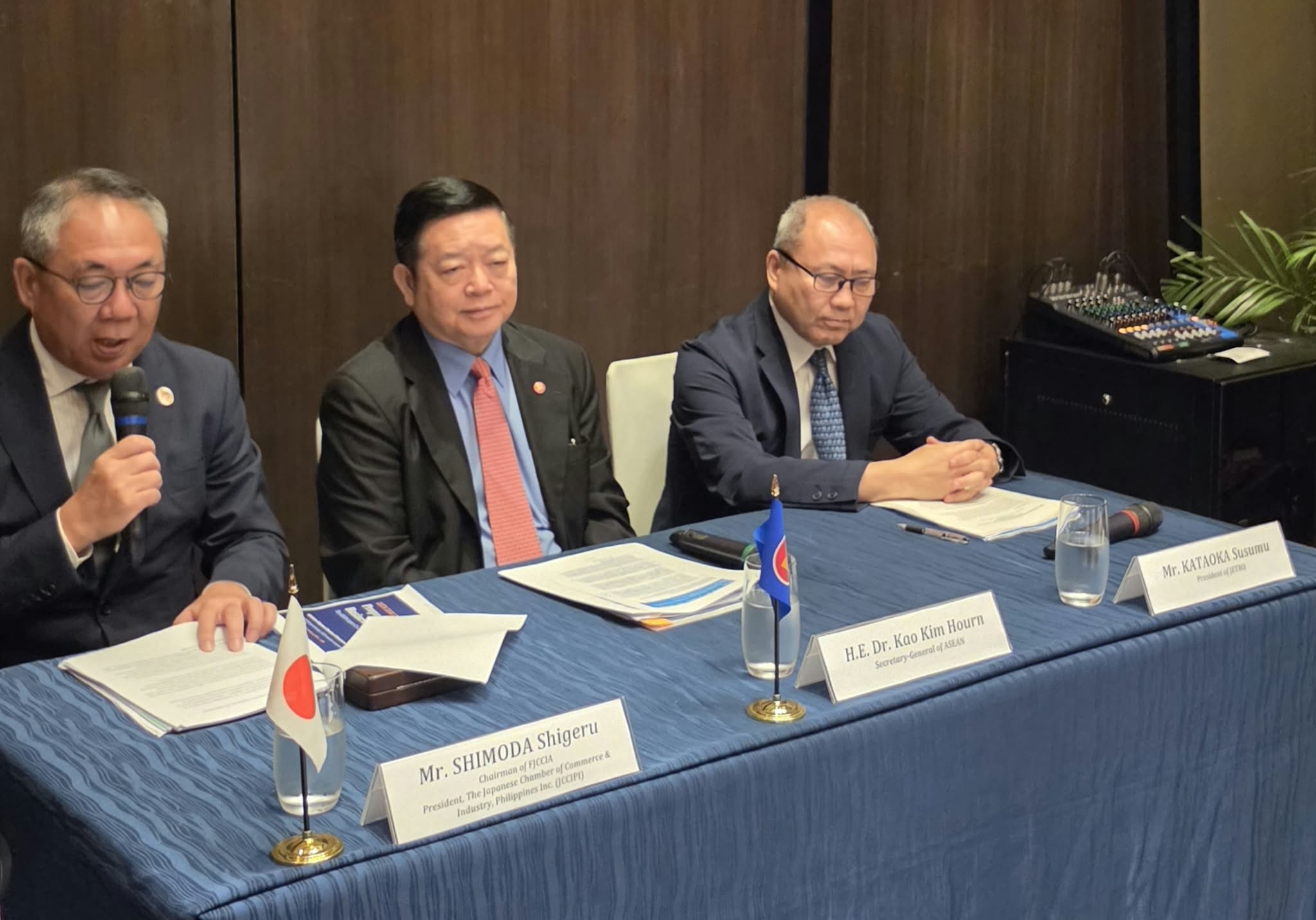
Addressing the rising challenges of protectionism and opaque non-tariff measures (NTMs), FJCCIA Chairman and JCCIPI President Shigeru Shimoda highlighted the need for market predictability. “Japanese companies are not merely external investors,” Shimoda emphasized. “As ‘ASEAN Citizens’ deeply rooted in local communities, we want to build prosperity together with ASEAN toward 2045.”
Survey Highlights Regional Investment Trends
The dialogue coincided with the release of the FJCCIA Survey 2026, which gathered responses from 1,041 Japanese enterprises across Southeast Asia. The data highlights a deeply integrated regional footprint, with 77 percent of respondents actively engaged in cross-border trade, production division, or multi-base collaboration within ASEAN. Furthermore, 48 percent noted that their ASEAN operations are more critical today than five years ago, while 52 percent are actively expanding or planning further investment.
Local integration and leadership are also strongly reflected in the survey. Approximately 63 percent of firms have established formal partnerships with local enterprises, and 74 percent have appointed local professionals to senior managerial or department-head roles. To support future growth, over 90 percent of surveyed firms called for updating the ASEAN-Japan Comprehensive Economic Partnership (AJCEP) to better reflect modern economic realities.
Strong Support for Economic Co-Creation
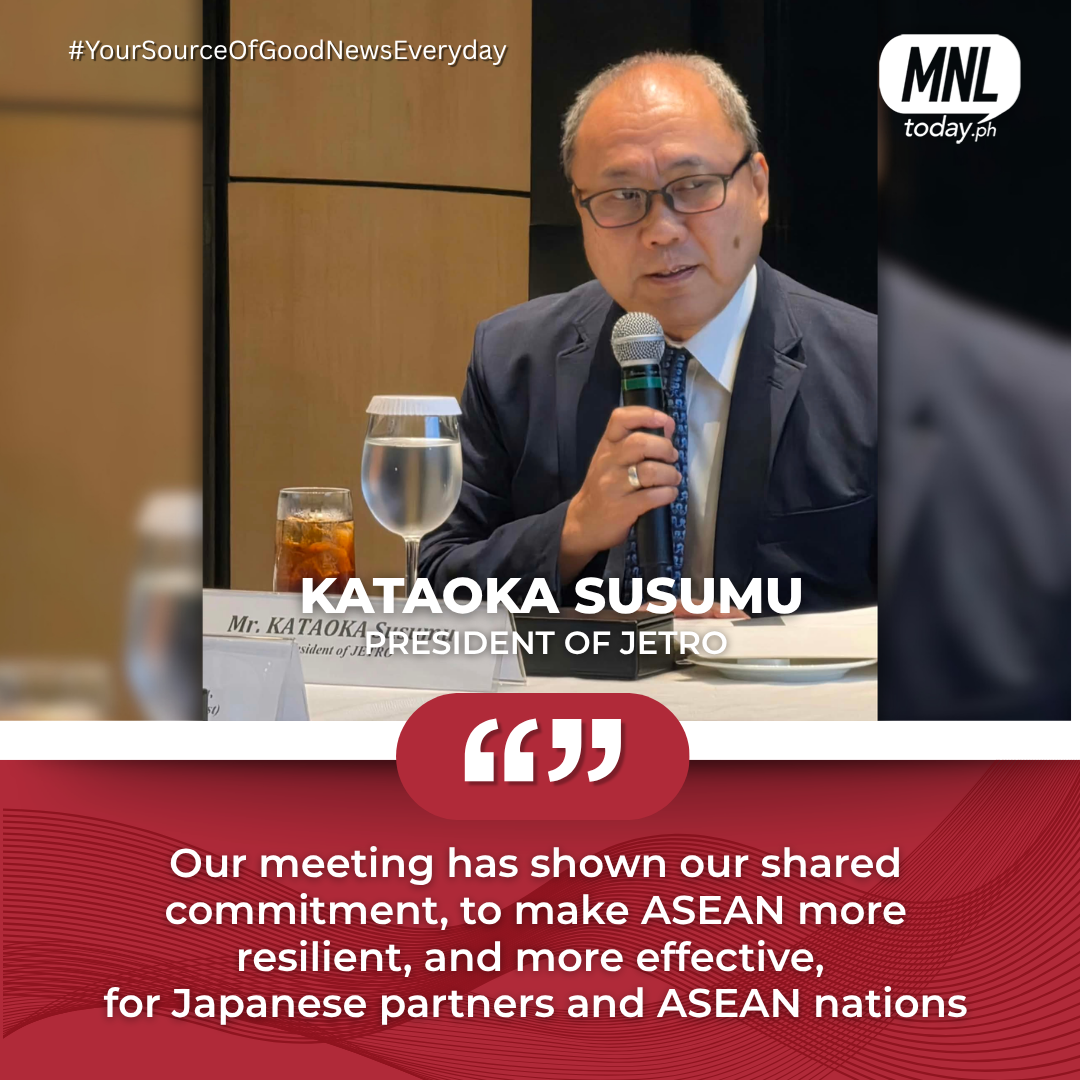
JETRO President Susumu Kataoka reaffirmed Japan’s long-term commitment to navigating current economic headwinds by deepening local ties. He outlined key initiatives, including the ASEAN-Japan Fast Track Pitch program and young leader exchanges, designed to drive innovation across supply chains, green technology, digital systems, and inclusive development.
As the region’s largest business network of its kind, the FJCCIA represents 7,420 Japanese companies across all 10 ASEAN member states. The federation has held its signature annual dialogue with the ASEAN Secretariat since 2008 to bridge private sector insights with regional policy.