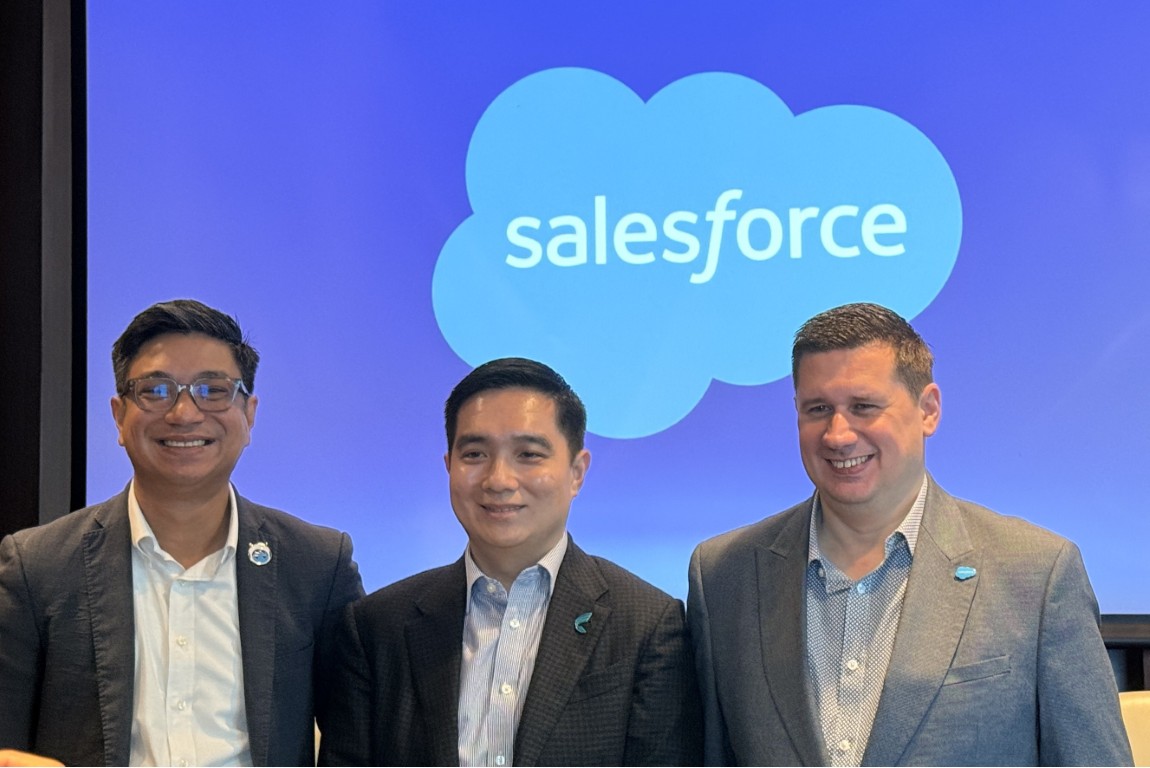

As Philippine enterprises navigate a rapid digital evolution, global tech leader Salesforce is urging local organizations to look beyond basic automation and embrace the concept of the agentic enterprise. This emerging paradigm marks a fundamental shift from static artificial intelligence tools that simply respond to user prompts toward autonomous AI agents capable of reasoning, orchestrating workflows, and taking action alongside human employees. For a country long recognized as a global hub for customer support and shared services, this technological transition presents both a critical operational hurdle and a massive economic opportunity.
The urgency behind this movement is driven by changing operational demands and shifting workforce dynamics across Southeast Asia. According to industry research, Philippine business leaders are increasingly recognizing that conventional automation and rule-based chatbots are no longer sufficient to meet soaring customer expectations or drive sustainable growth. By transitioning into agentic enterprises, companies can deploy digital agents through platforms like Salesforce’s Agentforce to handle high-volume routine inquiries, resolve service cases, and execute administrative workflows 24/7. This shift frees human teams to concentrate on high-touch relationships, complex problem-solving, and strategic initiatives, fundamentally changing how value is created across customer service, finance, and supply chain operations.
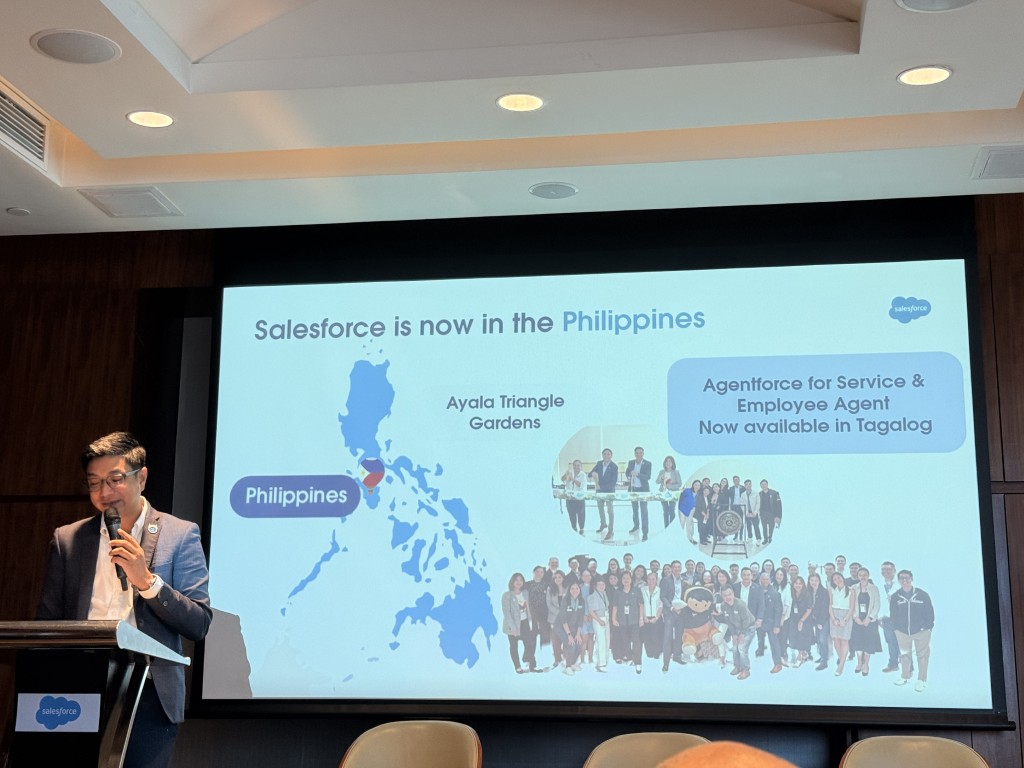
To directly support this transition in the local market, Salesforce recently established an expanded physical presence in Manila, introducing specialized local capabilities including Tagalog-language AI support for service and employee agents. Major domestic players across key industries—including telecommunications provider Converge ICT, banking and real estate leaders, and healthcare groups—are already leveraging agentic frameworks to build generative AI-driven contact centers and streamline operations. Early deployments demonstrate that integrating autonomous agents can boost operational efficiency by up to thirty percent, showcasing how local businesses can leapfrog traditional IT legacy barriers and compete more aggressively on a global scale.
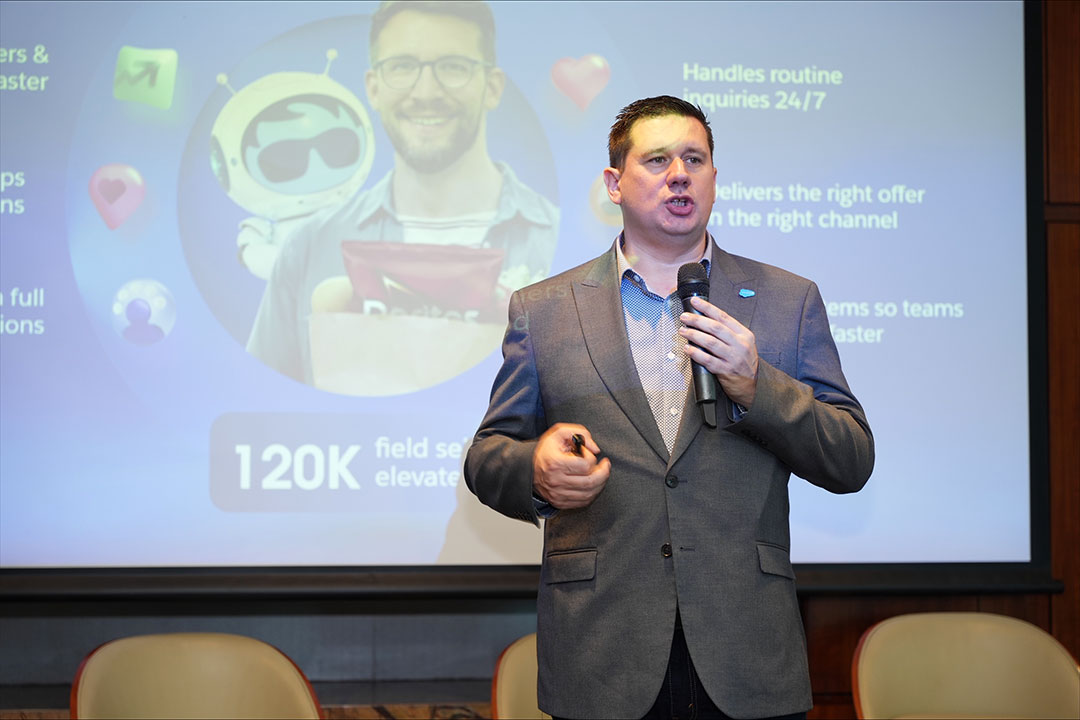
However, the shift toward an agentic enterprise requires addressing a significant upskilling gap across the workforce. Recognizing that autonomous AI relies heavily on trusted human collaboration, Salesforce has committed to training thousands of Filipino workers in CRM and advanced AI competencies through partnerships with local academic institutions and workforce development programs. As AI agents are projected to handle an increasingly large share of routine cases over the coming years, equipping local talent with the tools to build, manage, and supervise digital agents ensures that the workforce remains resilient and adaptable.
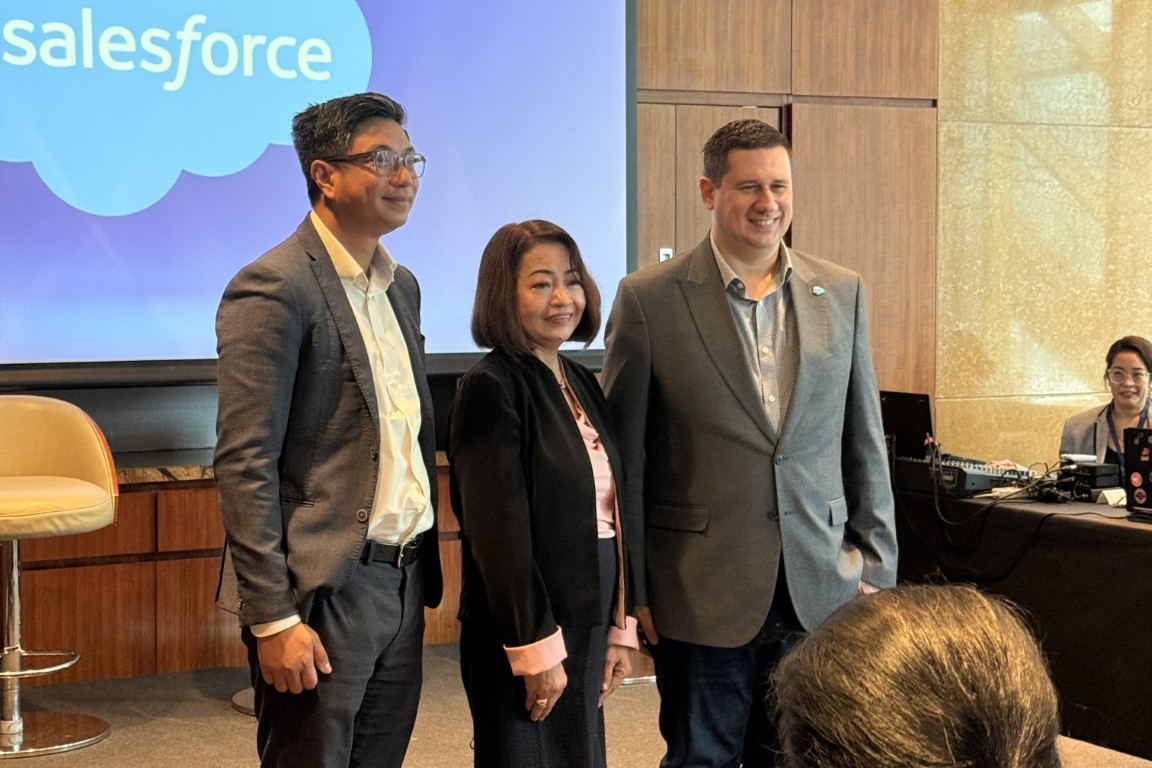
Ultimately, the drive toward agentic systems signals a new chapter for the Philippine economy as it moves from a traditional service-oriented structure toward a high-value, knowledge-driven ecosystem. By combining robust local data, native language support, and a workforce trained to collaborate with autonomous digital coworkers, Philippine enterprises are positioning themselves at the forefront of the region’s next wave of digital transformation.
with additional report: https://www.manilatimes.net/