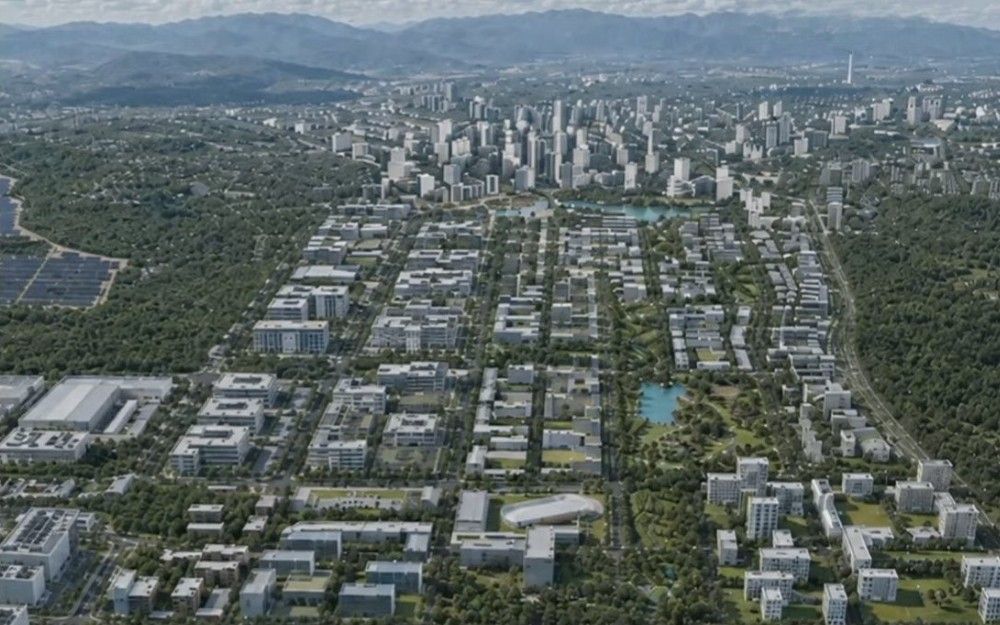

MANILA, Philippines — Opposition is mounting against the Philippines’ participation in the US-led Pax Silica initiative as the government moves to finalize a framework agreement for the country’s proposed artificial intelligence and semiconductor hub in New Clark City before the end of 2026.
A coalition of farmers, environmental advocates, scientists, indigenous rights groups, and lawmakers is urging the government to suspend the agreement, citing concerns over land conversion, displacement of communities, environmental impacts, and transparency in the project’s implementation.
What is Pax Silica?
Launched in December 2025, Pax Silica is a US-led coalition aimed at securing global supply chains for semiconductors, critical minerals, and artificial intelligence infrastructure amid growing geopolitical competition in advanced technologies.
The initiative brings together around two dozen member countries, including Japan, Australia, India, Israel, South Korea, the United Kingdom, the European Union, Singapore, and the Philippines. The name combines the Latin word pax, meaning “peace,” with silica, referring to the raw material used in producing silicon for semiconductor manufacturing.
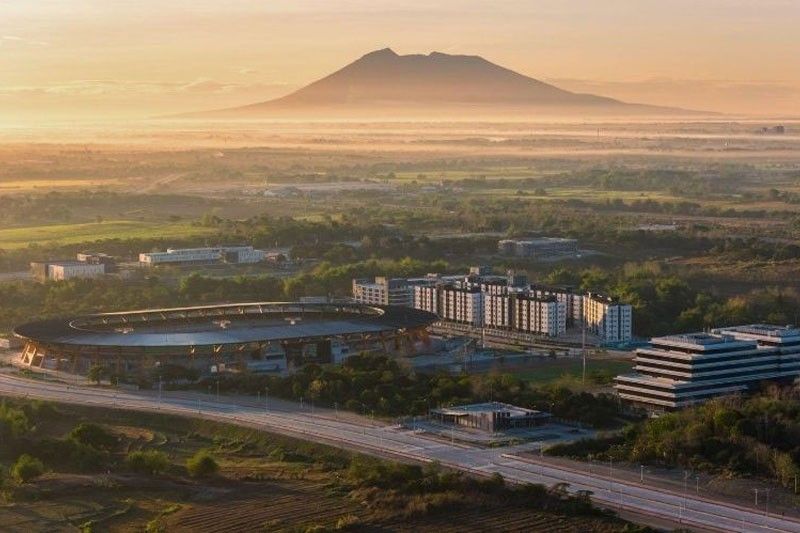
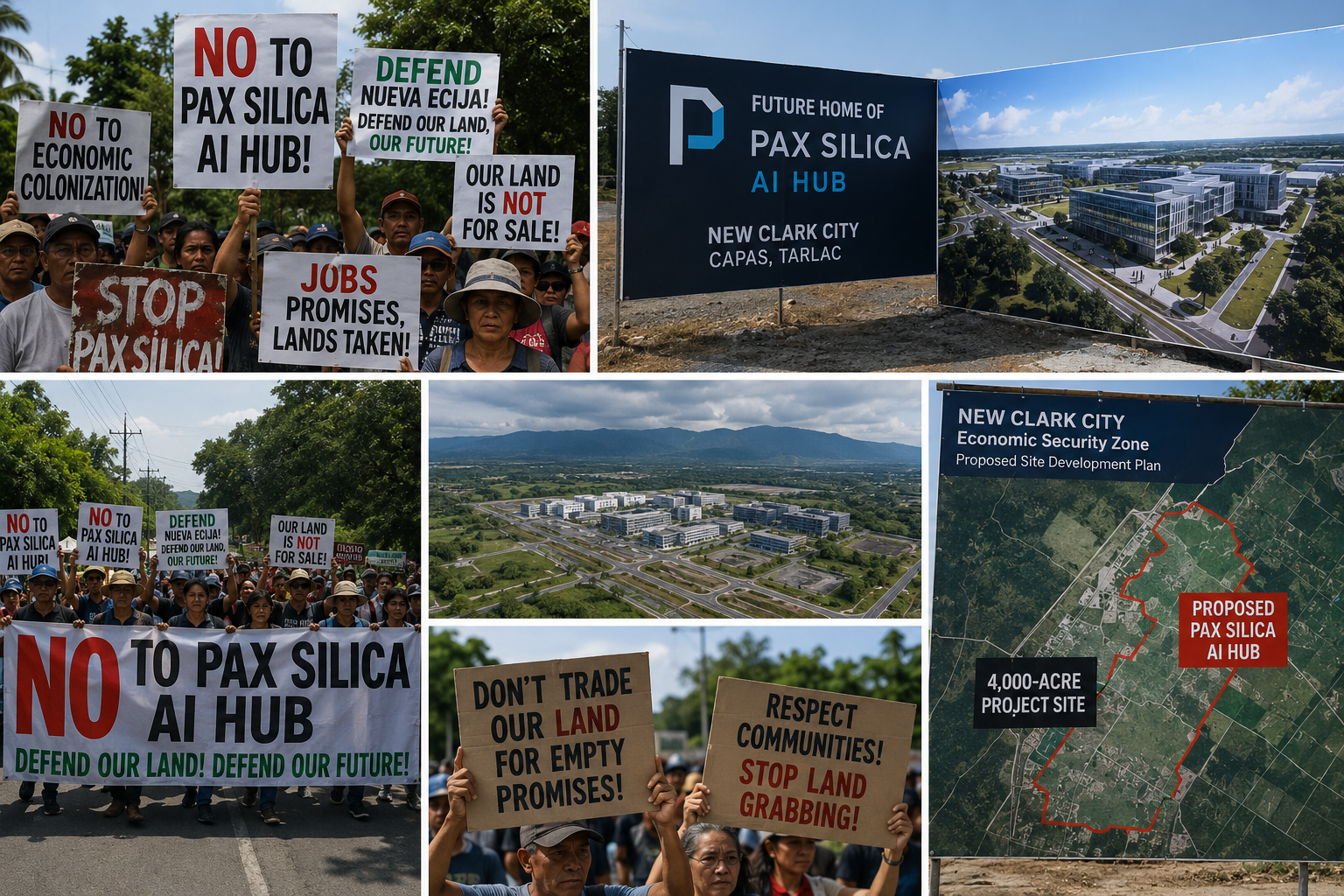
The Philippines joined the coalition in April 2026 and is set to host what officials describe as the first “AI-native industrial acceleration hub” under the initiative. The proposed 4,000-acre (approximately 1,620-hectare) Economic Security Zone in New Clark City, Capas, Tarlac, will be developed under the Bases Conversion and Development Authority (BCDA).
The planned hub is expected to accommodate semiconductor assembly and testing facilities, advanced manufacturing, and AI data infrastructure. Taiwanese electronics manufacturer Foxconn has been identified as the prospective anchor locator.
Concerns Raised by Critics
Opposition groups argue that the project could come at significant social and environmental costs.
On July 13, farmers, scientists, environmentalists, and civil society organizations staged a protest march in Manila toward the US Embassy, calling on the government to halt the project. Protesters claimed that agricultural lands are being converted to make way for the development and argued that the Philippines is contributing more land to the initiative than any other member nation.
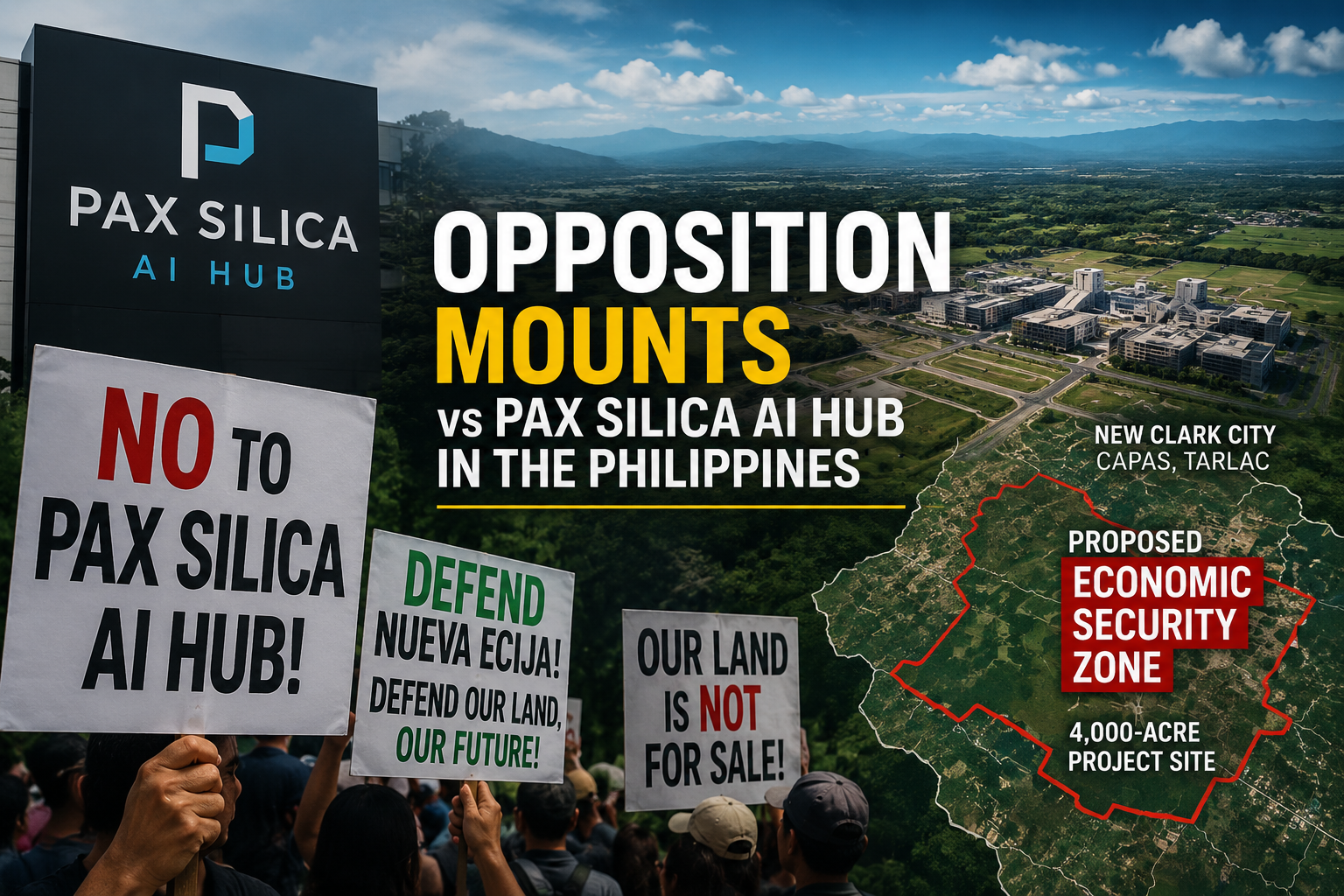
Farmers’ organizations, including Kilusang Magbubukid ng Pilipinas (KMP), Pambansang Kilusan ng mga Samahang Magsasaka (PKSM), and Pamalakaya, described the proposed economic zone as a “massive sellout,” warning that it could accelerate agricultural land conversion, coastal development, and increased resource extraction. The groups also cited historical cases of soil and groundwater contamination around the former US military bases in Clark and Subic as cautionary examples.
Indigenous rights advocates likewise expressed concern over possible displacement. Researcher and activist AC de Guzman estimated that up to 20,000 Indigenous peoples and 15,000 farmers could be affected by the New Clark City expansion, arguing that communities without formal land titles remain vulnerable despite generations of occupancy.
Environmental organizations, including the Kalikasan People’s Network for the Environment, warned that the water and electricity demands of AI-related facilities could place additional pressure on the Sacobia watershed, the primary water source for New Clark City. They also cautioned that increased demand for critical minerals may expand mining activities in provinces such as Zambales, Palawan, and Nueva Vizcaya.
Political opposition has also emerged in Congress. The Makabayan bloc filed House Resolution No. 1128 seeking an investigation into the country’s participation in Pax Silica, arguing that the initiative could deepen foreign military and economic influence under the guise of technological development.
Meanwhile, a Change.org petition has called on the government to suspend the signing of the agreement until an independent environmental and social impact assessment is completed and made public, affected communities are meaningfully consulted, incentives granted to foreign investors are fully disclosed, and the agreement is submitted to the Senate for ratification.
Government Defends Project
Government officials have maintained that the initiative represents a major economic opportunity for the country.
Finance Secretary Frederick Go said Philippine participation would allow the country to maximize its strategic location and mineral resources as part of future global technology supply chains.

BCDA President and Chief Executive Officer Joshua Bingcang said that only around 10 farmers are expected to be directly affected by the project site, while the development is projected to generate around 200 jobs in its initial phase.
The Department of Trade and Industry also defended the reported two-year rent-free period granted to the project’s developer, saying such incentives are standard practice for large-scale investments.

Malacañang, through Palace Press Officer Claire Castro, likewise assured the public that protecting the water supply of nearby communities remains a priority and said the National Water Resources Board has provided assurances regarding water allocation throughout the project’s development and operation.
Year-End Deadline
The Philippine government is targeting the signing of the Pax Silica framework agreement before the end of 2026.
However, as negotiations continue, opposition groups are pressing for the agreement to be suspended or renegotiated until independent environmental reviews, broader public consultations, and legislative scrutiny have been completed.
The debate highlights the balancing act facing policymakers as the country pursues high-technology investments while addressing concerns over environmental protection, community rights, and long-term national interests.