

MANILA, Philippines — GMA Public Affairs’ I-Witness has issued an official statement defending the findings of its documentary Ibinasurang Paraiso following the spread of online posts questioning the accuracy of its report on an open dumpsite operating within an Aeta ancestral domain in Subic, Zambales.
The documentary, reported by veteran journalist Kara David and aired on July 11, 2026, exposed the environmental and humanitarian impact of the dumpsite in Sitio Tibag, Barangay Naugsol, where tons of garbage have been dumped on land recognized as part of the ancestral domain of the Aeta Ambala Indigenous Cultural Community.
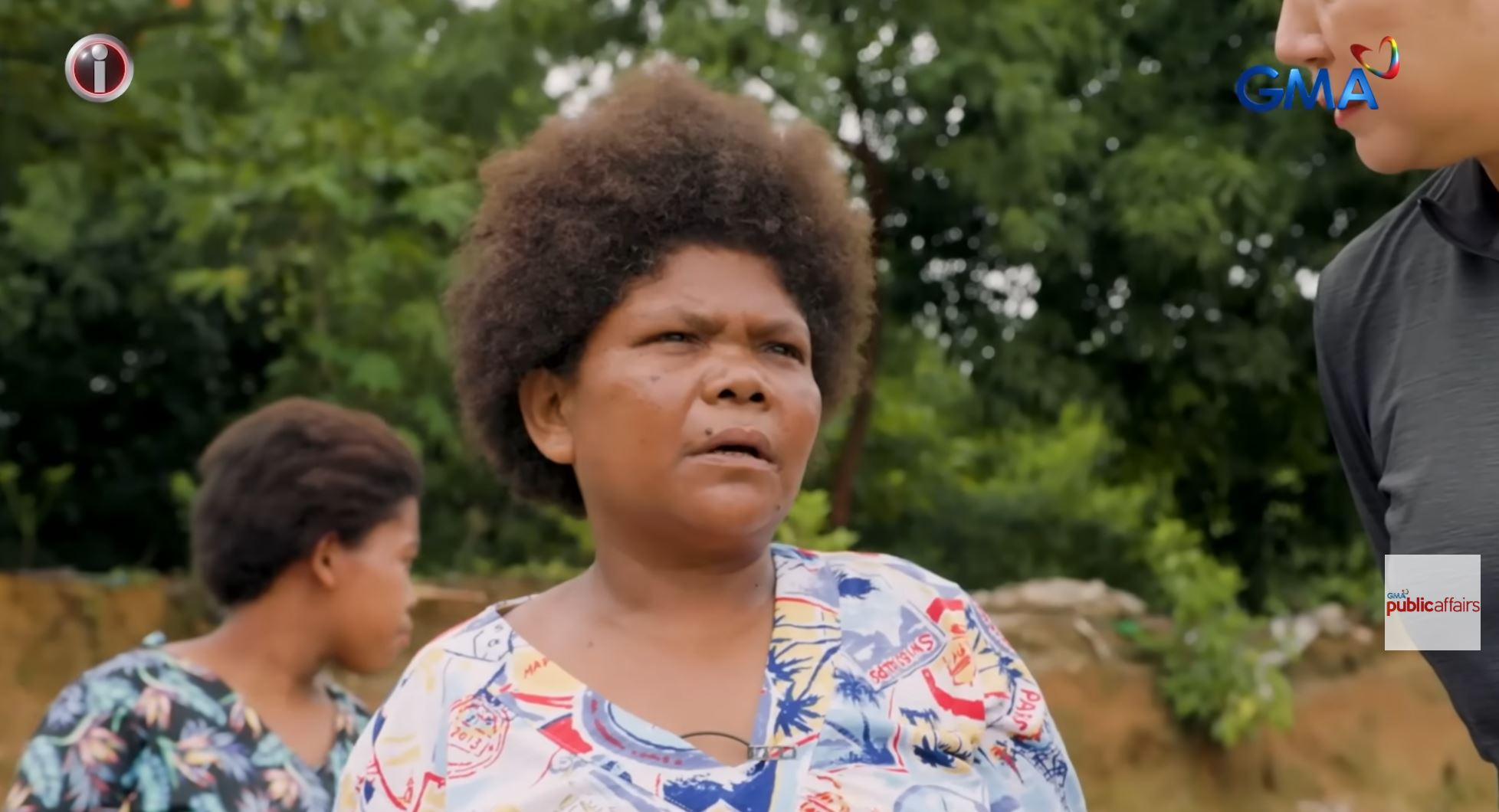
According to I-Witness, the investigation was based on more than a month of field research, interviews with residents, and official government documents. The program maintained that the dumpsite had been operating for six years without the necessary permits and in violation of the Ecological Solid Waste Management Act of 2000.
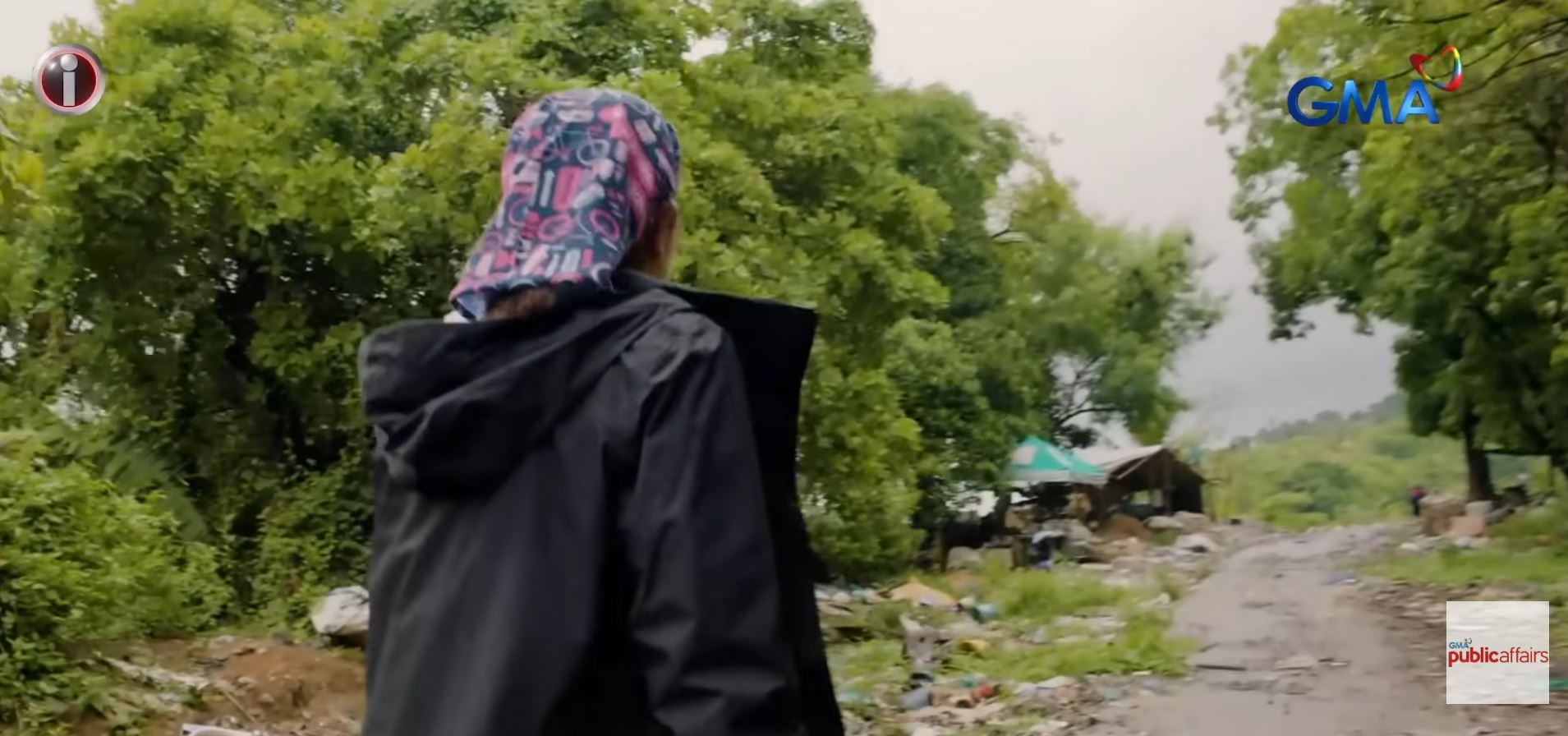
The documentary also cited findings from the Department of Environment and Natural Resources (DENR), which had previously declared the dumpsite to be operating illegally and issued cease-and-desist orders directing its closure.
I-Witness rebuts online claims
In its statement, I-Witness addressed several claims circulating on social media that sought to discredit the documentary.
One of the claims asserted that the dumpsite is located on private property. However, the news program said it obtained a Certificate of Ancestral Domain Title (CADT) issued by the National Commission on Indigenous Peoples (NCIP) confirming that the area forms part of the Aeta community’s ancestral domain. It added that official NCIP records place Sitio Tibag within the recognized boundaries of the ancestral land.
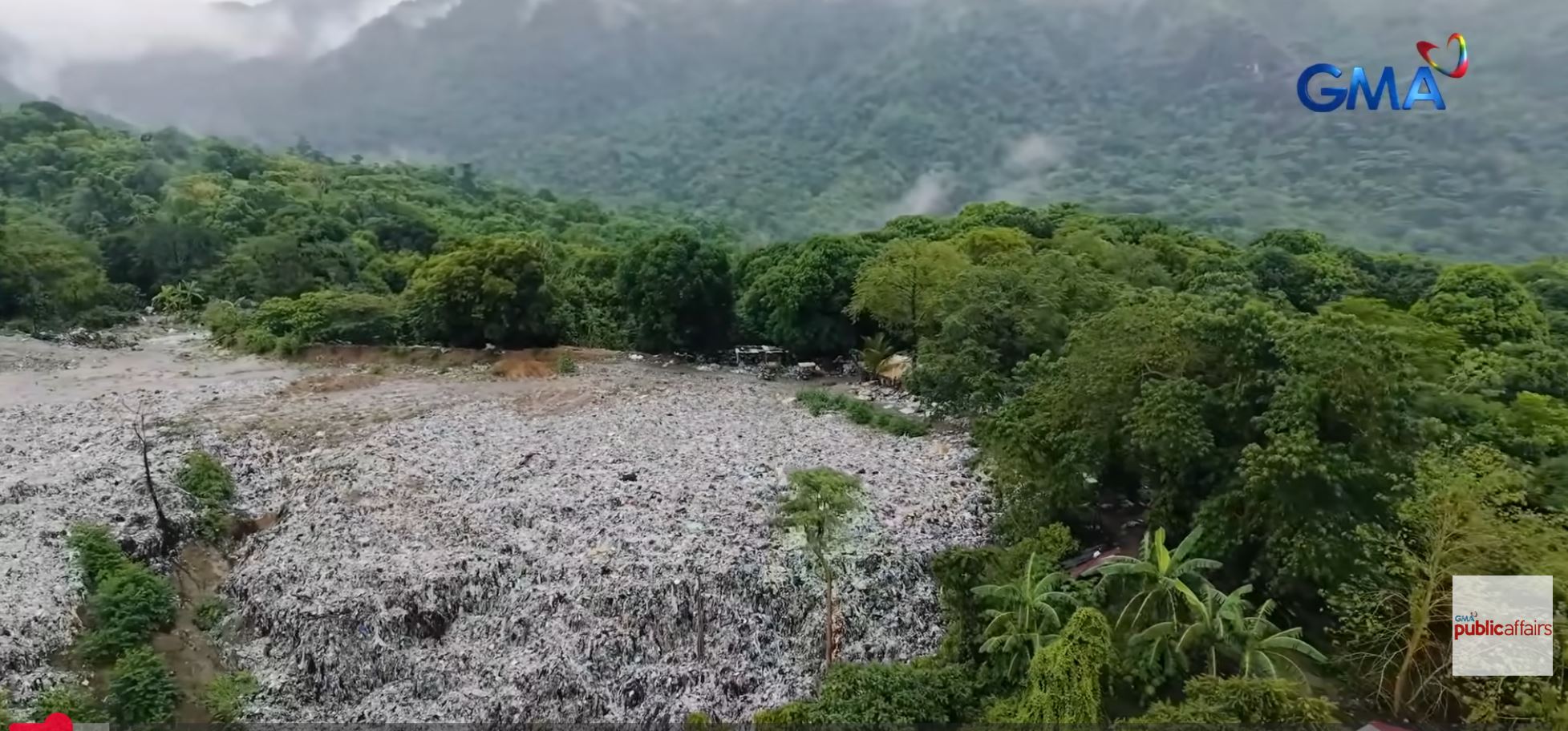
The program also disputed claims that there is no foul odor emanating from the dumpsite. According to I-Witness, residents living near the area reported enduring the stench for years, particularly during the rainy season, with some families eventually leaving their homes due to its impact on their health and daily lives.
Responding to assertions that the Aeta community lives several kilometers away from the dumpsite, the documentary team said it documented abandoned homes located only a few meters from the site. Residents cited persistent foul odor, swarms of flies, and health concerns as reasons some families relocated.
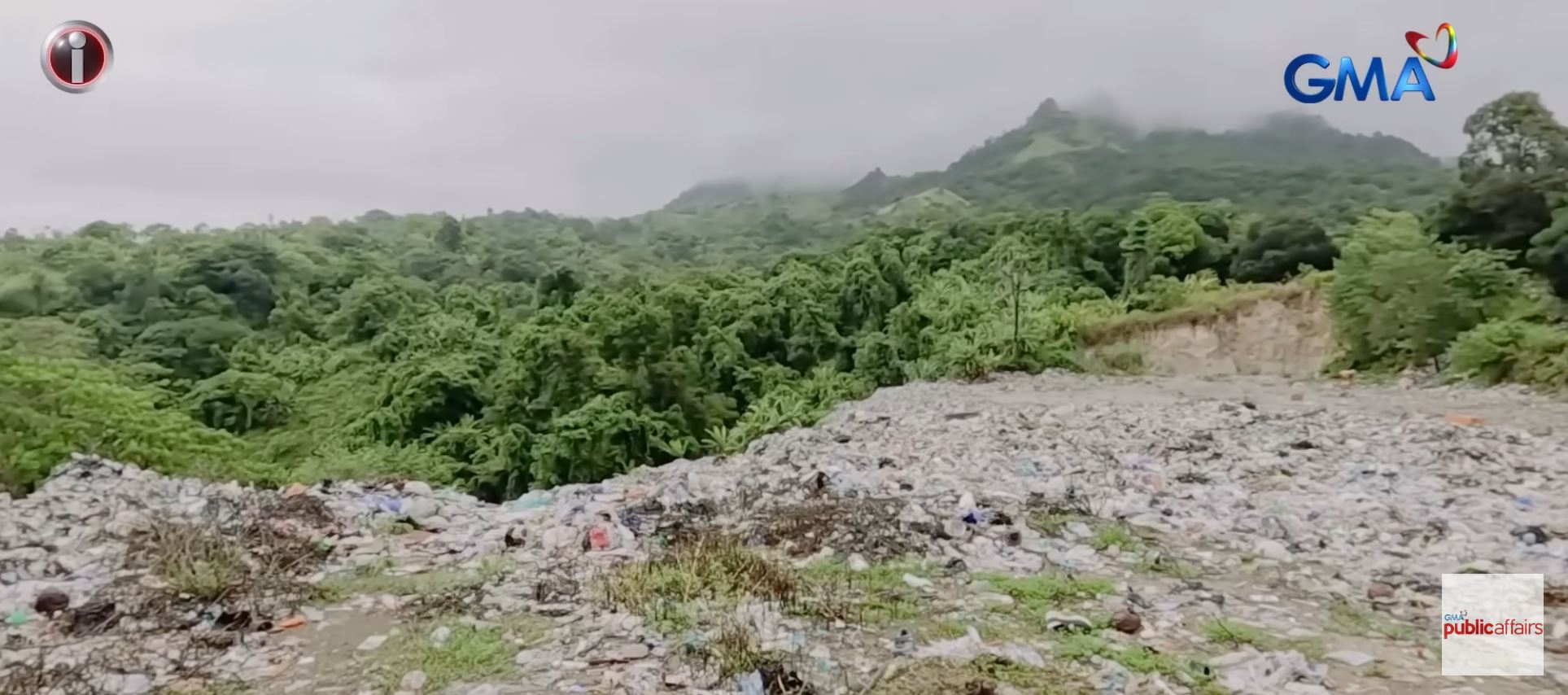
The team likewise documented a nearby stream where garbage was allegedly being carried by flowing water. Residents told investigators that the water source is no longer safe for drinking. Interviews with community leaders from nearby Sitio Alibang also indicated that portions of their traditional hunting grounds and livelihood areas overlap with the location of the dumpsite.
“I-Witness” emphasized that these findings were not based solely on residents’ testimonies but were corroborated by official government documents and were consistent with DENR’s own investigations and regulatory actions.
Environmental impact goes beyond visible conditions
The documentary stressed that assessing the environmental damage of an open dumpsite cannot be based solely on the absence of foul odor or the presence of nearby homes. It noted that the long-term effects of improper waste disposal on forests, water sources, biodiversity, and indigenous communities must also be considered.
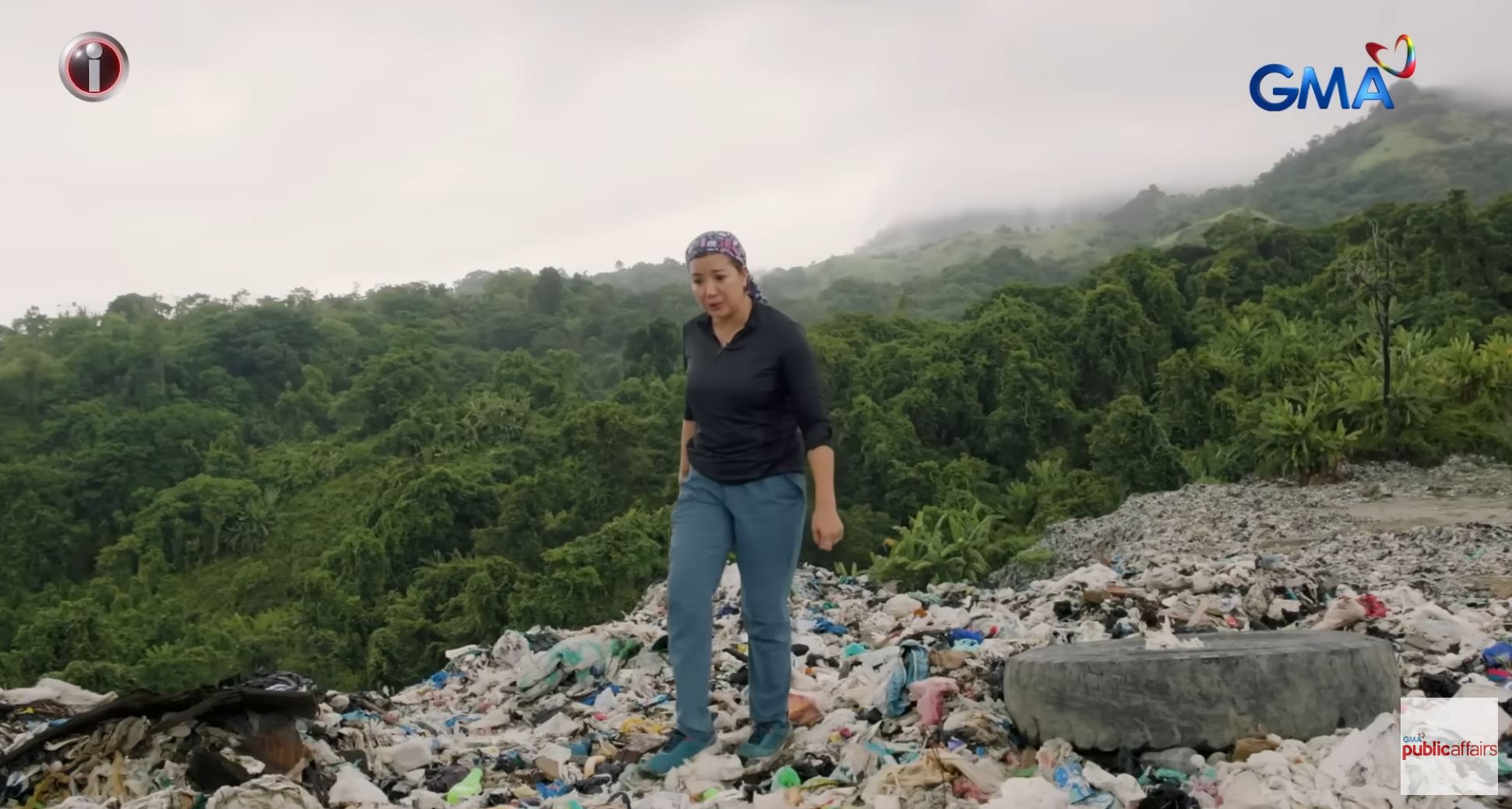
“For nearly three decades, I-Witness has been committed to accurate, fair and responsible journalism,” the program said in its statement. “Every documentary is grounded on extensive research and credible reporting. We stand firmly by the documentary and the facts presented in Ibinasurang Paraiso.”
Documentary sparks public outcry
The documentary generated widespread public attention after its airing, prompting renewed calls for accountability from environmental advocates, indigenous groups, and several public personalities.
Celebrities, including Anne Curtis and Nadine Lustre, expressed support for the Aeta community and called for stronger government action to address the environmental damage and protect indigenous peoples’ rights.
DENR orders closure and rehabilitation
Following the documentary’s broadcast and the ensuing public reaction, the DENR issued another Cease-and-Desist Order directing the full closure of the dumpsite.
The agency also instructed that waste from the area be transported to an accredited sanitary landfill as part of the site’s closure and rehabilitation process. The local government was further directed to submit a Safe Closure and Rehabilitation Plan and ensure compliance with environmental regulations.
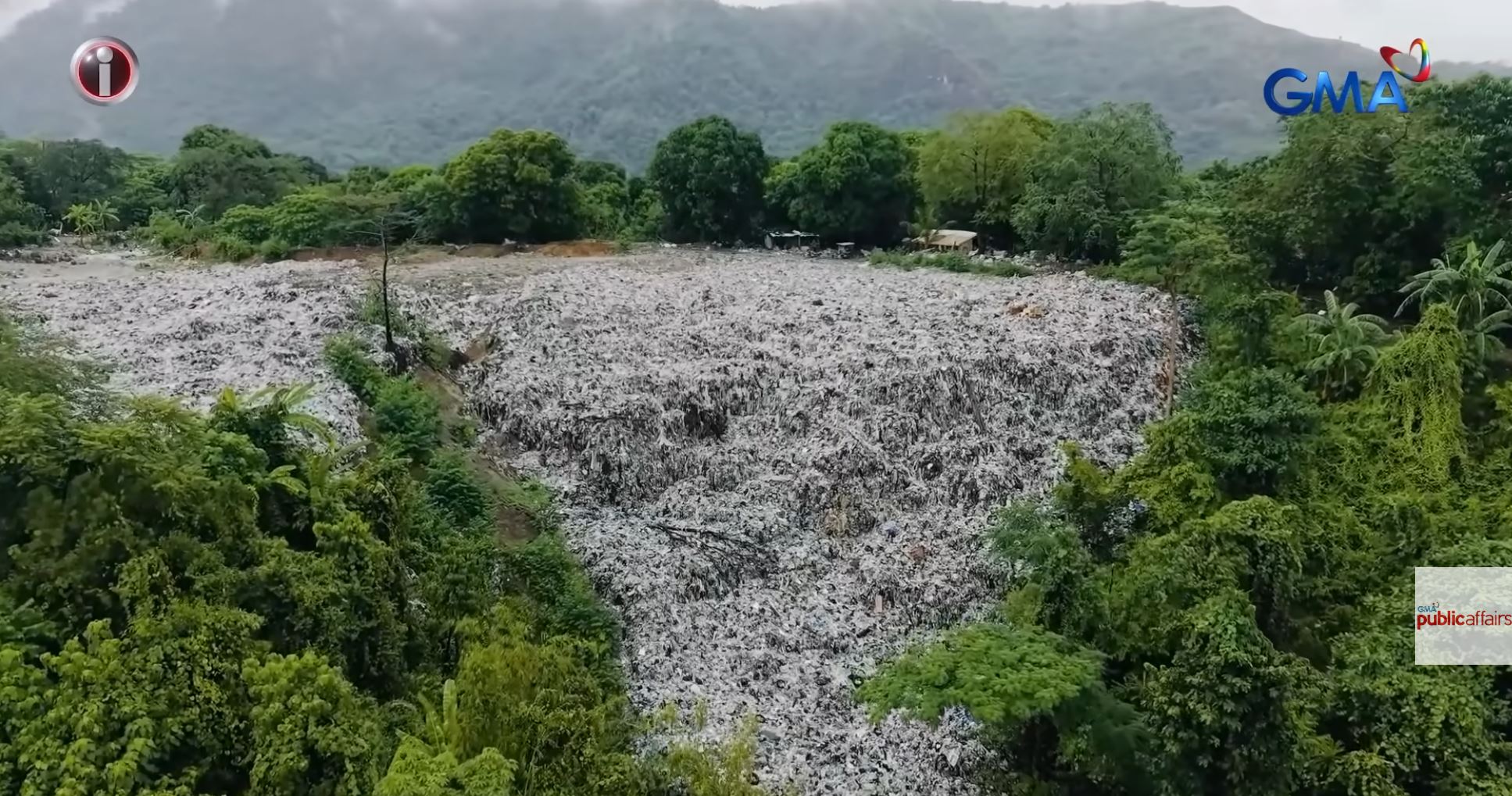
DENR officials said inspections confirmed that the site had been operating in violation of environmental laws and reiterated that local government units are prohibited from operating open dumpsites under the Ecological Solid Waste Management Act.
Calls for accountability continue
Despite the government’s cleanup efforts, indigenous leaders and environmental groups continue to call for accountability from officials responsible for allowing the dumpsite to operate within the Aeta ancestral domain.
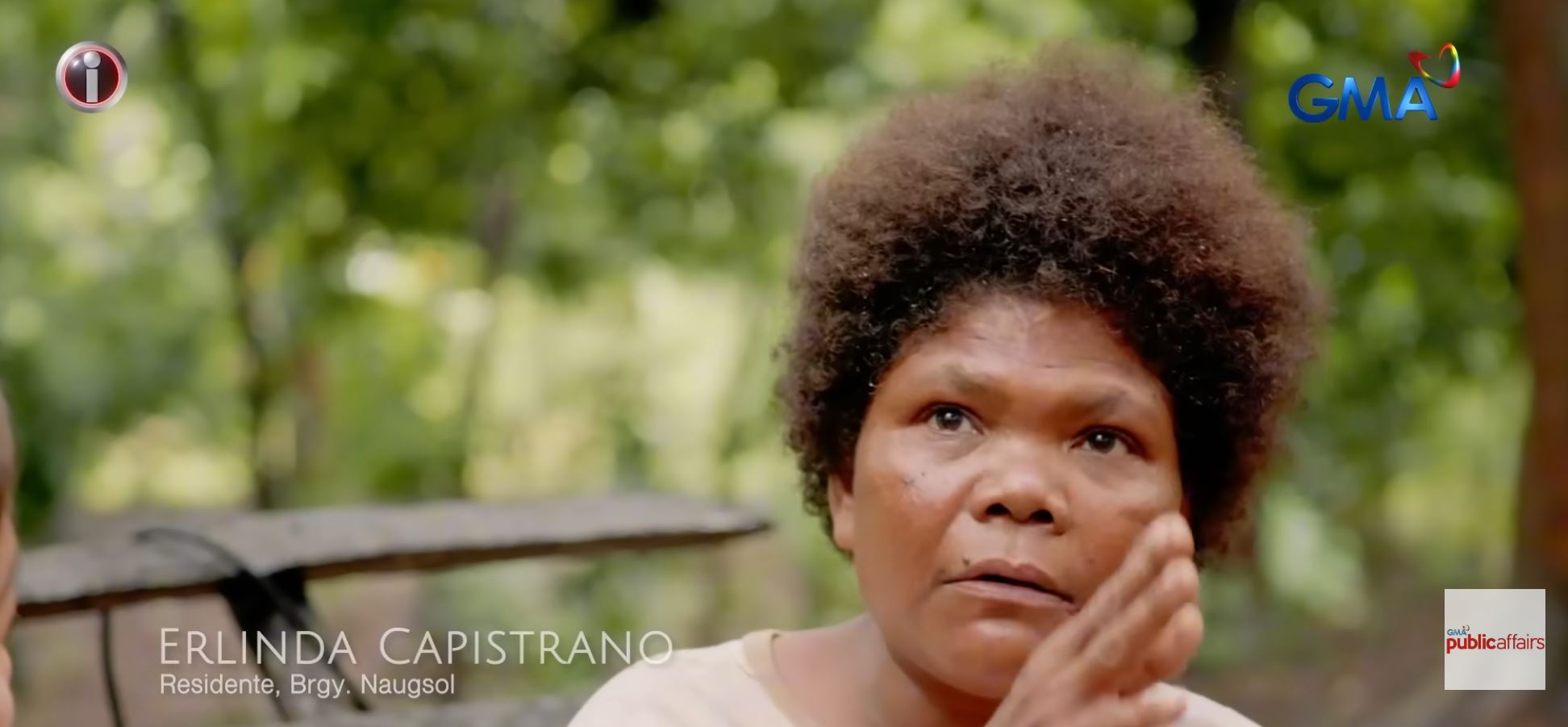
Community members have also appealed for the full rehabilitation of the affected forest and waterways, emphasizing that simply covering the garbage with soil will not undo years of environmental degradation.
As cleanup operations begin, I-Witness maintained that the documentary’s purpose was to highlight the long-term consequences of illegal waste disposal and amplify the voices of communities directly affected by the environmental crisis.