MANILA, Philippines — The Philippine government has lodged a formal diplomatic protest against China following the release of an AI-generated video and editorial cartoons by a state-run media outlet that depicted Filipinos as monkeys.
The Department of Foreign Affairs (DFA) strongly condemned the state-run China Daily for publishing what it described as “dehumanizing,” “racist,” and “deeply offensive” content. The materials, released on July 10, aimed to criticize the 2016 South China Sea Arbitral Award just days ahead of its 10th anniversary.
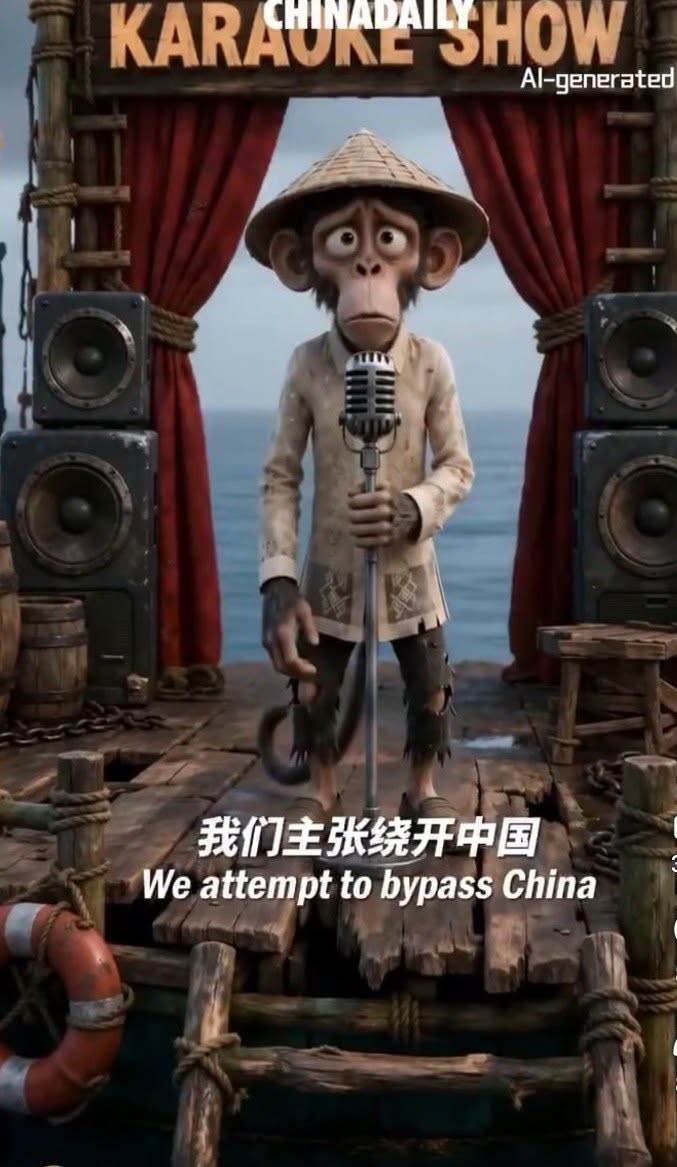
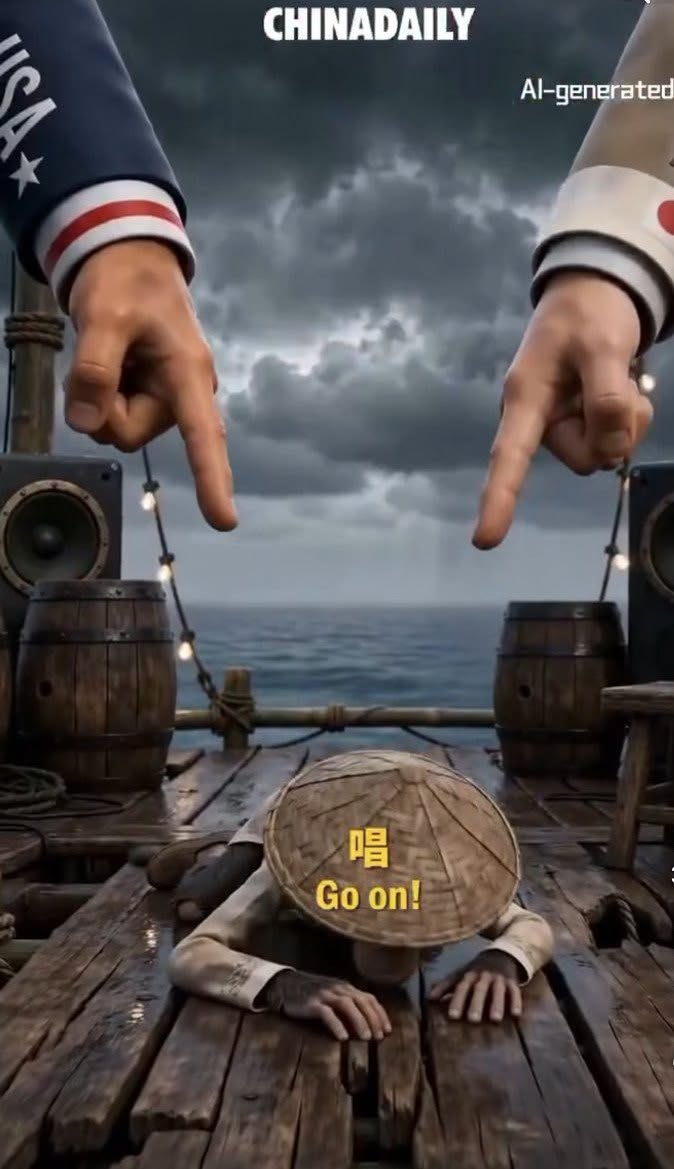
According to officials, the controversial video features a monkey dressed in traditional Filipino attire—a barong Tagalog and a salakot—being manipulated by hands representing the United States and Japan. The character is then shown being blasted into the sea by a water cannon from a China Coast Guard vessel.
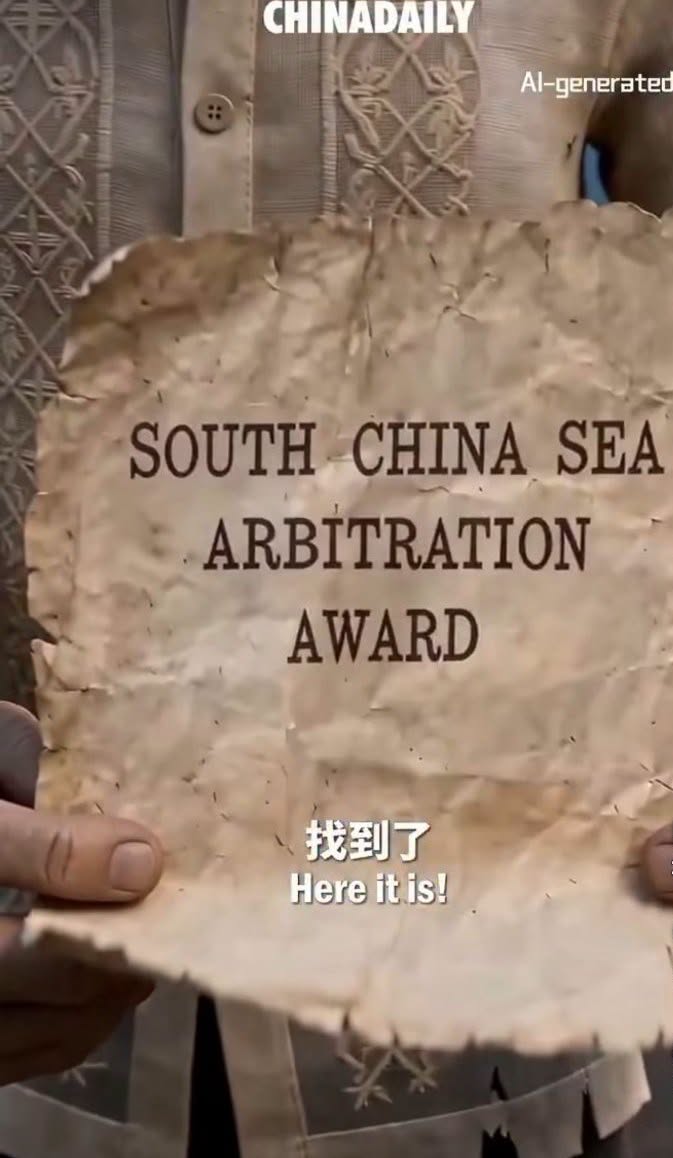
“The Philippines has consistently rejected false narratives and distortions regarding the Arbitral Award,” the DFA said in a statement. “But we draw a firm line at the depiction of Filipinos as monkeys… which is deeply offensive, distressing, and unacceptable.”
Diplomatic Pushback
The formal protest followed a face-to-face meeting on July 16, where Foreign Affairs Undersecretary Leo Herrera-Lim verbally demanded a takedown of the video during a meeting with Chinese Ambassador Jing Quan.
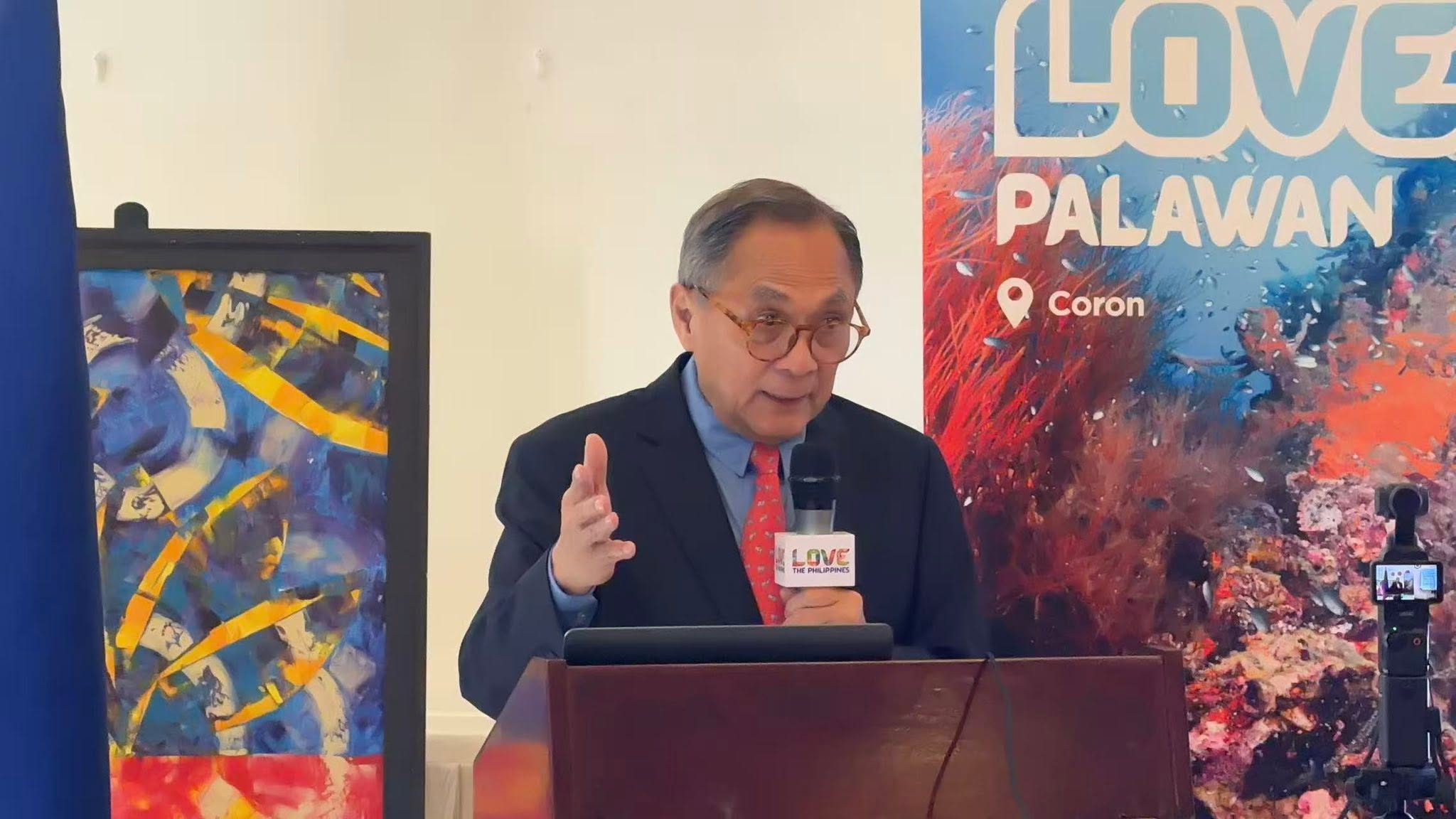
The Philippine Embassy in Beijing has since followed up with an official letter to the editor-in-chief of China Daily, demanding the immediate removal of the media campaign from its Facebook account and other platforms.
Defense and Security Officials React
The publication triggered widespread outrage across Manila’s defense and security sectors.
Defense Secretary Gilberto Teodoro Jr. lambasted the Chinese state media, stating that the video offers a “revealing insight” into how the Chinese communist apparatus views the Filipino people.
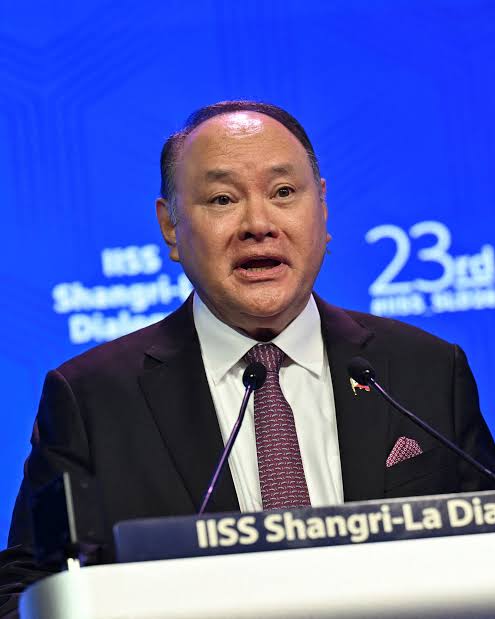
“It reveals the weakness of a government that resorts to racism, threats, and manufactured hatred because it has utterly failed to defend its ridiculous claims through reason, evidence, or law,” Teodoro said.
National Security Adviser Eduardo Oban Jr. echoed these sentiments, confirming that the National Security Council (NSC) joins the defense establishment in condemning the AI-generated imagery “in the strongest terms.”
Meanwhile, Philippine Coast Guard (PCG) spokesman for the West Philippine Sea, Rear Admiral Jay Tarriela, called out the “misplaced behavior,” emphasizing that the content crossed the line from political satire into blatant racism.
“The mere fact that they did not hesitate to use a racist video to humiliate our people shows just how low China is willing to go in its interaction with the international community,” Tarriela said.
Bipartisan Condemnation in Congress
Lawmakers from both the Senate and the House of Representatives unified in their condemnation of the state-sponsored media campaign.
Senate President Sherwin Gatchalian stated that freedom of expression should never be used as a shield for dehumanization, while Senator Francis Pangilinan described the video as “openly racist” and entirely inappropriate for a government-owned media organization.
In the House of Representatives, Mamamayang Liberal party-list Representative Leila de Lima remarked that the video exposes Beijing’s “bounds-free arrogance,” while Akbayan party-list Representative Perci Cendaña warned that the use of an old colonial slur should dispel any naive notions that the Chinese government intends to negotiate maritime disputes in good faith.
As of press time, Manila continues to demand the immediate cessation and removal of the offensive content from all public discourse platforms.