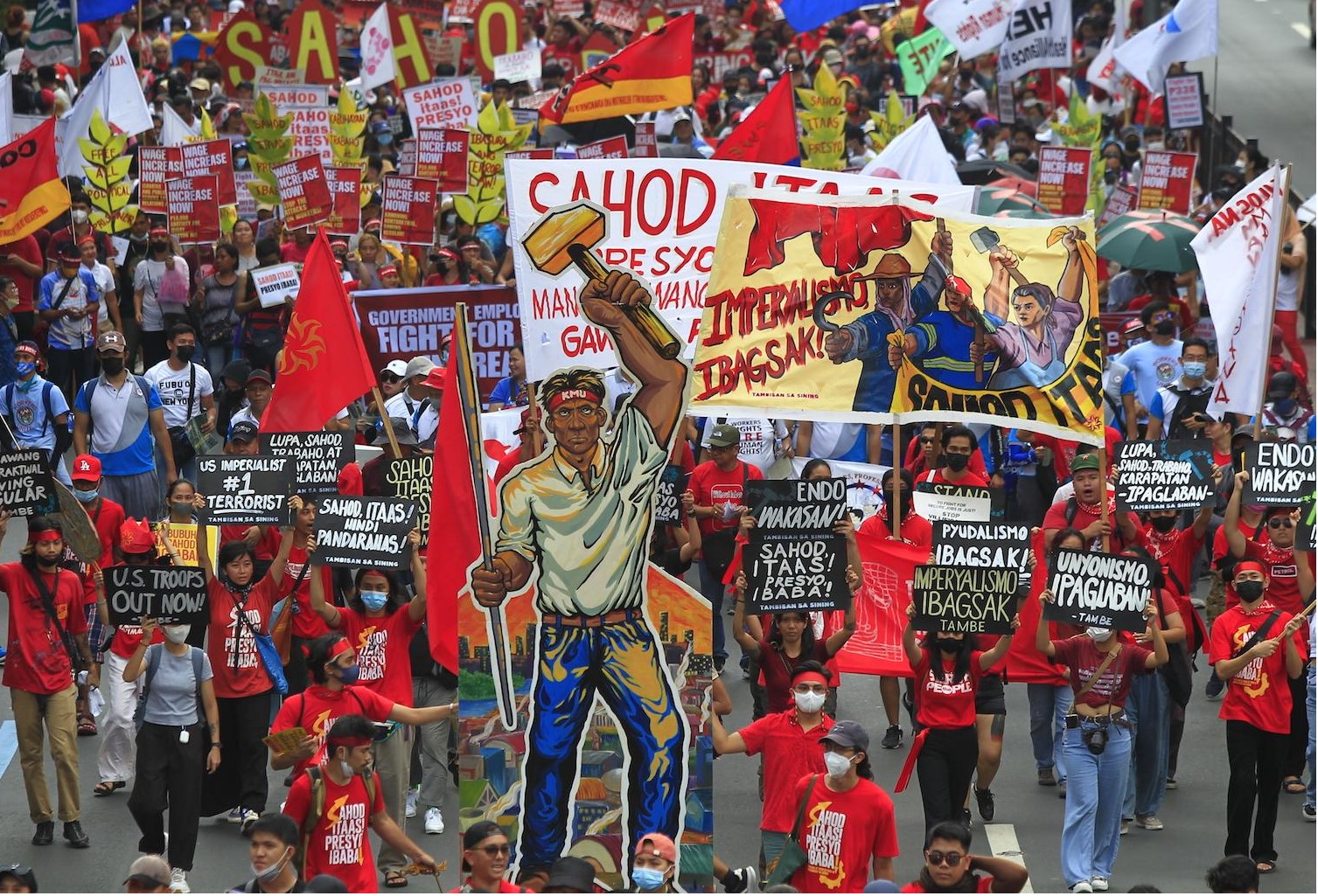
Every year, Labor Day arrives with familiar images: streets filled with protesters, placards raised high, and voices متحد in calling for change. But beyond the rallies and the noise lies a deeper, more uncomfortable question—why do Filipino workers still have to fight this hard to be heard?
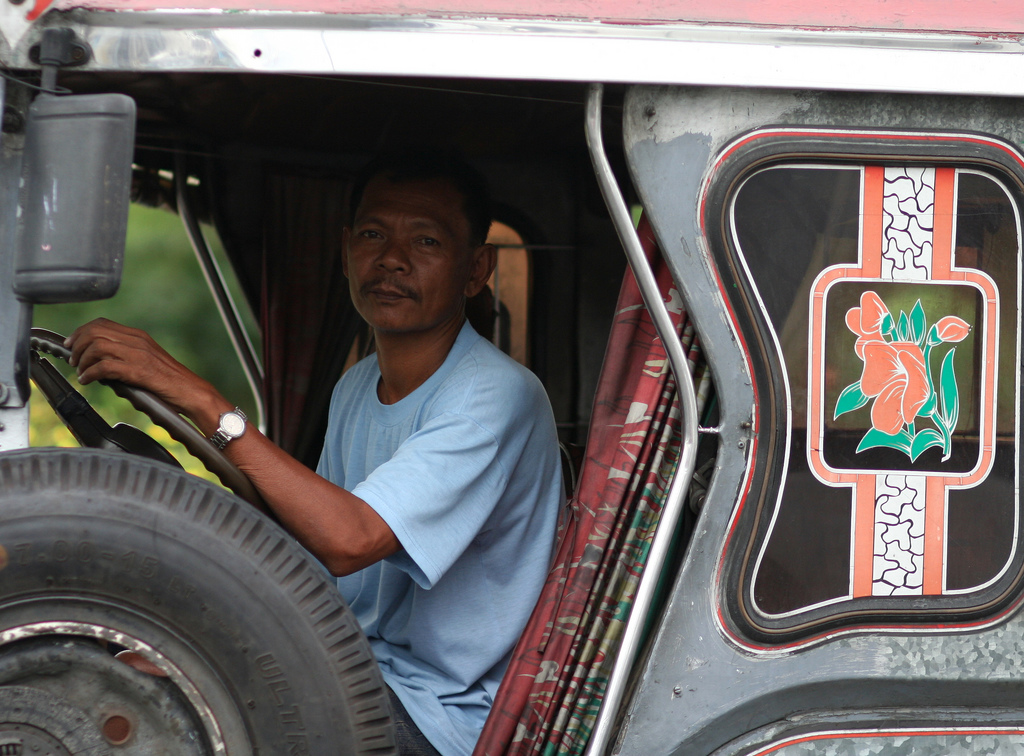
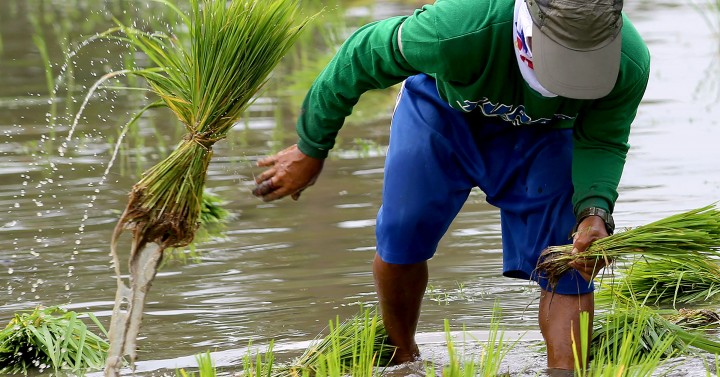
Scroll through social media today and you will see a flood of sentiments echoing the same frustrations: unfair treatment, wages that barely stretch to cover daily needs, and a growing sense that those who keep the country running are the ones being left behind. From farmers enduring the scorching heat to harvest food, to teachers shaping the next generation despite mounting personal debts, to PUV drivers struggling with rising fuel costs—the story remains the same. They ask not for luxury, but for dignity.
Yet the economic reality continues to tighten its grip. Oil price hikes, increasing transportation fares, and additional tax burdens have made everyday living more expensive. For minimum wage earners, whose daily income often falls short of P1,000, these are not just numbers—they are daily sacrifices, compromises, and, at times, desperation.
What makes this even harder to accept is the parallel narrative of governance. Reports of questionable use of public funds, controversies over large-scale projects, and allegations of inefficiency among some officials only deepen public frustration. It raises a difficult but necessary question: are the nation’s priorities aligned with the needs of its people?
Government assistance programs, often branded as “ayuda,” are meant to provide relief. And to be fair, they do help—temporarily. But lining up for hours under the heat for a one-time financial aid underscores a larger issue. Are short-term solutions being used to mask long-term problems? Relief is not the same as reform.
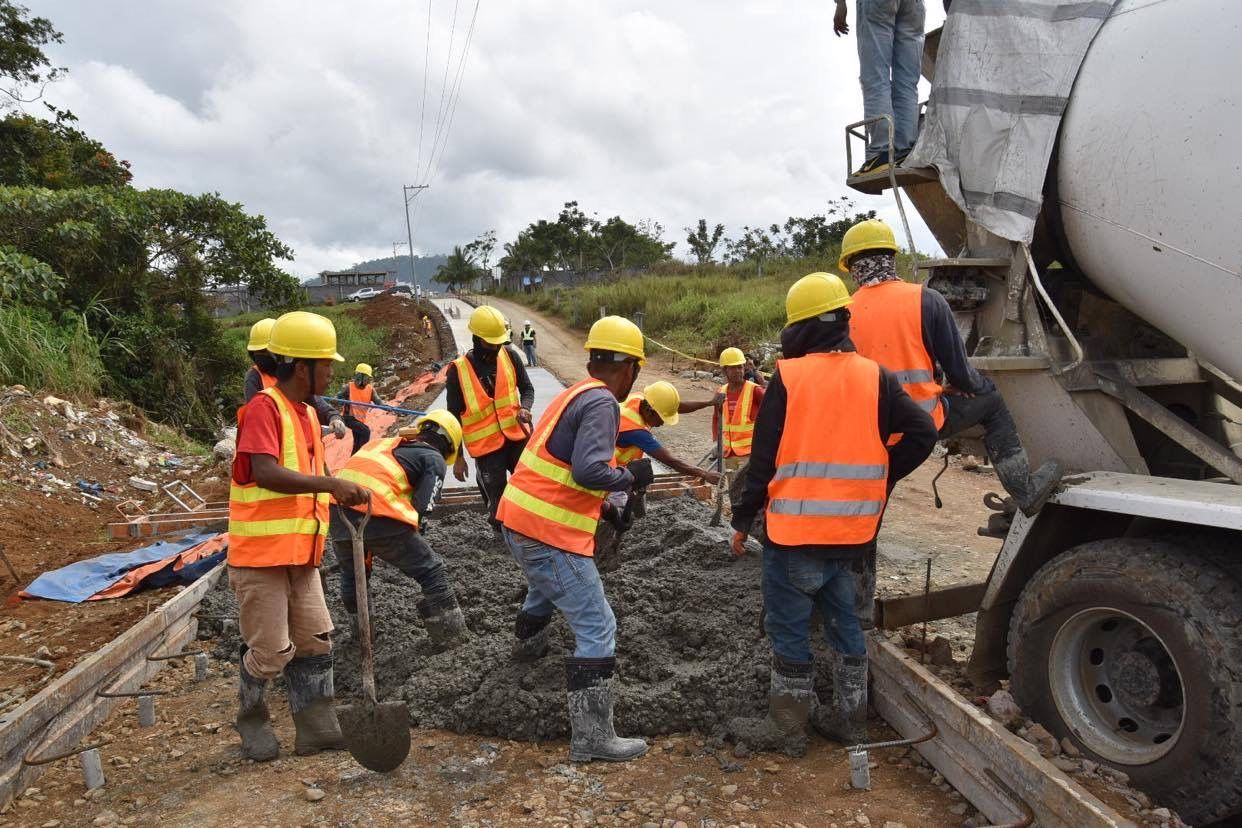
There is also the matter of accountability. Ordinary workers are bound by strict rules—late arrivals, absences, missed deadlines all come with consequences. Yet when public officials fall short of expectations, the repercussions seem far less immediate, if not entirely absent. This disparity feeds into a growing perception of injustice.
Equally concerning is the culture of silence—or worse, ridicule—toward those who speak out. Activists and opposition voices are often dismissed or labeled, rather than engaged in meaningful dialogue. But dissent is not the enemy of democracy; it is one of its most vital components.
Perhaps the most troubling question of all is this: have we grown too accustomed to the status quo? Why do many remain hesitant to demand more from those in power? Why do the same issues resurface year after year, with little meaningful change?
Filipino workers are not asking for handouts—they are asking for fairness. They are not begging—they are asserting their rights. And on a day meant to honor their contributions, it is worth reflecting not just on their struggles, but on our collective responsibility.
Because at the end of the day, a nation’s progress should not be measured by the power of those at the top, but by the well-being of those at the bottom.