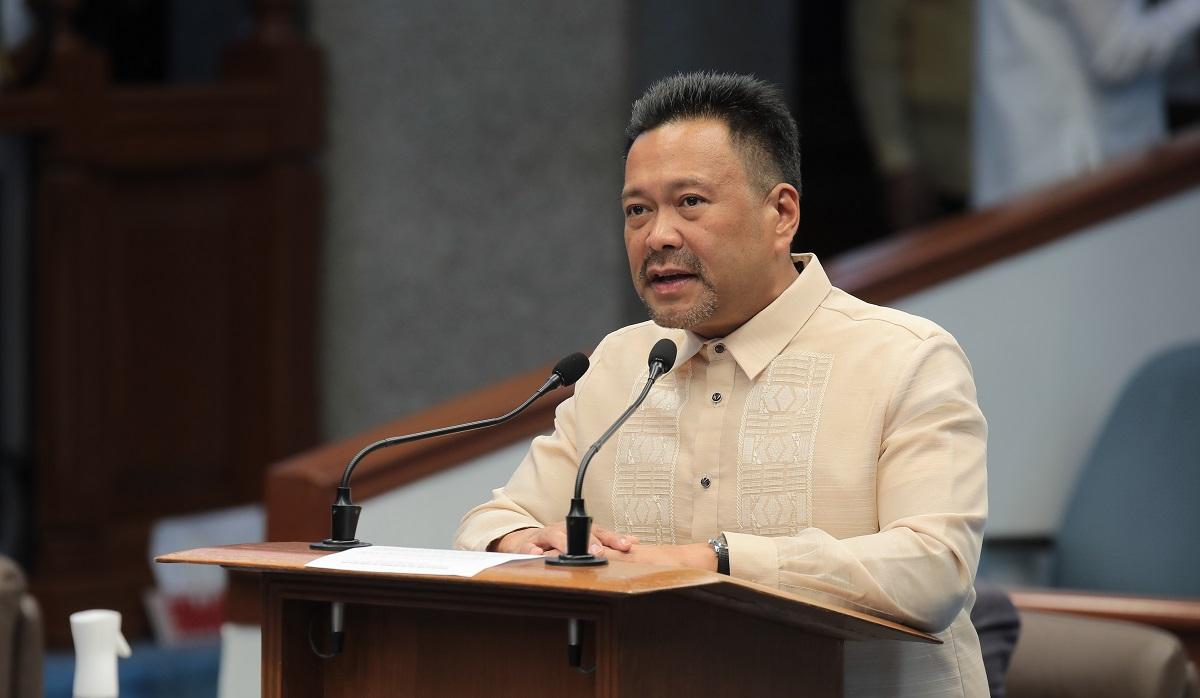

MANILA, Philippines — The Senate has raised concerns over approximately ₱206 billion in budget realignments made by the House of Representatives to the proposed ₱7.2-trillion national budget for 2027, warning that reductions in infrastructure, preventive healthcare, and disaster preparedness funding could affect the government’s long-term development priorities.
Senator JV Ejercito, chairman of the Senate Committee on Finance, questioned the adjustments introduced by the lower chamber, particularly the significant reductions in funding for foreign-assisted infrastructure projects and essential public health programs.
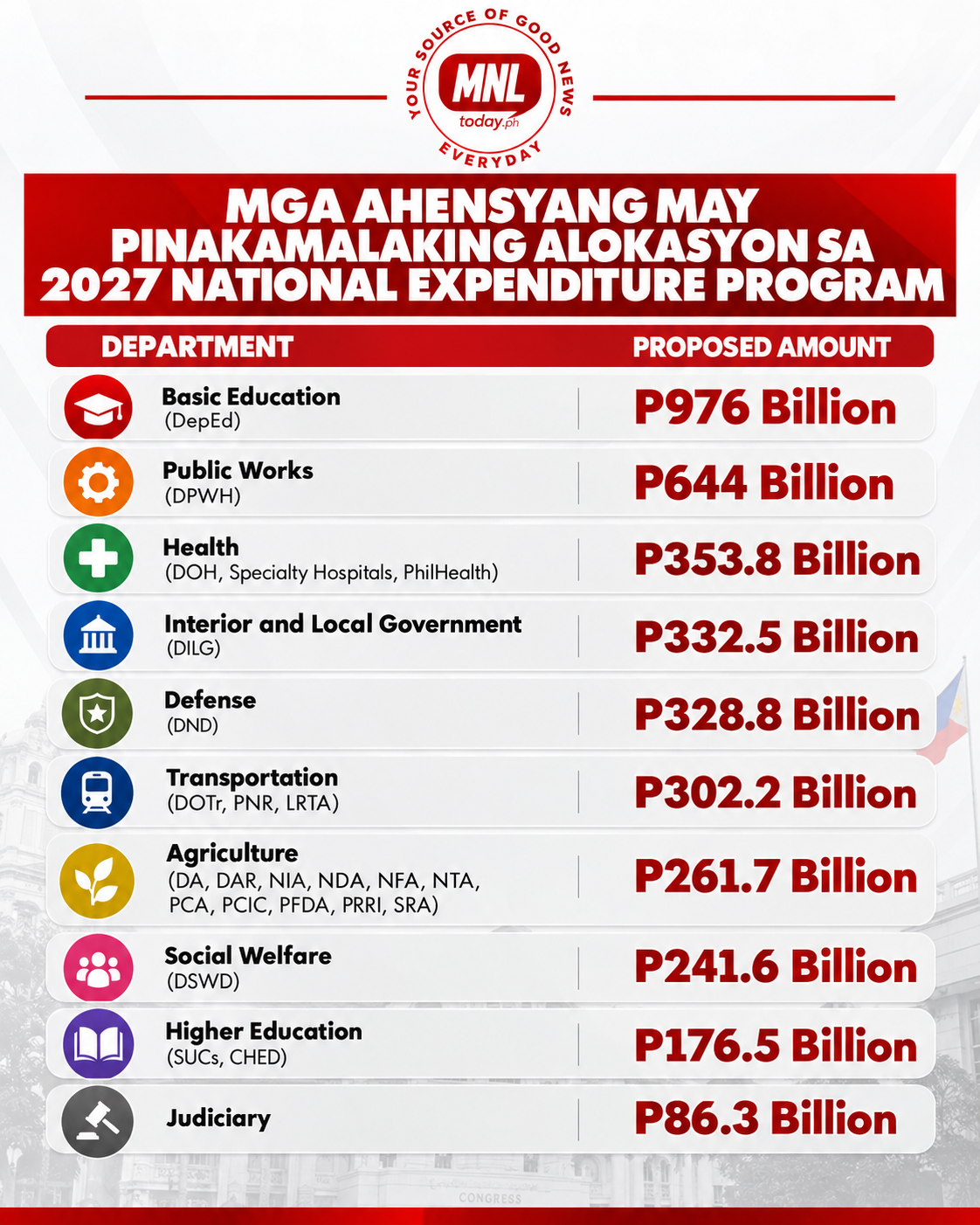
The senator emphasized the importance of carefully reviewing the changes to ensure that government resources are directed toward programs that provide sustainable benefits to Filipinos.
Major Infrastructure Projects Face Funding Reductions
Among the most significant adjustments identified by Ejercito was a ₱130-billion reduction in funding for foreign-assisted projects, including infrastructure initiatives supported by international development partners such as the Japan International Cooperation Agency (JICA) and the Asian Development Bank (ADB).
These projects include major transportation developments such as the Metro Manila Subway, which is expected to improve mobility and ease traffic congestion in the country’s capital region.
Ejercito warned that reducing allocations for these initiatives could further delay their completion, potentially increasing project costs and postponing the economic benefits they are expected to deliver.
The senator also noted that Japan had already sought clarification from the Philippine government regarding delays affecting JICA-supported projects.
For Ejercito, completing existing infrastructure investments should remain a priority, particularly as these projects are intended to improve transportation, generate employment, and strengthen economic activity.
Preventive Healthcare Programs Also Affected
Beyond infrastructure, the Senate finance chairman expressed concern over reductions in funding for several Department of Health (DOH) programs.
Among the adjustments were a ₱4.5-billion reduction for the Health Facilities Enhancement Program, which supports the improvement of hospitals and other medical facilities, a ₱4-billion cut in immunization funding, and a ₱2-billion decrease in health promotion programs.
Meanwhile, the allocation for the Medical Assistance to Indigent and Financially Incapacitated Patients (MAIFIP) program increased by ₱23.9 billion.
Although the program provides financial assistance to patients facing medical expenses, it has also drawn criticism over concerns that
its implementation could become vulnerable to political patronage.
Ejercito, one of the principal authors of the Universal Health Care Act, questioned the decision to reduce preventive healthcare funding while significantly increasing resources for medical assistance.
He stressed that strengthening immunization, health education, and disease prevention is essential to reducing the number of Filipinos who eventually require costly medical treatment.
The adjustments have renewed discussions about whether the government’s healthcare spending should prioritize immediate financial assistance or long-term investments in disease prevention and public health services.
Disaster Preparedness and Flood Control Under Scrutiny
The proposed budget changes also affected disaster preparedness and flood mitigation initiatives.
According to Ejercito, the Calamity Fund was reduced by approximately ₱9.5 billion despite warnings of a potentially strong El Niño that could affect the country.
Within the Department of Public Works and Highways (DPWH), funding for right-of-way acquisitions decreased by ₱2.6 billion, while flood mitigation structures within major river basins experienced a ₱4.6-billion reduction.
However, other infrastructure allocations increased, including an additional ₱13 billion for general construction and maintenance and ₱8.04 billion for overall flood mitigation items.
These adjustments highlight the need for lawmakers to examine which infrastructure projects are being prioritized and whether the changes adequately address the country’s vulnerability to flooding and other natural disasters.
Ejercito said the Senate would push for stricter requirements in evaluating flood control projects, including Regional Development Council approvals and restrictions on lump-sum allocations.
The Senate also intends to prioritize unfinished flood mitigation projects in major river basins and the country’s ten most flood-prone areas.
House Defends Budget Adjustments
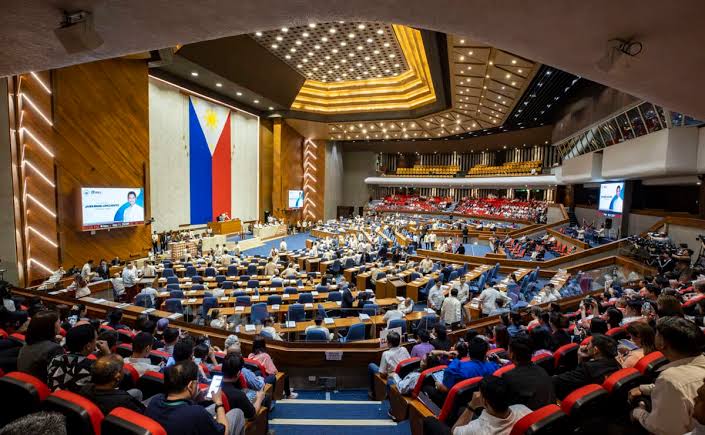
The House of Representatives, meanwhile, has maintained that its amendments to the proposed 2027 national budget were intended to strengthen essential public services.
The lower chamber approved House Bill No. 10858, or the proposed 2027 General Appropriations Bill, on third and final reading on October 12, with 281 lawmakers voting in favor, 13 against, and one abstaining.
House Speaker Faustino Dy III said the spending measure was developed with an emphasis on transparency, responsible public spending, and programs that directly benefit Filipino families.
House Appropriations Committee Chairperson Mikaela Angela Suansing also defended the chamber’s adjustments, explaining that education and healthcare remained among its priorities.
According to the House, approximately ₱116 billion in amendments were introduced to support programs covering education, medical assistance, agriculture, transportation, and other public services.
The House retained the education sector’s ₱1.107-trillion allocation and provided additional funding for scholarships, school safety, learning recovery, and transportation assistance.
While the House has emphasized expanded access to government services, the Senate’s review is expected to examine the impact of reductions in other essential programs.
Senate Begins Detailed Budget Review
With the House-approved budget transmitted to the Senate, lawmakers are preparing for a detailed examination of the proposed allocations.
Ejercito said the Senate Committee on Finance had received the official copy of the House version of the General Appropriations Bill and distributed it to senators and committee vice chairpersons.
Senate subcommittees have until October 23 to submit their reports, while consultations with civil society organizations and budget watchdogs are scheduled for October 26.
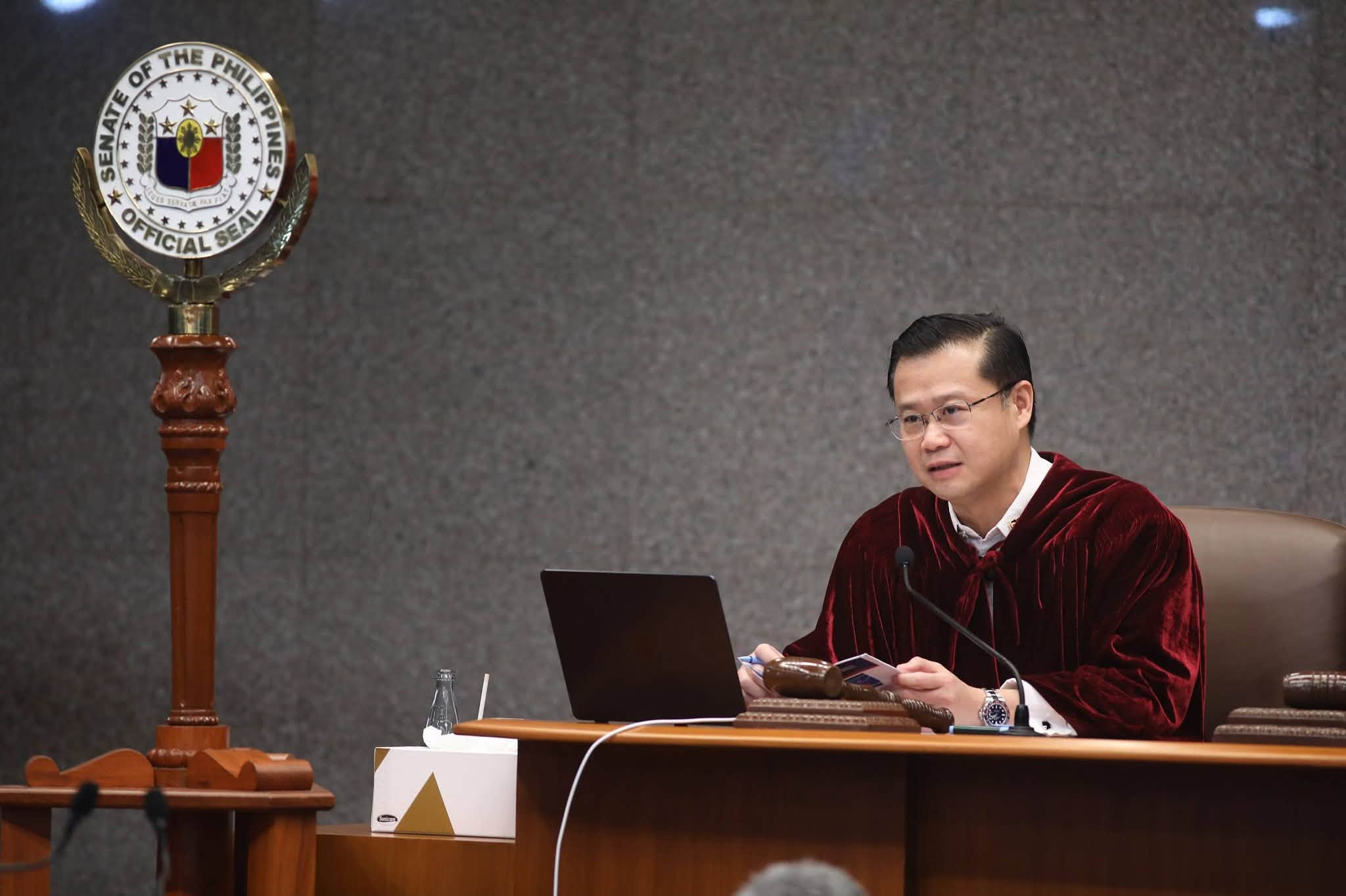
The finance committee chairman is targeting November 11 for the sponsorship of the committee report, followed by plenary debates beginning November 23.
Lawmakers are aiming to complete the budget process by the second week of December, subject to the resolution of differences between the Senate and House versions.
As deliberations continue, the proposed ₱7.2-trillion spending plan faces questions not only about how much funding is allocated but also about which programs receive priority.
For millions of Filipinos who depend on public hospitals, reliable transportation, disaster protection, and essential government services, the final budget decisions could have significant consequences.
The challenge for Congress is to ensure that the 2027 national budget balances immediate public needs with long-term investments, while maintaining transparency and accountability in the use of taxpayers’ money.