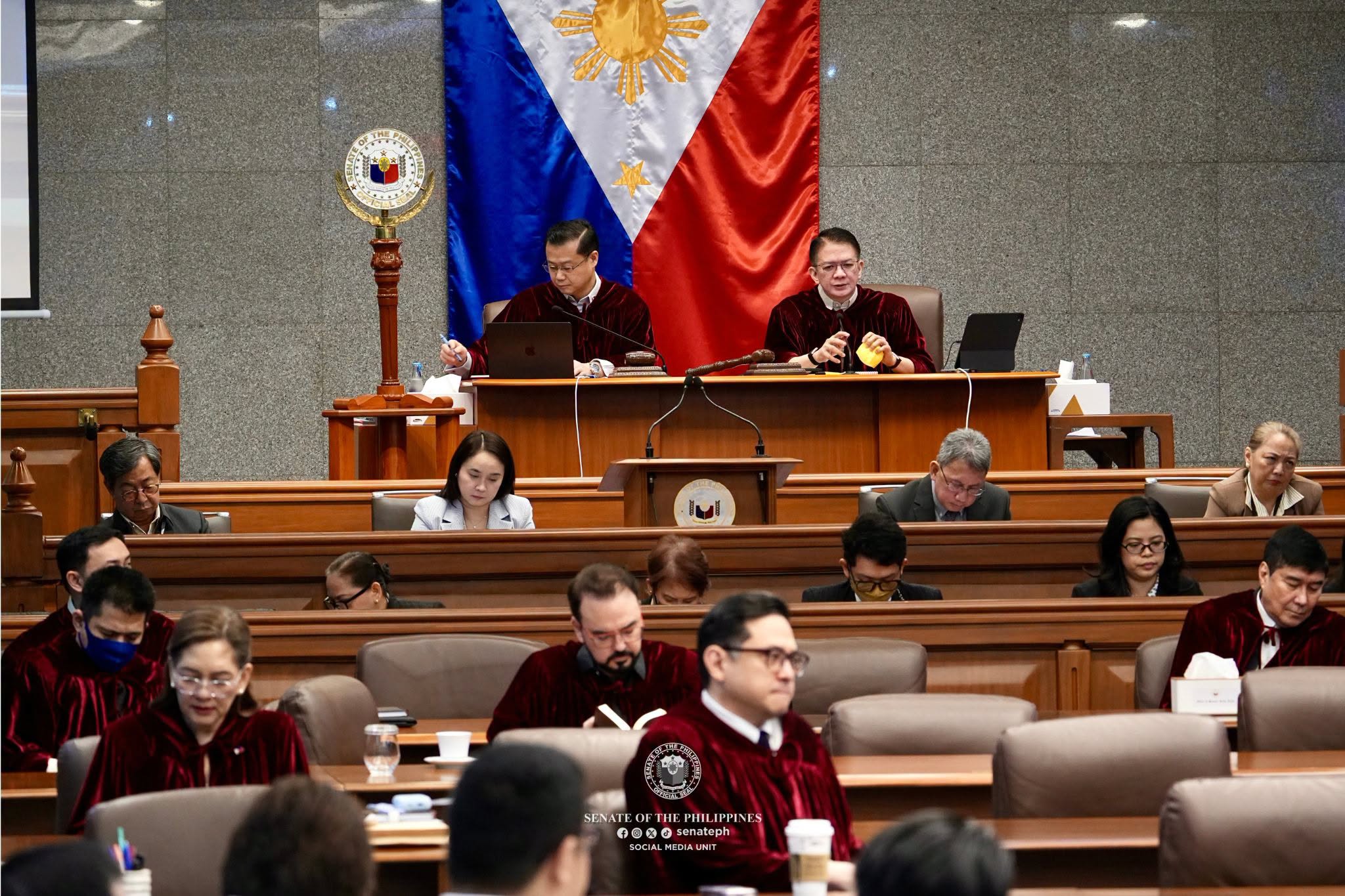

MANILA, Philippines — The impeachment trial of Vice President Sara Duterte has taken a significant turn after House prosecutors withdrew three of the four impeachment charges against her, leaving allegations of unexplained wealth as the sole remaining case before the Senate impeachment court.
On October 13, 2026, the Senate, sitting as an impeachment court, approved the prosecution’s request to withdraw charges involving the alleged misuse of confidential funds, bribery, and grave threats against President Ferdinand Marcos Jr., First Lady Liza Araneta-Marcos, and former House Speaker Martin Romualdez.
The decision narrows the proceedings to Article II of the impeachment complaint, which concerns allegations of unexplained wealth, discrepancies in Statements of Assets, Liabilities and Net Worth (SALNs), and prohibited business interests.
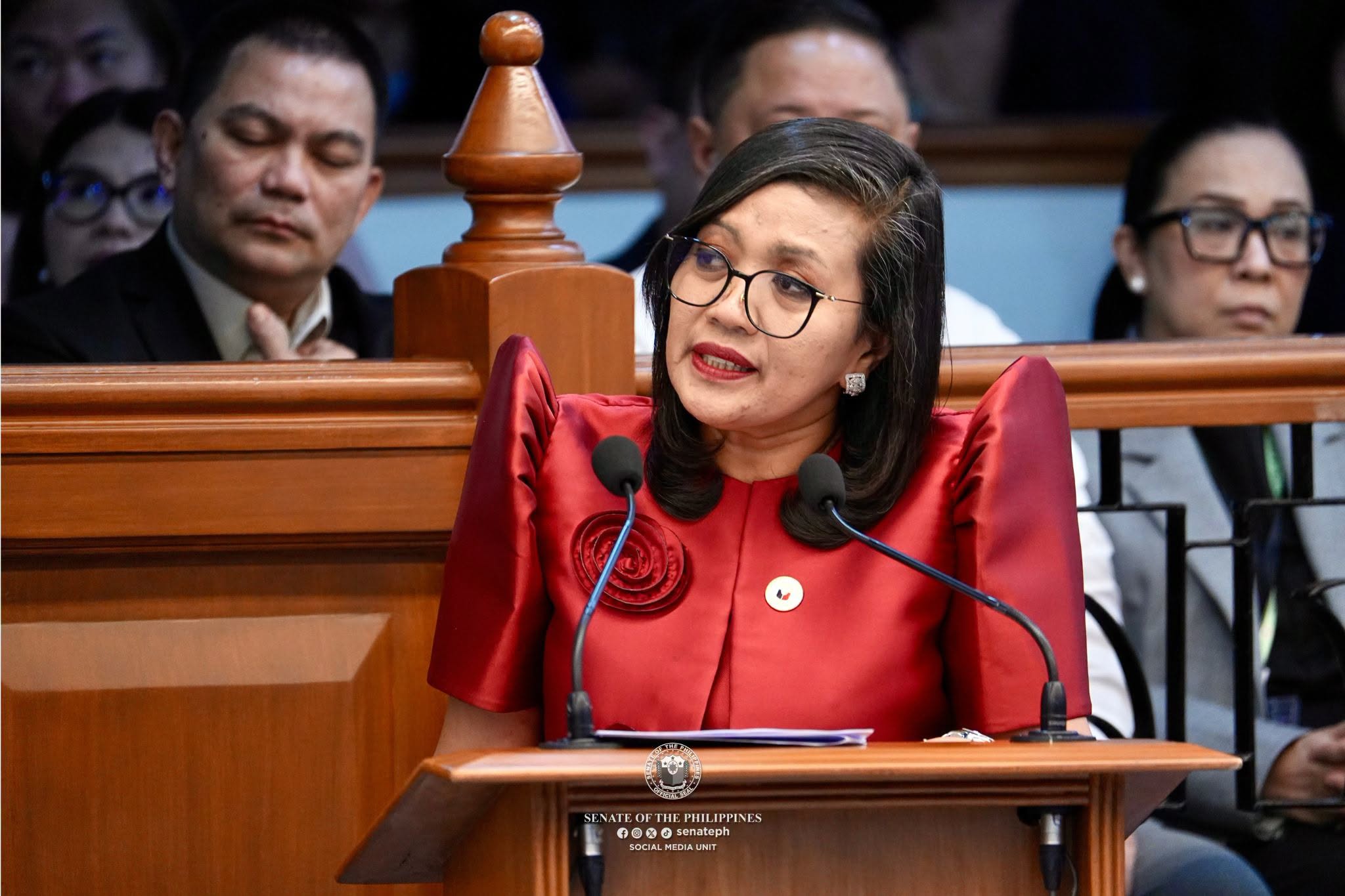
House lead prosecutor and Batangas Representative Gerville Luistro explained that concentrating on one impeachment article would streamline the proceedings and allow the court to focus on the financial evidence already presented.
Prosecutors Focus on Unexplained Wealth Allegations
According to Luistro, the prosecution believes the evidence presented under Article II is sufficient to support Duterte’s conviction and removal from office.
The remaining impeachment charge centers on questions surrounding the Vice President’s declared assets, financial transactions, and business interests involving her husband, lawyer Manases Carpio.
During previous hearings, prosecutors presented financial records, bank documents, and testimony from officials of the Anti-Money Laundering Council (AMLC), insurance companies, and other government agencies.
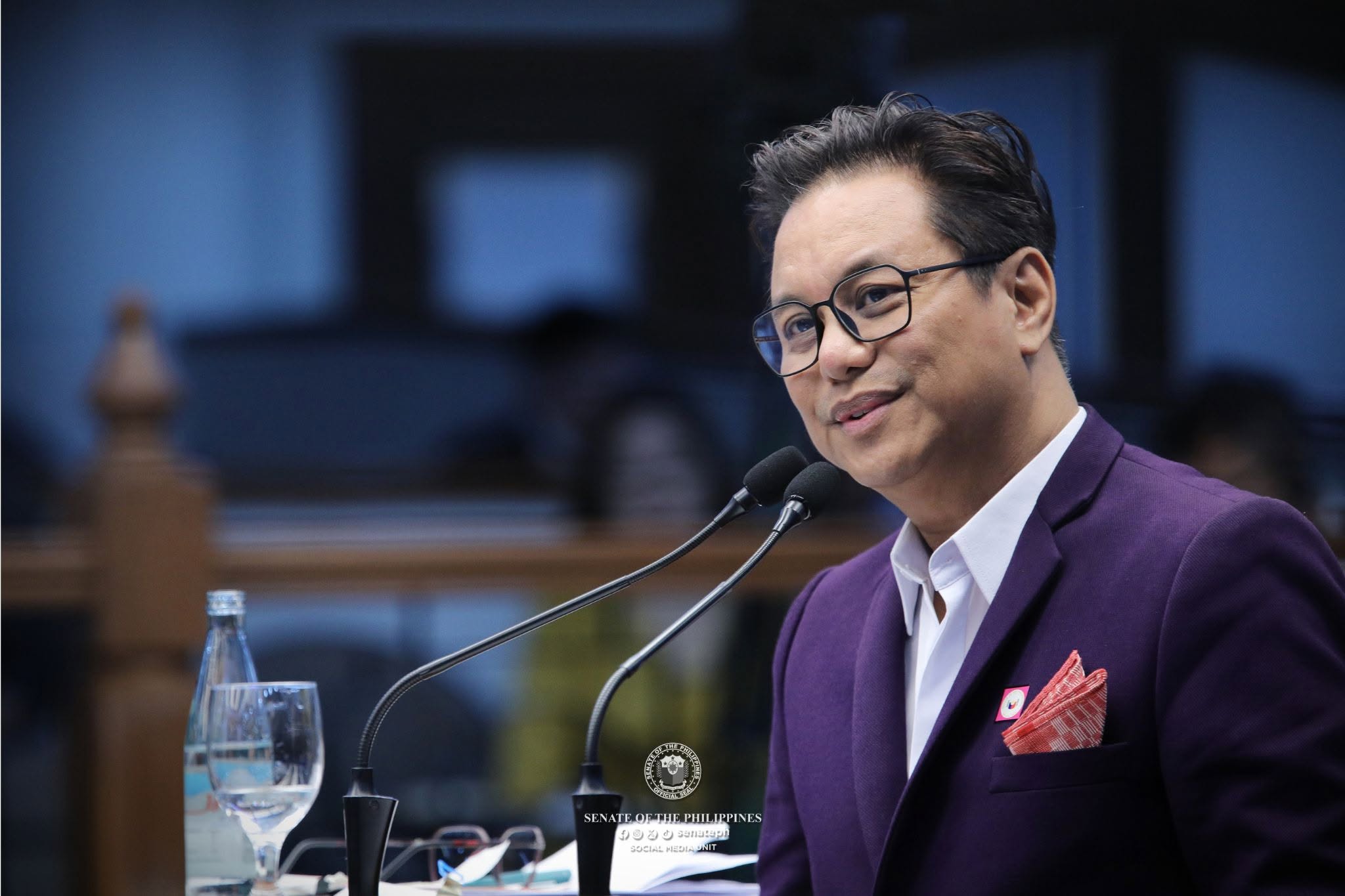
Forensic accounting expert Alexander Cabrera previously presented findings involving approximately ₱817.87 million in allegedly unexplained wealth linked to Duterte and her husband between 2022 and 2025.
However, these findings remain allegations presented by the prosecution and have not been established as grounds for conviction by the impeachment court.
Luistro maintained that the evidence was strong enough to justify proceeding with the unexplained wealth charge alone.
The prosecution also explained that withdrawing the three other articles would eliminate the need to present 32 additional witnesses, potentially shortening the trial.
Three Impeachment Charges Withdrawn
The charges withdrawn from the proceedings include:
- Article I — Alleged Misuse of Confidential Funds: Accusations involving the handling and accounting of confidential funds allocated to the Office of the Vice President and the Department of Education.
- Article III — Bribery: Allegations involving graft and bribery.
- Article IV — Grave Threats: Allegations concerning threats directed at President Marcos, the First Lady, and former House Speaker Romualdez.
Presiding officer Senator Francis Escudero clarified that Articles I and IV were withdrawn with prejudice, meaning they cannot be revived or prosecuted again against Duterte during the same term.
Article III, involving bribery, was withdrawn without prejudice because the prosecution had not yet presented evidence on that charge during the trial.
The withdrawal means the Senate will no longer issue a verdict of conviction or acquittal on the three withdrawn impeachment articles.
Duterte’s Defense Questions Fairness of Withdrawal
The Vice President’s legal team opposed the prosecution’s decision, arguing that withdrawing the charges after evidence had already been publicly presented would deprive Duterte of the opportunity to formally respond to those allegations during the impeachment proceedings.
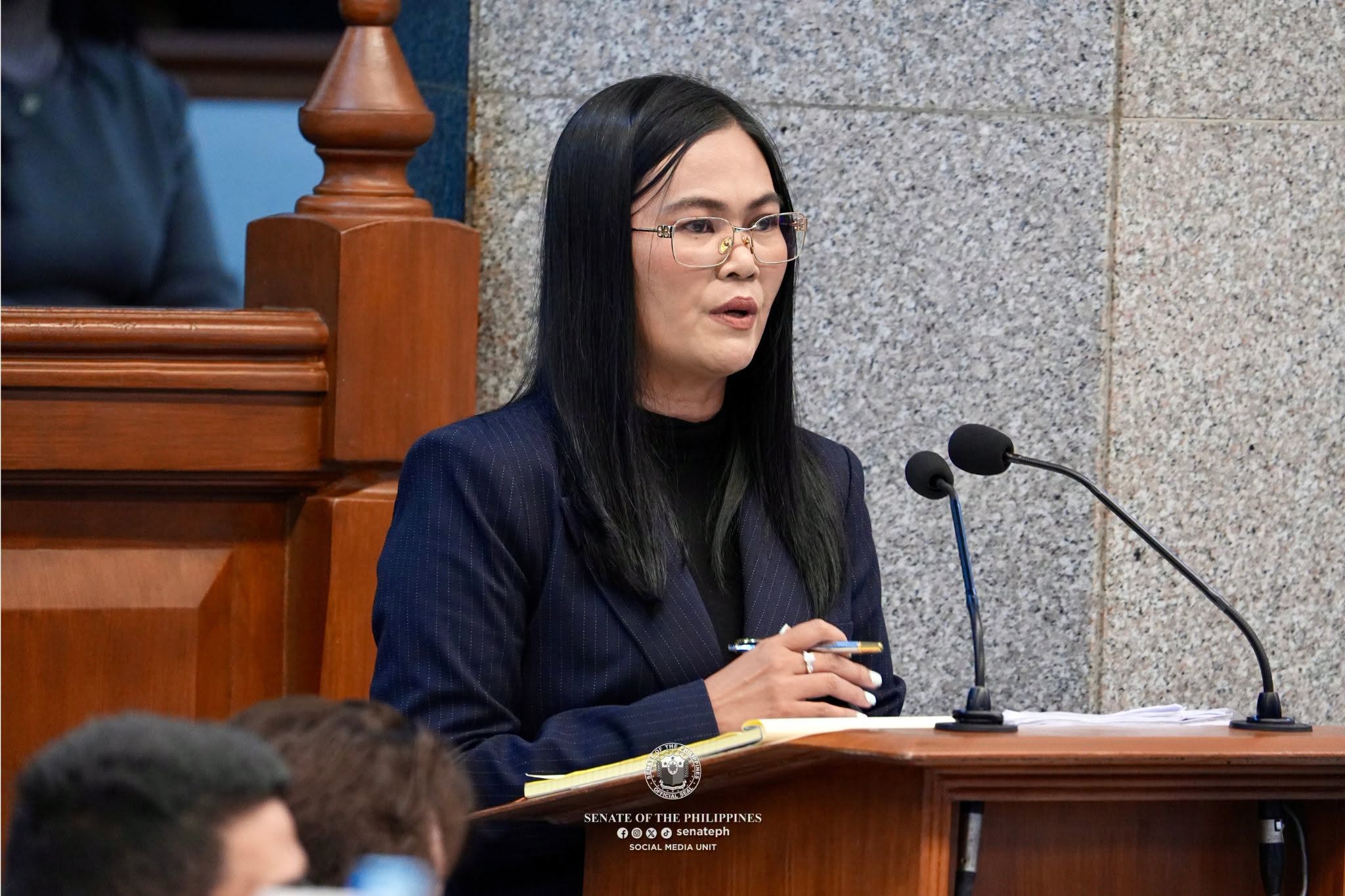
Chief defense counsel Sheila Sison described the move as unfair, particularly because witnesses had already testified regarding some of the withdrawn accusations.
The defense maintained that Duterte should have the opportunity to challenge the evidence and allegations presented against her.
Duterte has repeatedly denied wrongdoing and disputed the prosecution’s claims, including the allegations surrounding her financial records and declared assets.
While the prosecution views the withdrawal as a way to simplify the case, the defense has raised concerns about due process and the possible impact of the previously presented allegations on the Vice President’s reputation.
Following the decision, the impeachment court also clarified that parties may publicly discuss the withdrawn allegations, subject to the court’s conditions concerning the remaining proceedings.
Impeachment Trial Carries Implications for 2028 Elections
The impeachment proceedings have attracted national attention because of their possible consequences for Duterte’s political future.
Under the Philippine Constitution, conviction in an impeachment trial may result in removal from office and disqualification from holding public office.
Such a ruling could affect Duterte’s announced intention to seek the presidency in the 2028 national elections.
The Senate impeachment court has also ruled that only senators capable of participating in the proceedings would be counted in determining the constitutionally required two-thirds vote for conviction.
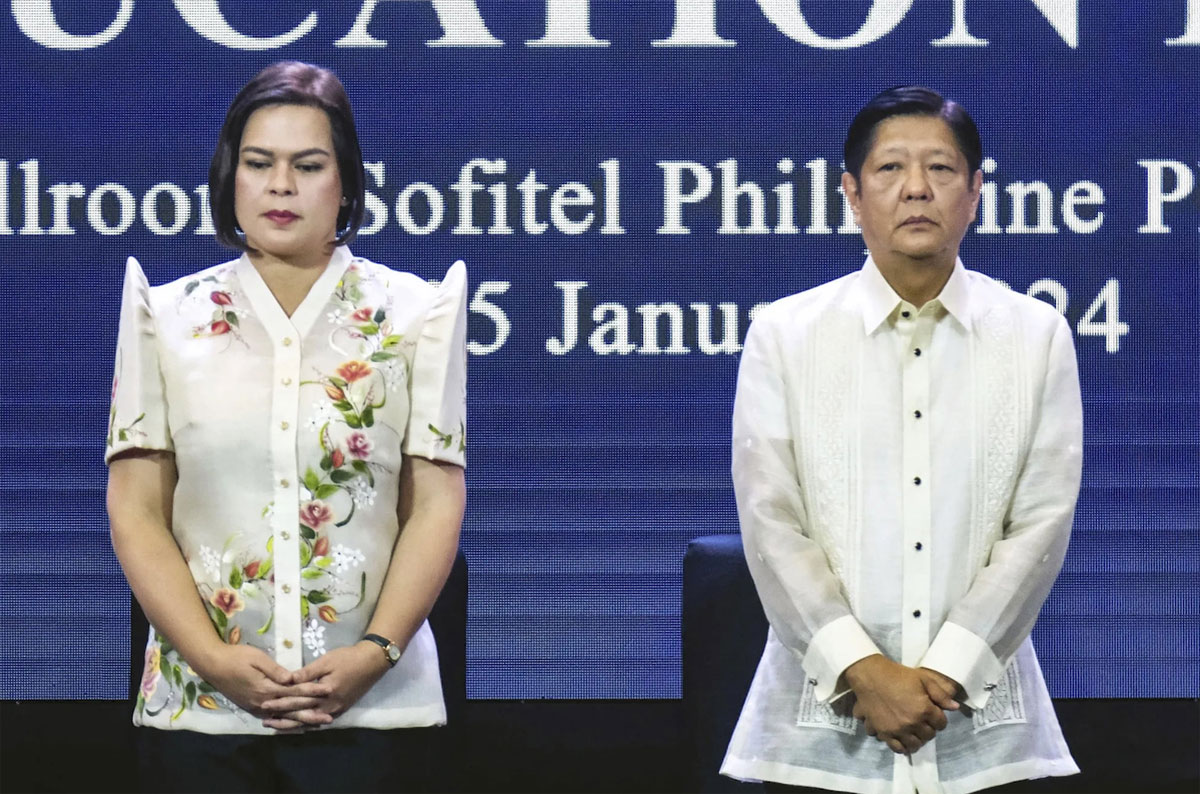
The trial comes amid the continuing political rift between Duterte and President Marcos, who were running mates during the 2022 national elections.
Their political alliance deteriorated after taking office, with disagreements eventually developing into a public dispute between their respective political camps.
The impeachment complaint against Duterte was approved by the House of Representatives in May 2026, while the Senate trial began in July.
Senate to Decide on Remaining Charge
With only Article II remaining, the Senate impeachment court will focus its deliberations on whether the prosecution has sufficiently established the allegations of unexplained wealth and related constitutional violations.
The prosecution’s decision to withdraw three charges does not constitute an acquittal on those allegations, nor does it establish Duterte’s guilt on the remaining article.
The final determination rests with the senator-judges, who must evaluate the evidence and arguments presented by both sides.
As the proceedings continue, the case remains a significant test of the country’s constitutional impeachment process, particularly in balancing accountability, due process, and the independence of the Senate as an impeachment court.
For now, the future of Vice President Sara Duterte’s impeachment case rests on a single remaining allegation: whether the financial evidence presented by prosecutors is sufficient to warrant her removal from office.