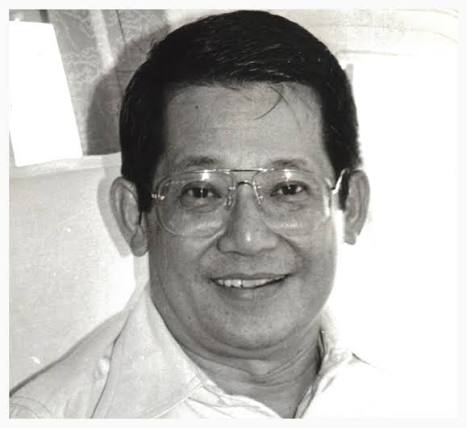

For many Filipinos today, August 21 is simply known as a holiday. Some may recognize Ninoy Aquino from the ₱500 bill, while others may know him as the husband of former President Corazon Aquino or the father of television personality Kris Aquino. But beyond the familiar face, the famous surname and the holiday on the calendar lies a story of sacrifice, political struggle and a defining chapter in Philippine history.
Ninoy Aquino Day is more than a non-working holiday. It commemorates the death of Benigno “Ninoy” Aquino Jr., one of the most prominent critics of former President Ferdinand Marcos during the years of authoritarian rule. To understand why his death is remembered, however, is to understand the political circumstances that led to his imprisonment, exile and eventual assassination.
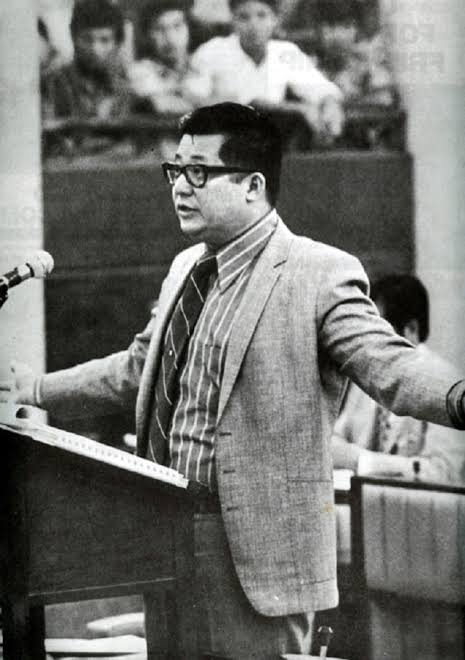
For a generation that did not personally experience Martial Law, learning about Ninoy Aquino also means learning about the atmosphere of fear and political repression that existed during that period. Aquino was among the leading opposition figures who challenged the Marcos administration. Following the declaration of Martial Law in 1972, he was arrested and detained. He was eventually tried before a military commission and sentenced to death.
It is a part of history that can leave today’s generation asking a difficult question: What did Ninoy Aquino do to deserve imprisonment and a death sentence?
For his supporters, Aquino was being punished for challenging a powerful government and speaking out against what he believed were abuses and corruption under the Marcos regime. His imprisonment lasted for years, and even while behind bars, he remained a prominent symbol of opposition.
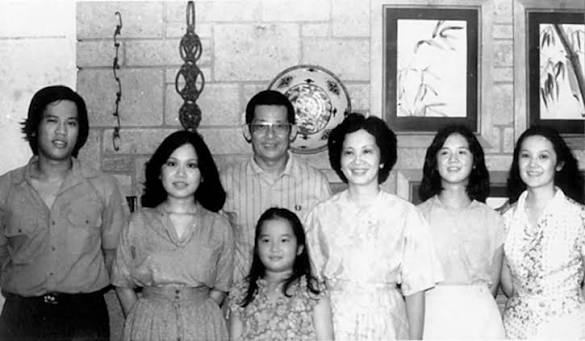
In 1980, Aquino was allowed to leave the Philippines for medical treatment in the United States. He would spend several years in exile, but despite the relative safety he had found abroad, he eventually decided to return to the Philippines. That decision would become the final chapter of his life.
On August 21, 1983, Aquino arrived at the Manila International Airport after years away from the country. As he was being escorted down the stairs of the aircraft, he was shot and killed. Rolando Galman, who was also killed moments later, was initially identified by authorities as the gunman responsible for the assassination. But the official account was immediately met with disbelief and questions.
An investigation by the Agrava Fact-Finding Board later concluded that Aquino and Galman were victims of a conspiracy involving military personnel, rejecting the government’s initial explanation that Galman alone was responsible. The subsequent legal proceedings, however, failed to provide an answer that would permanently settle the question of who ultimately ordered and carried out the assassination.
And so, decades later, one question continues to surround one of the most controversial political killings in Philippine history: Who really killed Ninoy Aquino?
The circumstances surrounding his death remain the subject of historical discussion and debate. What is beyond dispute, however, is what happened afterward.
Ninoy’s assassination became a turning point in Philippine history. His death triggered widespread public outrage and strengthened the opposition movement against the Marcos administration. What followed several years later was the 1986 People Power Revolution, which ended Marcos’ presidency and brought Corazon Aquino to Malacañang. But Ninoy himself never witnessed any of it. He never became president. He never saw his wife assume the country’s highest office. He never saw the crowds gather along EDSA or witness the political transformation that his assassination helped set in motion. He died before knowing what his sacrifice would ultimately mean.
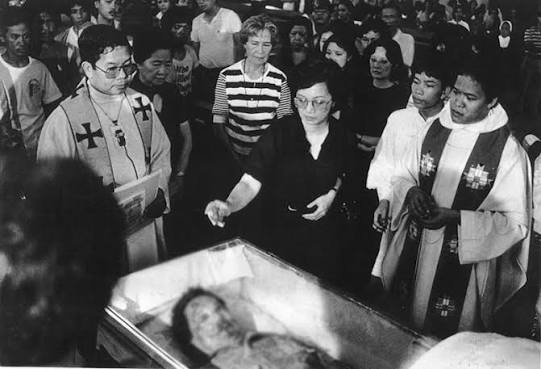
This is perhaps why remembering Ninoy Aquino should go beyond seeing his face on the ₱500 bill or recognizing his name because an airport carries it. For many young Filipinos, he is a historical figure whose story happened more than four decades ago. But his life provides a doorway into understanding Martial Law, political opposition, the struggle for democracy and the consequences of challenging political power.
I first learned about Ninoy Aquino through documentaries about his life. And every time, the story seemed to lead toward the same ending—the image of Aquino walking down the stairs at the Manila International Airport, followed by the gunshot that ended his life. The airport where he was killed would eventually be renamed the Ninoy Aquino International Airport, permanently attaching his name to the place where his life came to an end. But knowing how Ninoy died should not be the end of learning about him.
We should also ask who he was before that final moment. We should listen to his speeches, understand his political beliefs, learn about the years he spent in prison and examine the circumstances that pushed him into exile. Most importantly, we should understand why, despite knowing the risks, he chose to come home.
History, however, is complicated. The Philippines has gone through two Aquino presidencies, and decades after Ninoy’s assassination, a Marcos once again occupies the country’s highest office. For some Filipinos, this creates an uncomfortable question: After everything Ninoy Aquino sacrificed, what happened to the cause for which he gave his life?
Did he die for a cause that was ultimately fulfilled, or did the country eventually move away from the ideals he represented?There may never be one answer that satisfies everyone.
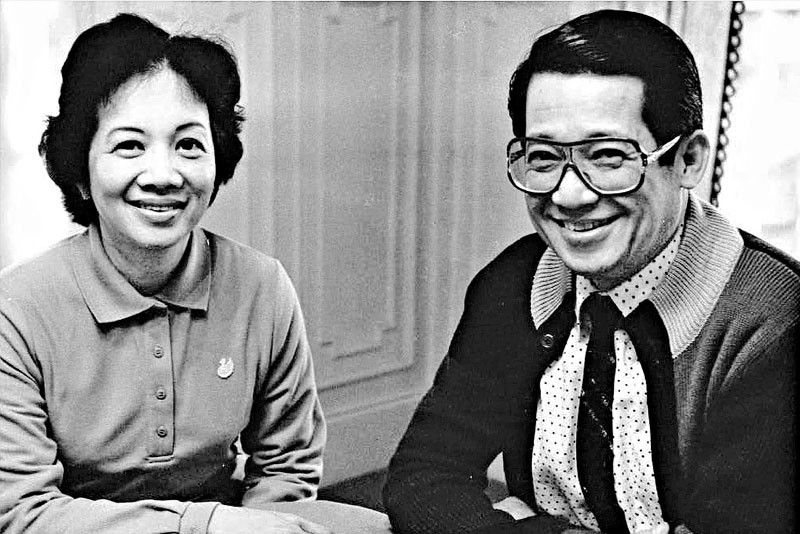
Ninoy Aquino was a politician, a husband, a father, a senator and a man with political ambitions. Like every historical figure, he was not without flaws. But regardless of political affiliation, his death undeniably altered the direction of the Philippines.
His assassination helped awaken a nation. His death became a rallying point for people who demanded change. And his story became part of the larger struggle that eventually led millions of Filipinos to the streets of EDSA.
More than four decades later, perhaps the greatest danger is not disagreement over Ninoy Aquino’s legacy. It is forgetting why his story mattered in the first place.
August 21 should not simply be remembered as a day without work. It should be a day to look back at a period when political freedom was challenged, when opposition came with enormous personal risks, and when one Filipino politician chose to return home despite knowing the dangers that awaited him.
For today’s generation, Ninoy Aquino should be more than the man on the ₱500 bill, more than Cory Aquino’s husband, and more than Kris Aquino’s father.
He should be remembered as a Filipino whose life and death became inseparable from one of the country’s most difficult struggles for democracy.
The questions surrounding his assassination may continue to be debated. His political legacy may continue to divide opinions. And the meaning of his sacrifice may be interpreted differently by every generation.But perhaps that is exactly why we must continue to learn about him. Because remembering Ninoy Aquino is not simply about remembering the man who died on August 21, 1983.
It is about remembering the Philippines he died believing was worth coming home to.