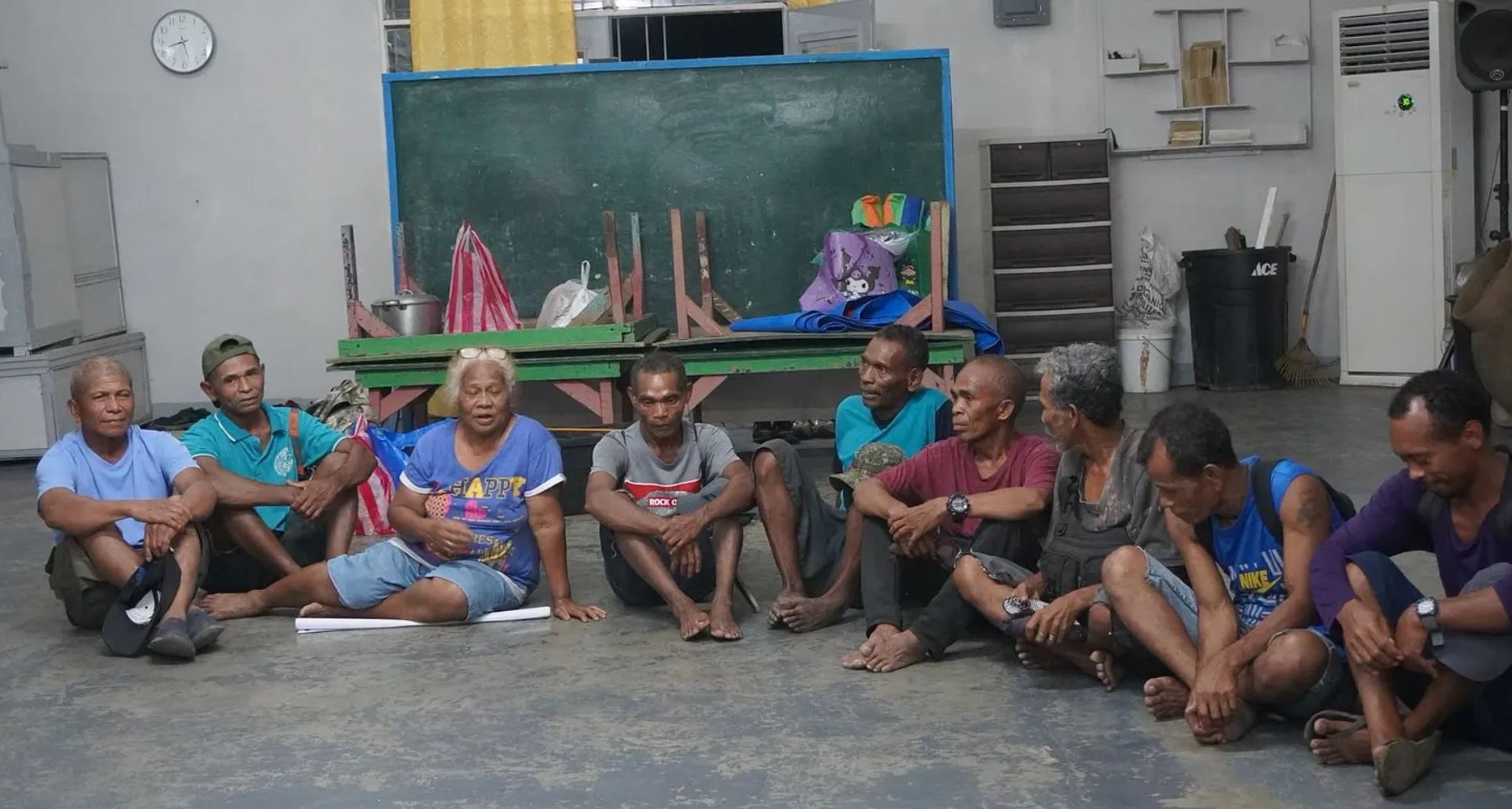

OLONGAPO CITY — Indigenous Aytas from communities surrounding Mt. Balimpuyo in Olongapo City have raised concerns over the implementation of a solar power project by Aboitiz Renewables, alleging that government agencies failed to adequately protect their ancestral land, livelihoods, and right to free, prior and informed consent (FPIC).
The concerns were raised during an environmental investigation mission in the city, where Ayta residents and Indigenous rights and environmental groups documented alleged displacement, livelihood losses, tree-cutting, and other environmental impacts associated with the Olongapo Solar Power Project.
For the affected communities, however, the issue goes beyond a dispute over a renewable energy project. It has raised a larger question about whether government institutions are adequately protecting Indigenous peoples whose ancestral lands are affected by development projects.
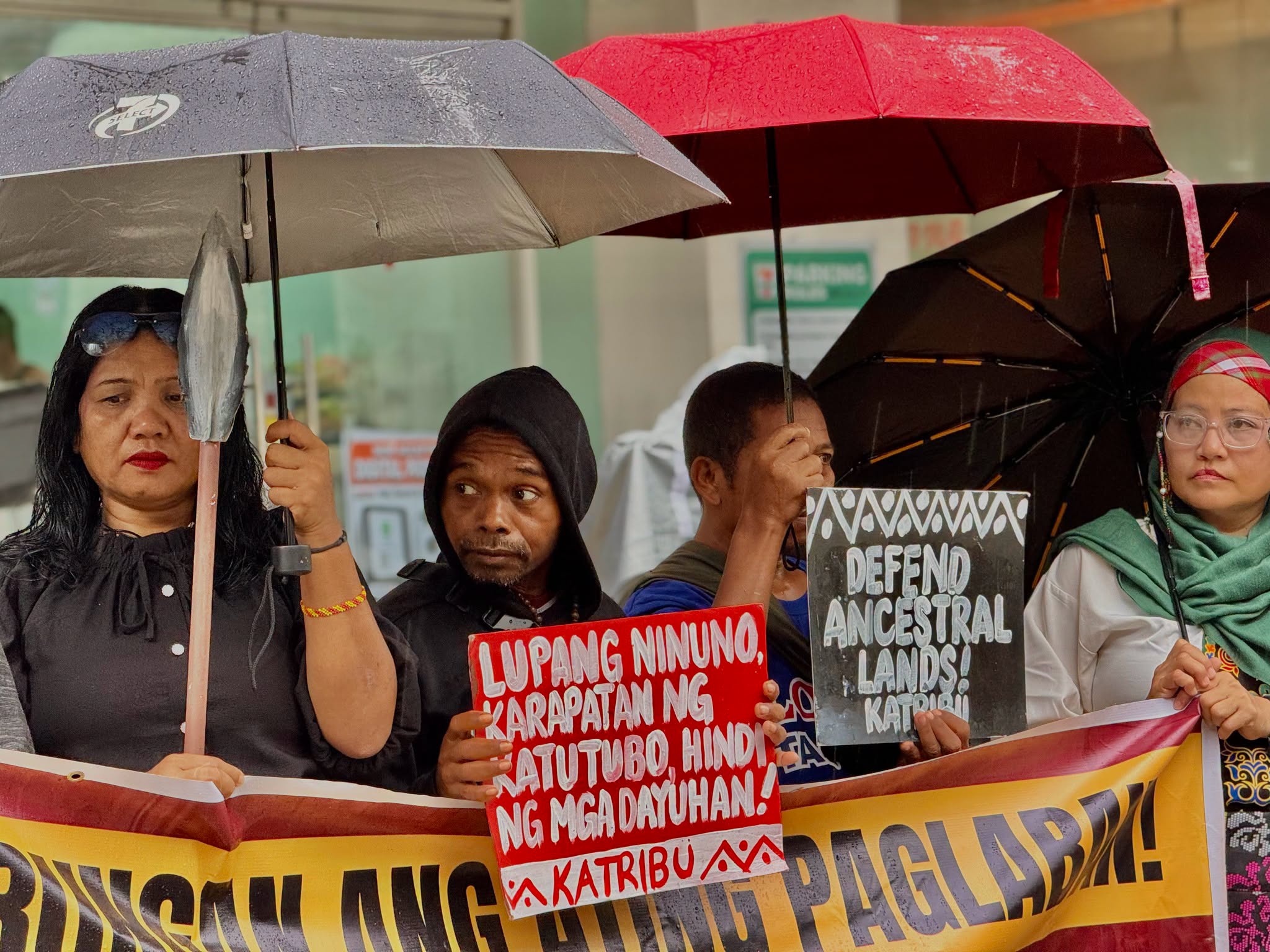
With the continuing relocation and displacement of Indigenous communities in the name of development, many are asking: Can Indigenous peoples still rely on the government to protect their rights and ancestral lands?
The situation also raises concerns about whether government decisions are consistently being made in the interest of the people, particularly communities with limited political and economic power, or whether the interests of more influential groups are being given greater consideration.
The Constitution and the Indigenous Peoples’ Rights Act recognize the rights of Indigenous peoples to their ancestral domains and provide mechanisms intended to protect their interests. For affected Aytas, however, the challenge is whether these protections are being meaningfully implemented on the ground.
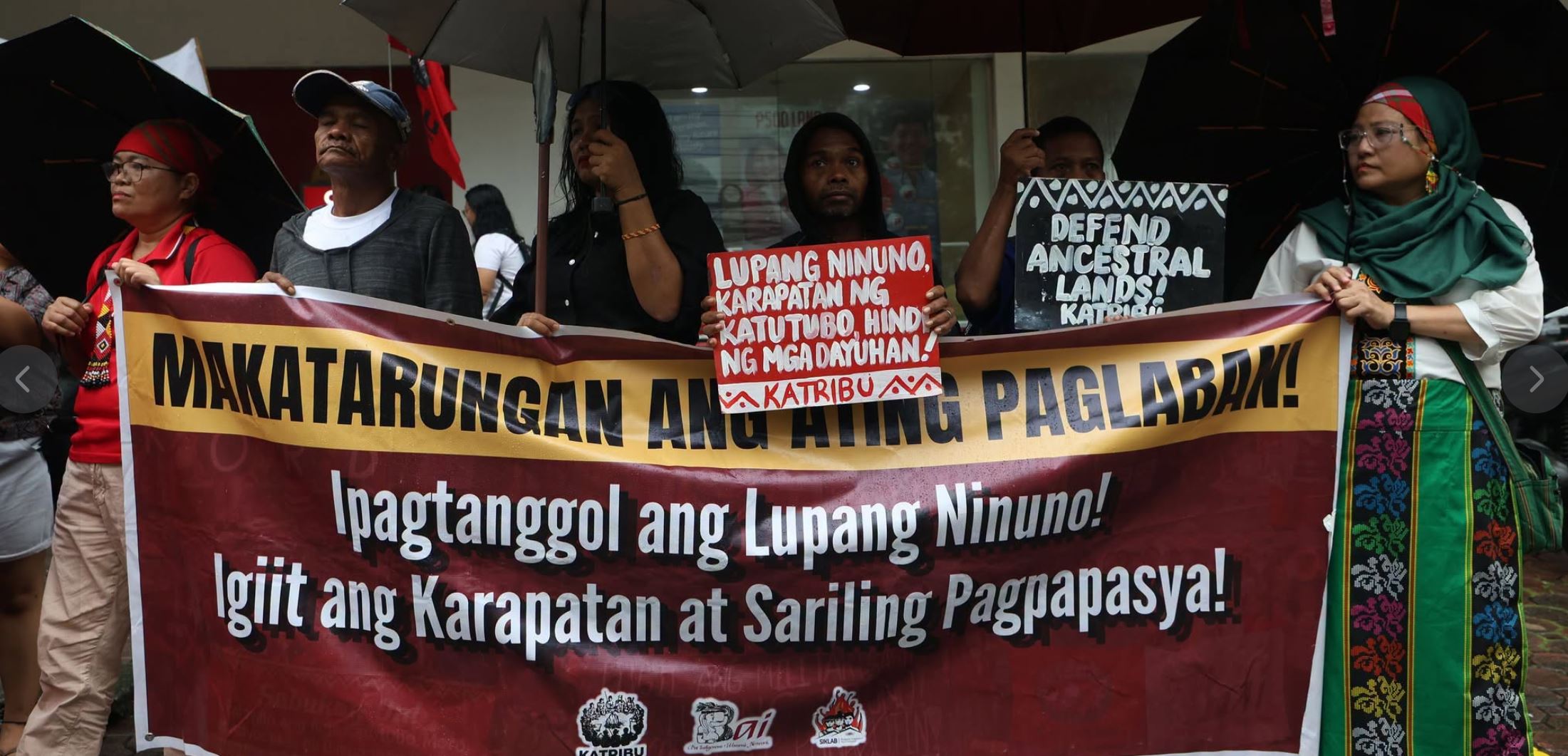
As development projects continue to expand into areas inhabited or traditionally used by Indigenous communities, the controversy surrounding Mt. Balimpuyo underscores the need for greater transparency, genuine consultation and accountability from government agencies.
For the Aytas, the struggle is ultimately about more than compensation or employment opportunities. It is about whether development can move forward without sacrificing the ancestral lands, culture, livelihood and rights of the communities that have called these areas home for generations.
The question now remains: When development and Indigenous rights come into conflict, whose interests will the government choose to protect?