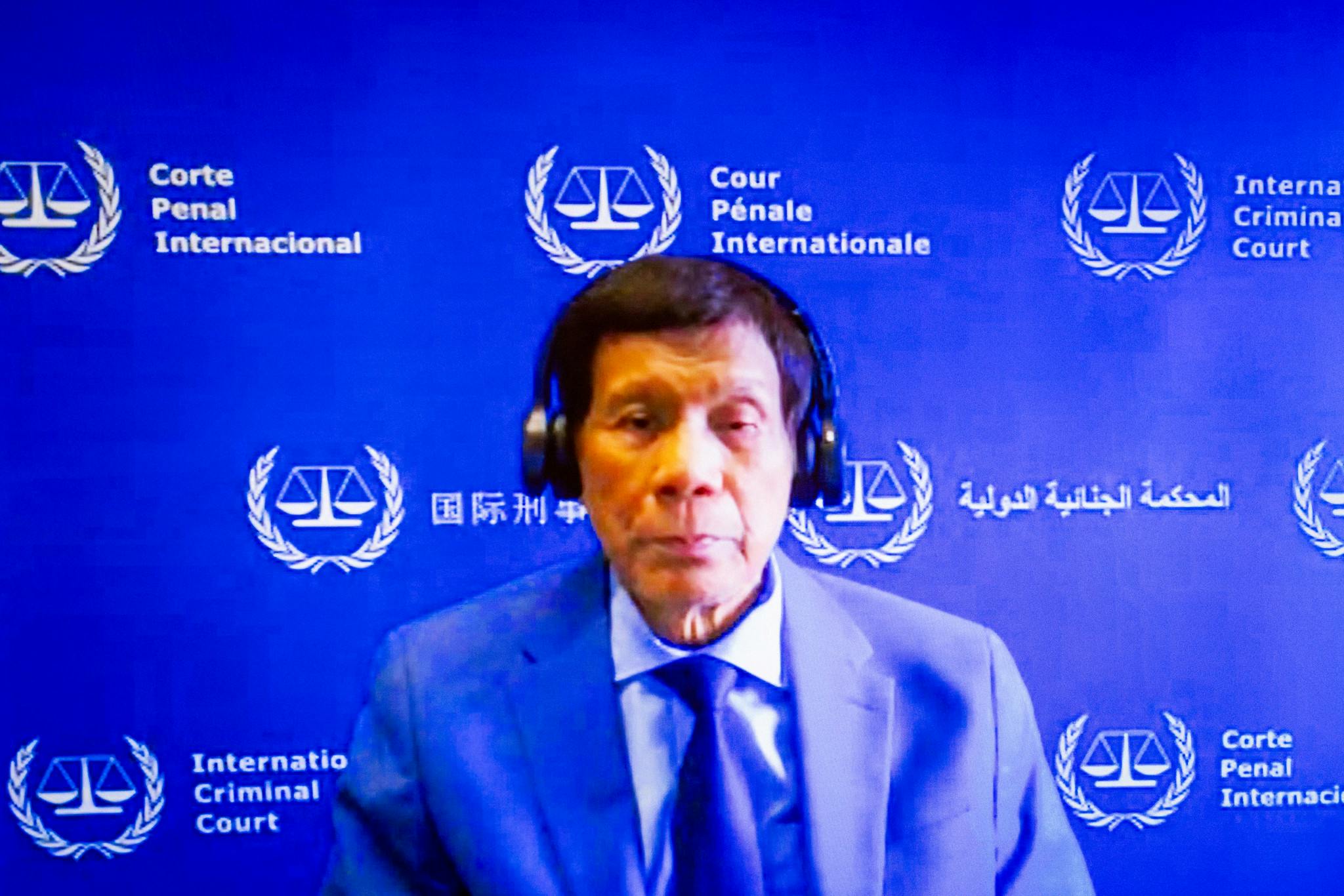

Former Philippine President Rodrigo Duterte will remain in detention at the International Criminal Court (ICC) facility in The Hague after judges ruled that there is still a “heightened risk of flight” and possible obstruction of court proceedings if he is released while awaiting trial for alleged crimes against humanity tied to his controversial anti-drug campaign.
In a decision released Friday, the ICC Trial Chamber ordered the continued detention of Duterte, saying the conditions that justified his earlier detention have not changed. The chamber noted concerns that the former president could evade court proceedings due to his political influence, international connections, and access to networks that may assist him if he were allowed temporary liberty.
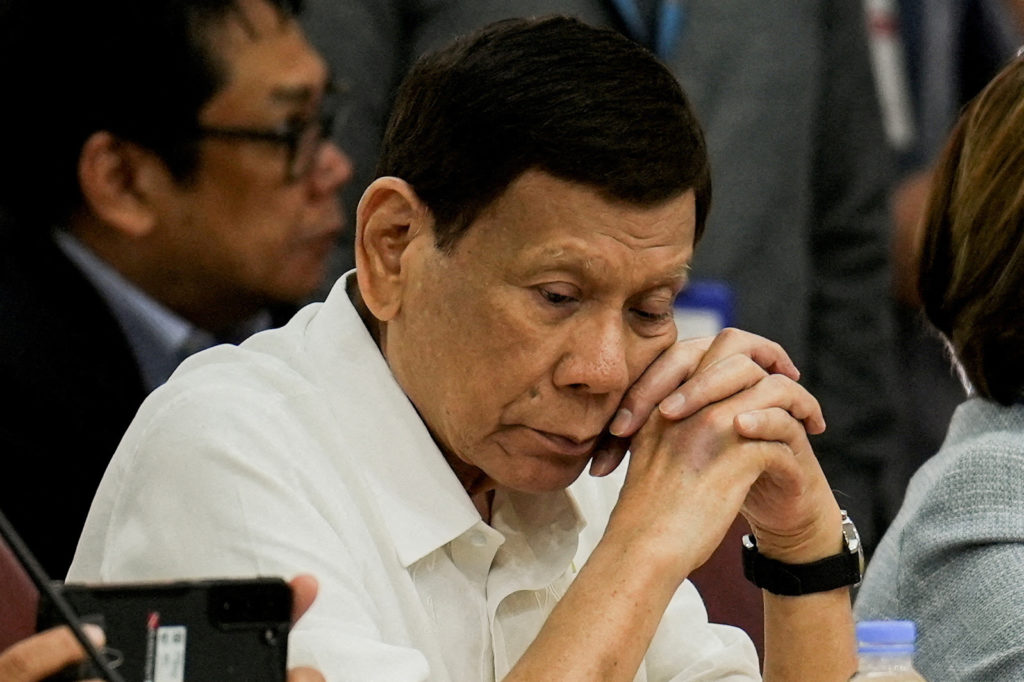
The ruling comes as Duterte prepares to face trial before the ICC over allegations connected to thousands of deaths linked to his administration’s anti-illegal drugs campaign. Prosecutors accused Duterte of crimes against humanity, alleging that killings committed during the drug war were systematic and widespread.
The ICC also considered arguments from prosecutors and legal representatives of victims who earlier urged the court to keep Duterte detained pending trial. Prosecutors maintained that releasing the former president could pose risks to witnesses and the integrity of the proceedings.
Duterte, who has repeatedly questioned the ICC’s jurisdiction over the Philippines, is being held at the ICC detention center in The Hague after his arrest earlier this year. He became the first former Philippine president and the first Asian head of state to stand trial before the international tribunal.
The Philippines officially withdrew from the Rome Statute in 2019 under Duterte’s administration, but the ICC maintained that it still has jurisdiction over alleged crimes committed while the country was still a member of the court.
Earlier this year, the ICC confirmed the charges against Duterte and formally committed the case to trial after judges found “substantial grounds” to believe he may be criminally responsible for crimes against humanity.
Reports also indicated that Duterte would skip some upcoming hearings due to health and legal considerations, with his defense team continuing to challenge aspects of the proceedings.
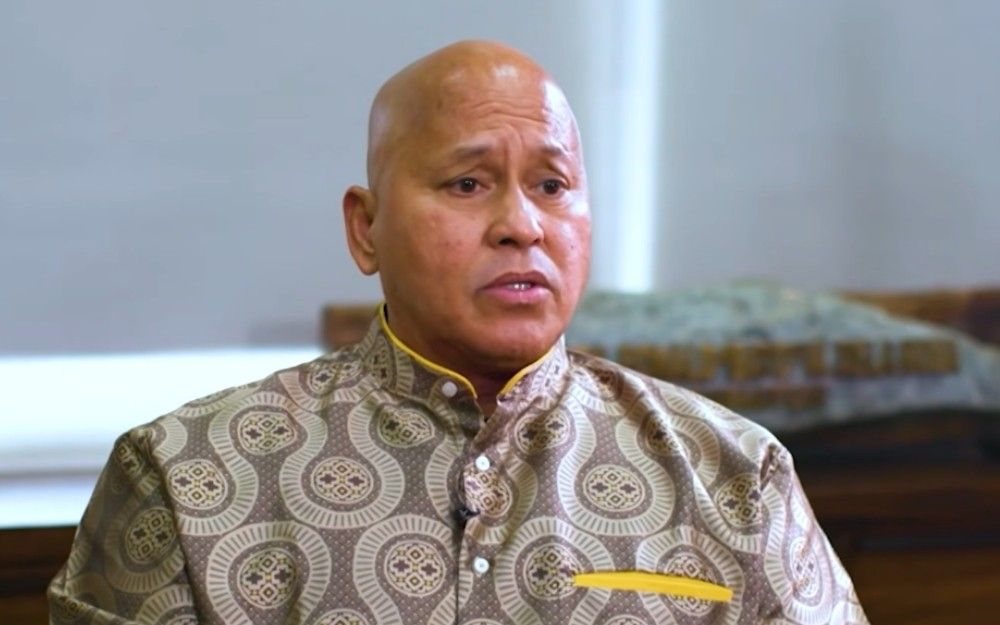
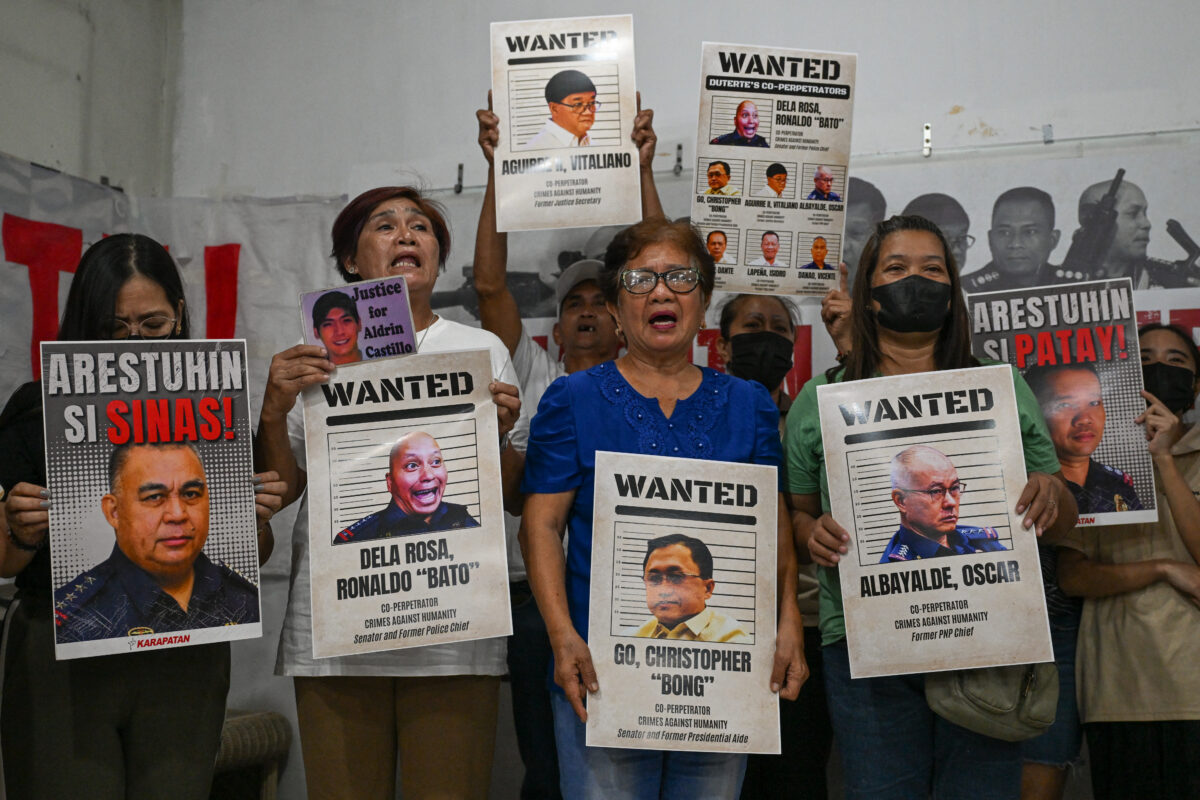
The latest ICC ruling adds another major development to the ongoing political and legal turmoil surrounding the Duterte camp, which also includes international arrest efforts against former police chief and Senator Ronald dela Rosa, one of Duterte’s closest allies during the drug war campaign.
Human rights groups welcomed the ICC’s decision, saying it ensures accountability efforts will continue uninterrupted. Duterte supporters, meanwhile, continue to insist that the former president is being politically targeted and that Philippine courts—not international bodies—should handle the matter.
The ICC trial against Duterte is expected to continue in the coming months as prosecutors present evidence and witness testimonies related to the killings linked to the anti-drug operations conducted during his presidency and his time as Davao City mayor.