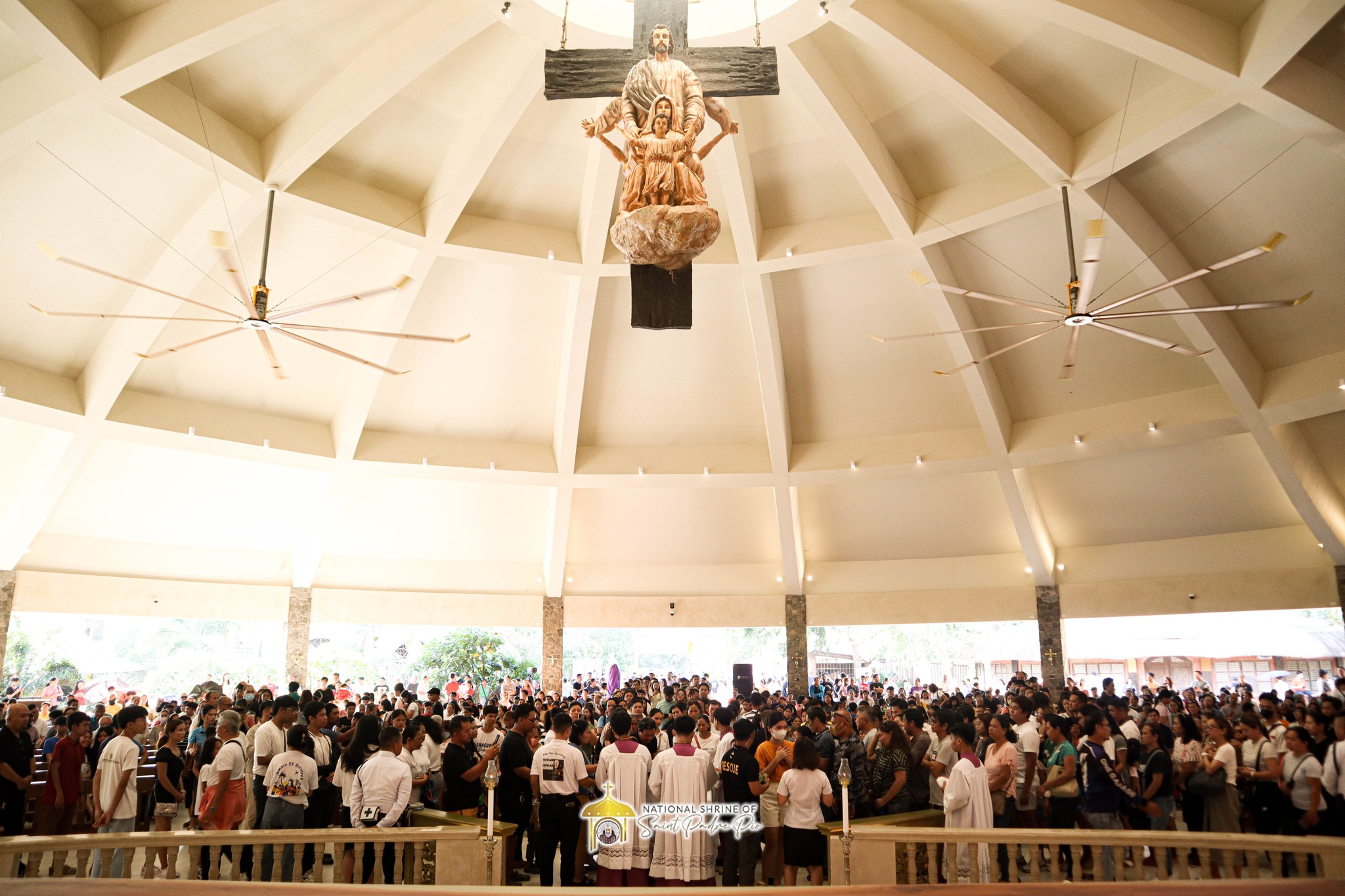

STO. TOMAS CITY, Batangas — The Vatican has officially elevated the National Shrine and Parish of St. Padre Pio in Sto. Tomas City, Batangas, to the status of an international shrine, making it only the second church in the Philippines to receive the prestigious designation. The recognition was granted through a decree issued by the Holy See’s Dicastery for Evangelization on May 25, 2026, coinciding with the 139th birth anniversary of St. Padre Pio.
The announcement was made public on June 4 by church officials, who described the elevation as a historic milestone for the Catholic faithful in the country and abroad. With the new designation, the church will now be known as the International Shrine and Parish of St. Padre Pio. A formal and solemn declaration of its international shrine status is scheduled on September 23, the feast day of St. Padre Pio.
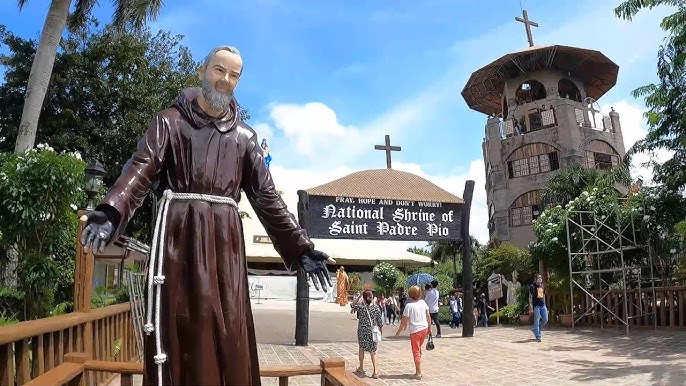
The Batangas-based shrine now joins the International Shrine of Our Lady of Peace and Good Voyage as the country’s only international shrines. The distinction is reserved for places of worship that hold exceptional significance for the universal Church and attract pilgrims from different nations. Approval from the Holy See is required under Canon Law before a church can be recognized as an international shrine.
Church leaders said the recognition reflects the growing devotion to St. Padre Pio not only in the Philippines but throughout Asia. Prior to the Vatican’s approval, the Catholic Bishops’ Conference of the Philippines (CBCP) unanimously endorsed the shrine’s application during its plenary assembly in July 2024. The bid also received support from several episcopal conferences across Asia, which strengthened the case for international recognition.
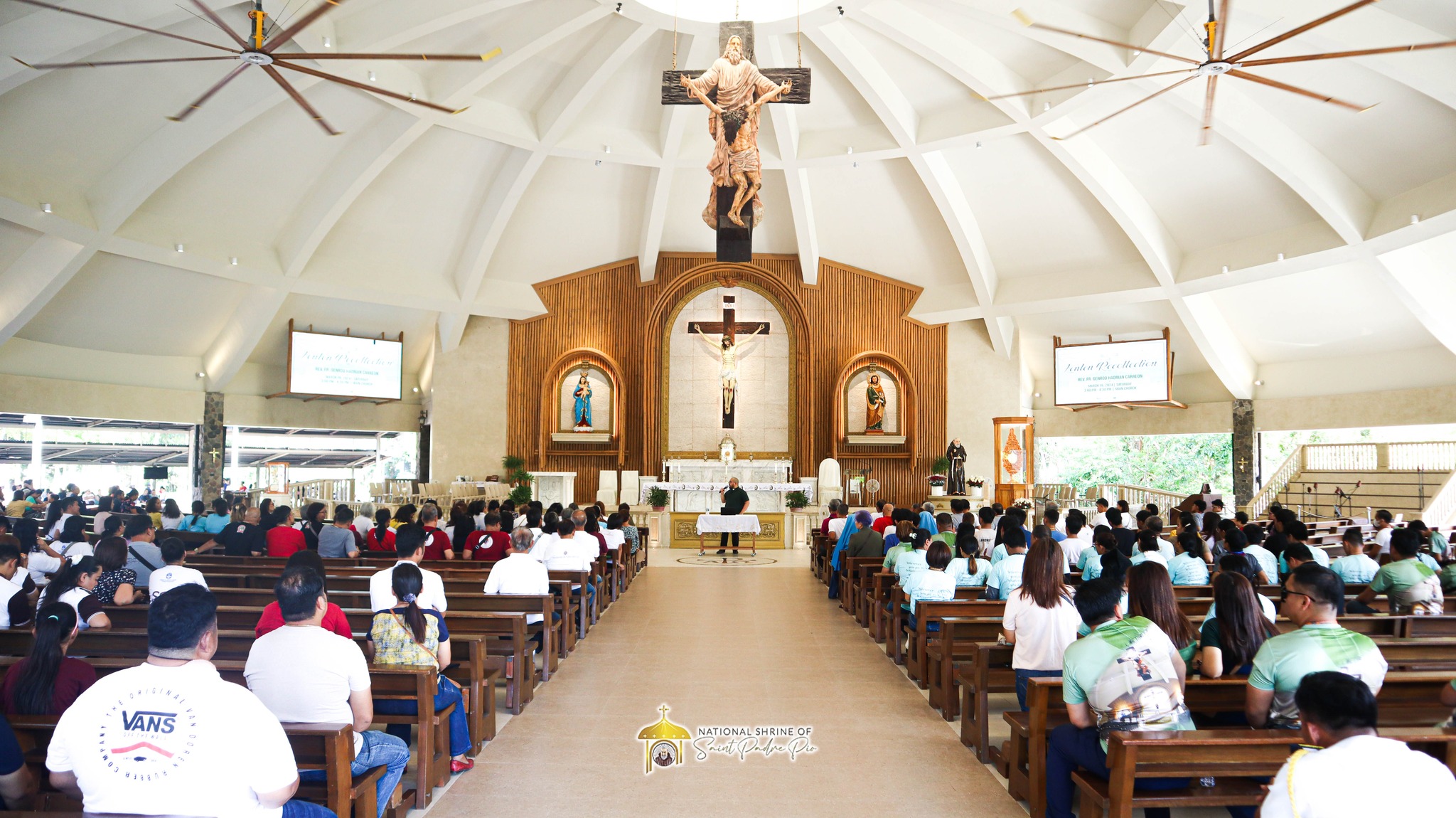
According to church officials, the shrine has become a major center of pilgrimage, drawing hundreds of thousands of devotees seeking healing, spiritual renewal, and devotion to the Italian Capuchin saint known for his stigmata and healing ministry. The 12-hectare complex also houses first-class relics of St. Padre Pio, further deepening its spiritual significance among pilgrims.
The shrine’s journey began in 2003 as a small chapel and parish dedicated to St. Padre Pio. It was elevated to an archdiocesan shrine in 2008 before being declared a national shrine in 2015, becoming the first national shrine in Batangas and the Calabarzon region. Over the years, it has grown into one of the country’s most visited pilgrimage sites.
In a statement, church officials expressed hope that the elevation would inspire the faithful to deepen their devotion and strengthen their faith through prayer and thanksgiving. They also expect the new status to encourage more local and international pilgrims to visit the shrine in the years ahead.