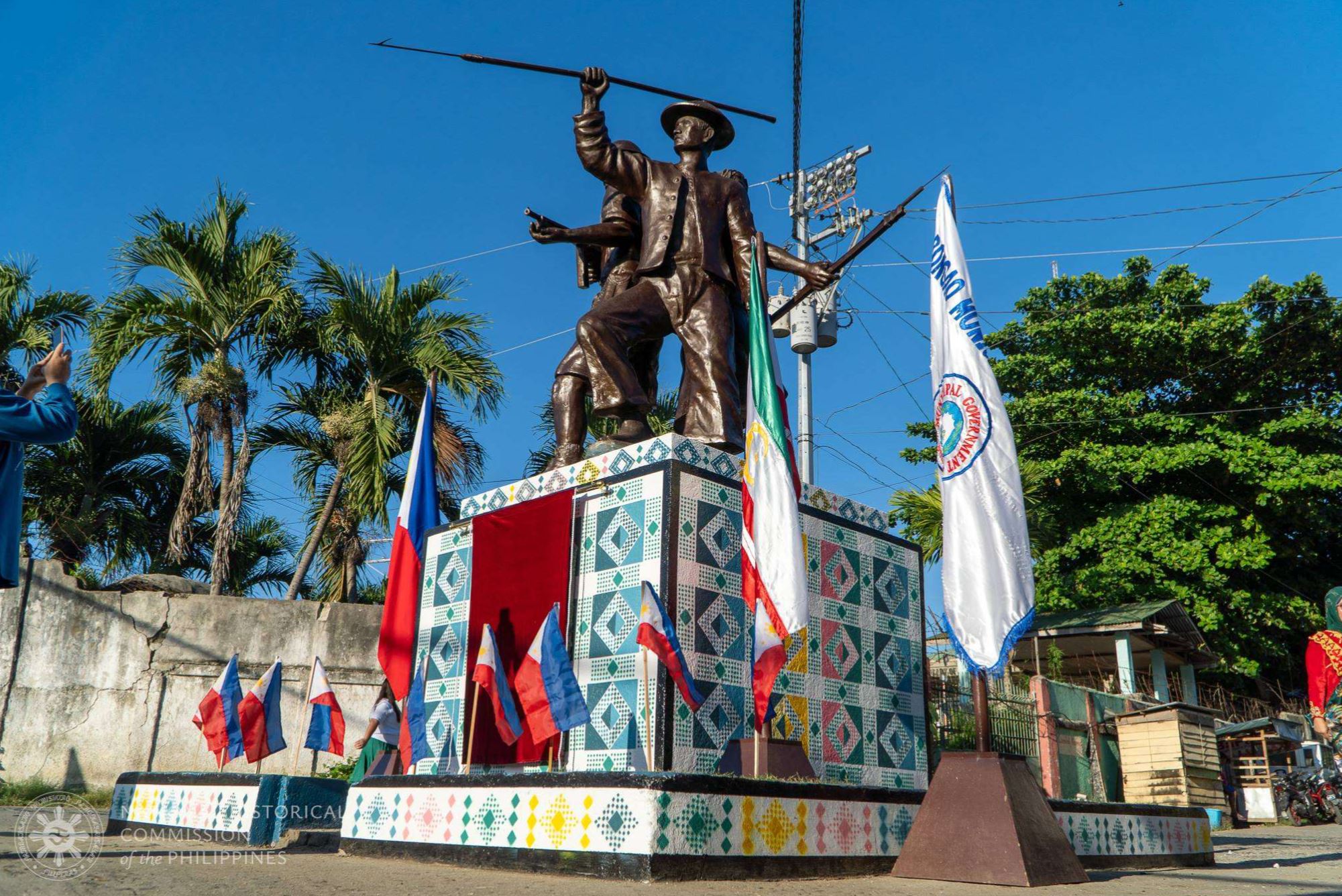

BONGAO, Tawi-Tawi — The National Historical Commission of the Philippines (NHCP) and the Municipal Government of Bongao unveiled a historical marker for the Bantayog ng Kalayaan sa Tawi-Tawi on November 5, recognizing the Sama people’s contributions to the pursuit of freedom and equality.
The unveiling forms part of the NHCP’s Philippine Muslim History Belt Project in preparation for the 2030 Year of Philippine Muslim History and Heritage.
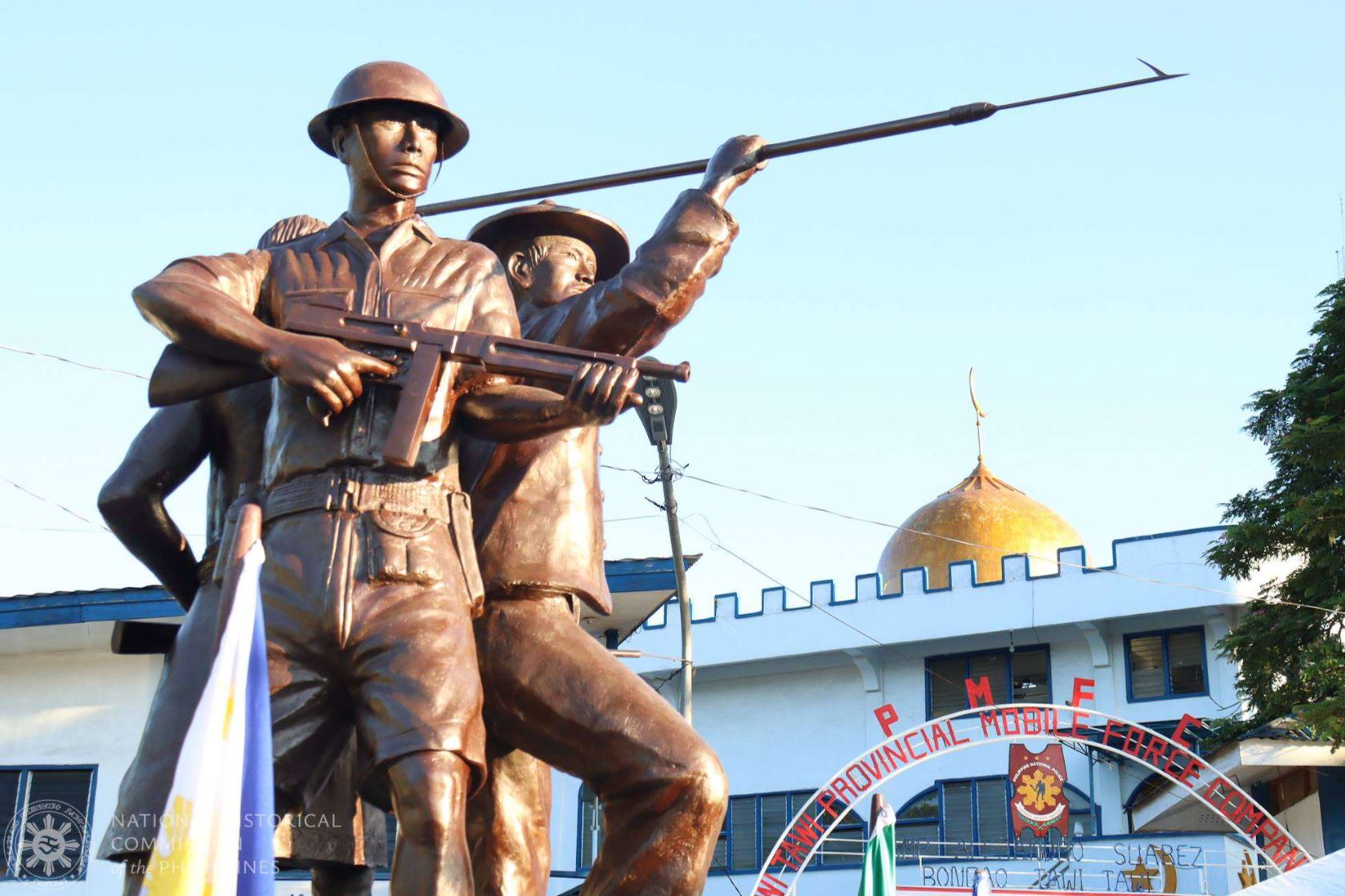
Commissioned in 1998 by the National Historical Institute, the NHCP’s predecessor, the monument was created for the Philippine Independence Centennial by National Artist for Visual Arts Abdulmari Asia Imao, based on a collaborative design with historian Samuel K. Tan.
Its three figures reflect different aspects of Sama history. A fisherman holding a spear represents livelihood and defense, while a guerrilla recalls the participation of Sama communities in the resistance against foreign occupation during World War II. The third figure, identified as the mamamana, symbolizes continued vigilance against contemporary challenges and threats.
Previously known as the Pag-Asa Monument, the structure’s origins and significance remained unfamiliar to much of the public. The historical marker explains its meaning and honors the people of Tawi-Tawi who resisted foreign invaders in defense of freedom.
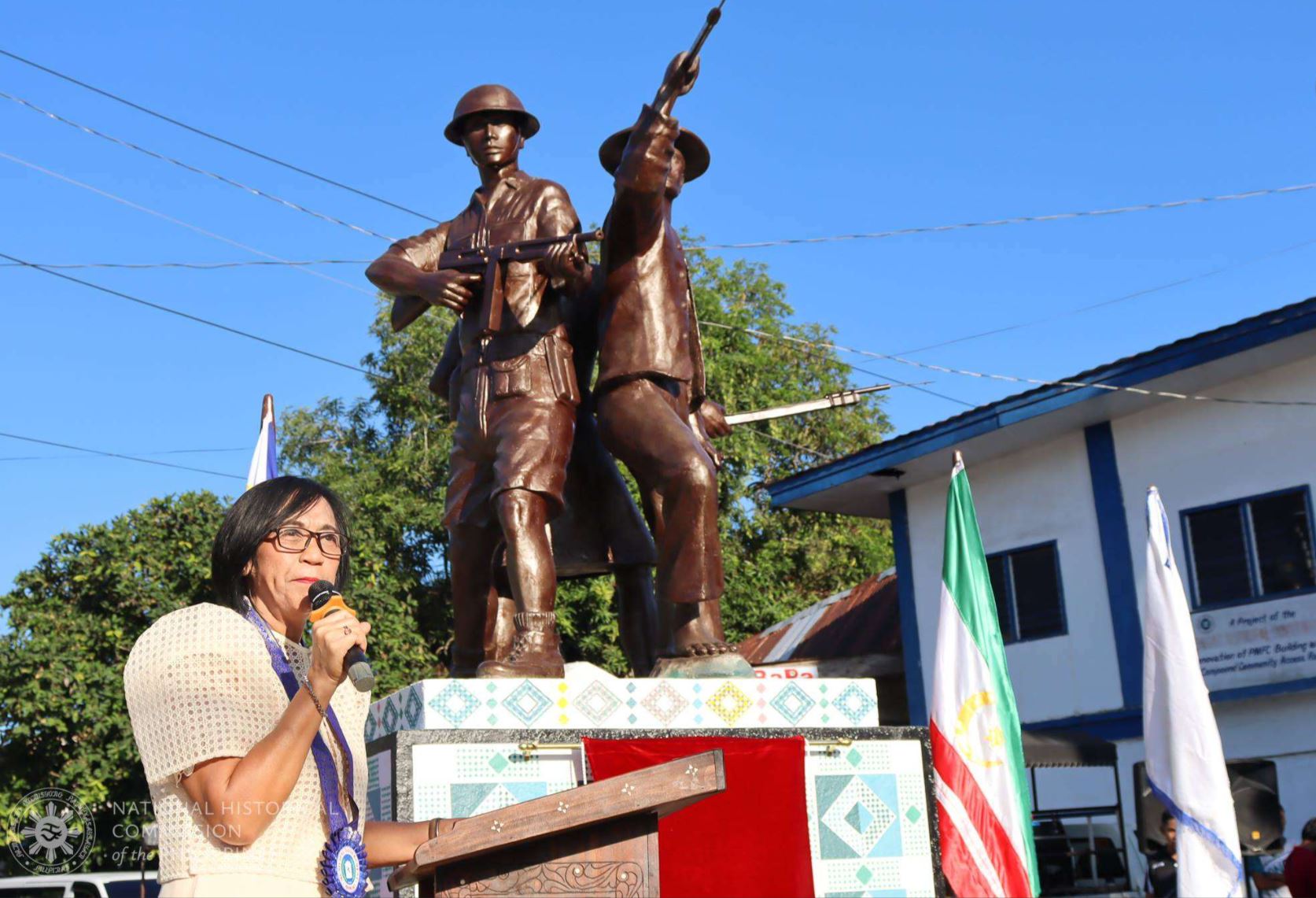
Bongao Municipal Administrator Mary Ann L. Abdullmariop delivered the welcome remarks during the ceremony, while NHCP Chairperson Regalado Trota Jose Jr. gave a commemorative message. Both officials led the formal presentation and acceptance of the marker on behalf of their institutions.
Bongao Municipal Councilor Midzfar H. Pajiji and NHCP Deputy Executive Director Alvin R. Alcid witnessed the signing of the transfer documents, formalizing the marker’s turnover.
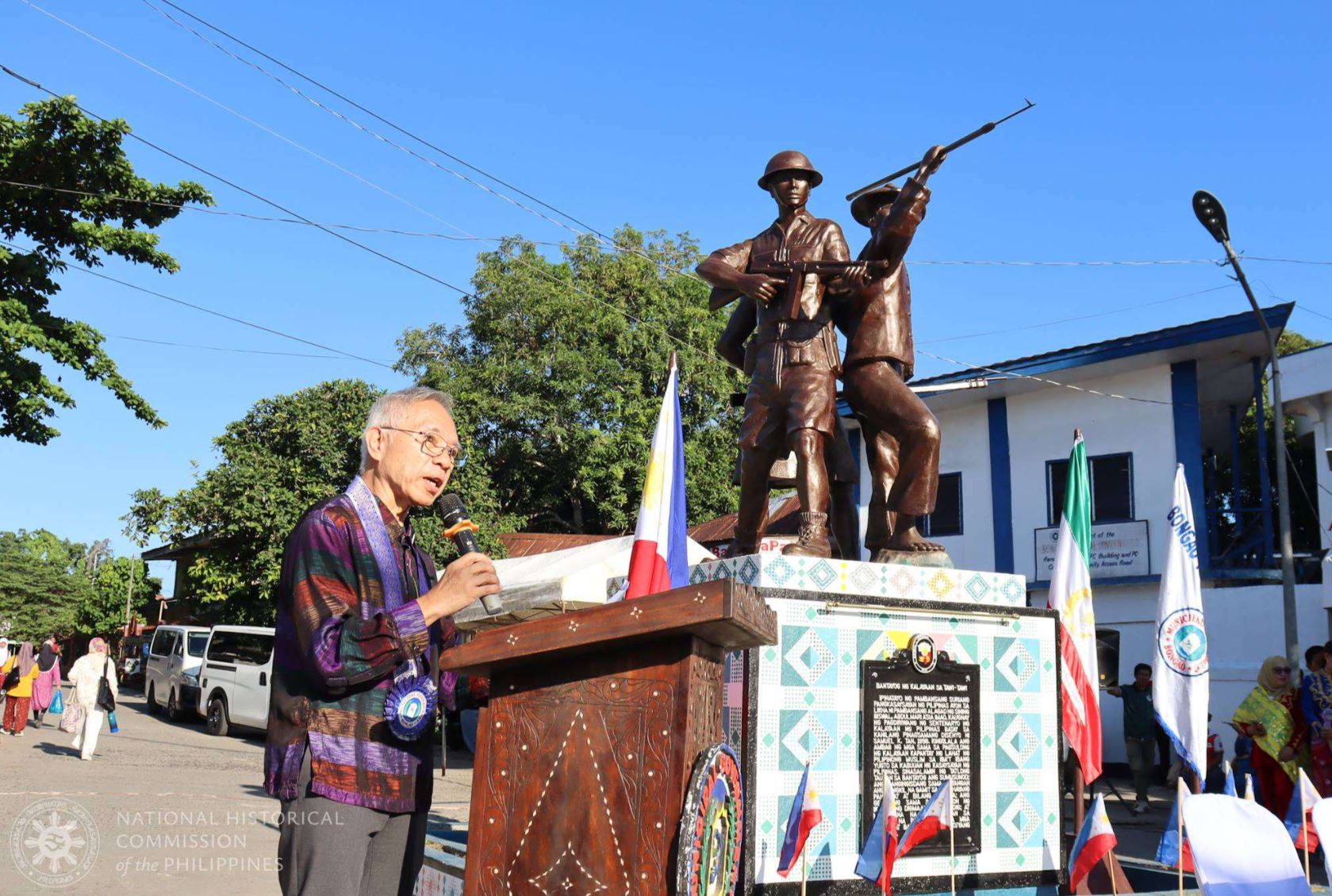
Through the Philippine Muslim History Belt Project, the NHCP seeks to identify, recognize and promote significant sites and narratives associated with Muslim Filipino communities, highlighting their role in shaping the nation.
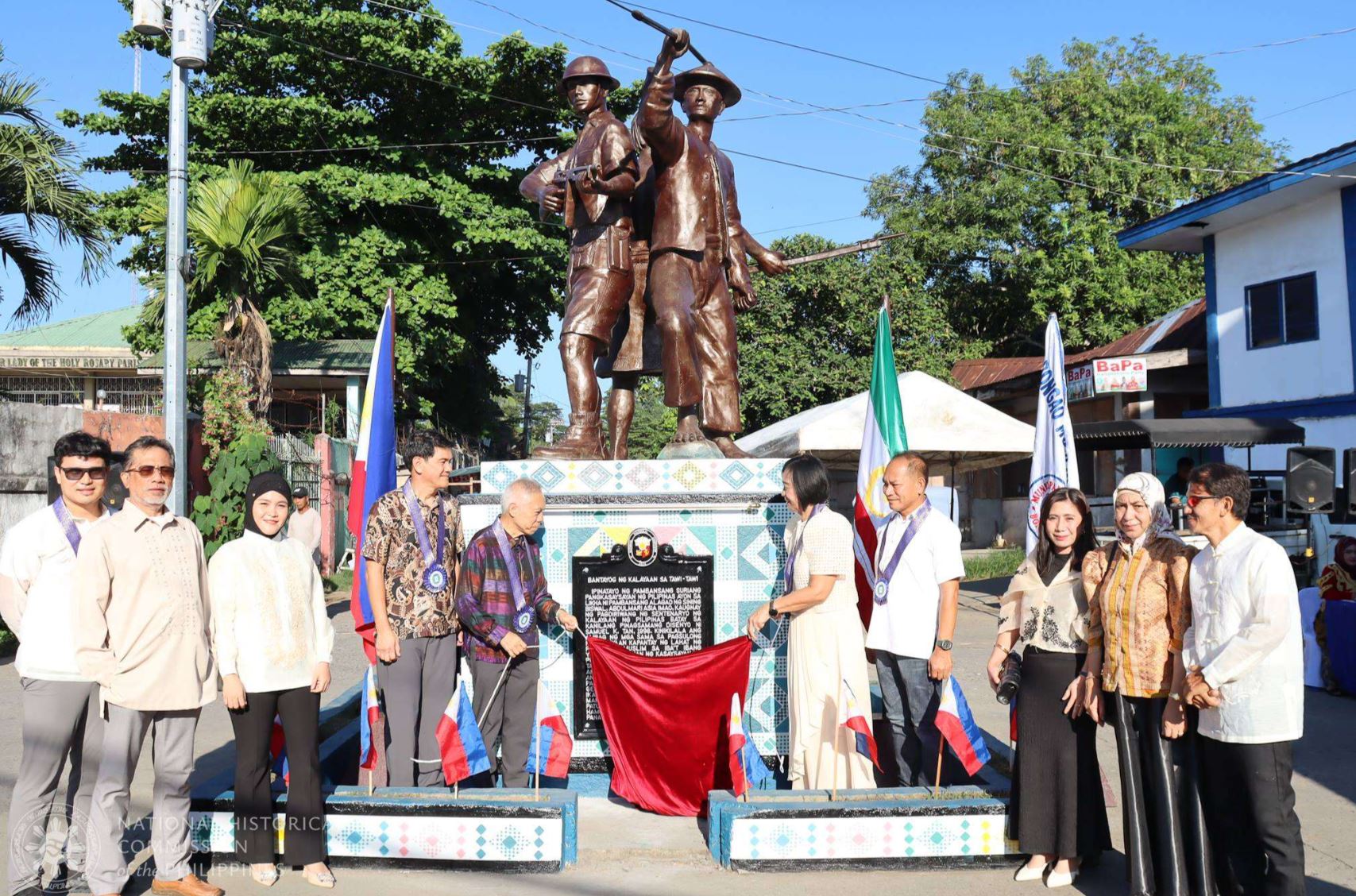
The marker brings greater attention to the Sama people’s maritime traditions, wartime experiences and continuing aspirations for freedom and equality. It also underscores the place of Tawi-Tawi and other southern Philippine communities in the broader story of the Filipino nation.
The NHCP is the national government agency responsible for promoting Philippine history through museums, research and publications, and preserving historical heritage through conservation and the marking of historic sites and structures.