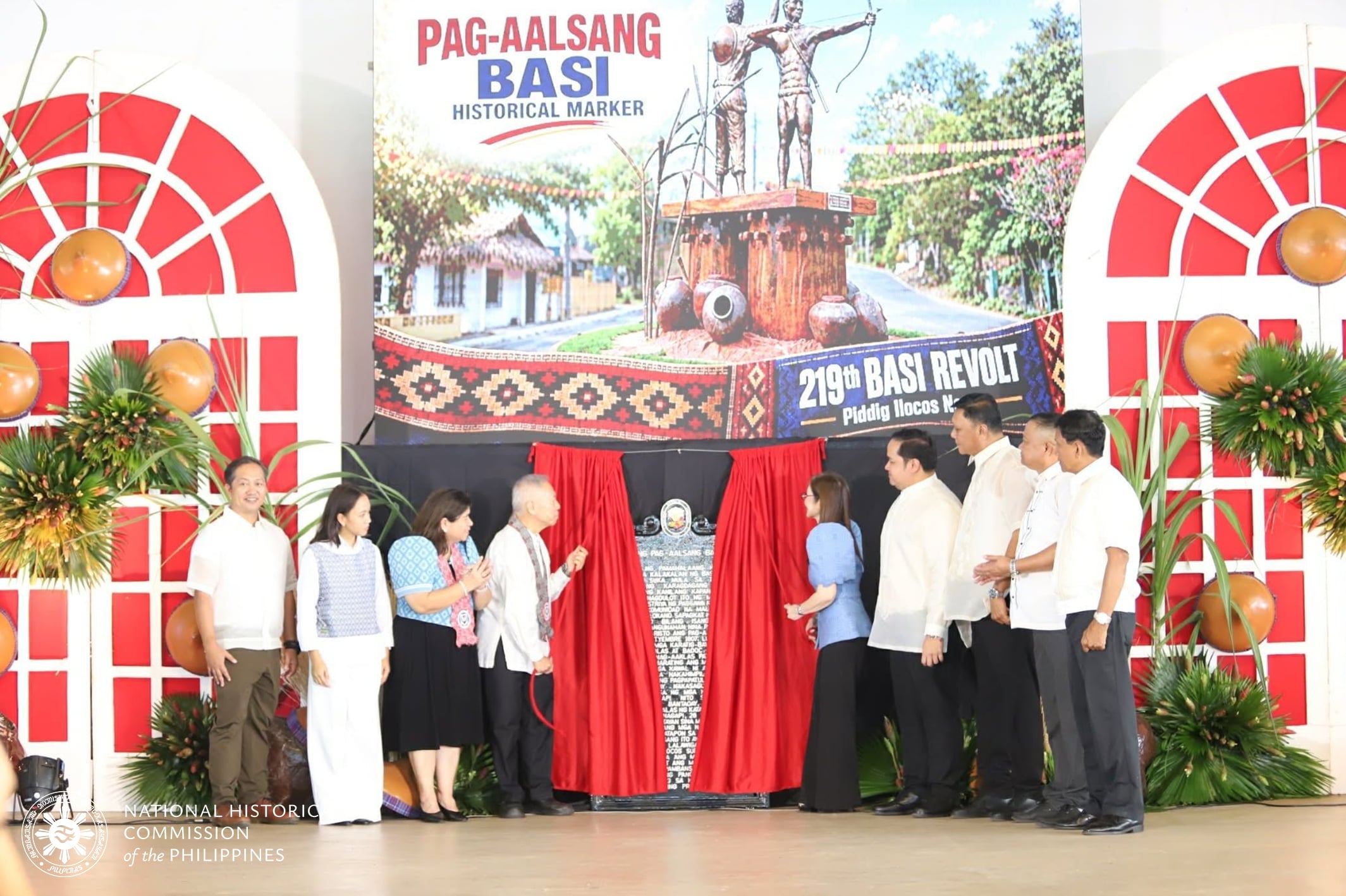

PIDDIG, ILOCOS NORTE — The National Historical Commission of the Philippines (NHCP), led by Chair Regalado Trota Jose Jr., unveiled the historical marker “Ang Pag-aalsang Basi” in Piddig, Ilocos Norte on September 16, 2026, commemorating one of the significant uprisings in Ilocos history.
The unveiling highlighted the historical significance of the Basi Revolt, which began in Piddig on September 16, 1807, in response to the Spanish colonial government’s monopoly on the production and trade of basi, a traditional Ilokano wine made from sugarcane.
According to the NHCP marker, the monopoly was imposed in 1786 to generate additional taxes and strengthen Spanish authority in Ilocos. The policy adversely affected the local basi-making industry and community practices, as basi drinking was regarded as a sacred tradition among Ilokanos.
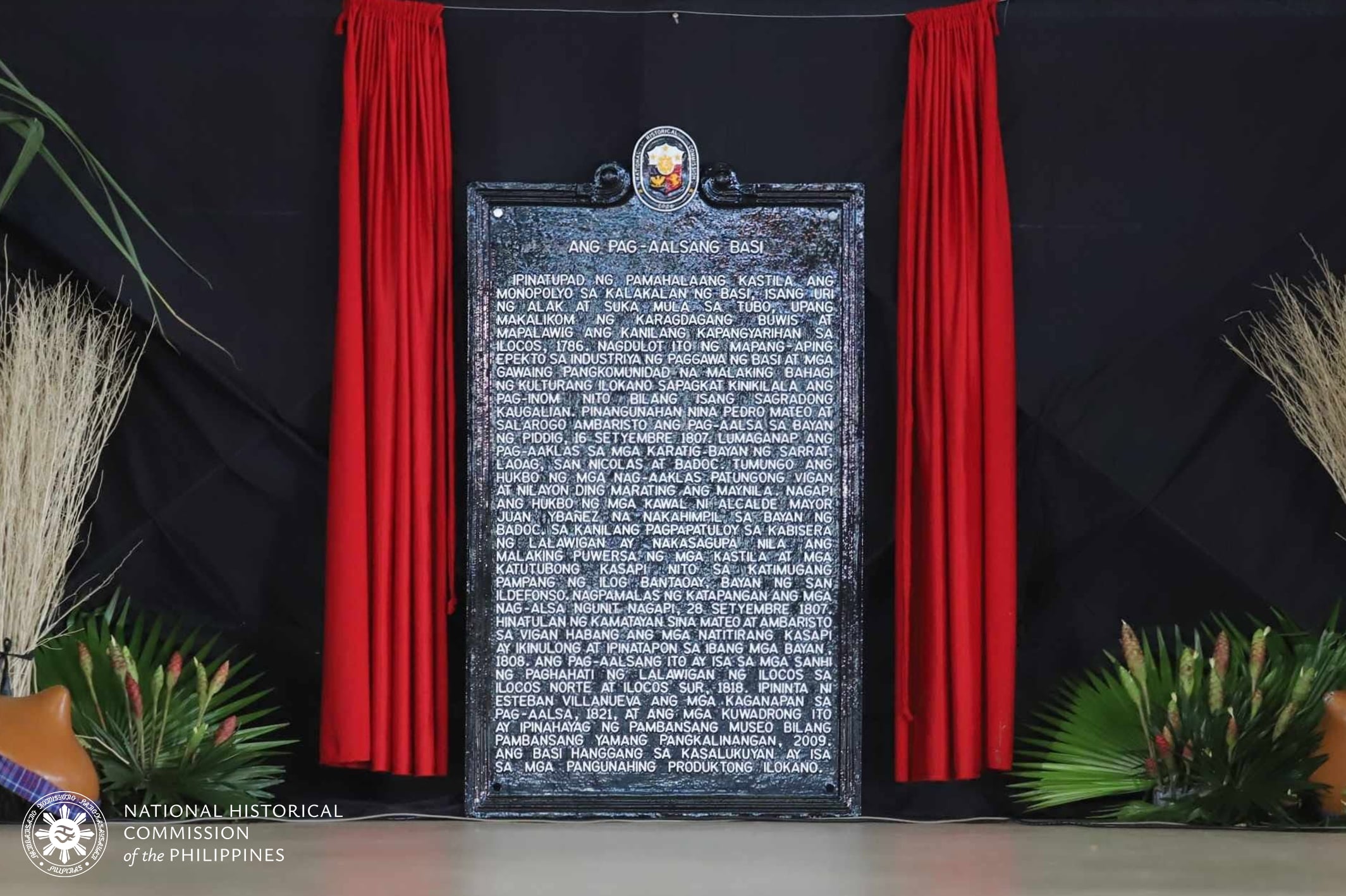
The revolt was led by Pedro Mateo and Salarogo Ambaristo in Piddig and eventually spread to neighboring towns, including Sarrat, Laoag, San Nicolas, and Badoc. The rebels marched toward Vigan and intended to reach Manila, but were defeated by Spanish forces and their local allies in San Ildefonso on September 28, 1807.
Mateo and Ambaristo were later sentenced to death in Vigan, while other members of the revolt were imprisoned and exiled to different towns in 1808. The uprising was also identified as one of the factors that contributed to the eventual division of the Ilocos province into Ilocos Norte and Ilocos Sur in 1818.
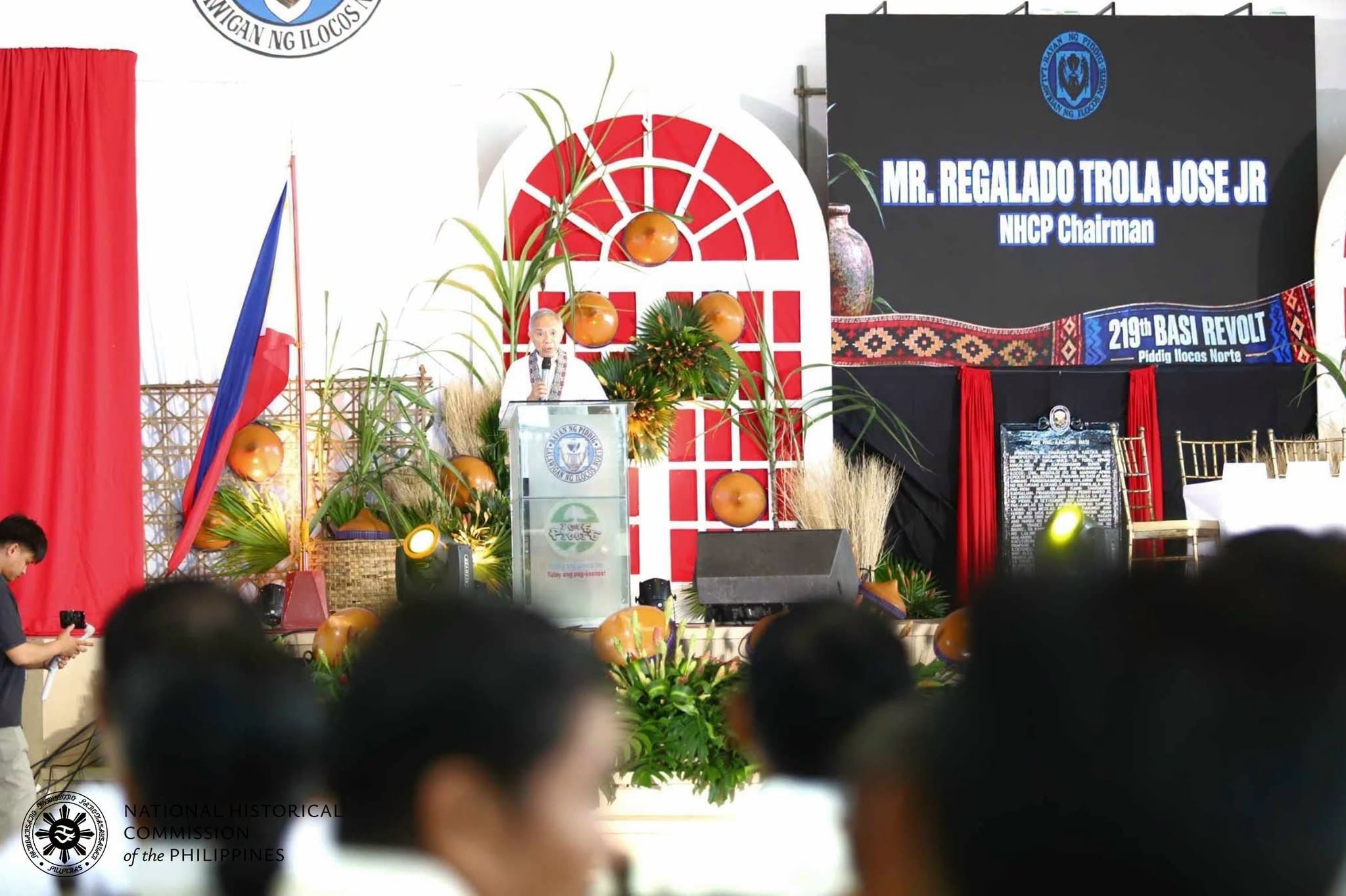
During the unveiling ceremony, NHCP Chair Jose formally presented the historical marker, while Piddig Mayor Georgina Salazar Guillen delivered the acceptance message. NHCP Executive Director Carminda Arevalo and Piddig Vice Mayor Edwin Salazar served as witnesses to the signing of the certificates.
The program also featured a prayer led by St. Anne Parish Church and performances from Piddig National High School, Roosevelt High School of Piddig, Inc., and Saint Anne Academy. A basi wine toast, a poetry interpretation competition, and the debut of the Piddig Tourism song were also part of the celebration.
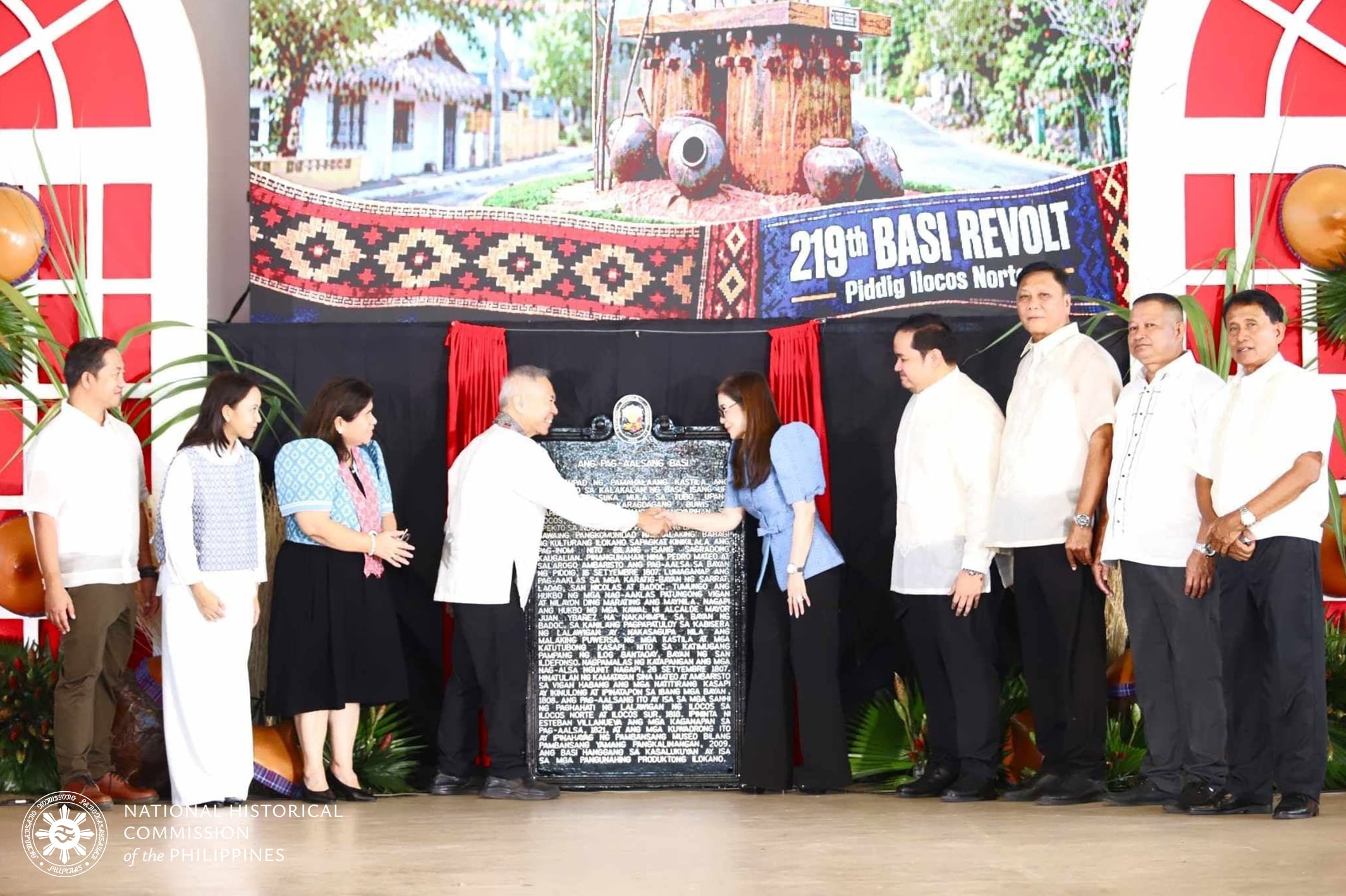
The historical marker further recognizes the continuing cultural and economic significance of basi, which remains one of the major products of Ilocos. It also notes that painter Esteban Villanueva depicted the events of the revolt in 1821, with the paintings later declared by the National Museum as National Cultural Treasures in 2009.
Through the marker, the NHCP continues its mandate to promote Philippine history and preserve the country’s historical heritage by marking significant sites and events.