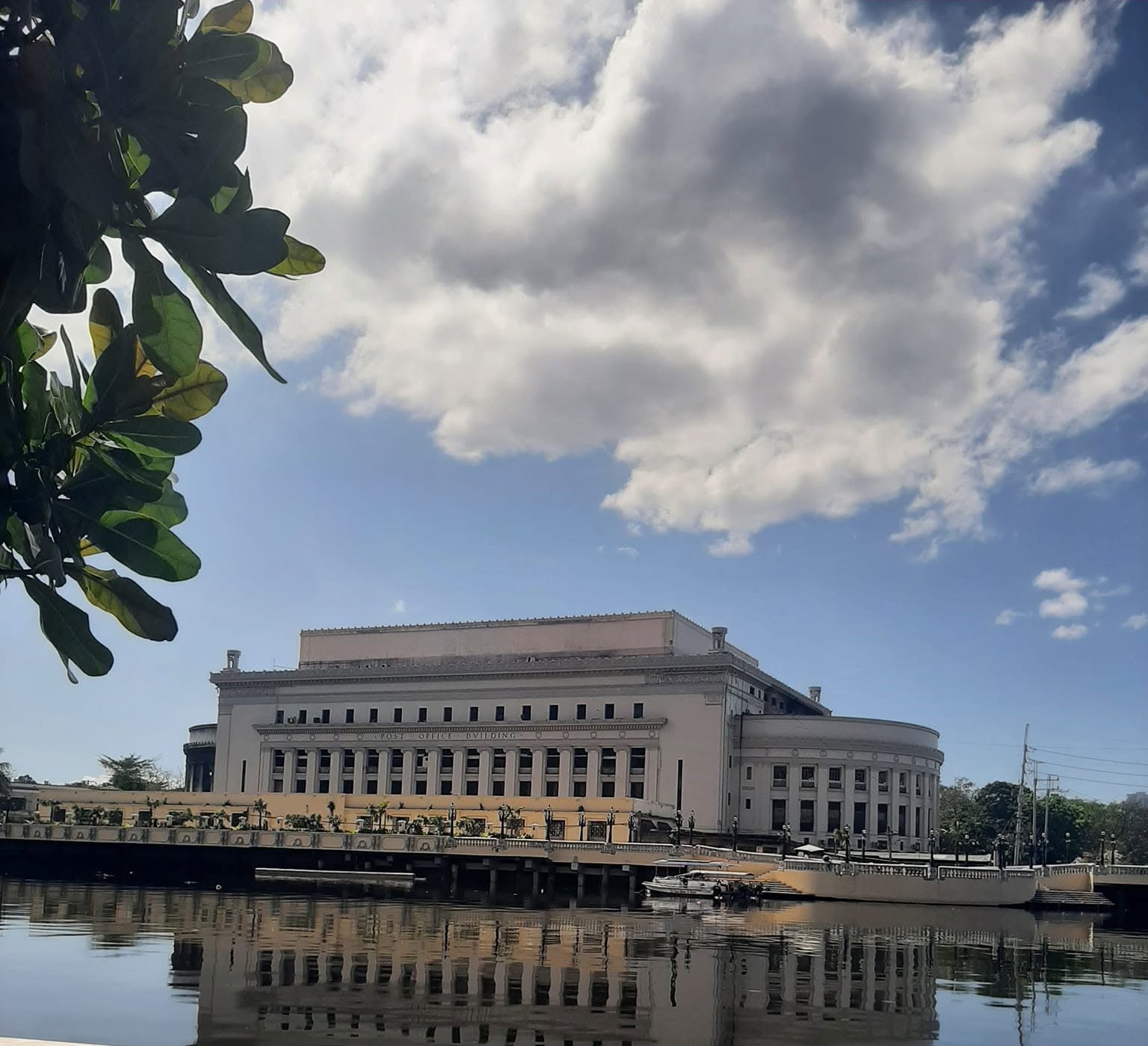

MANILA, PHILIPPINES — Walking through the streets of Manila as a history lover can be both fascinating and heartbreaking.
Behind the traffic, crowded streets, aging buildings, and busy communities lies a city rich in history—one that once carried the reputation of being the “Pearl of the Orient.” Yet for many who walk through Manila today, the contrast between its glorious past and its present-day reality is difficult to ignore. Old photographs of Manila tell a very different story.
The city once showcased grand architecture, beautiful streets, historic residences, theaters, plazas, and landmarks that reflected its Spanish and American-era influences. Manila was not simply a center of commerce—it was a city with character, identity, and a deep connection to the country’s history.
Much of that heritage was destroyed during World War II, particularly during the Battle of Manila in 1945. Entire communities were devastated, buildings were reduced to rubble, and countless historical structures were lost.
But more than 80 years later, an important question remains: Was Manila’s decline caused only by the destruction of war? Or did neglect, urban poverty, weak heritage protection, and poor maintenance also contribute to the gradual disappearance of its historic character?
Walking around parts of Manila today, one can see the challenges confronting the city. Informal settlements occupy areas near waterways and beneath bridges. Some sidewalks have become living spaces, while abandoned and deteriorating structures are vulnerable to vandalism and further damage.
For a city with such an important place in Philippine history, the situation raises difficult questions about how the country values and protects its heritage.
A City Full of Possibilities
Manila still has enormous potential as a heritage and tourism destination.
Imagine walking through streets where old heritage houses have been carefully restored and transformed into restaurants, cafés, museums, galleries, bookstores, or cultural spaces. Imagine historical landmarks properly maintained, clearly identified, and incorporated into walking tours where visitors can understand the stories behind them.
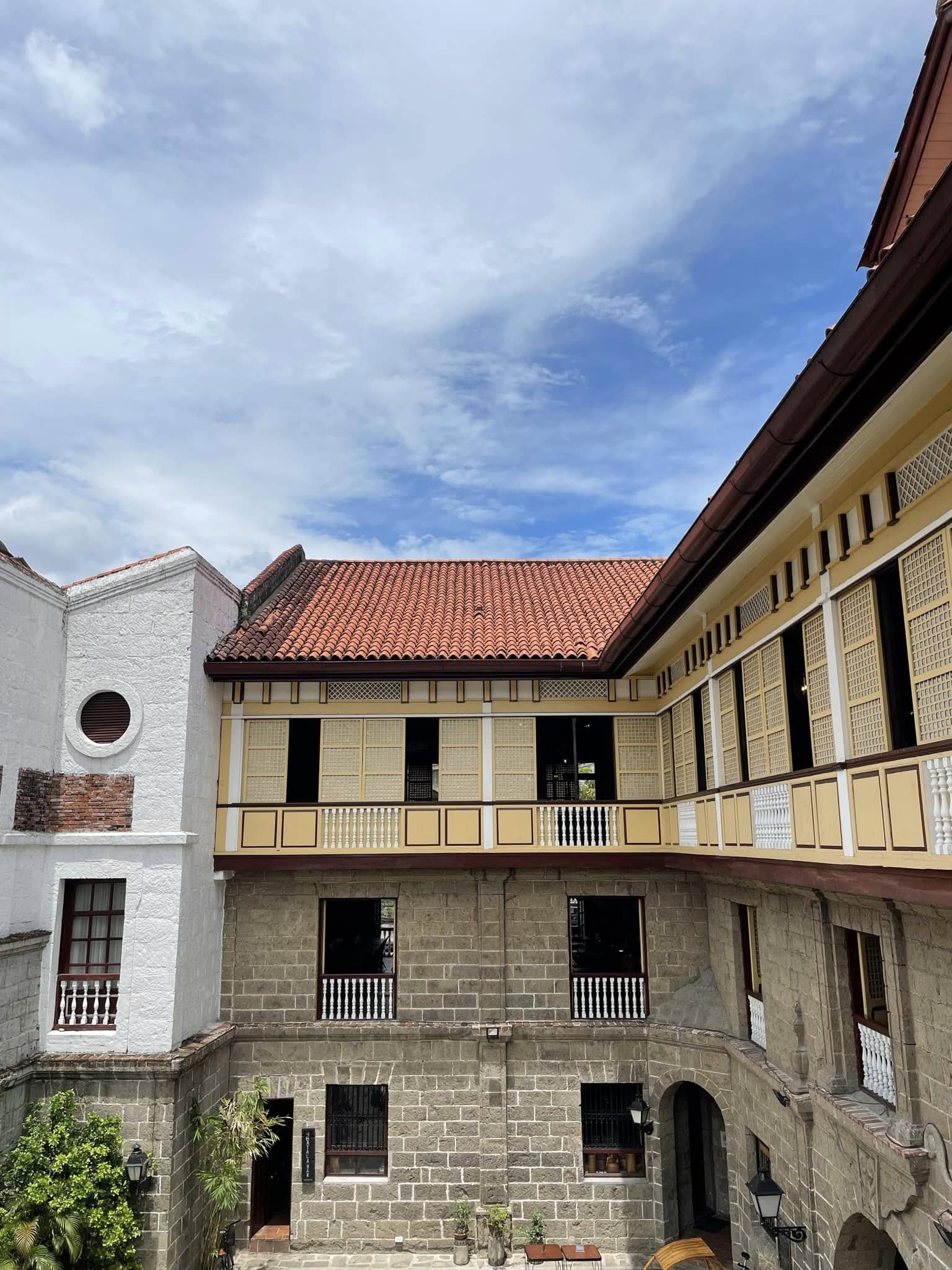
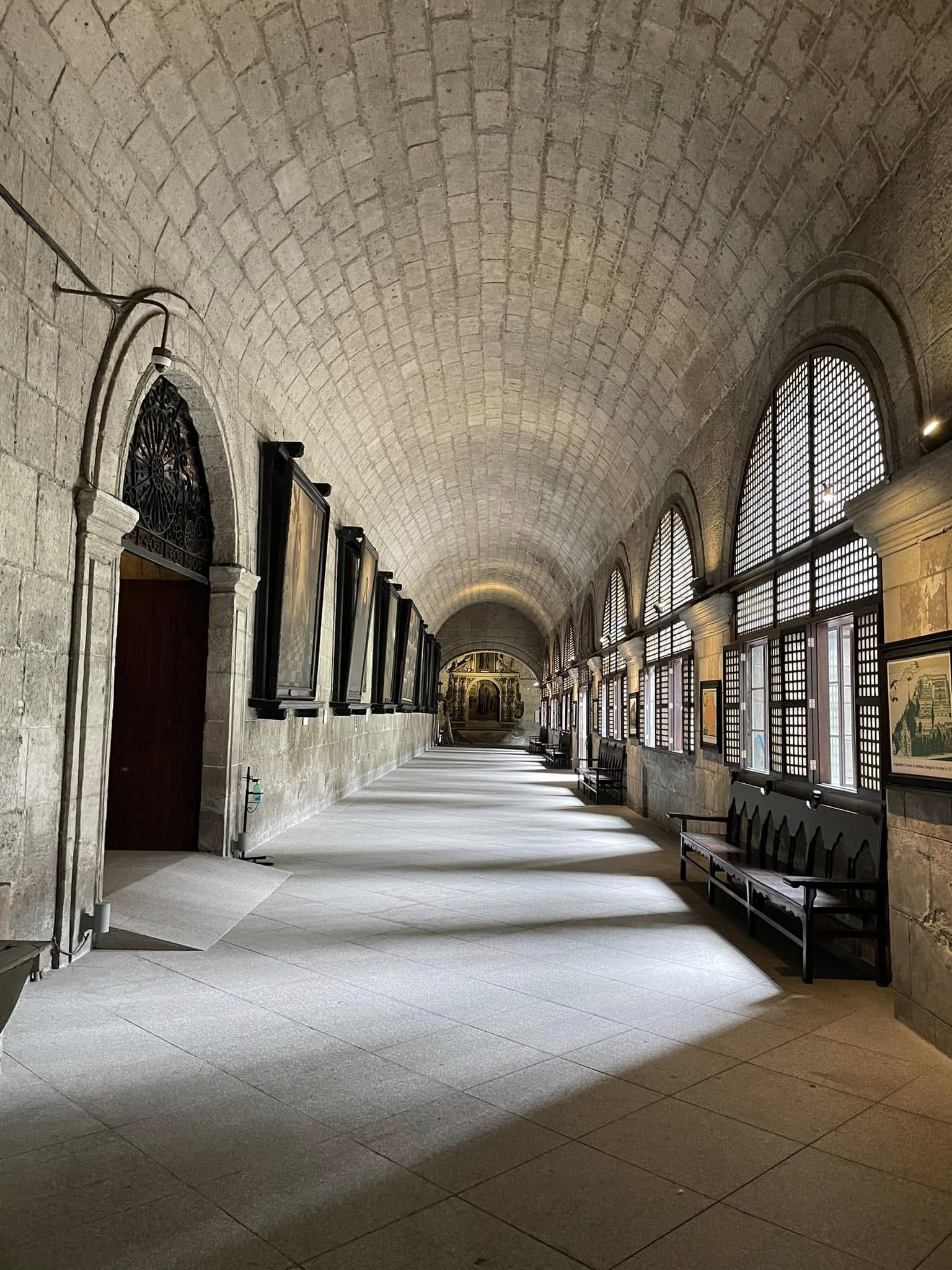
There are already examples of heritage conservation efforts, particularly in areas such as Intramuros, which continues to attract local and international visitors. But Manila’s historical story extends far beyond its famous walled city.
Old residences associated with prominent Filipinos, historic commercial buildings, churches, theaters, schools, and other structures scattered throughout the capital could become part of a much larger heritage tourism experience—if properly documented, protected, and managed. Preserving these structures is not simply about keeping old buildings standing. It is about preserving memory.
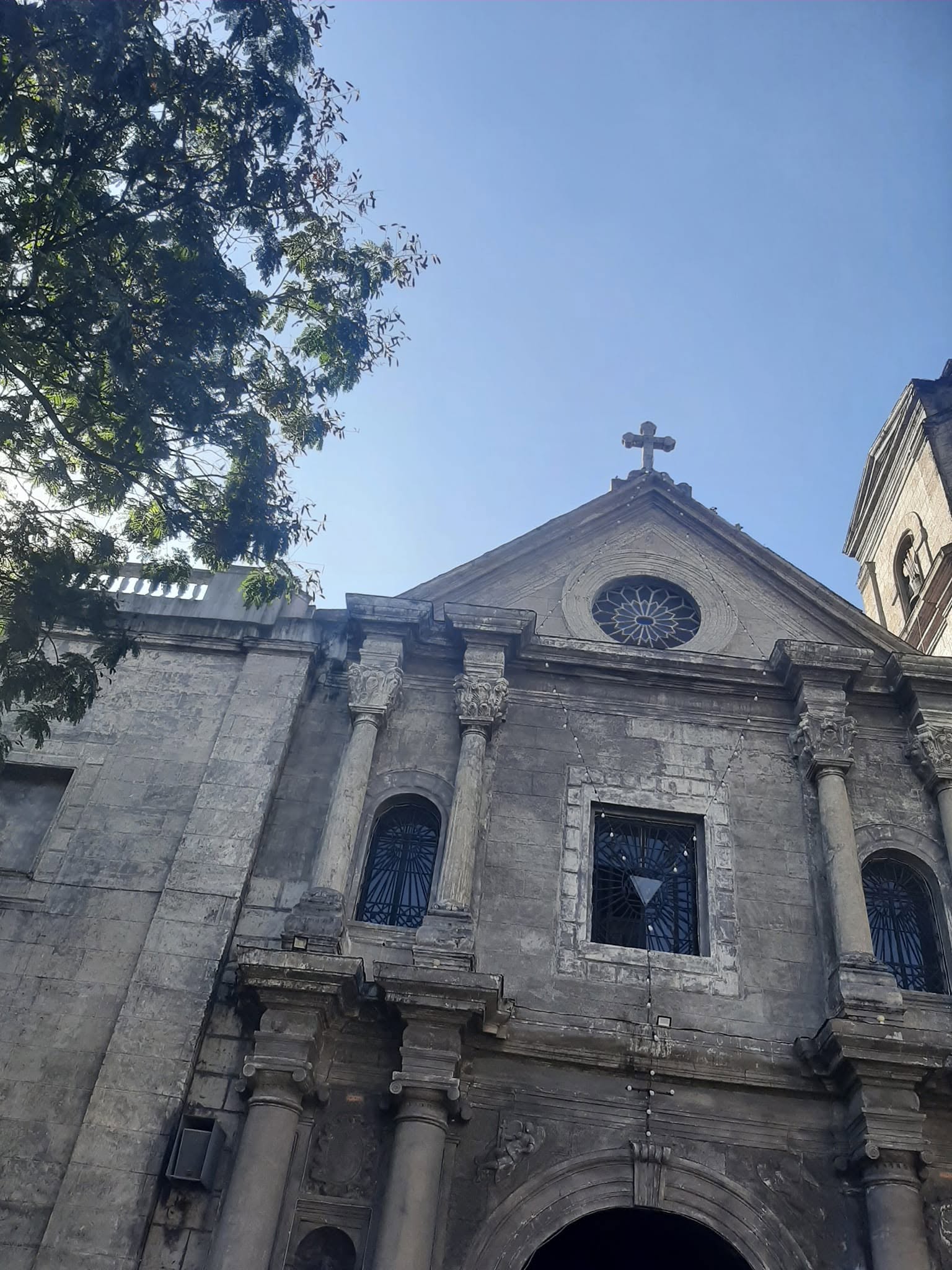
The younger generation deserves to experience Philippine history beyond textbooks and classroom discussions. They should be able to walk through the places where important events happened, see the architecture of earlier generations, and understand how Filipinos lived during the Spanish and American periods.
History becomes more meaningful when people can actually see and experience it.
Heritage and Livelihood Can Go Together
Heritage conservation should not necessarily mean freezing Manila in the past. Instead, history can become part of the city’s future. Restored heritage buildings can provide spaces for businesses, restaurants, creative industries, museums, cultural centers, and community enterprises. A well-planned heritage district can attract tourists while creating jobs for local residents.
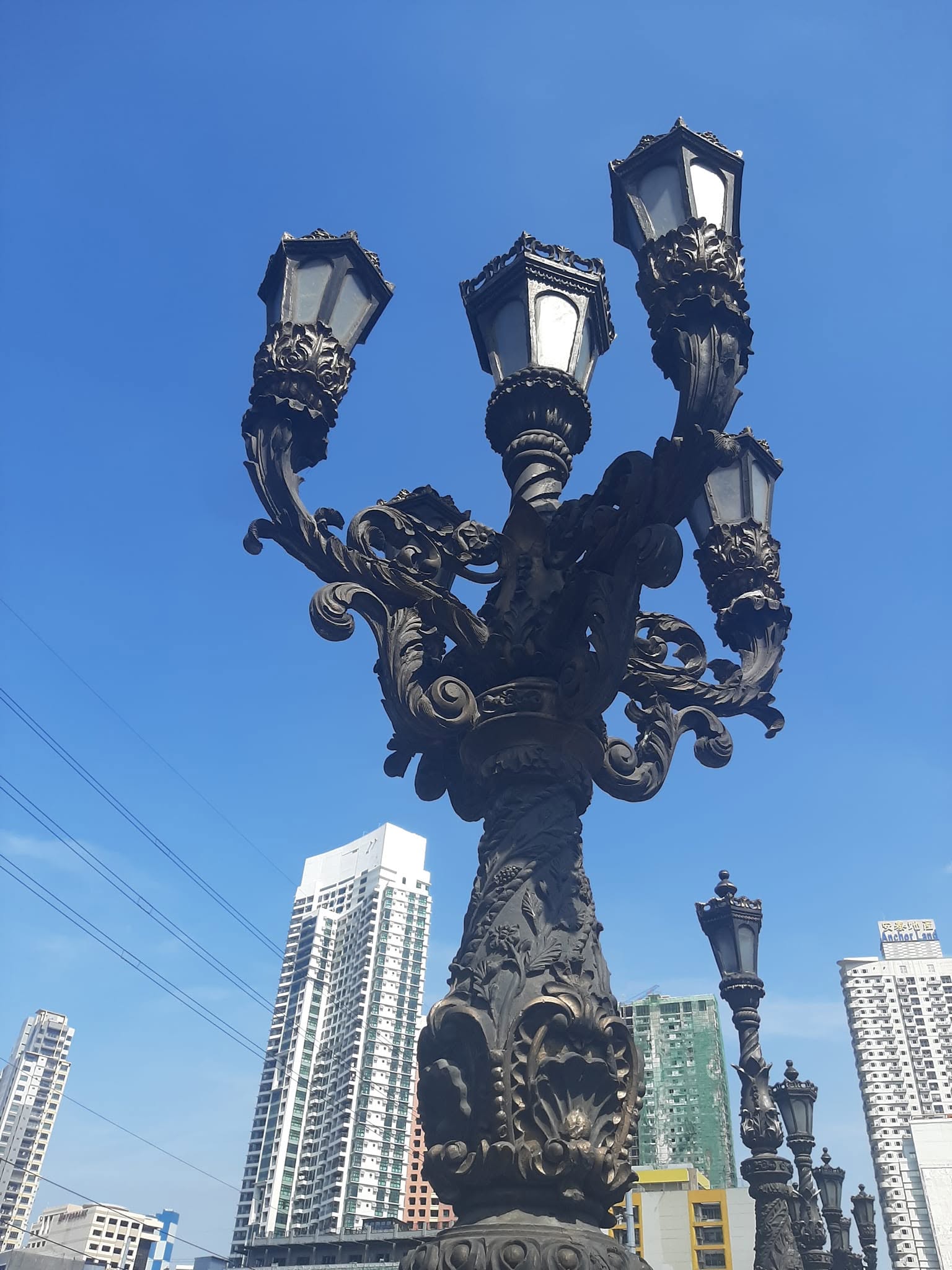
Tourism is not merely about taking photographs and visiting landmarks. When properly developed, it can generate employment, support small businesses, encourage investment, and strengthen a city’s identity.
Manila already has the history. It has the stories. It has the architecture. What it needs is a sustained effort to protect what remains.
Of course, restoring an entire city is not simple. The government faces complicated issues involving poverty, housing, infrastructure, land ownership, public safety, and urban development. Heritage conservation must therefore go hand in hand with humane solutions for communities that have lived in these areas for generations. But neglect should not become the permanent answer.
What Happened to the Pearl of the Orient?
Perhaps the saddest part of Manila’s story is that much of its former beauty now exists primarily in old photographs.
Those photographs show a city that many Filipinos today can only imagine. A Manila of grand buildings. A Manila of historic streets. A Manila where architecture told stories. A Manila that looked like a city that understood the importance of its past.
The “Pearl of the Orient” may have been battered by war, modernization, poverty, and decades of neglect—but its story is not necessarily over.
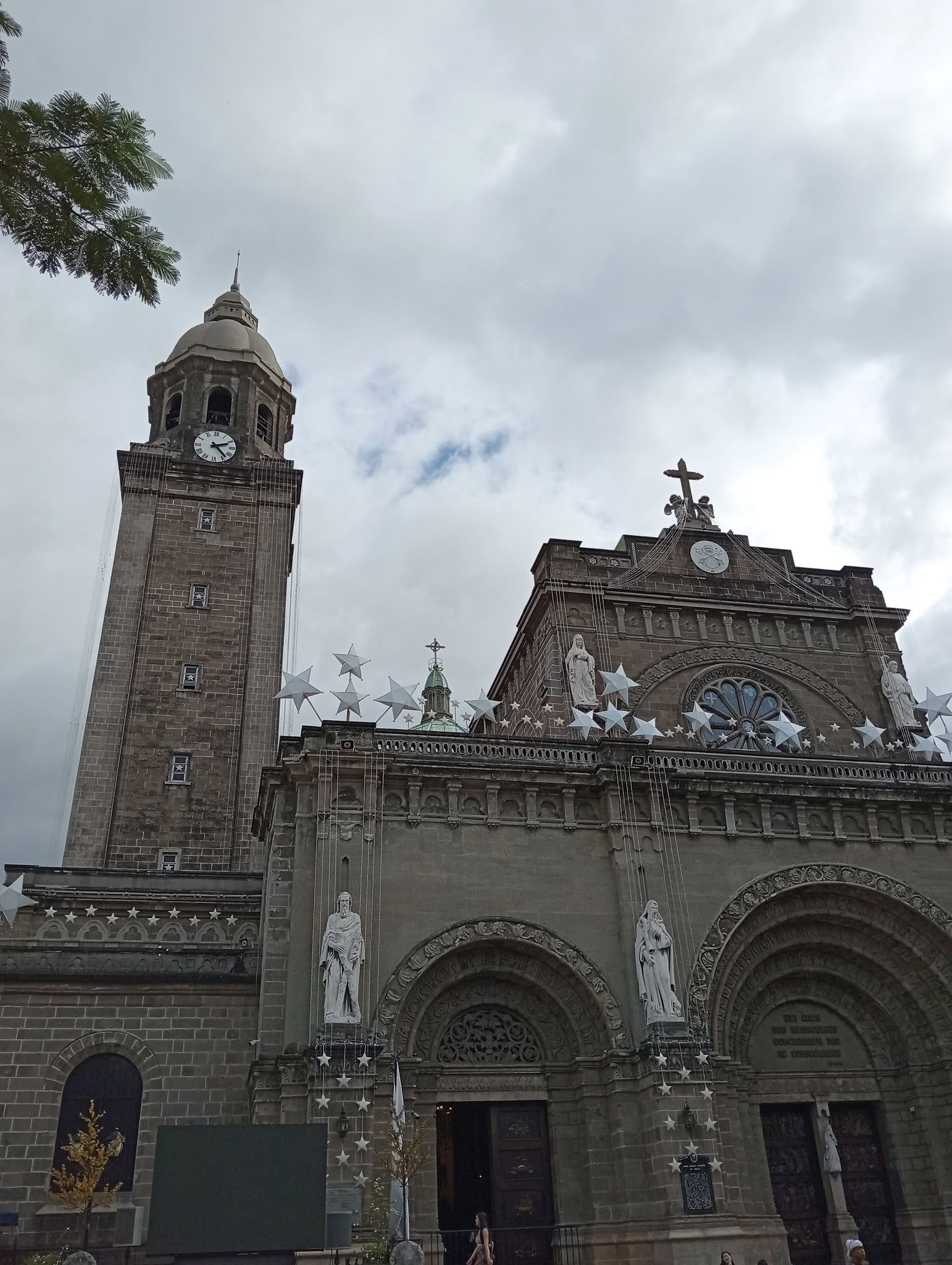
The challenge now is whether Manila can preserve what remains while creating a better future for the people who call the city home. Perhaps one day, walking through Manila will no longer feel like looking at the ruins of a forgotten past.
Perhaps it can become a journey through living history—a city where heritage is not merely remembered in photographs, but protected, restored, experienced, and passed on to the next generation.
Because Manila’s history should not simply be a story we remember. It should be a heritage we choose to protect.