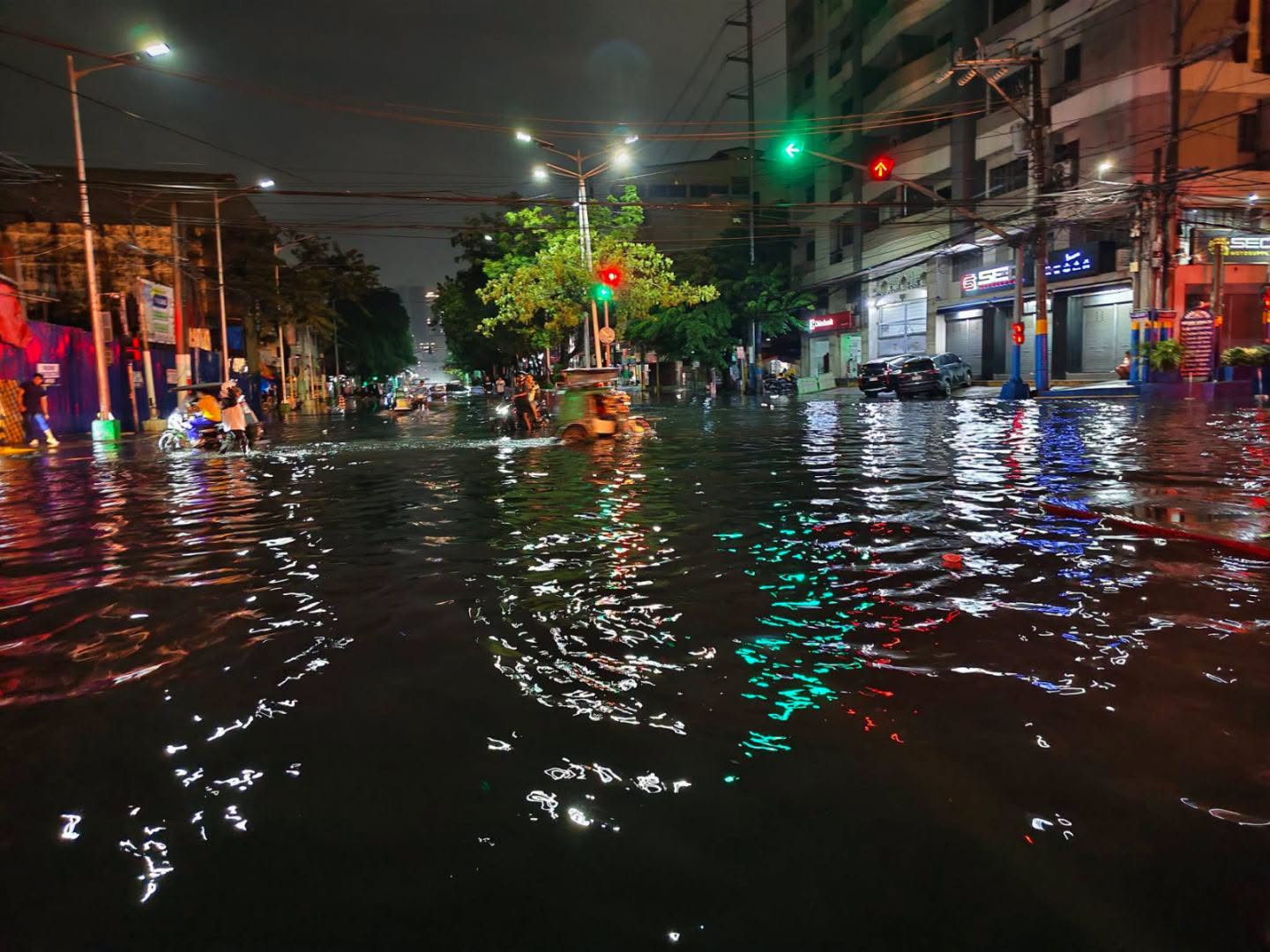

With flooding continuing to affect communities across the country, one question keeps coming back: Where is the government we trusted to protect us?
Flooding in the Philippines is not new. We live in a country frequently affected by typhoons, monsoon rains, and other natural hazards. We cannot stop the rain, control the weather, or prevent every natural disaster. But can we really use nature as an excuse for the same devastating cycle to continue year after year?
For months, Filipinos have endured one crisis after another—from rotational power interruptions to heavy Habagat rains that have left communities flooded and families struggling to recover. Turn on the television, scroll through social media, or read the daily news, and there seems to be another story of flooded homes, stranded commuters, damaged properties, and families seeking help. And honestly, it is frustrating.
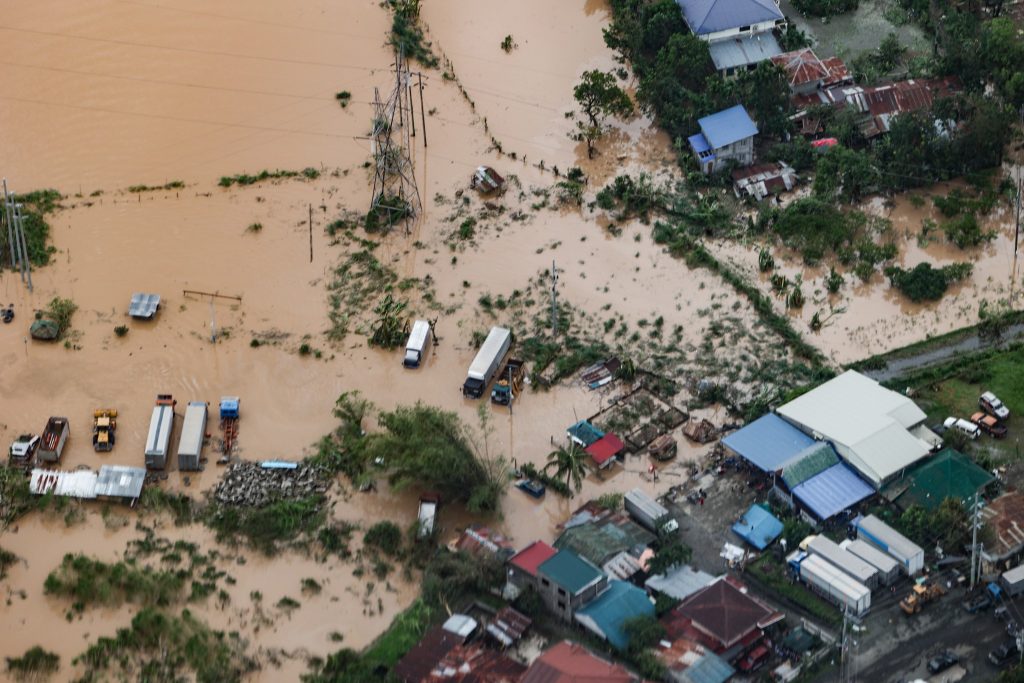
Is this simply the kind of life Filipinos are expected to accept? Yes, citizens have a responsibility, too. Improper garbage disposal is a serious problem. When canals, waterways, and drainage systems are clogged with trash, even moderate rainfall can quickly become a disaster. People must do their part in keeping their communities clean. But responsibility should not stop at the individual.
The government has been allocating enormous amounts of public funds for flood control and other infrastructure projects. These funds come from taxpayers—the very people who are now wading through floodwaters, evacuating their homes, and watching their hard-earned belongings get destroyed. So when flooding becomes worse, people have every right to ask: Where did the flood-control projects go? Where did the money go? And why are so many communities still so vulnerable?
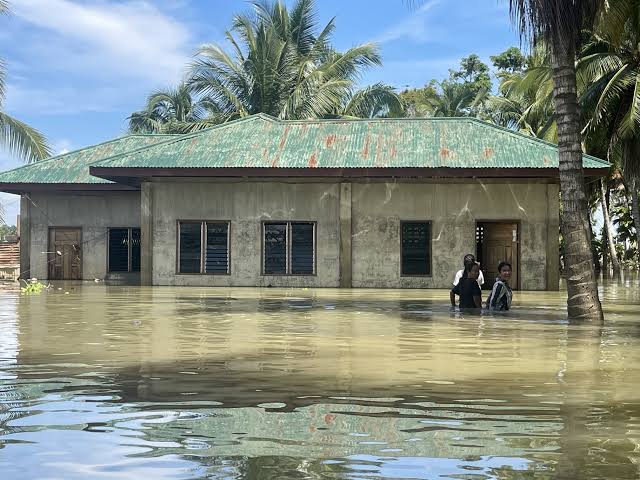
The controversies surrounding alleged irregularities and corruption in government flood-control projects have only deepened public frustration. Filipinos have watched accusations unfold, officials point fingers at one another, investigations begin, and promises of accountability are made. Yet for ordinary citizens, the most immediate reality remains the same: the floods keep coming. Accountability cannot simply mean investigations announced on television. It must mean consequences for those proven responsible. And this responsibility does not belong only to national government officials.
Local government units also have a critical role in disaster preparedness, drainage maintenance, evacuation planning, rescue operations, relief distribution, and long-term flood mitigation. Unfortunately, there have also been instances when statements from public officials have left citizens feeling that they are being blamed or told to simply fend for themselves. Yes, communities must be resilient. But resilience should never become an excuse for government inaction.
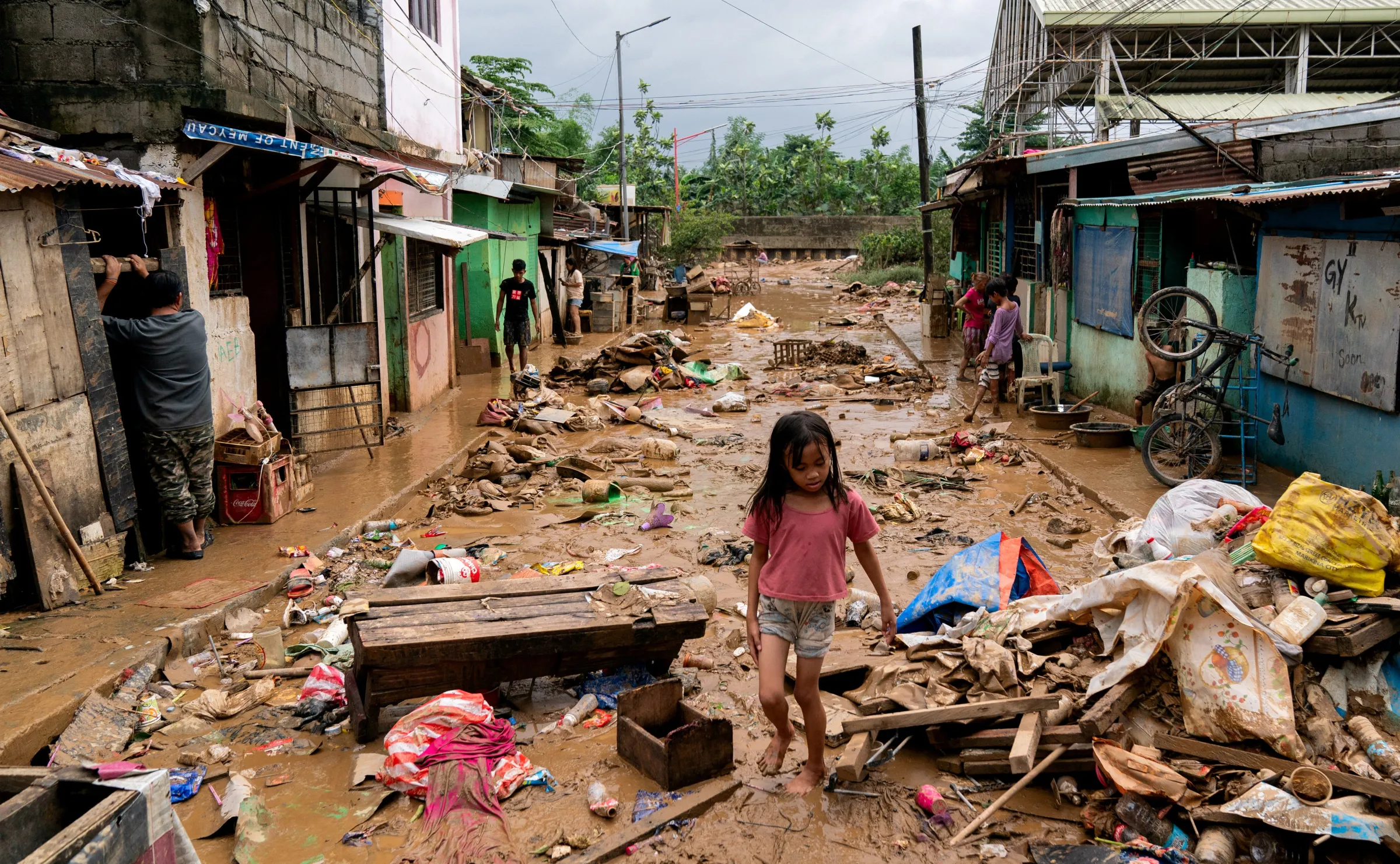
When a family loses appliances, furniture, clothing, important documents, and even the home they worked for years to build, a relief package may provide temporary assistance—but it cannot replace everything they have lost.
A grocery pack can help a family survive for a few days. But it cannot rebuild a home. It cannot replace years of savings. It cannot restore a livelihood. And it certainly cannot erase the trauma of watching floodwaters enter your house. This is where the conversation about government responsibility becomes important.
Public officials are elected to serve. Mayors, vice mayors, governors, congressmen, and other government leaders hold positions of public trust. They have access to public resources, government personnel, and institutional power that ordinary citizens simply do not have.
The people should not have to repeatedly beg for basic services that their government is already mandated and funded to provide. Filipinos deserve more than temporary relief after every disaster. They deserve prevention, preparation, infrastructure, transparency, and accountability. They deserve drainage systems that work. They deserve waterways that are properly maintained. They deserve flood-control projects that actually protect communities.
They deserve emergency response systems that are ready before disaster strikes—not only after the water has already entered their homes. And most importantly, they deserve leaders who understand that public office is not a family business, a personal investment, or a source of privilege. Political power should not be about who gets the next position, whose relative gets appointed, or which family maintains control. It should be about who can genuinely serve the people and make communities safer and better. The Filipino people gave these officials their votes because they believed they could do the job.
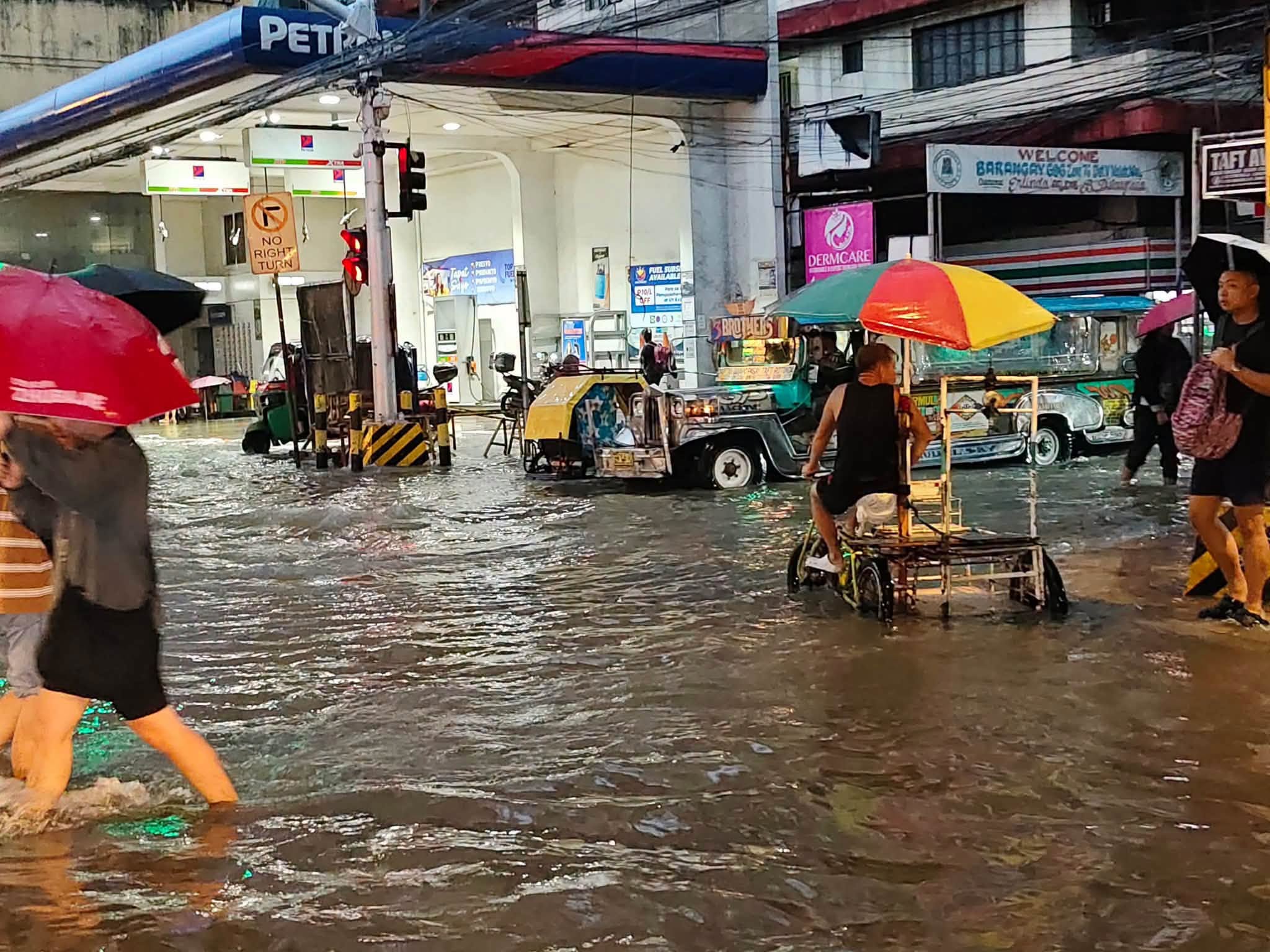
Now, the people are asking for something simple: Do the job. We cannot control the rain. But we can demand better planning. We cannot prevent every typhoon. But we can prepare for it. We cannot eliminate flooding overnight. But we can build and maintain systems that reduce its impact. And we certainly cannot accept corruption, incompetence, or indifference as simply part of Filipino life. For decades, Filipinos have been told to be resilient. Perhaps it is time we ask our leaders to be responsible.
Because the Filipino people should not have to be endlessly resilient to problems that good governance, proper planning, and genuine accountability could help prevent.