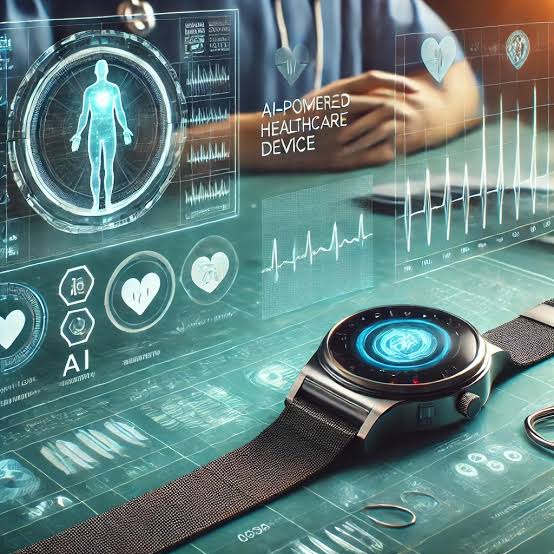

As digital health tools become increasingly integrated into everyday life, artificial intelligence (AI) is pushing the boundaries of personal wellness far beyond basic step counters and heart rate monitors. Today, AI-powered wearables are paving the way for proactive, self-administered health checks—offering early detection tools that could transform preventive healthcare for families in the Philippines and around the world.
From smart headsets capable of spotting early indicators of neurological conditions to smartphone apps scanning irises to help detect signs of cancer, neurotech and health-tech innovators are working to catch severe illnesses long before physical symptoms appear.
Shifting from Reactive to Preventive Care
For many Filipino households, visiting a clinic or hospital often happens only when symptoms become severe, due in part to busy schedules, financial constraints, or limited access to specialized diagnostic centers. AI-driven health wearables aim to bridge this gap by bringing continuous health monitoring into everyday life.

While popular connected rings, smartwatches, and fitness bands can already track heart rate, blood pressure, and blood oxygen levels, the integration of generative AI and deep data analysis is creating a new tier of health tools. OpenAI recently introduced a dedicated AI health assistant capable of analyzing a user’s medical records alongside real-time wearable device data—with user consent—to offer personalized wellness insights.
Detecting Neurological Changes Before Symptoms Show
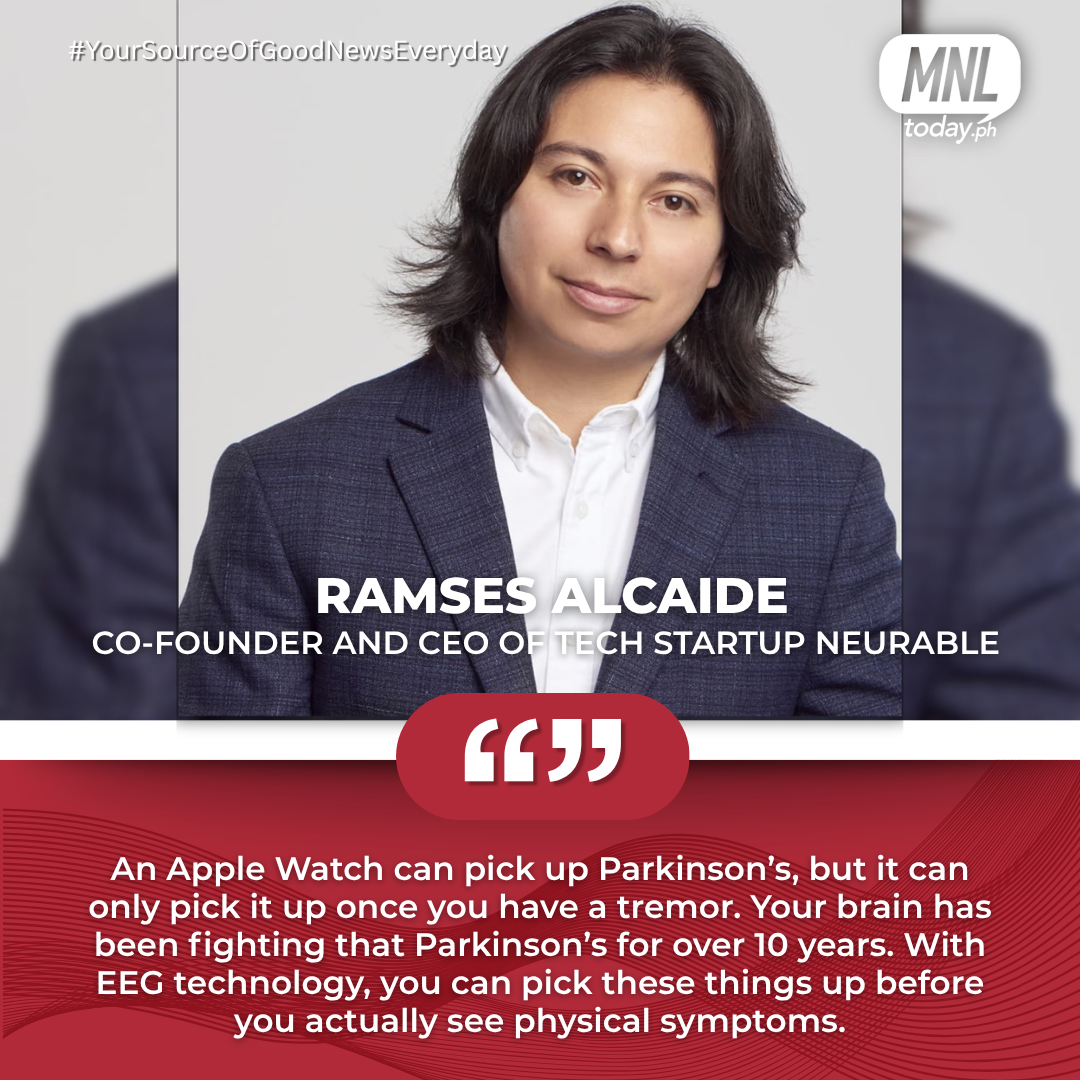
One of the most promising frontiers in consumer neurotech is non-invasive electroencephalogram (EEG) technology. Neurable has developed smart headwear equipped with soft EEG sensors that record and interpret brain wave activity in real time.
By comparing continuous brain data against a user’s baseline medical history, the linked AI software can flag subtle deviations—potentially detecting early indicators of conditions such as depression, post-traumatic stress disorder (PTSD), and early-stage Alzheimer’s disease.
The Future of Digital Health in the Philippines
Medical experts urge balanced optimism regarding consumer health gadgets. Anna Wexler, a University of Pennsylvania professor who studies consumer diagnostic products, notes that while wearable EEG devices are still evolving, AI integration has significantly expanded their reliability and potential.
While consumer wearables are not meant to replace formal medical diagnoses, they serve as vital early-warning systems. For a country like the Philippines—where conditions like stroke, cardiovascular diseases, and mental health struggles affect millions—accessible, AI-backed screening tools could empower Filipinos to seek timely medical advice, making preventive care a practical reality for every household.