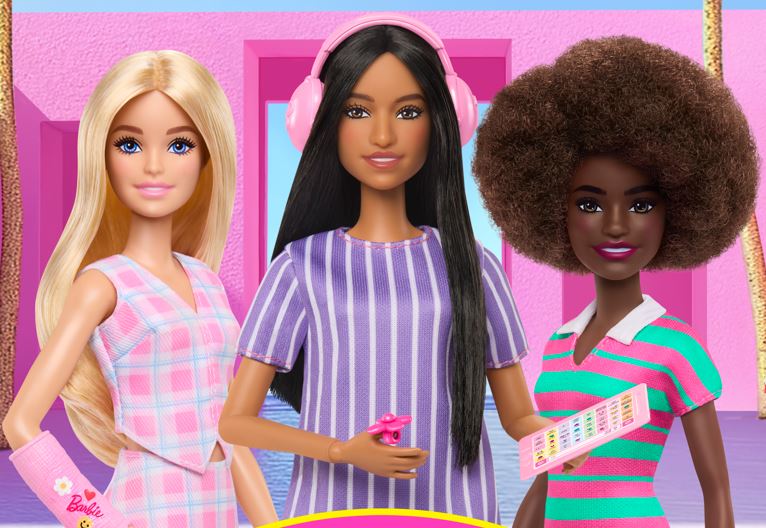

Global toy giant Mattel has officially introduced its first-ever autistic Barbie doll, marking the latest milestone in its ongoing commitment to inclusivity and helping children everywhere—including in the Philippines—see themselves reflected in the iconic toy line.
Developed in close collaboration with the Autistic Self Advocacy Network (ASAN), a US-based disability rights organization, the new doll is thoughtfully designed to honor the real-world experiences, sensory processing habits, and communication styles of individuals on the autism spectrum.
Designed with Purpose and Empathy
Unlike classic Barbie models, the new doll features articulated elbow and wrist joints, allowing it to recreate hand gestures or self-soothing movements (often known as “stimming”) that many autistic individuals use to process sensory information or express joy.
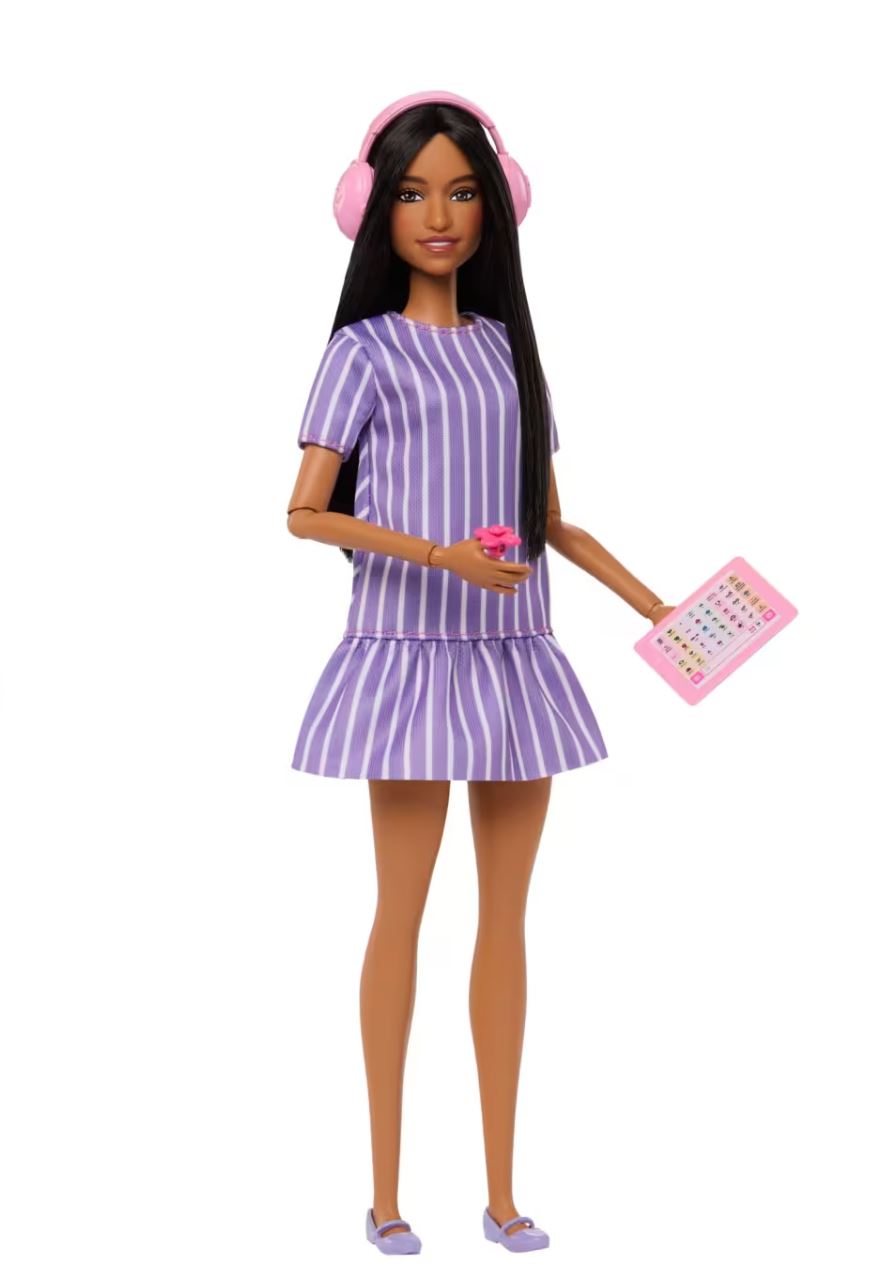
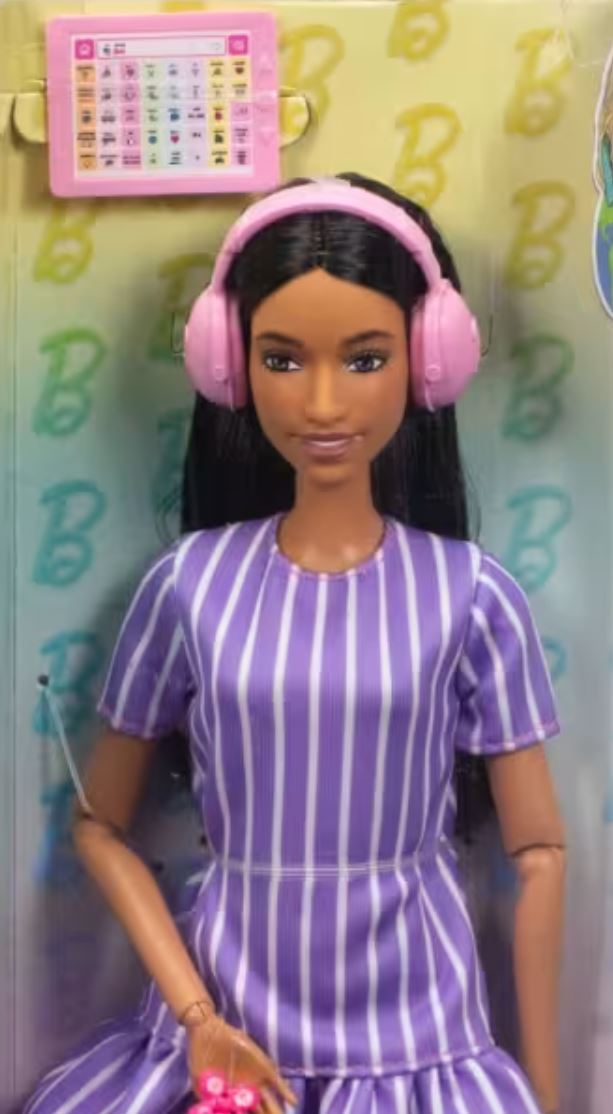
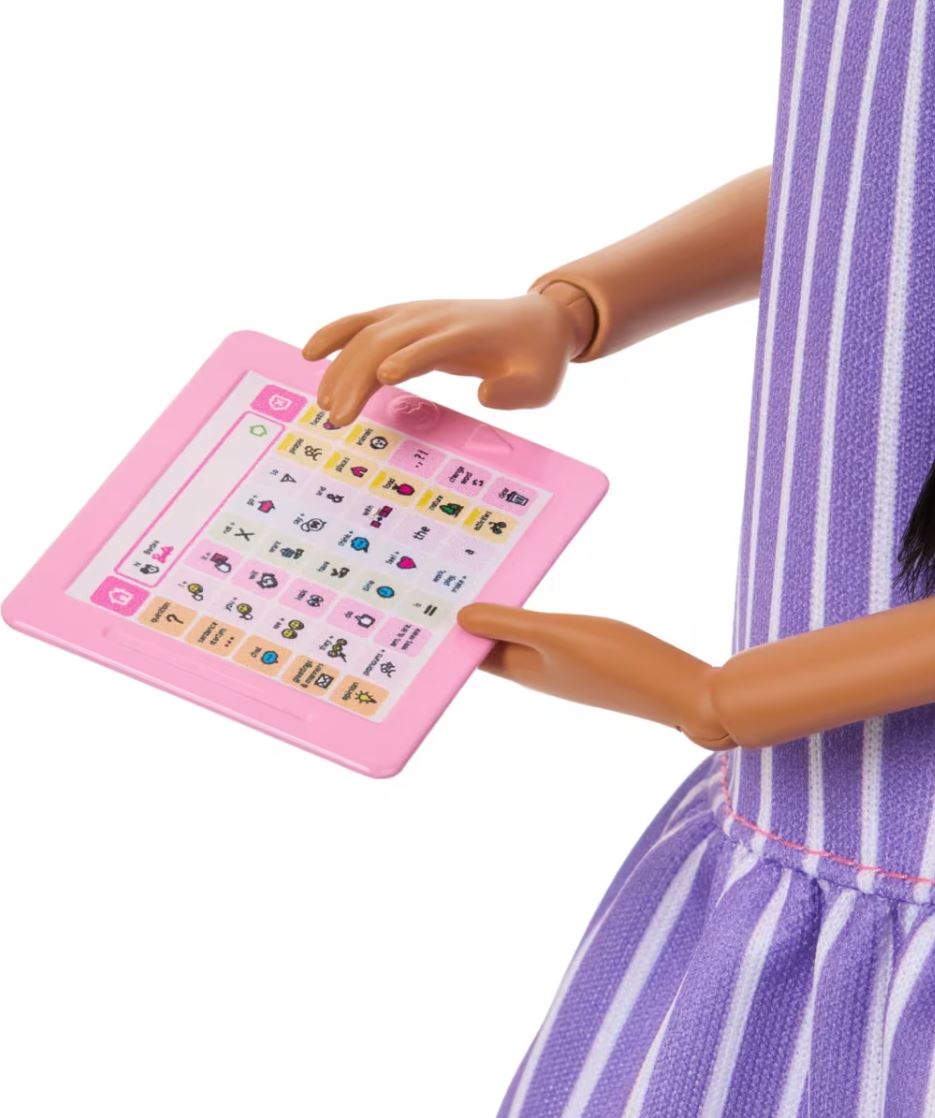
Additionally, the doll’s facial design features eyes gazing slightly to the side, acknowledging how some members of the autistic community naturally avoid direct eye contact. To complete the set, the doll comes with practical accessories commonly used in neurodivergent care, including noise-canceling headphones, a tablet, and a sensory stress-relief toy.
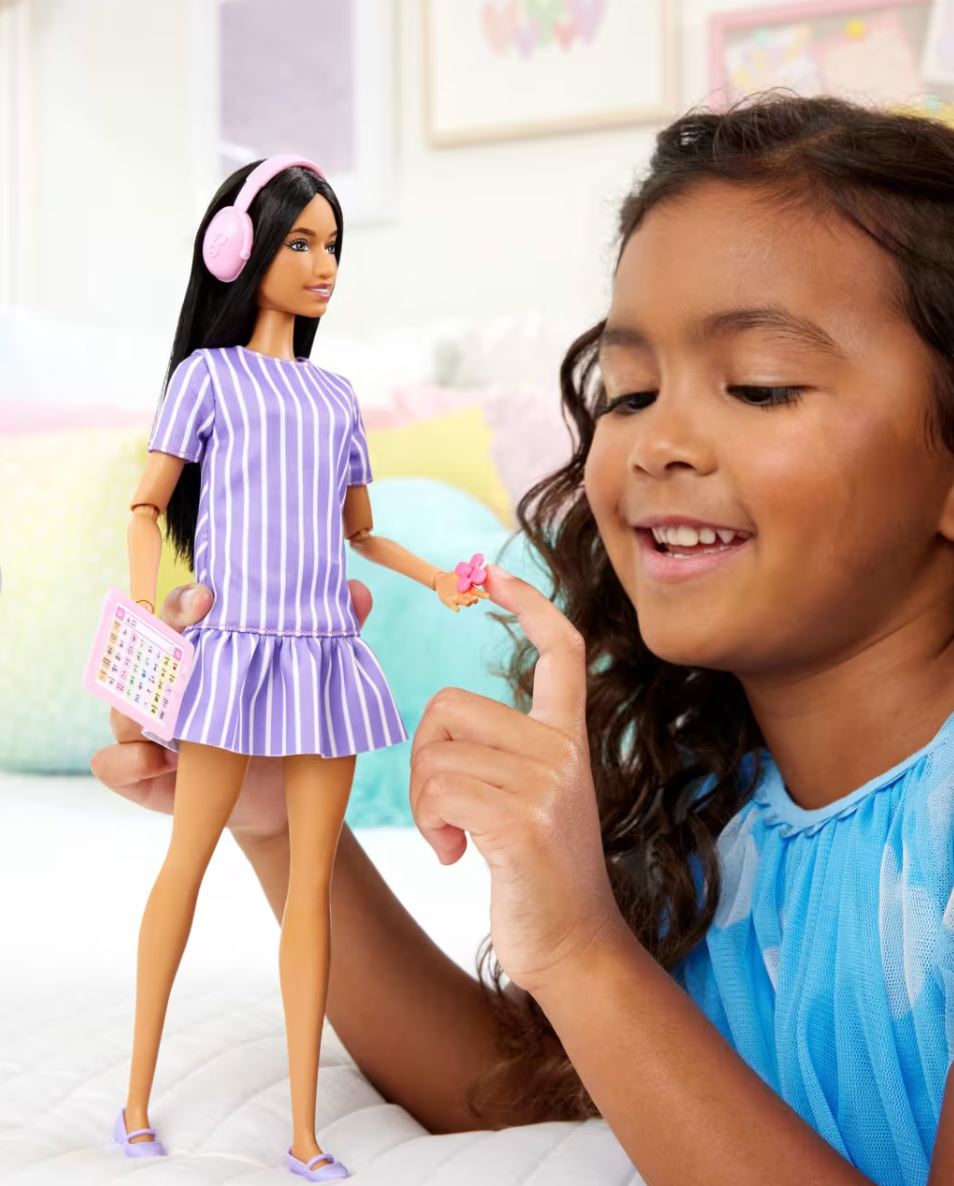
Mattel also announced that it has pledged to donate 1,000 of these dolls to pediatric hospitals specializing in autism care.
A Meaningful Step for Inclusivity in the Philippines
For Filipino parents, educators, and advocates navigating neurodiversity, the arrival of an autistic Barbie brings much-needed representation into living rooms and playrooms across the country. In the Philippines, where awareness around Autism Spectrum Disorder (ASD) continues to grow alongside support groups, community centers, and specialized care, seeing mainstream media and global brands embrace neurodiversity helps destigmatize the condition for young children.
Since launching its inclusive lineup in 2019, Mattel’s collection has grown to feature dolls with Down syndrome, blindness, type 1 diabetes, vitiligo, and mobility differences.
As scientific research continues to reaffirm that autism is a complex neurodevelopmental condition with genetic and environmental roots, initiatives like Mattel’s help replace persistent myths with empathy, visibility, and everyday acceptance for neurodivergent children worldwide.