

The European Broadcasting Union has officially confirmed a sharp decline in television viewership for the 70th Eurovision Song Contest, held in Vienna, Austria. This year’s grand final attracted a total of 131 million viewers across 35 participating broadcasters. While a massive audience by regular television standards, the figure represents a stark loss of 35 million viewers compared to the 2025 contest in Basel, Switzerland, making it the lowest television turnout for the event in over a decade.
Much of the drop is directly tied to a historic, multi-nation political boycott that fractured the competition before rehearsals even began. Following the European Broadcasting Union’s decision in late 2025 to permit Israel’s continued participation despite intense geopolitical pressure, five prominent broadcasting members—Spain, the Netherlands, Ireland, Iceland, and Slovenia—withdrew from the competition entirely. The collective pullout marked the largest coordinated boycott in Eurovision history since 1970, effectively erasing several of the contest’s most passionate and highest-viewing markets from the live television broadcast pool.

The operational ripple effects of the boycott were felt across the continent. While the live broadcasts were still technically transmitted on secondary or alternative networks in places like the Netherlands and Iceland, the absence of official domestic entries severely dampened public enthusiasm and traditional viewing parties. Across the remaining 35 participating nations, the average viewing share fell to 47.7 percent, a drop of five percentage points from the previous year. Major traditional markets like the United Kingdom, France, and Germany also saw notable year-on-year declines in live television audiences, further driving down the linear broadcast totals.
Despite the steep decline in traditional television ratings, the event’s organizers pointed to robust growth in the digital space as a sign of changing consumption habits rather than a terminal decline for the brand. The official Eurovision YouTube channel pulled in 5.43 million unique viewers in the 48 hours immediately following the final, marking a nearly five percent increase from the previous year. Furthermore, overall social media engagement across TikTok, Instagram, and Facebook surpassed 2.75 billion views throughout the season, with Instagram crossing the one billion milestone for the first time.

The contest itself delivered a historic victory for Bulgaria, whose winning song “Bangaranga” has quickly become a global streaming hit. Host nation Austria also bucked the downward trend, securing a record domestic audience of 4.4 million viewers, while the contest retained an impressive 54.8 percent viewing share among young adults aged 15 to 24 across the participating regions. Additionally, viewers from 148 non-participating nations cast ballots via the Rest of the World voting portal, indicating that global interest remains high.
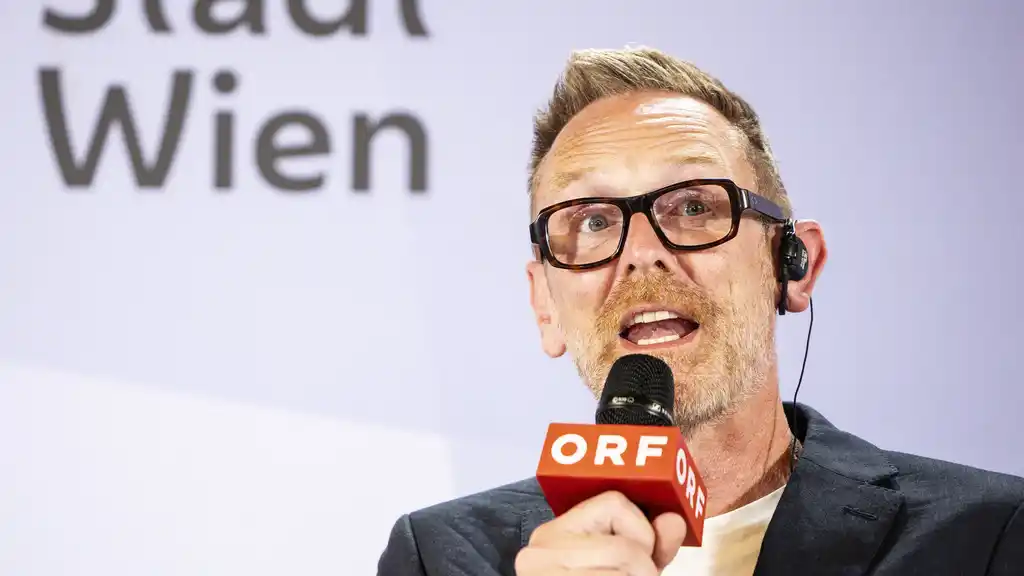
Eurovision Director Martin Green acknowledged the lower metrics while expressing optimism about reconciling with the absent broadcasters for the next edition. He emphasized that the contest continues to command an extraordinary share of the youth demographic and holds an unrivaled status as a global launchpad for new music. As the European Broadcasting Union prepares to pass the hosting torch to Sofia, Bulgaria, for 2027, the central challenge will be navigating the deep political divides that clouded the Vienna stage and finding a way to bring the boycotting nations back into the fold.
with additional report: https://www.philstar.com/