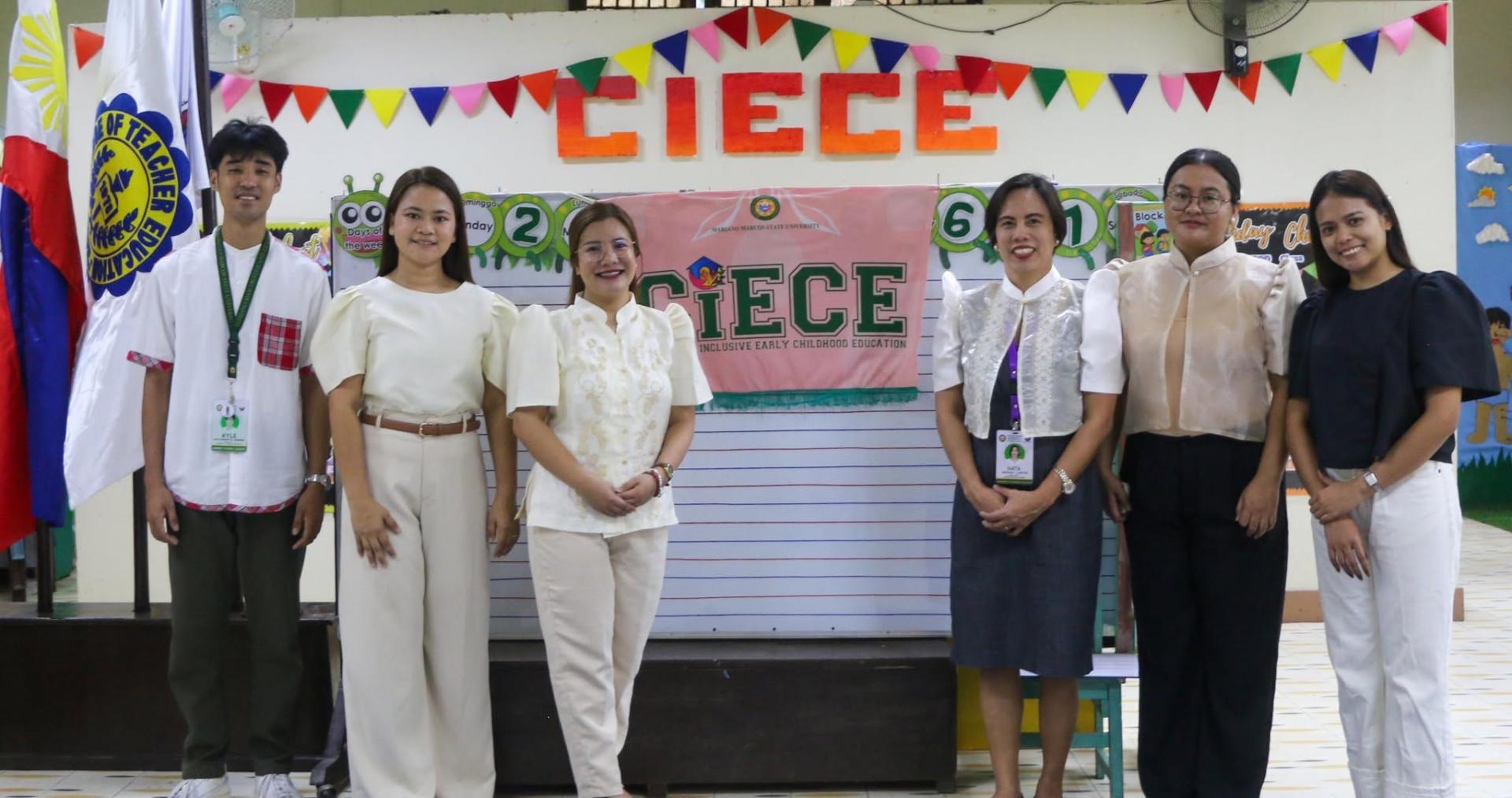

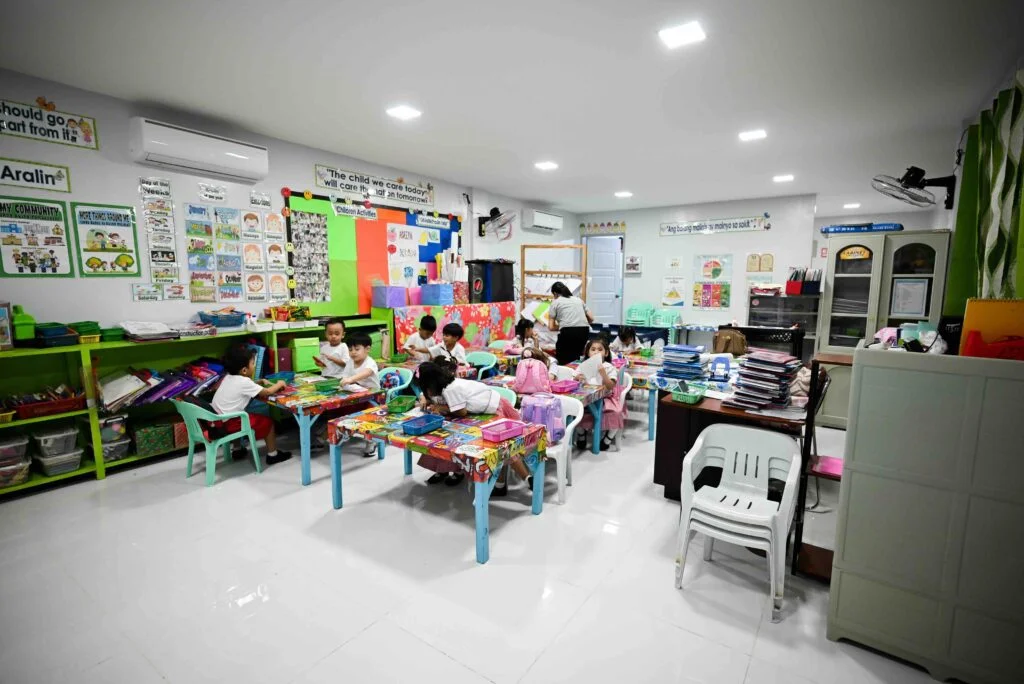
In a historic move to support student-parents and university personnel, the Commission on Higher Education, in partnership with 81 State Universities and Colleges nationwide, officially launched Project PAG-IBIG. Short for Parents’ Access to Growth through Inclusive, Balanced, and Innovative Guidance, the initiative simultaneously established and upgraded child-minding facilities and laboratories across state campuses, transitioning them into fully accessible community childcare centers. The national kickoff ceremony, hosted by Romblon State University, marked a major paradigm shift in how the Philippine higher education sector addresses the intersecting needs of academic pursuit and family welfare.
The rollout directly addresses a critical socio-economic vulnerability within the country’s education system. According to data from the World Health Organization, the Philippines is home to an estimated 15 million solo parents, a staggering 75 percent of whom do not hold a college degree. For many of these individuals, as well as working students and young institutional staff, the absence of reliable and affordable childcare has long stood as an insurmountable barrier to completing their education or maintaining steady employment. By integrating institutional childcare into the SUC ecosystem, the project systematically dismantles these academic and workplace hurdles.
CHED Chairperson Shirley C. Agrupis emphasized that the initiative goes far beyond simple physical infrastructure, describing it as the realization of a holistic vision where education thrives because families are empowered. The strategic layout of Project PAG-IBIG is built around a comprehensive family support framework modeled by Romblon State University, which focuses on three core pillars: childcare, parent care, and university care. Through this consortium, participating institutions like Pampanga State University and dozens of others can seamlessly share best practices, ensuring that the centers act as safe, nurturing spaces for children while their guardians focus on lectures or professional duties.

The macroeconomic implications of the nationwide program are equally profound. Economic projections from the World Bank suggest that accelerating labor force and academic participation among solo parents could boost the country’s Gross Domestic Product by as much as 20 percent, injecting roughly 87.4 billion dollars in untapped productivity into the national economy. By transforming university laboratories into community-facing service centers, CHED is effectively unlocking the economic potential of thousands of households previously held back by caregiving limitations.
As the program settles into its nationwide implementation phase, it directly anchors CHED’s broader ACHIEVE Agenda, which champions stakeholder welfare and impactful community-extension linkages. By establishing these safe havens on campuses, the commission is proving that inclusive educational leadership can foster generational change, ensuring that a parent’s desire for self-improvement never has to come at the expense of their child’s well-being and early development.
with additional report: https://www.philstar.com/