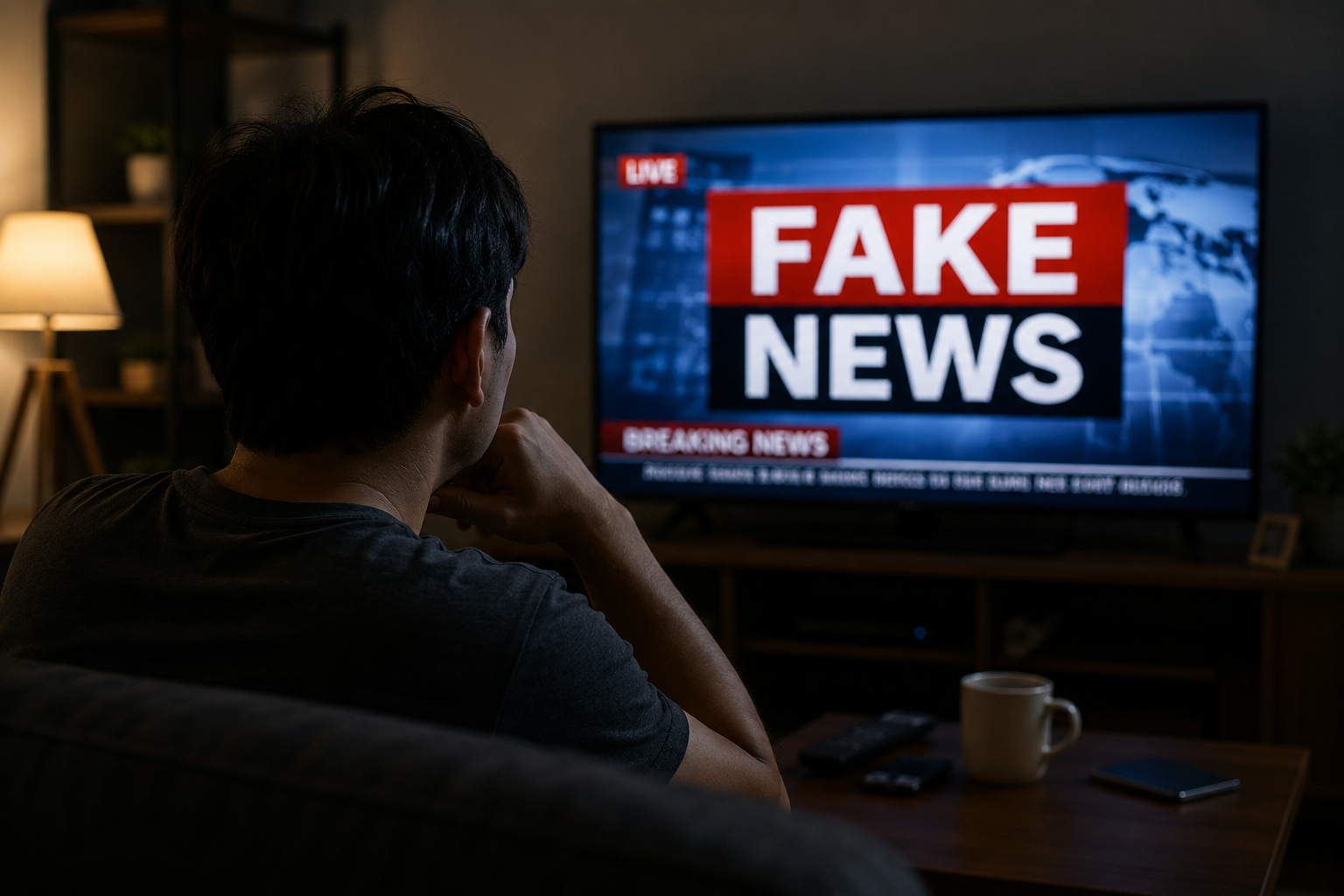

In today’s digital age, social media has become one of the most powerful platforms for communication. It allows people to express opinions, share information, and engage in conversations instantly. However, while it connects people, it has also become a breeding ground for misinformation and fake news.
What is alarming is that fake news no longer comes only from anonymous accounts or unreliable sources. Sometimes, the very people considered educated, professional, and credible are the ones spreading false information. This raises an important question: what does it take for someone to appear reliable while peddling fake news?
With information now easily accessible online, many people quickly believe and share content without taking time to fact-check or conduct proper research. A single post, edited photo, or misleading caption can influence thousands within minutes. According to University of Michigan Library’s guide on fake news, fake news often spreads because people react emotionally before verifying facts.
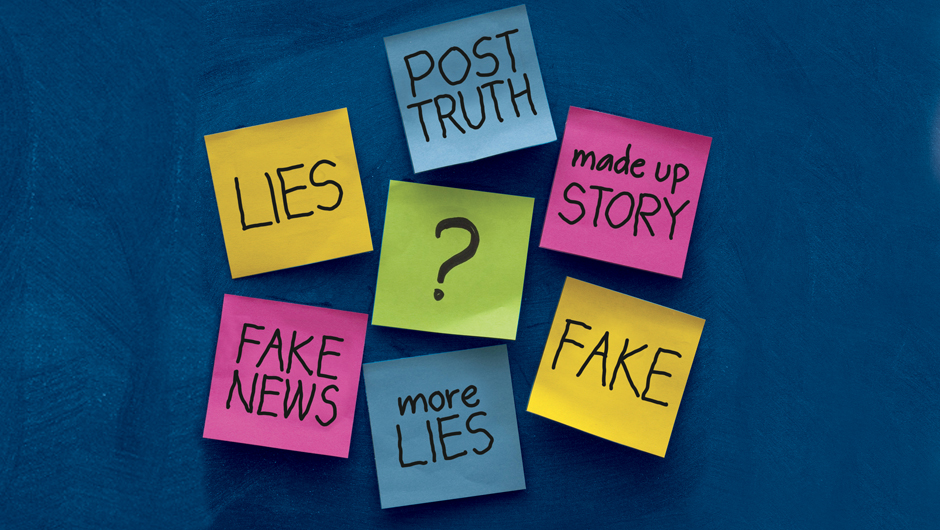
Social media comment sections have also become spaces filled with hostility, insults, and misinformation. Instead of healthy discussions, many conversations turn into personal attacks and online bullying. Some individuals even use AI-generated, spliced videos or manipulated photos to strengthen false narratives and convince others to believe them. These actions not only mislead the public but also damage trust and create division among communities, families, and friends.
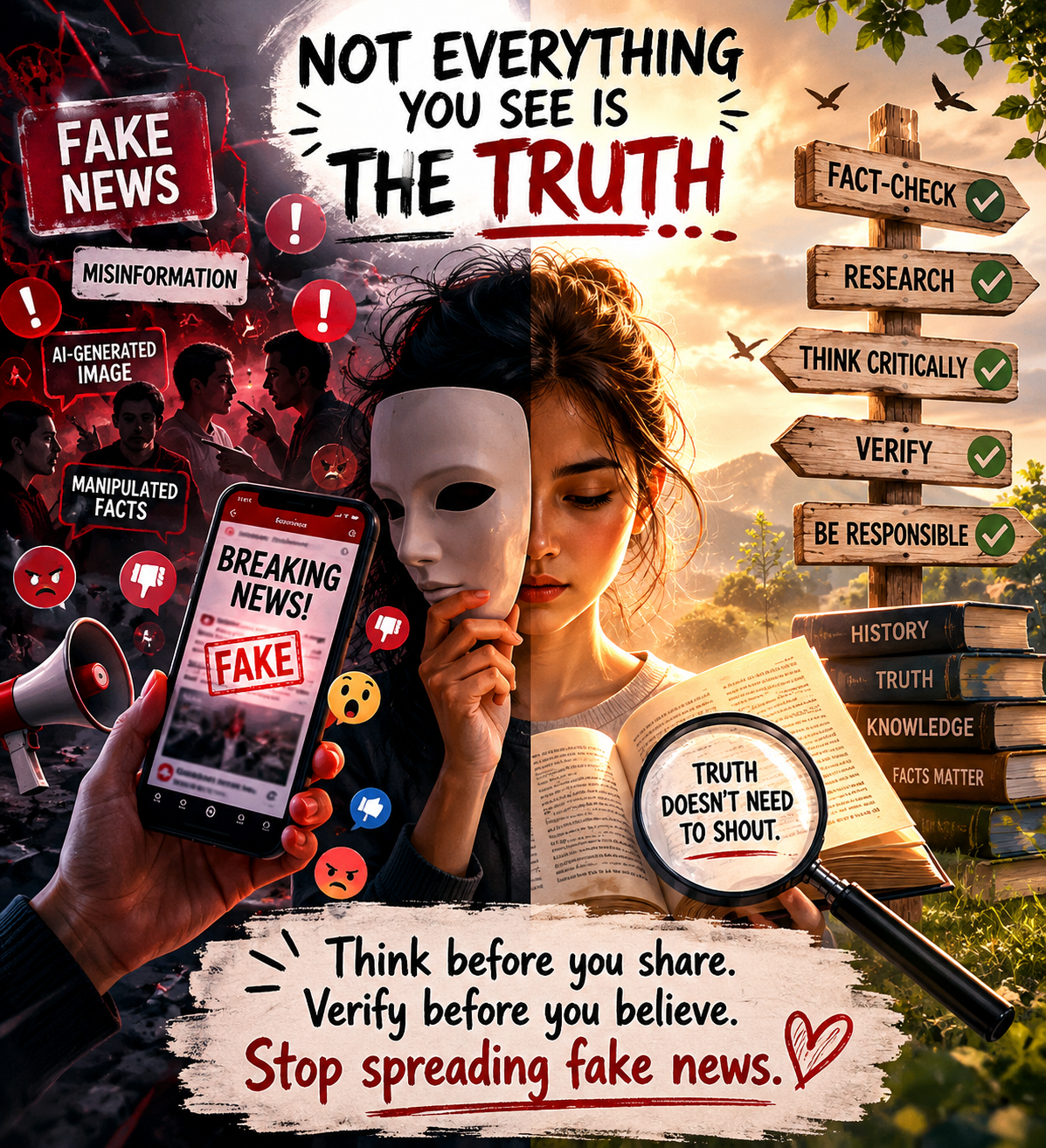
Everyone has the freedom to believe and express opinions, but freedom also comes with responsibility. Before posting or sharing information, people should take time to read, research, and verify facts from credible news sources, books, and historical records. Fact-checking does not take much effort, especially when reliable information is widely available.
Spreading fake news reflects not only a person’s lack of responsibility but also their disregard for truth and accountability. What makes the situation more concerning is that misinformation often gains more attention than factual reporting because of sensationalism and emotional reactions.
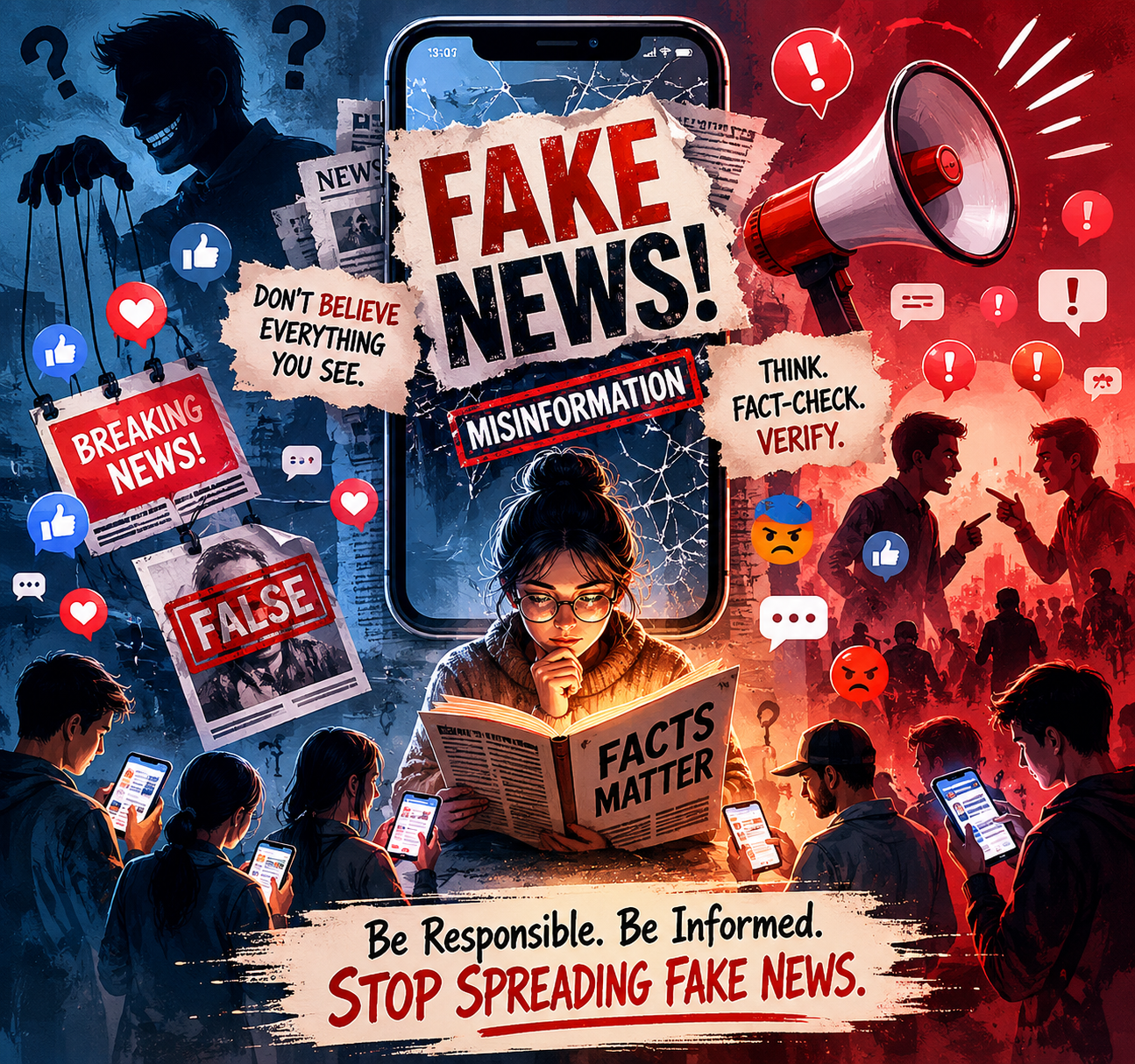
Social media can still be a positive platform when used responsibly. It can educate, inspire, and connect people. However, when it is used to spread lies, degrade others, or manipulate public opinion, it becomes harmful. As users of these platforms, people must learn to protect their peace, remain open-minded, and avoid being blinded by bias.
Reading books, studying history, and listening to credible sources are simple yet powerful ways to fight misinformation. Everyone is capable of critical thinking and fact-checking. In a time when fake news spreads rapidly, choosing truth over convenience is more important than ever.
The responsibility to stop misinformation starts with every individual. Think before sharing, verify before believing, and remember that the truth will always matter more than viral content.