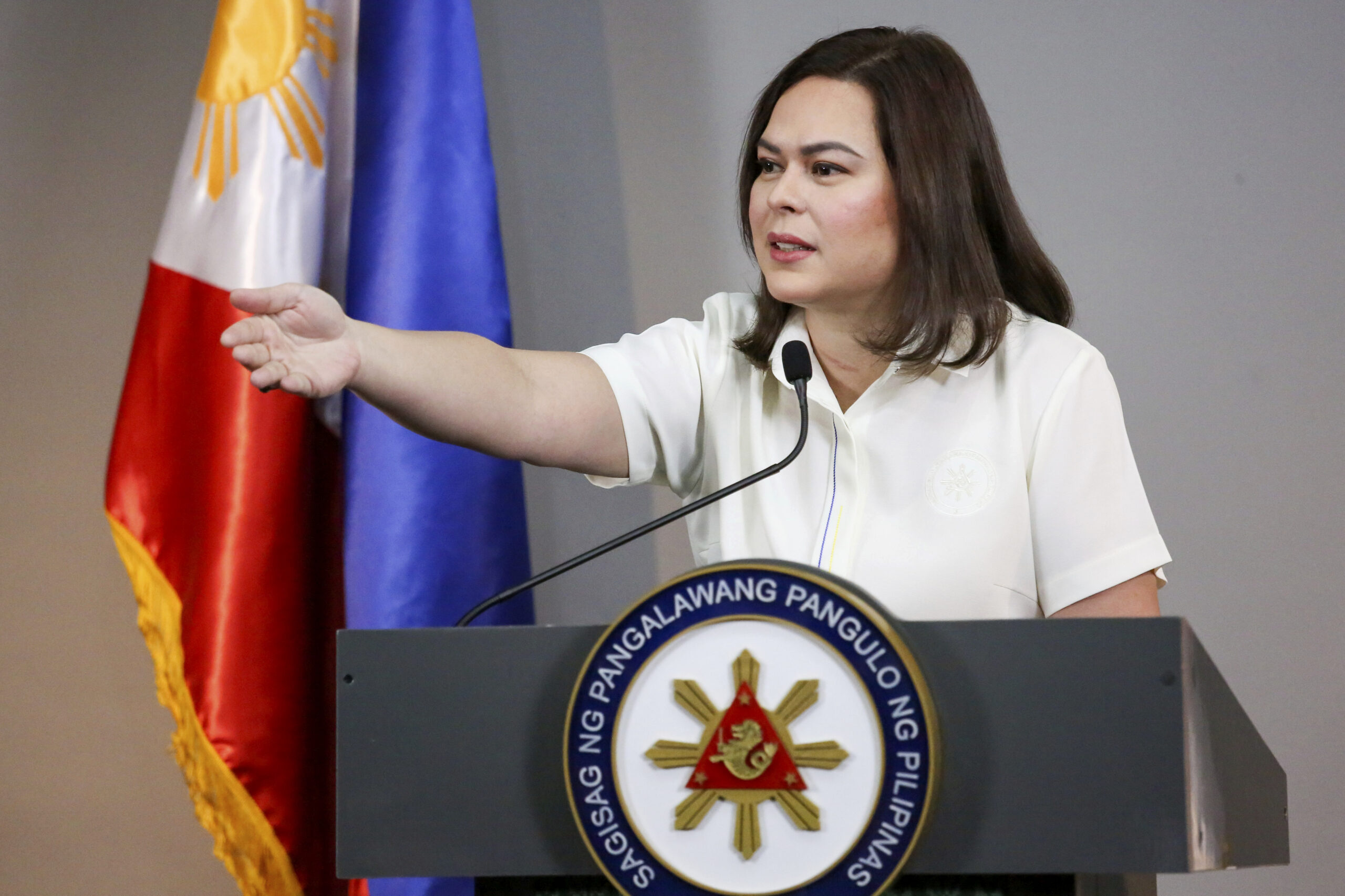

MANILA, Philippines — The Senate impeachment court continued proceedings this week in the impeachment trial of Vice President Sara Duterte, with prosecutors pressing for evidence related to her alleged threats against top government officials and financial documents they say are relevant to the articles of impeachment.
The latest hearings centered on procedural and evidentiary issues, including whether prosecutors should be allowed to present witnesses and documents concerning Duterte’s alleged threats against President Ferdinand R. Marcos Jr., First Lady Liza Araneta-Marcos, and former House Speaker Martin Romualdez, as well as financial records linked to the vice president and her family.
Prosecutors: Alleged Threat Is the Central Issue
House prosecutors argued before the impeachment court that the case concerning Duterte’s alleged public threat does not depend on proving the existence of a hired assassin, but on the alleged threat itself.
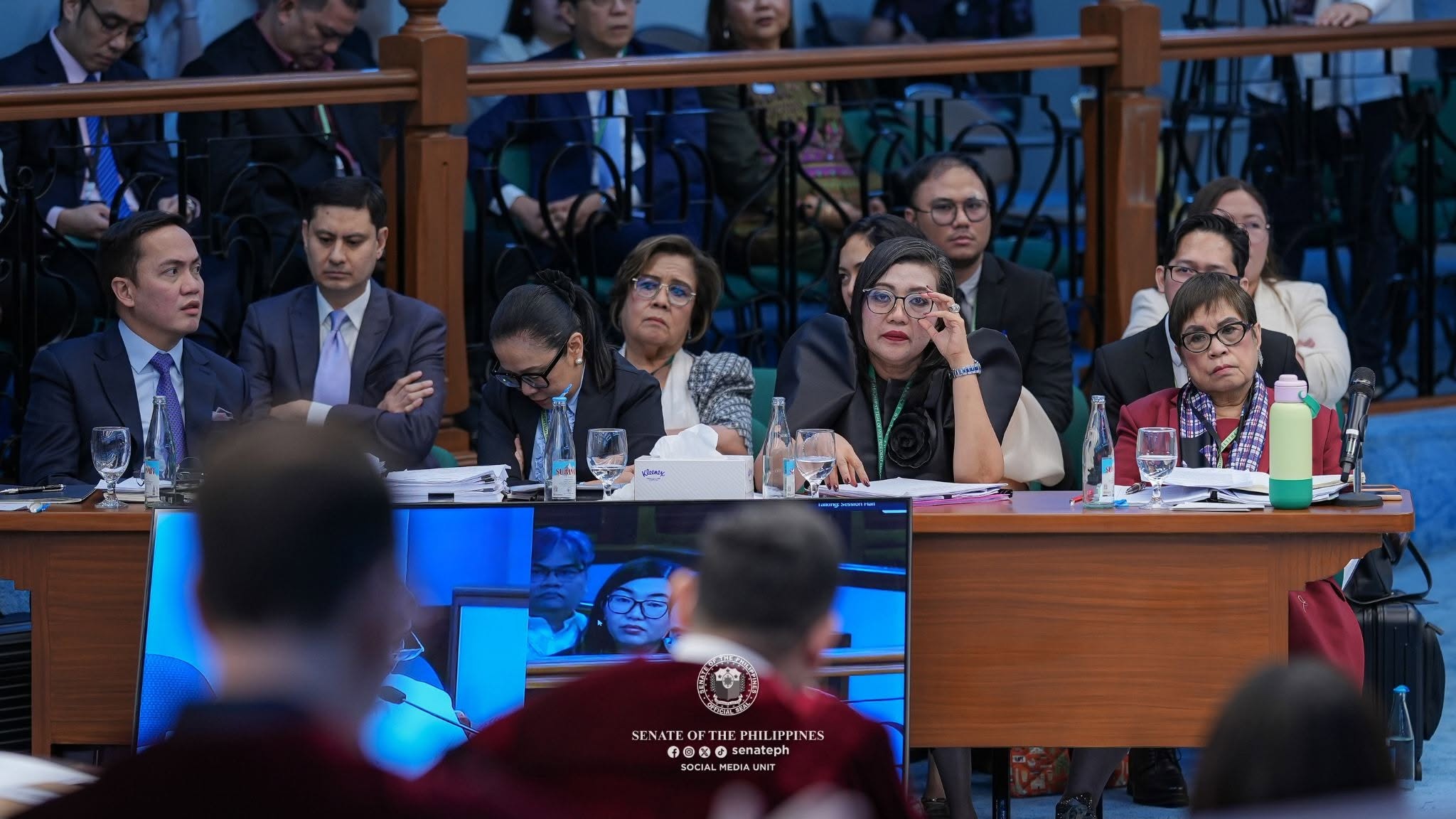
According to members of the prosecution panel, the impeachment charge focuses on Duterte’s own statements and whether these constitute a culpable violation of the Constitution and betrayal of public trust. They maintained that proving the actual existence of a hitman is unnecessary, as the issue before the Senate is the alleged threat made by the vice president. The prosecution also stressed that witnesses are being presented to establish the circumstances surrounding Duterte’s remarks.
Senate Allows Subpoenas for Financial Records
In a separate development, the Senate impeachment court granted prosecutors’ requests to subpoena several financial documents involving Duterte, her husband, and entities allegedly connected to them.
Among those ordered to produce records are banking institutions and the Anti-Money Laundering Council (AMLC), while a request involving tax records was also granted, subject to compliance with confidentiality laws governing tax information.
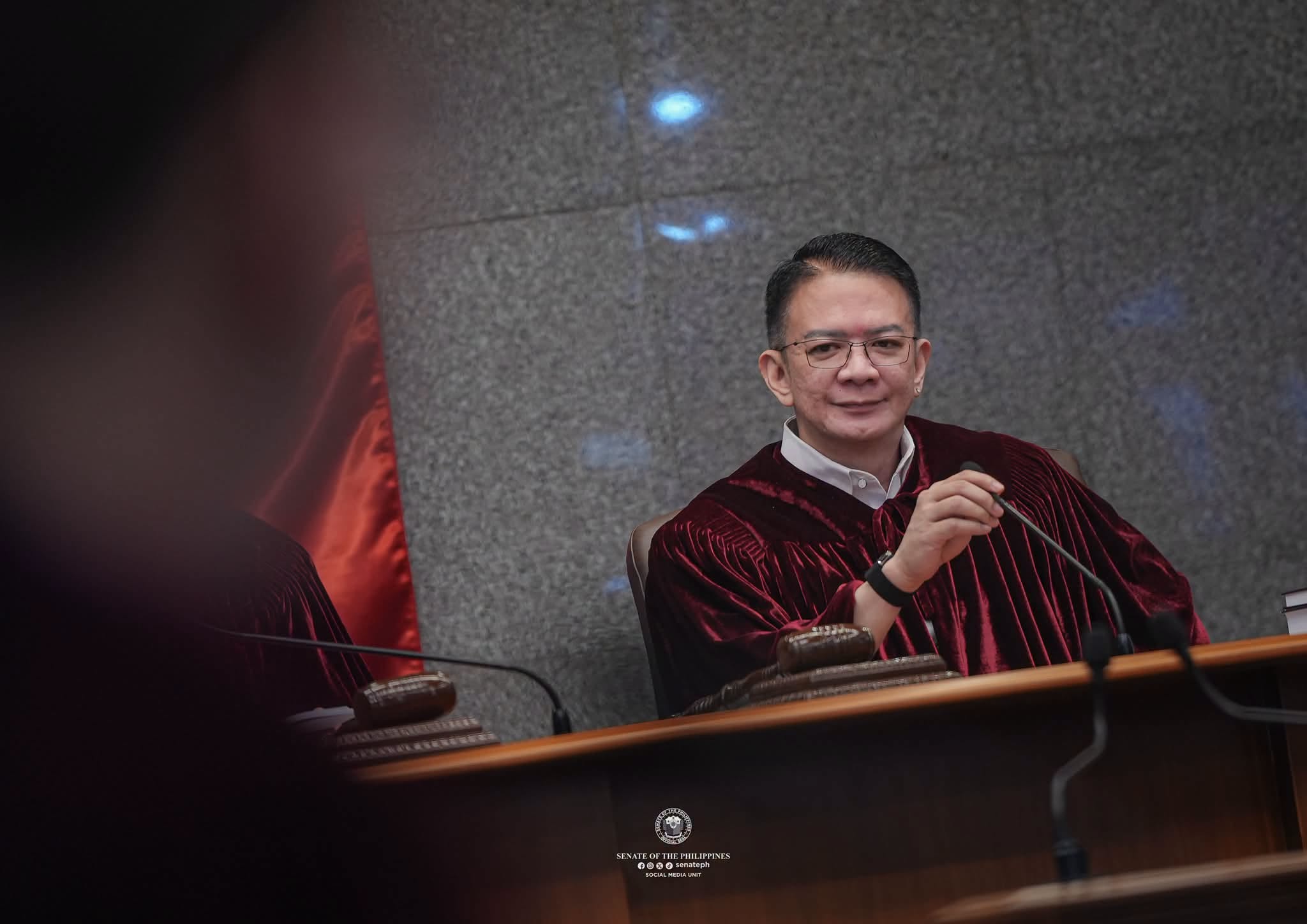
Presiding Officer Senate President Francis Escudero said the requested documents satisfied the legal requirements for the issuance of subpoenas. However, the court clarified that the records may only be used to establish a baseline of Duterte’s assets, transactions, and business interests during her current term, and not to introduce new impeachment allegations beyond those already contained in the Articles of Impeachment.
Search Warrants and Subpoenas Become Legal Flashpoint
Another major issue raised during the proceedings involved the distinction between search warrants and subpoenas.
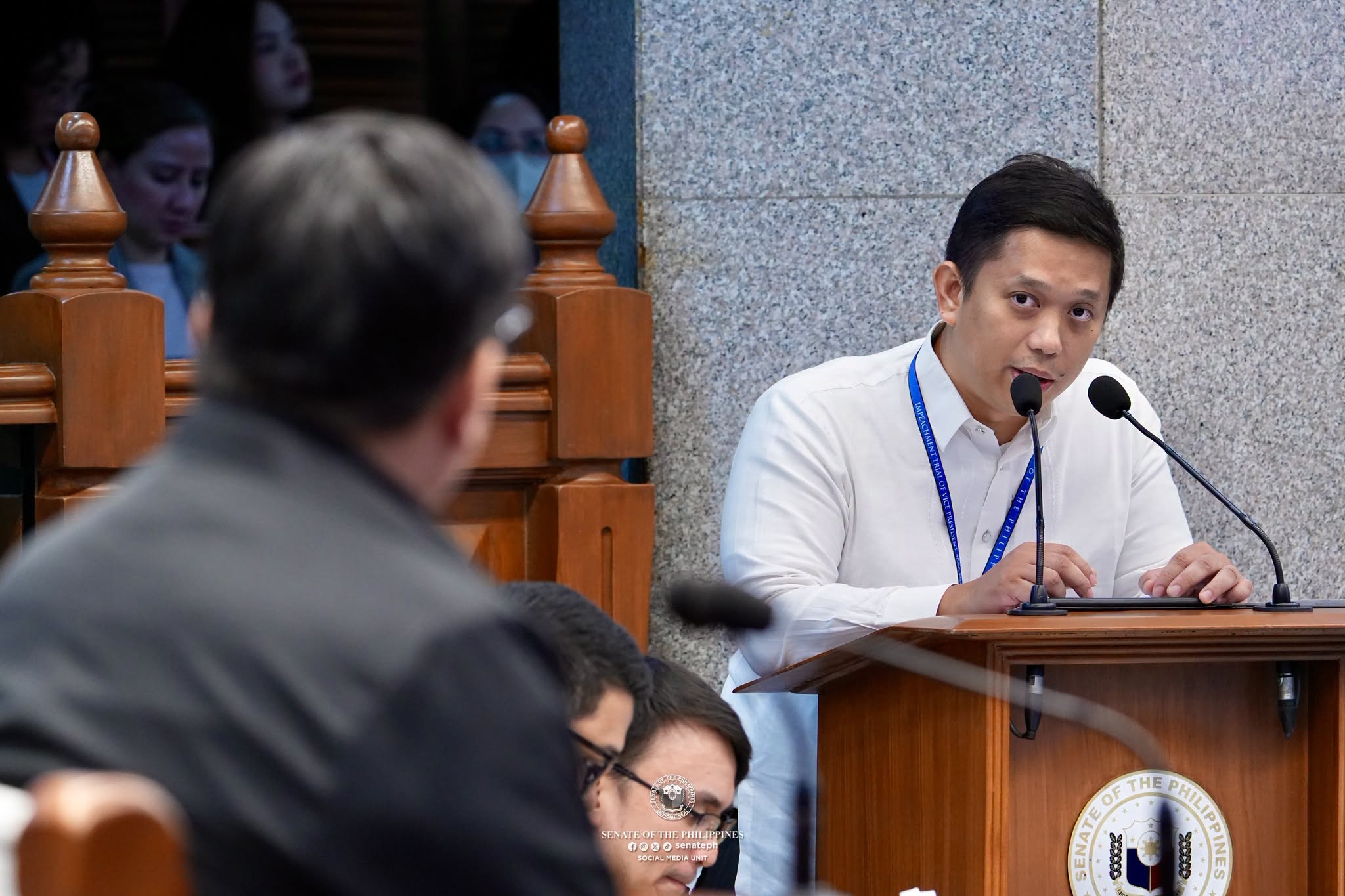
The defense questioned whether some documentary evidence sought by the prosecution should instead require judicially issued search warrants, arguing that the Senate impeachment court’s subpoena powers have constitutional limits.
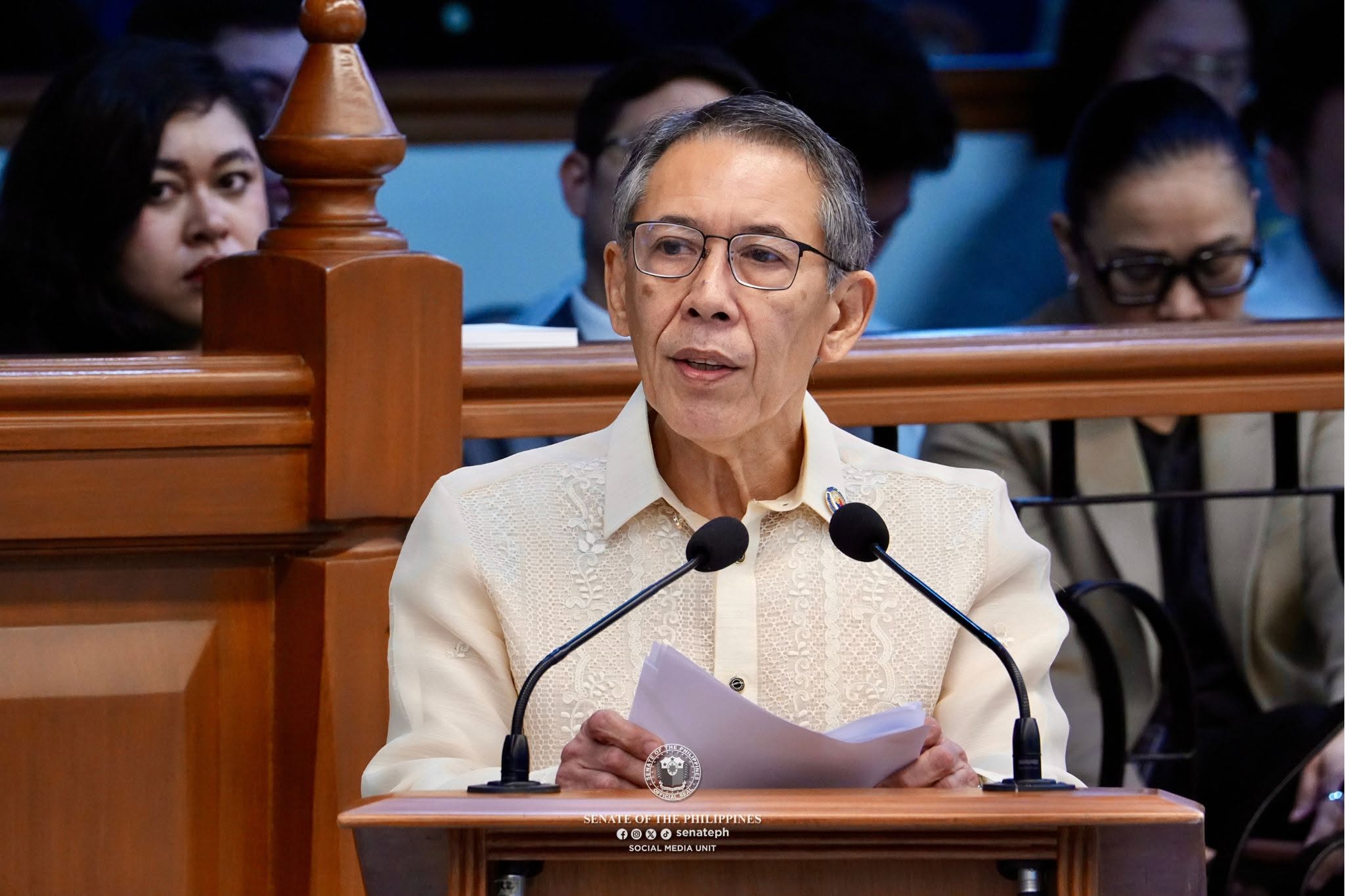
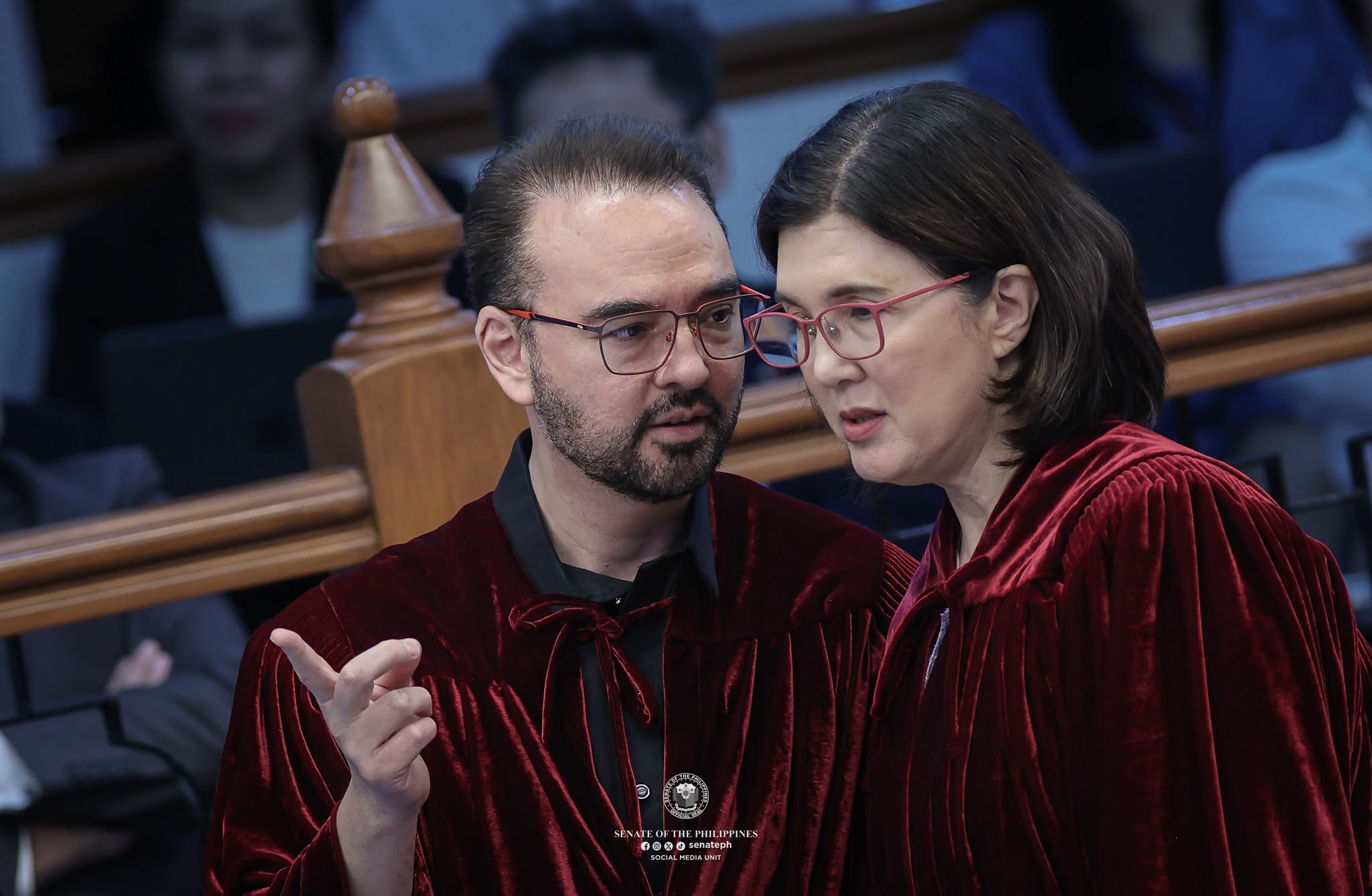
House prosecutors countered by invoking the landmark Stonehill v. Diokno ruling, maintaining that subpoenas compel the production of documents and testimony, while search warrants authorize the seizure of property—making the two legal remedies fundamentally different. They argued that the prosecution is seeking records through lawful subpoenas rather than conducting searches or seizures.
Court Reiterates Scope of Proceedings
The impeachment court has repeatedly emphasized that the trial will remain confined to the allegations approved by the House of Representatives in the Articles of Impeachment.
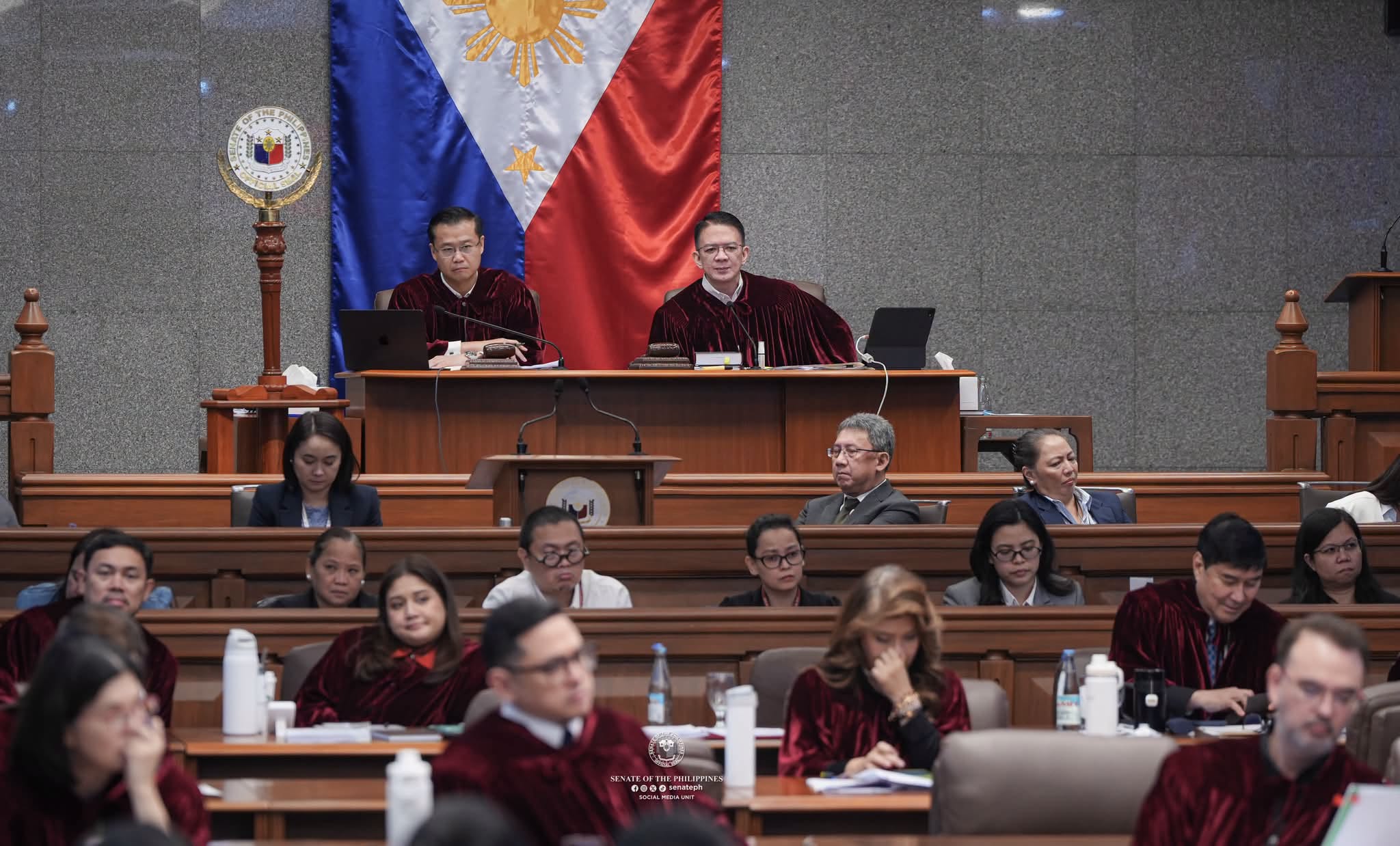
The Senate has also continued resolving procedural motions on evidence and witnesses before the presentation of the prosecution’s substantive case, with both sides expected to continue debating the admissibility and relevance of documentary evidence in the coming hearings. Vice President Duterte has consistently denied the allegations against her and has maintained that the impeachment proceedings are politically motivated. A conviction would require the votes of at least two-thirds, or 16 of the Senate’s 24 members, and would result in her removal from office and possible disqualification from holding future public office