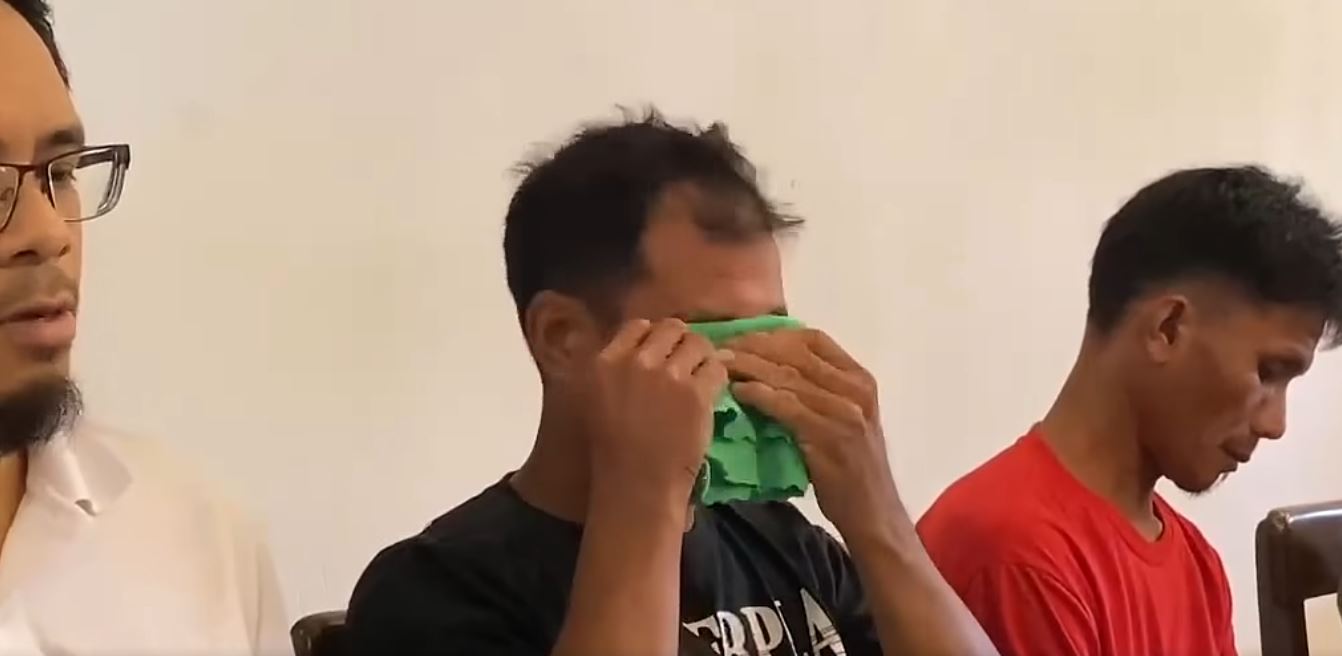

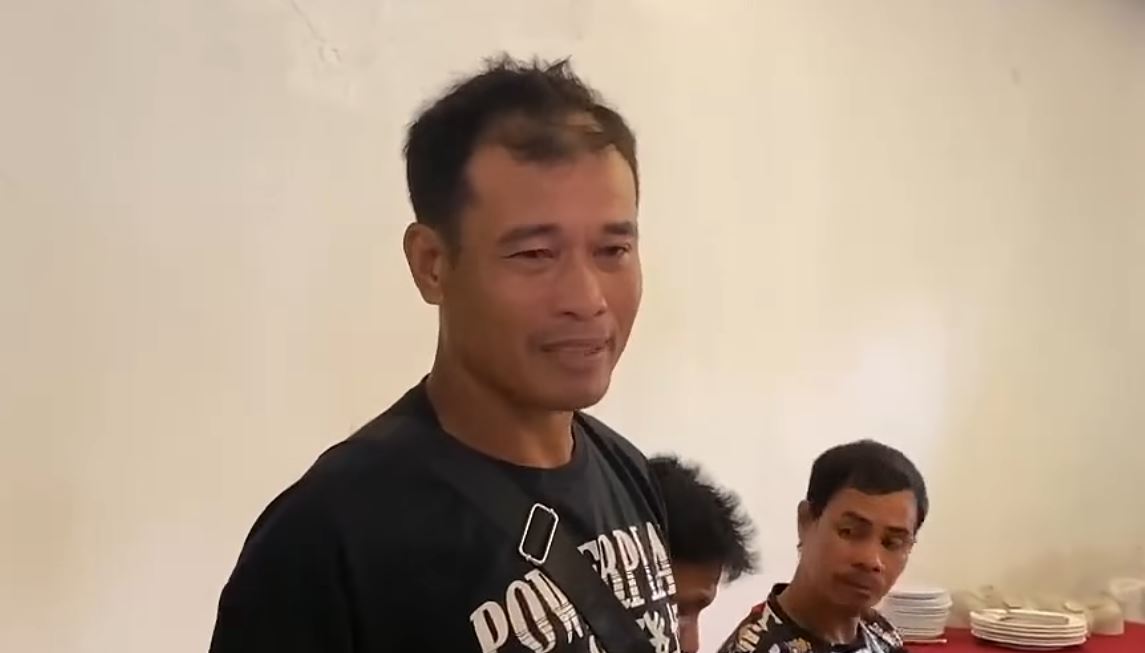
MANILA, Philippines — The story of 43-year-old sugar farm worker Raffy Valentin has drawn widespread public attention after he tearfully appealed for what he described as fair and just wages following nearly two decades of working at Hacienda Lolita in Cadiz City, Negros Occidental.
In a video interview that circulated widely on social media, Valentin said he has spent the past 18 years working in the sugarcane fields, performing physically demanding work from land preparation to harvesting. Fighting back tears, he said he and his fellow workers are not asking for luxury—only to receive what they believe they have rightfully earned.
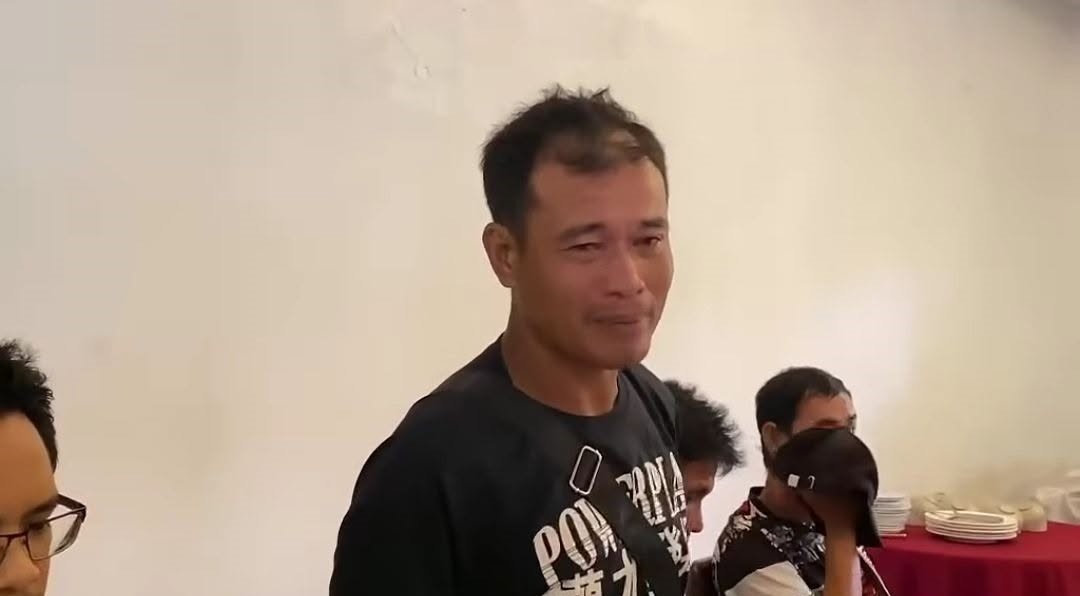
According to Valentin, he receives ₱2,500 every two weeks, an amount that he says is insufficient to support his family. He also alleged that he and his fellow workers have not received benefits such as the 13th-month pay and their share of the Sugar Amelioration Bonus.
Valentin appealed directly to the hacienda’s owner, Aurelio Gerardo J. Valderrama Jr., president of the Confederation of Sugar Producers Associations (CONFED), asking that the workers be given what they believe is due to them.
The allegations have prompted calls from labor advocates for a thorough government investigation.
The Center for Trade Union and Human Rights (CTUHR) urged the Department of Labor and Employment (DOLE) and other concerned government agencies to examine the wage scheme and labor conditions at Hacienda Lolita.
CTUHR Executive Director Kamz Deligente said Valentin’s alleged ₱250 daily wage, based on a ₱2,500 fortnightly salary, appears to be significantly lower than the ₱520 minimum daily wage for agricultural workers in Western Visayas.
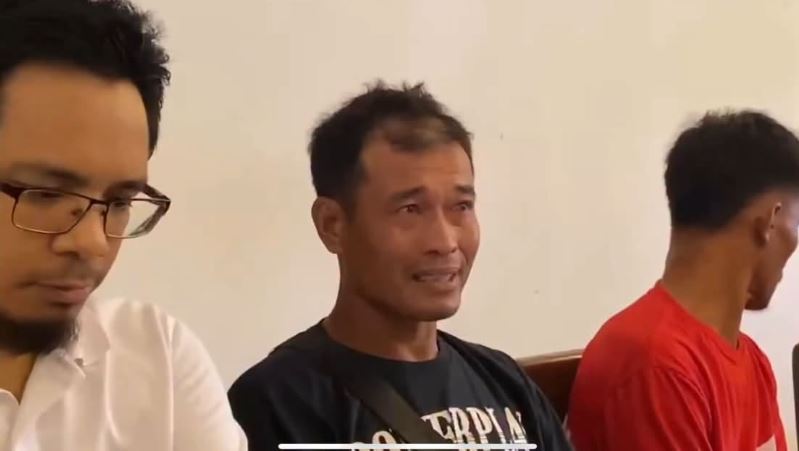
“Mr. Valentin’s appeal should not be seen as an isolated case. The government should see it as possibly the tip of an iceberg,” Deligente said, adding that the allegations may point to broader labor rights concerns within the sugar industry.
The labor rights group also called for a public investigation into Valentin’s claims regarding wages, employee benefits, and compliance with existing labor laws.
Hacienda owner responds
Valderrama’s legal counsel has since released a statement denying the accusations and defending the hacienda’s position.
According to the statement, the workers had previously questioned employment-related documents but allegedly failed to establish legal grounds for their claims.
“After the workers realized that they cannot question the documents legally, they resorted to social media hoping that they can pressure Mr. Valderrama into submitting to unreasonable and baseless demands,” the legal counsel said.
As of this writing, no official findings have yet been released by DOLE or other government agencies regarding the allegations.
Spotlight on the lives of agricultural workers
Regardless of how the dispute is ultimately resolved, Valentin’s testimony has once again drawn national attention to the difficult realities many agricultural workers say they continue to face.
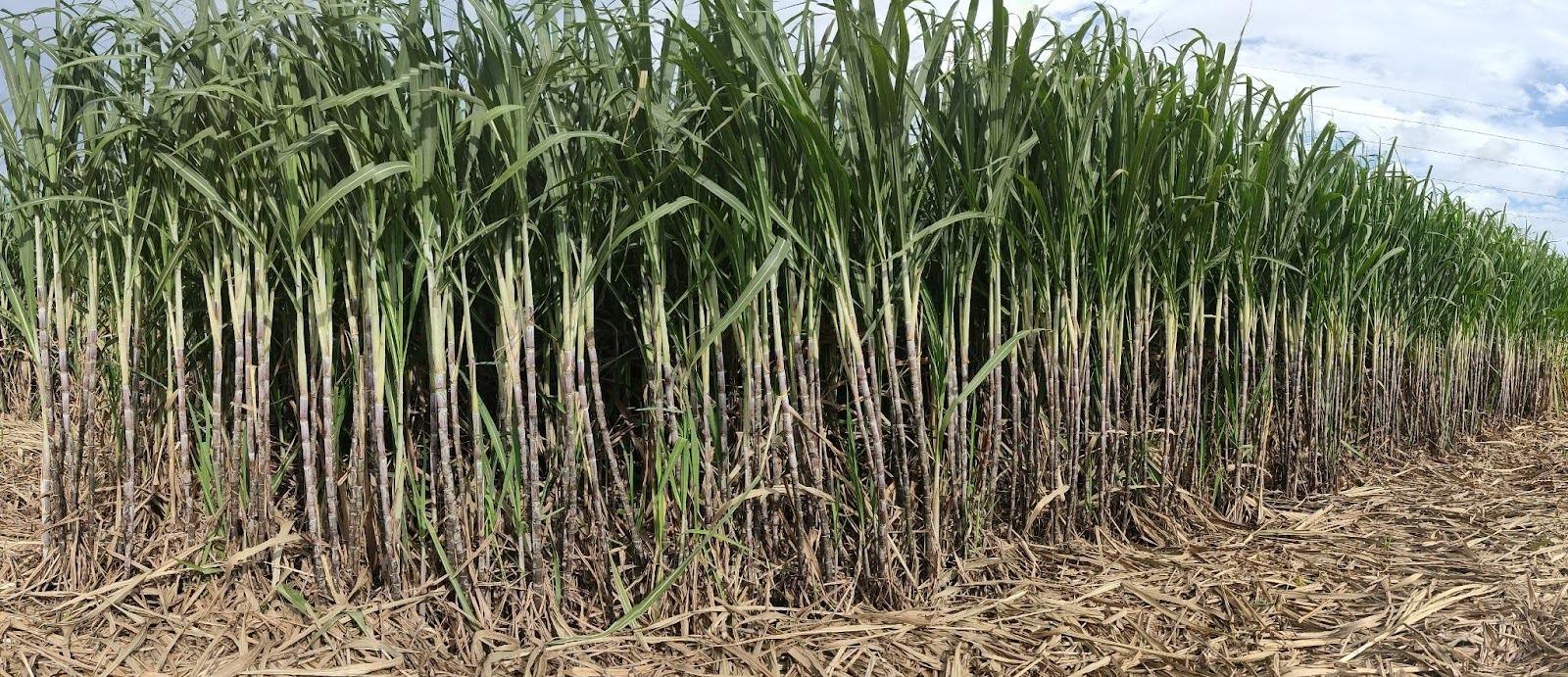
From preparing farmland under the scorching sun to harvesting the crops that feed millions of Filipinos and sustain one of the country’s key agricultural industries, sugar farm workers perform physically demanding labor that is essential to the nation’s economy.
Yet many continue to struggle to earn enough to provide food for their families, send their children to school, or access adequate healthcare.
The case has reignited discussions about whether existing labor protections are being effectively implemented in far-flung agricultural communities and whether stronger government oversight is needed to ensure compliance with labor standards.It also raises a broader question that extends beyond a single hacienda:
Are the very people whose labor keeps food on Filipino tables receiving the fairness, dignity, and protection they deserve?
Many Filipinos have expressed frustration over the plight of agricultural workers, arguing that farmers and farm laborers remain among the country’s least compensated despite providing one of society’s most essential services. They point out that every meal begins with the hard work of people in the fields, making their welfare a matter of national concern rather than a private dispute.
The controversy has renewed calls for government officials to ensure that labor laws are properly enforced and that workers’ rights are protected. Advocates stress that public servants are entrusted with safeguarding the welfare of the people—including those who produce the nation’s food—and that concerns raised by farm workers deserve prompt and impartial attention.
As investigations are being sought, labor groups and the public alike are calling on the appropriate authorities to determine the facts, hear all parties fairly, and ensure that justice is served in accordance with the law.