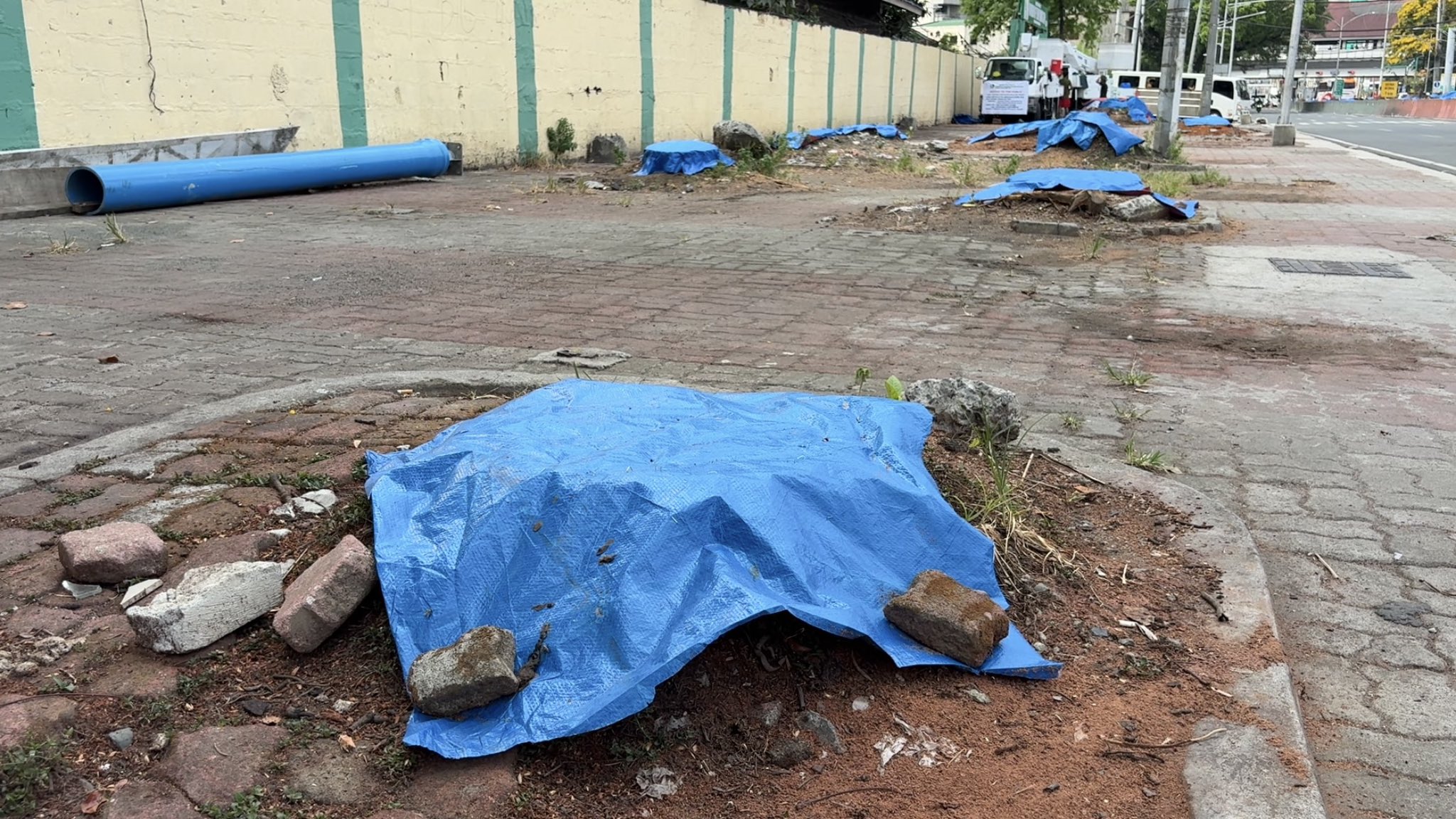

MANILA — The Department of Environment and Natural Resources (DENR) has defended the ongoing tree-cutting operations along Quirino Avenue in Manila, saying the activity underwent proper review and forms part of the Southern Access Link Expressway (SALEX) project.
The issue sparked public concern after photos and videos showing rows of trees being cleared along the busy avenue circulated online, with many residents lamenting the loss of shade and greenery in one of Manila’s major thoroughfares.
According to DENR-National Capital Region (DENR-NCR), the tree-cutting activities were authorized after undergoing environmental compliance checks and permit processing. The agency clarified that not all affected trees will be cut, as some are set to be earth-balled or transferred instead.
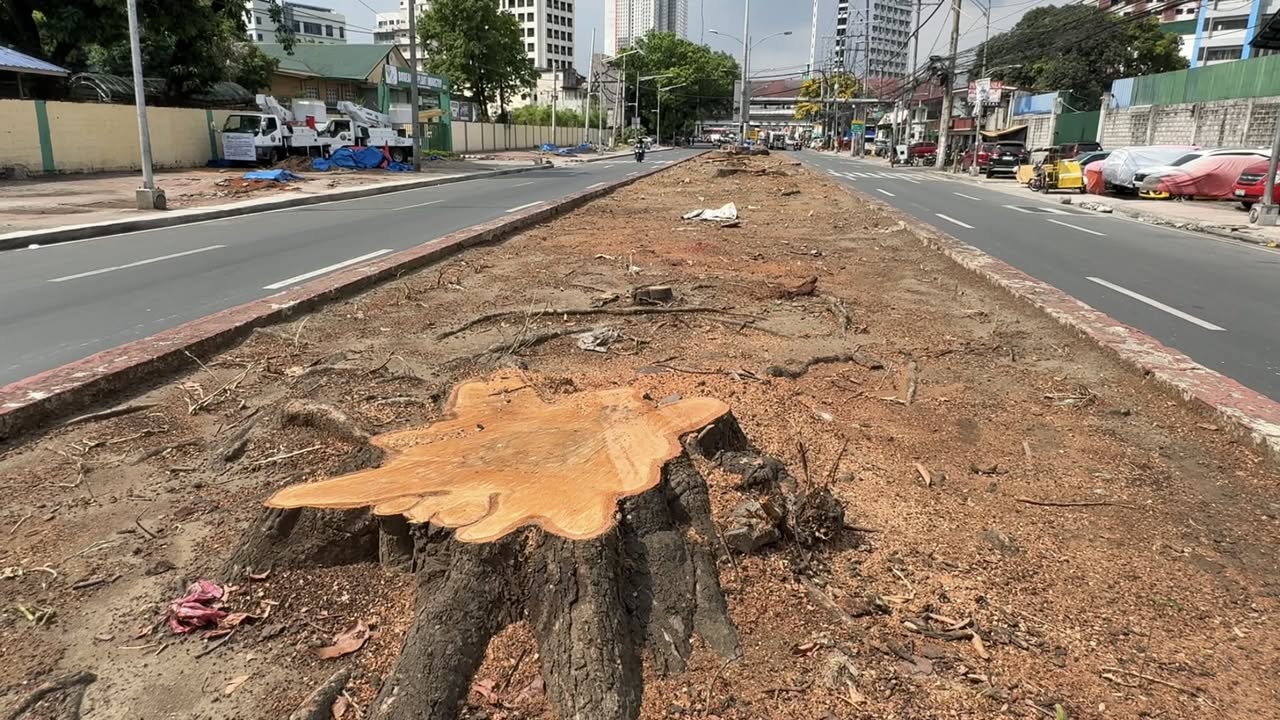
Authorities said around 617 trees are affected by the infrastructure development, though only a portion will ultimately be removed. The clearing operation covers sections of Quirino Avenue stretching toward Roxas Boulevard to give way for the construction of SALEX, an elevated expressway project intended to improve connectivity in Metro Manila.
SALEX is part of the Greater Capital Region Integrated Expressways Network and includes several extensions linked to the Metro Manila Skyway system. The Toll Regulatory Board described the project as a proposed 40.65-kilometer elevated expressway network aimed at easing traffic congestion and improving mobility in southern Metro Manila.
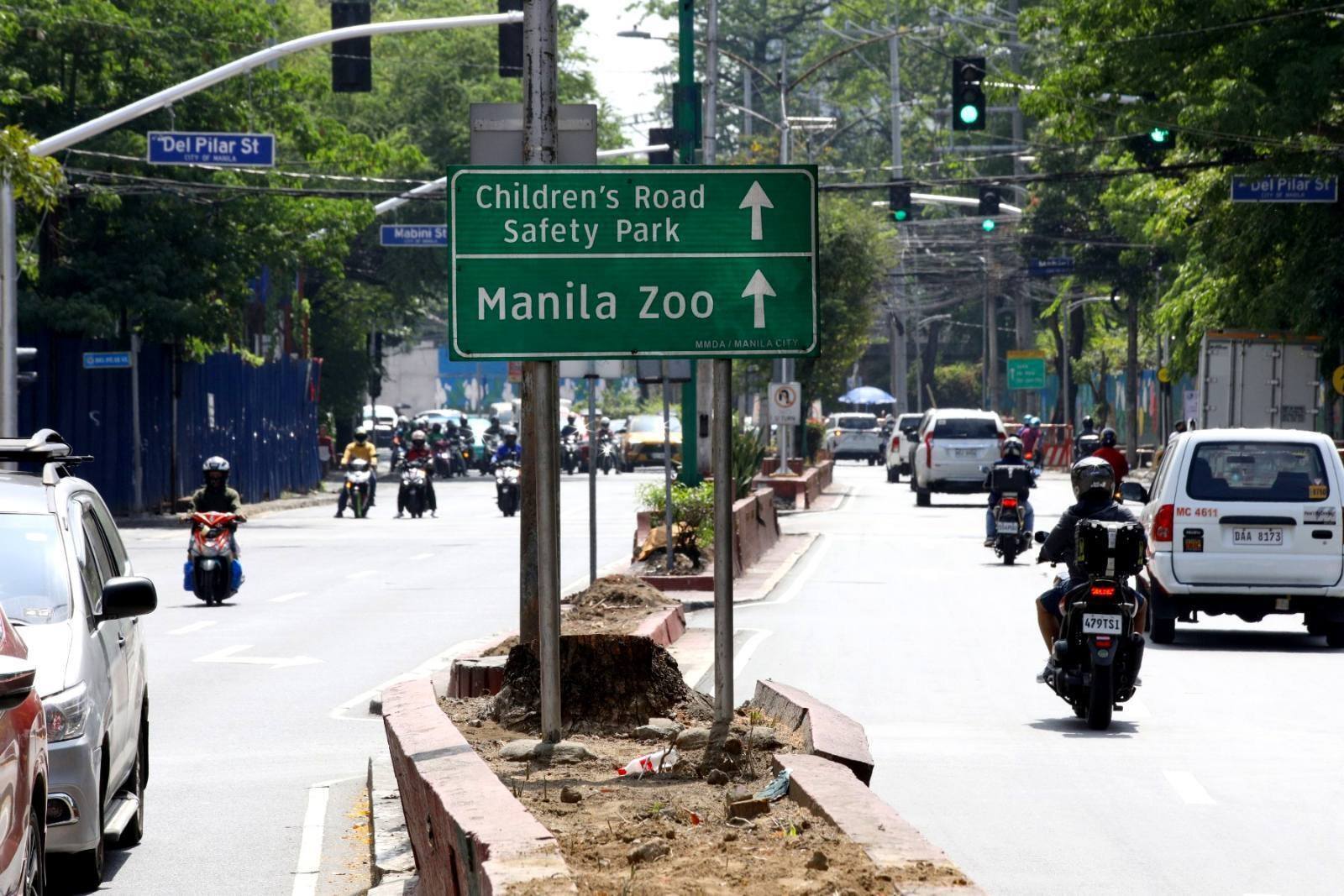
Despite the government’s explanation, residents and environmental advocates expressed concern over the environmental impact of the operation, especially amid rising temperatures and worsening urban heat conditions in the capital. Some commuters said the once tree-lined stretch of Quirino Avenue has become noticeably hotter and less pedestrian-friendly following the clearing operations.
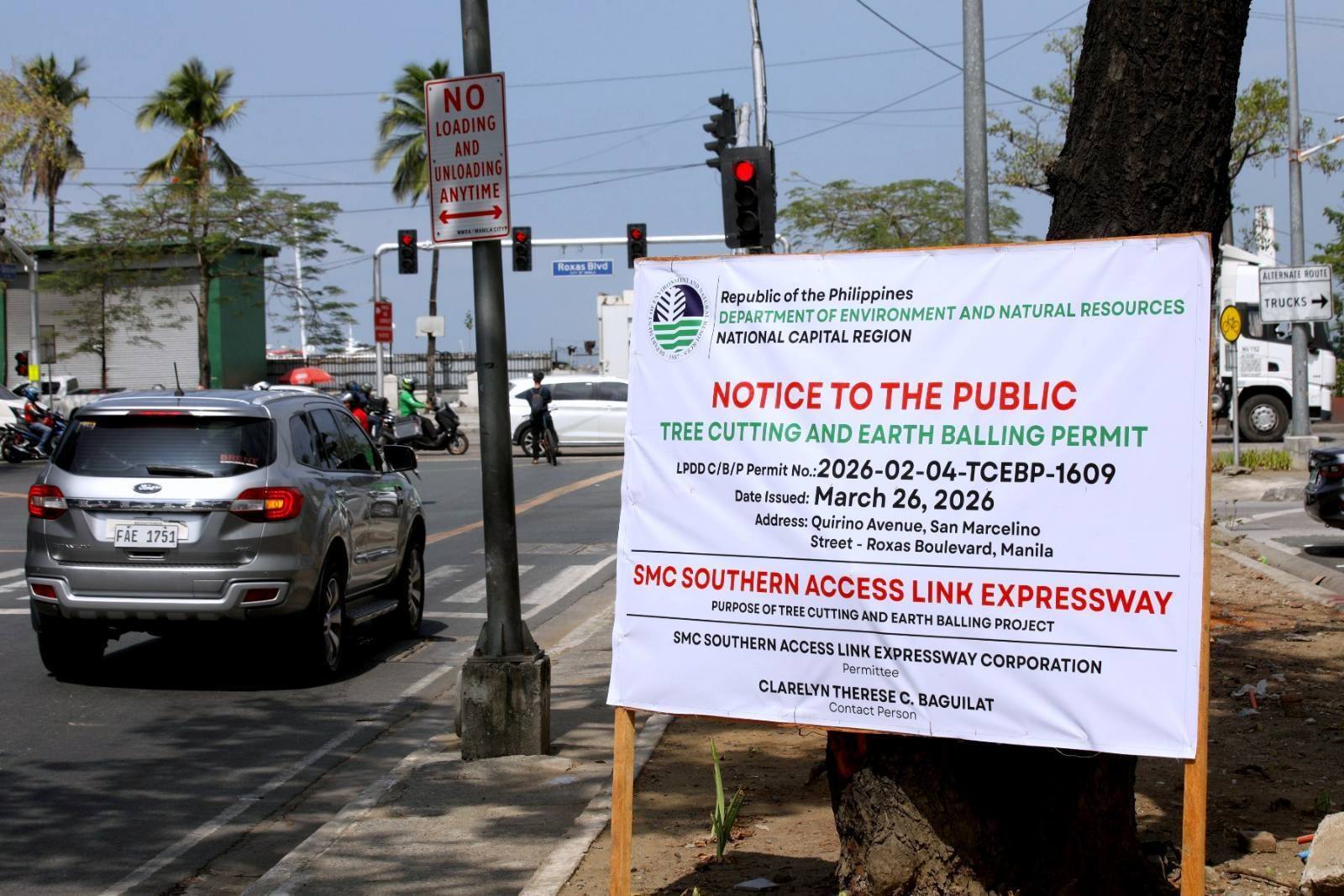
DENR-NCR emphasized that applications for tree-cutting are not automatically approved and must comply with environmental regulations. The agency also noted that developers are required to conduct replacement planting programs as part of the permit conditions.
Under DENR regulations, tree-cutting permits generally require replacement planting, with government projects in previous years directed to plant dozens of seedlings for every tree removed.
The controversy has reignited discussions online about balancing infrastructure development with environmental preservation, particularly in densely populated urban areas like Manila where green spaces remain limited