
The Department of Public Works and Highways has reached a significant milestone in urban infrastructure development with the official completion of the first phase of the EDSA rehabilitation project. This initial stage focused on the critical repair of damaged road segments and the application of a high-grade asphalt overlay across several kilometers of the capital’s busiest thoroughfare. By prioritizing the most degraded portions of the highway, the agency aims to provide immediate relief to thousands of motorists who endure the daily wear and tear of Metro Manila’s primary artery.
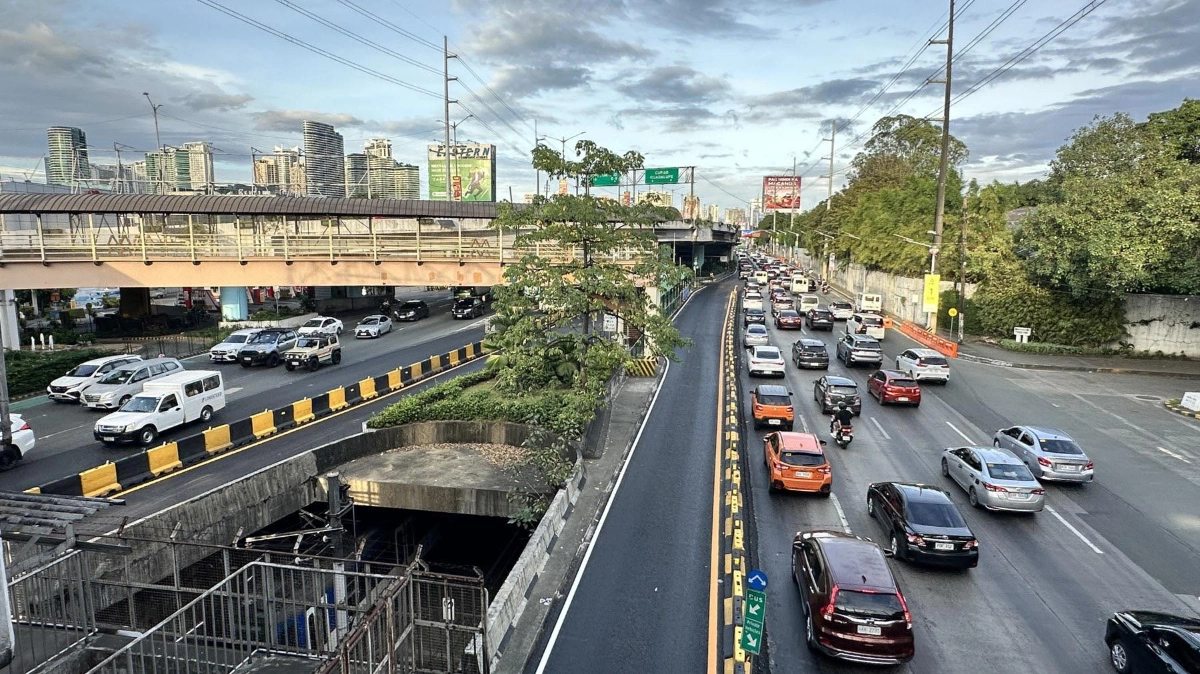
The engineering approach for this phase utilized advanced paving technologies designed to increase the longevity of the road surface under heavy traffic loads. Beyond simple resurfacing, the project involved the strengthening of the underlying concrete base in specific areas to prevent the recurring formation of potholes and cracks during the rainy season. These technical improvements are expected to not only enhance the overall driving experience but also contribute to vehicle safety by providing better traction and a smoother flow of traffic during peak hours.
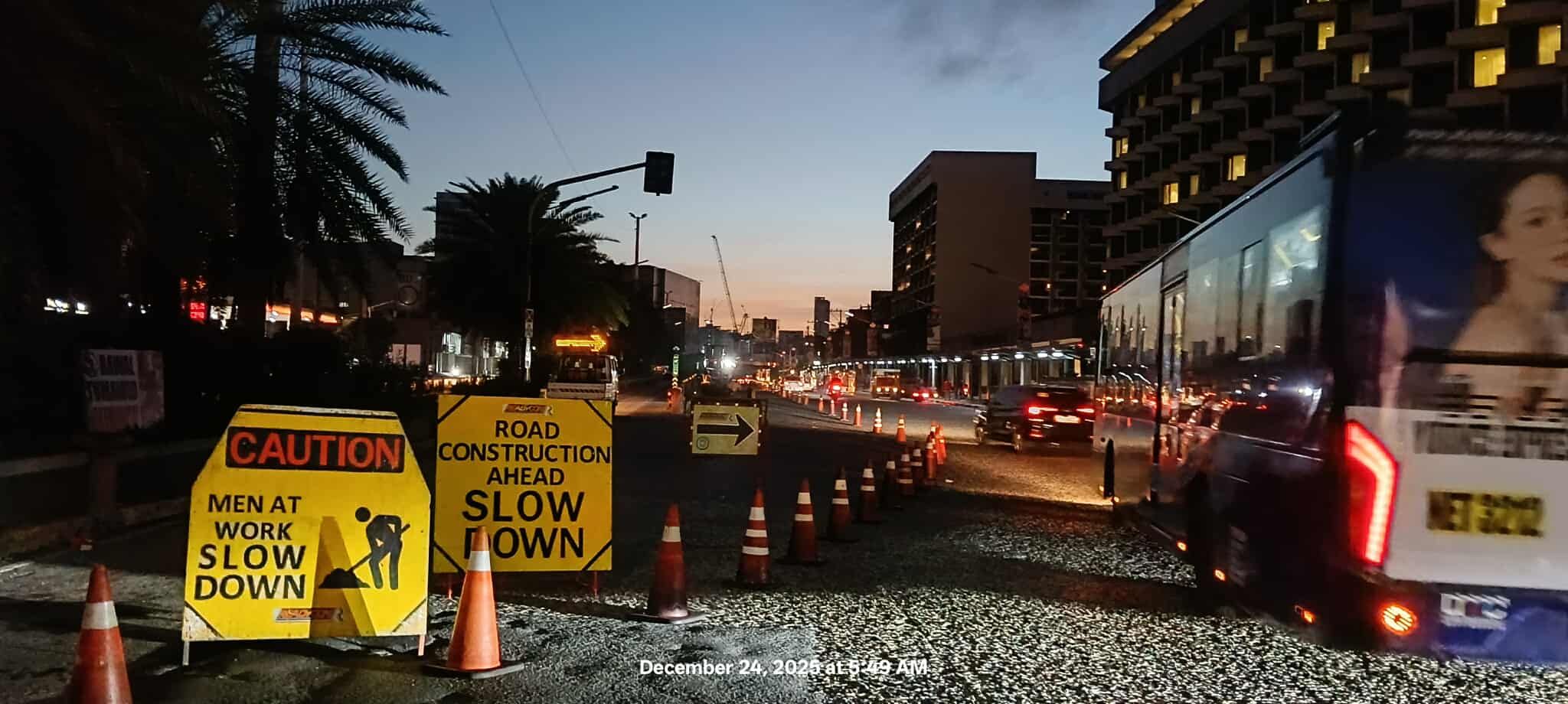
Coordination with local government units and the Metropolitan Manila Development Authority was essential to minimize the disruption caused by the construction activities. Work was largely conducted during nighttime hours and over weekend windows to ensure that the heavy volume of weekday commuters remained largely unaffected. This strategic scheduling demonstrates a commitment to balancing essential infrastructure upgrades with the logistical realities of a city that rarely sleeps, setting a precedent for future phases of the rehabilitation effort.
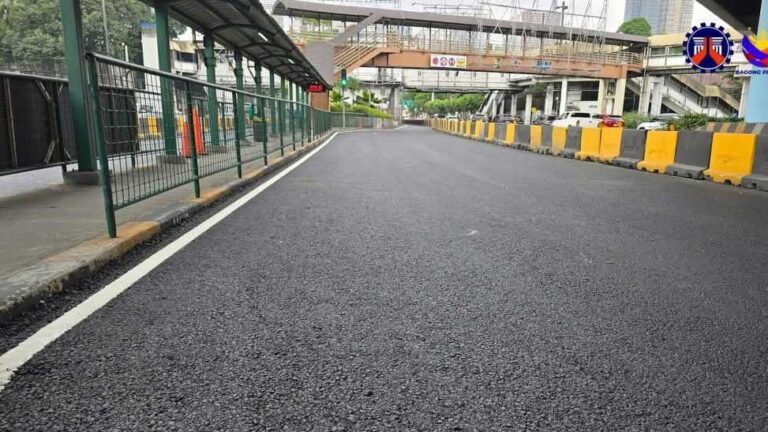
As the department prepares to transition into the second phase of the project, the focus remains on creating a more resilient and efficient transport corridor. Future work is expected to include the upgrading of drainage systems and the improvement of pedestrian facilities along the highway to complement the road surface enhancements. This comprehensive multi-year plan reflects a long-term vision to transform EDSA into a modern urban corridor capable of supporting the evolving economic needs of the National Capital Region.
With additional report: www.manilatimes.net