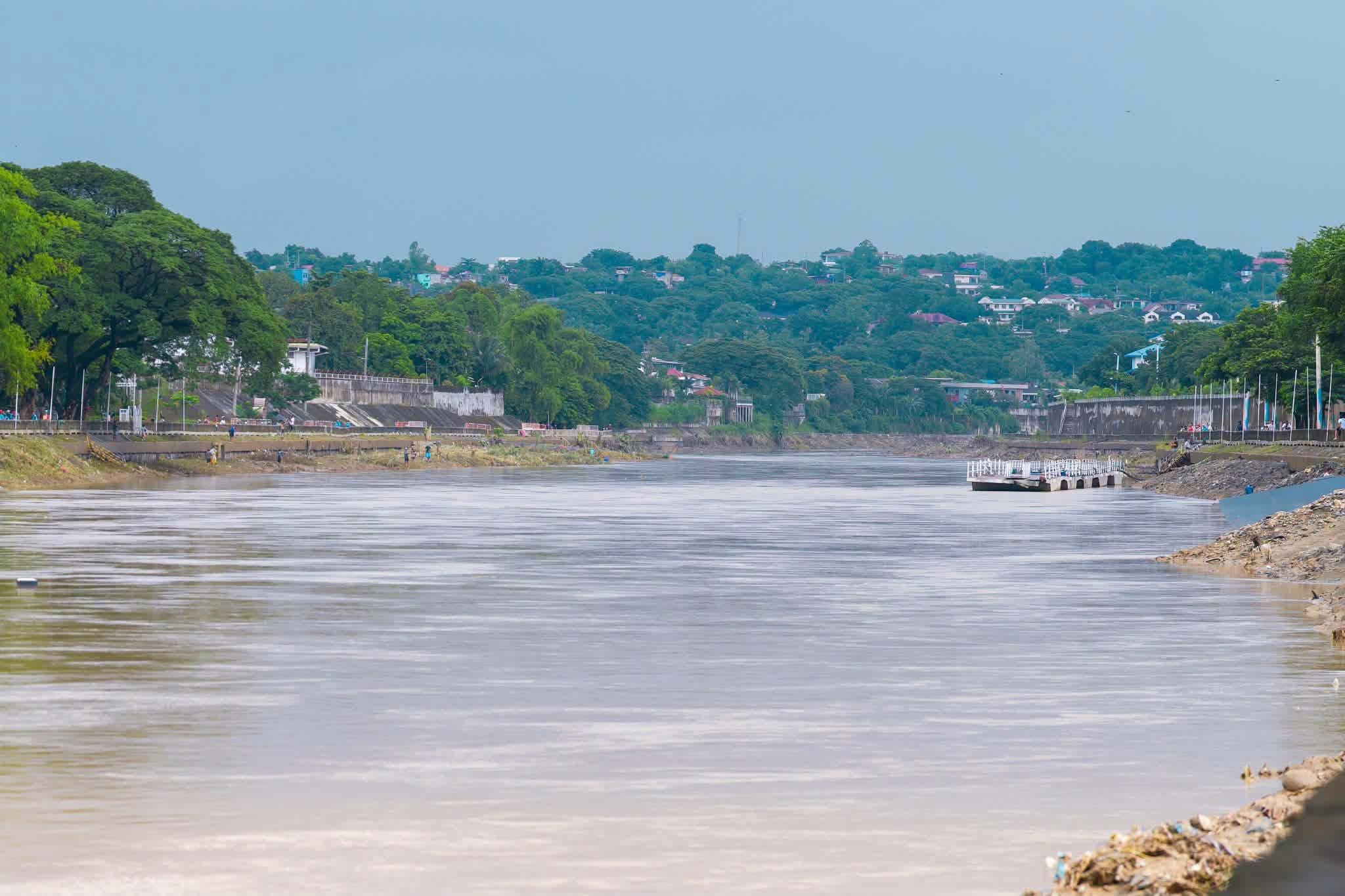

MARIKINA CITY — For decades, flooding has been one of the biggest concerns for residents of Marikina, particularly whenever heavy rains and typhoons cause the Marikina River to rise.
But after years of living with the threat of another major flood disaster, residents are beginning to see signs of progress as flood-control improvements along the Marikina River continue.
The Department of Public Works and Highways (DPWH) recently reported that the Pasig-Marikina River Channel Improvement Project, being implemented with assistance from the Japan International Cooperation Agency (JICA), is now 53 percent complete.
The project includes the construction of floodgates, pumping stations and other flood-mitigation structures intended to improve the river’s capacity to handle heavy rainfall and reduce flooding in communities along the Pasig-Marikina River Basin.
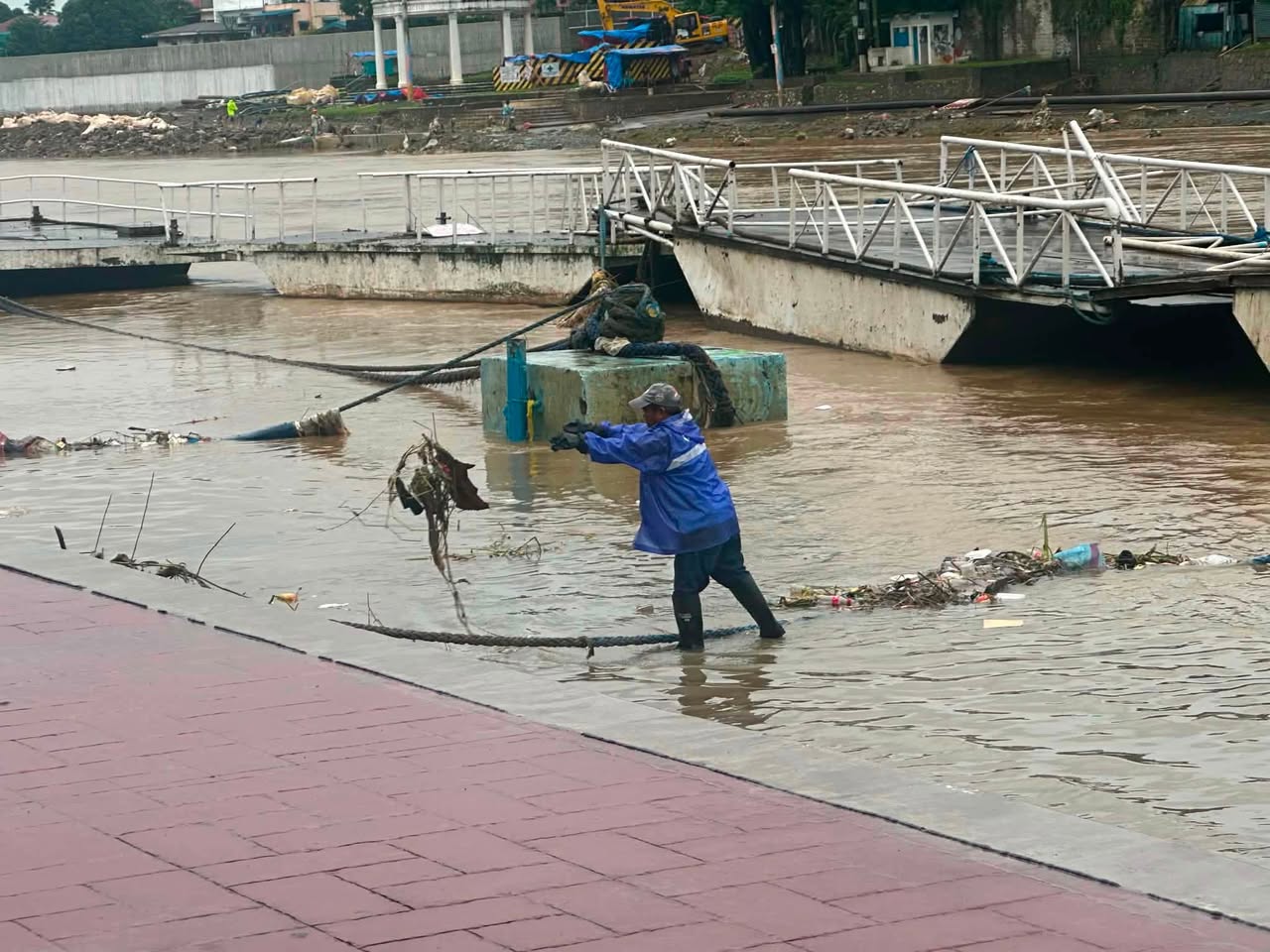
According to the DPWH, the project is expected to reduce flood-prone areas in the basin by approximately 63 percent, providing greater protection to residents of Marikina and Pasig.
For Marikeños, the development represents more than an infrastructure project. It offers renewed hope to a community that has spent years preparing for the possibility of another devastating flood.
A city shaped by floods
Marikina’s vulnerability to flooding has long been associated with its location along the Marikina River and its position as a catch basin for water coming from surrounding areas.
The city’s experience during Typhoon Ondoy in 2009 remains particularly vivid for many residents. The disaster brought massive flooding to Metro Manila, with Marikina among the areas severely affected.
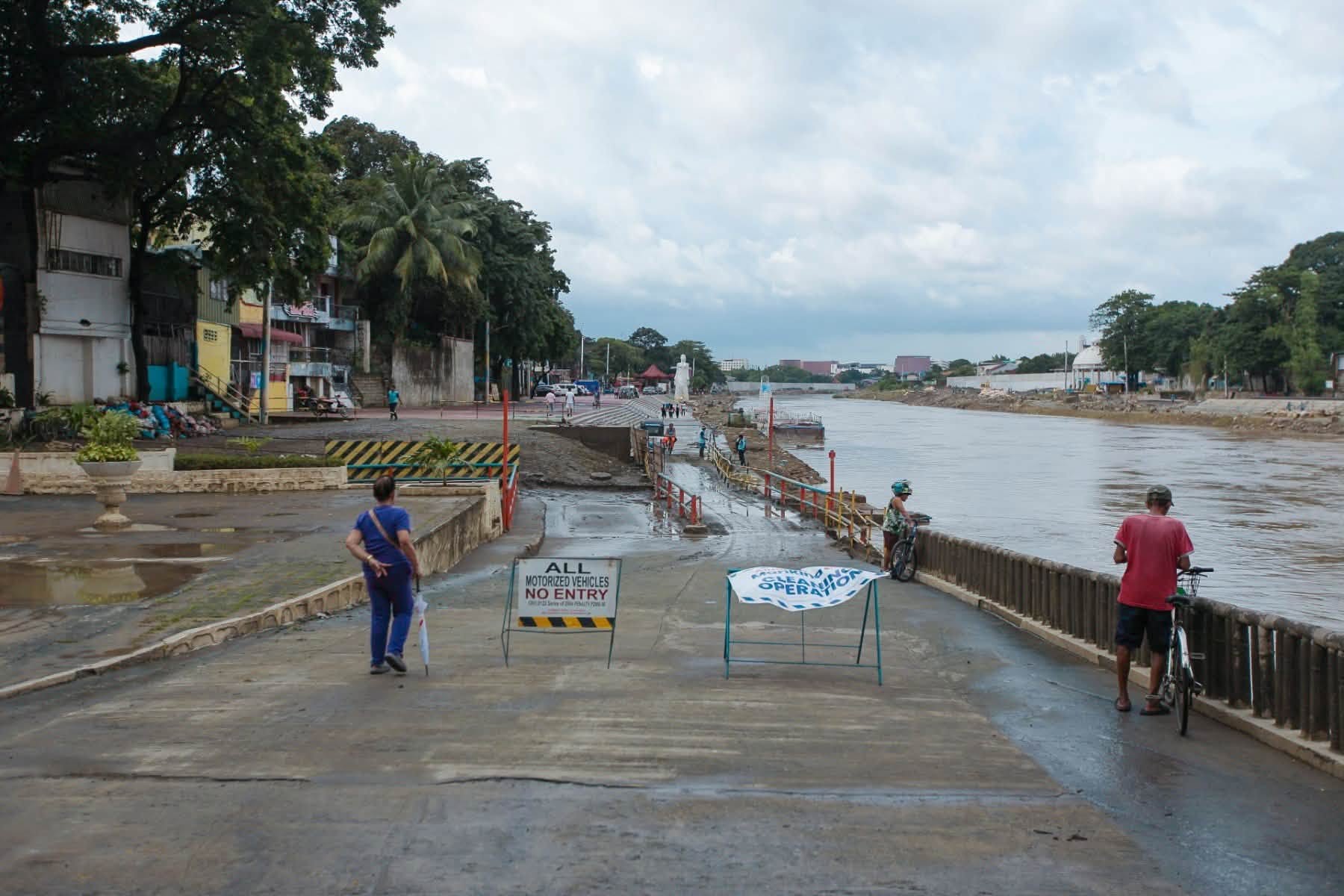
Since then, every major typhoon or prolonged period of rainfall has brought renewed anxiety to residents living near the river and in other low-lying communities.
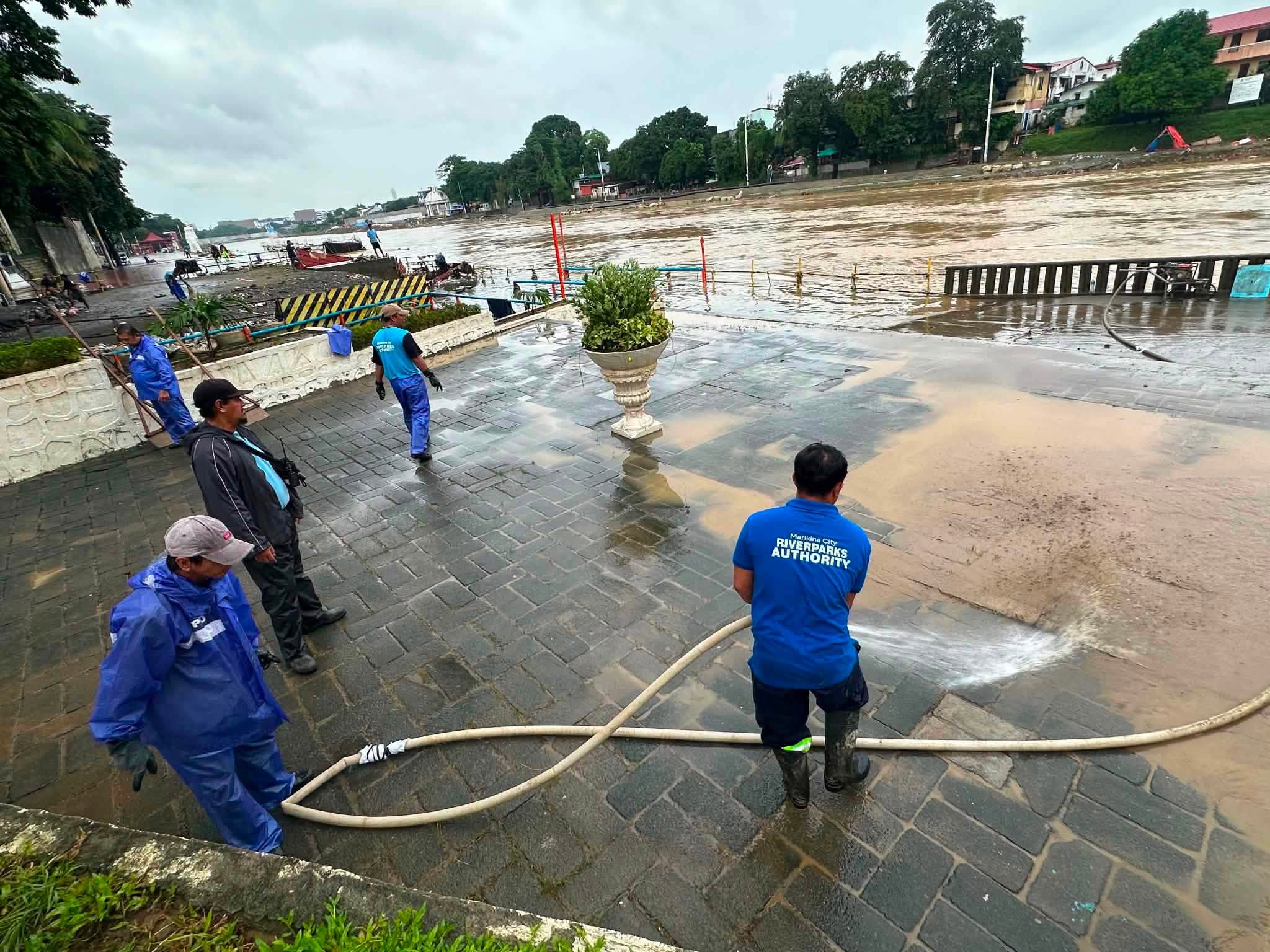
The concern resurfaced in July 2024 when Typhoon Carina, combined with the enhanced southwest monsoon, caused the Marikina River to rise to the third alarm level, prompting evacuations in vulnerable areas.
For many families, preparing for floods has become part of everyday life.
Some residents have raised portions of their homes or added upper floors to provide a safer place for their families and belongings when floodwaters rise.
Yet despite the recurring threat, many residents continue to stay.
For them, Marikina is not simply a flood-prone city—it is home.
Flood response improves
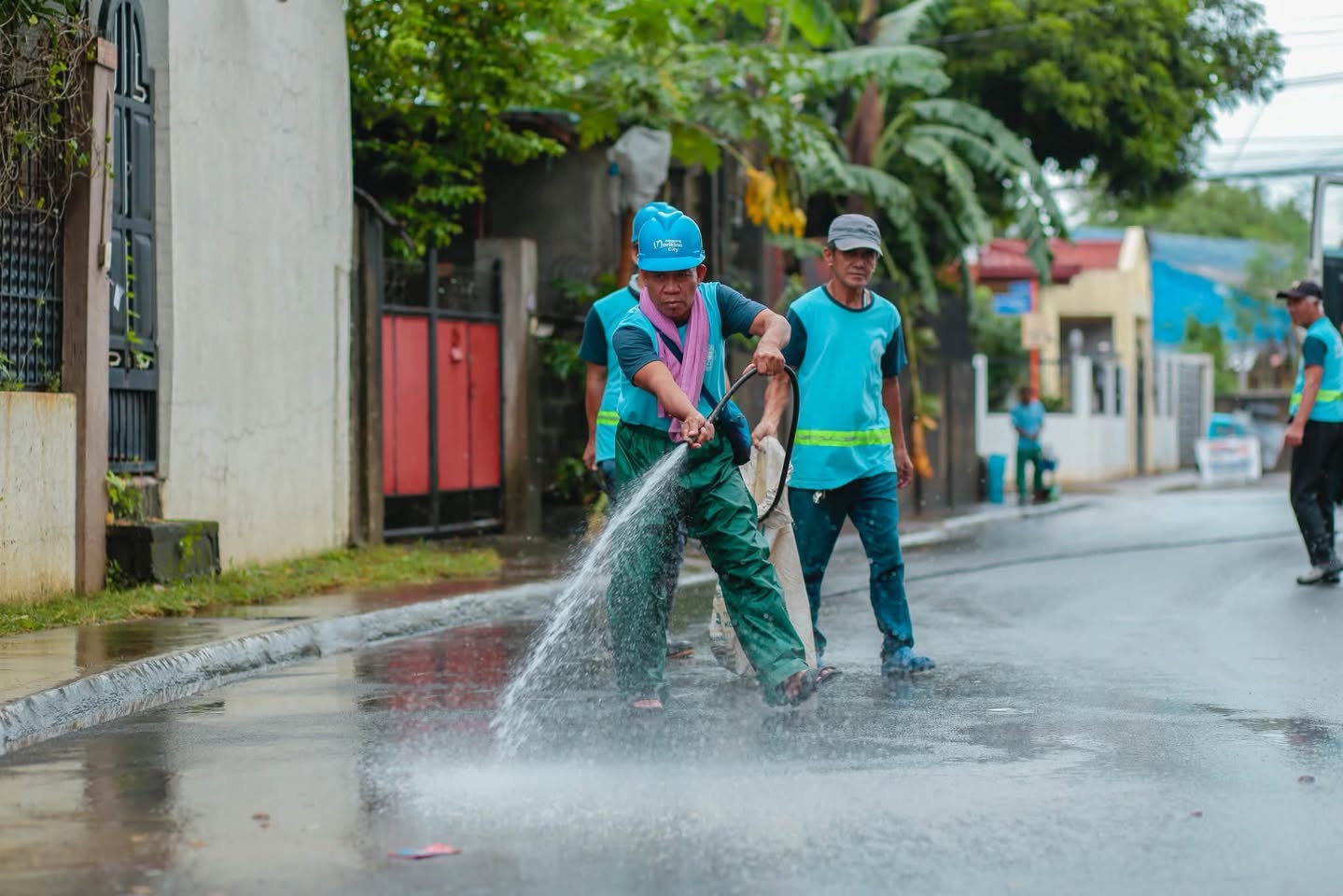
Recent episodes of heavy rainfall have also highlighted improvements in the city’s flood response.
Even as the Marikina River approached critical levels during periods of intense rain, city authorities continued monitoring the river and mobilizing personnel and resources in vulnerable areas.
The latest improvements have also helped prevent some heavy rainfall events from developing into the widespread flooding that residents experienced in previous years.
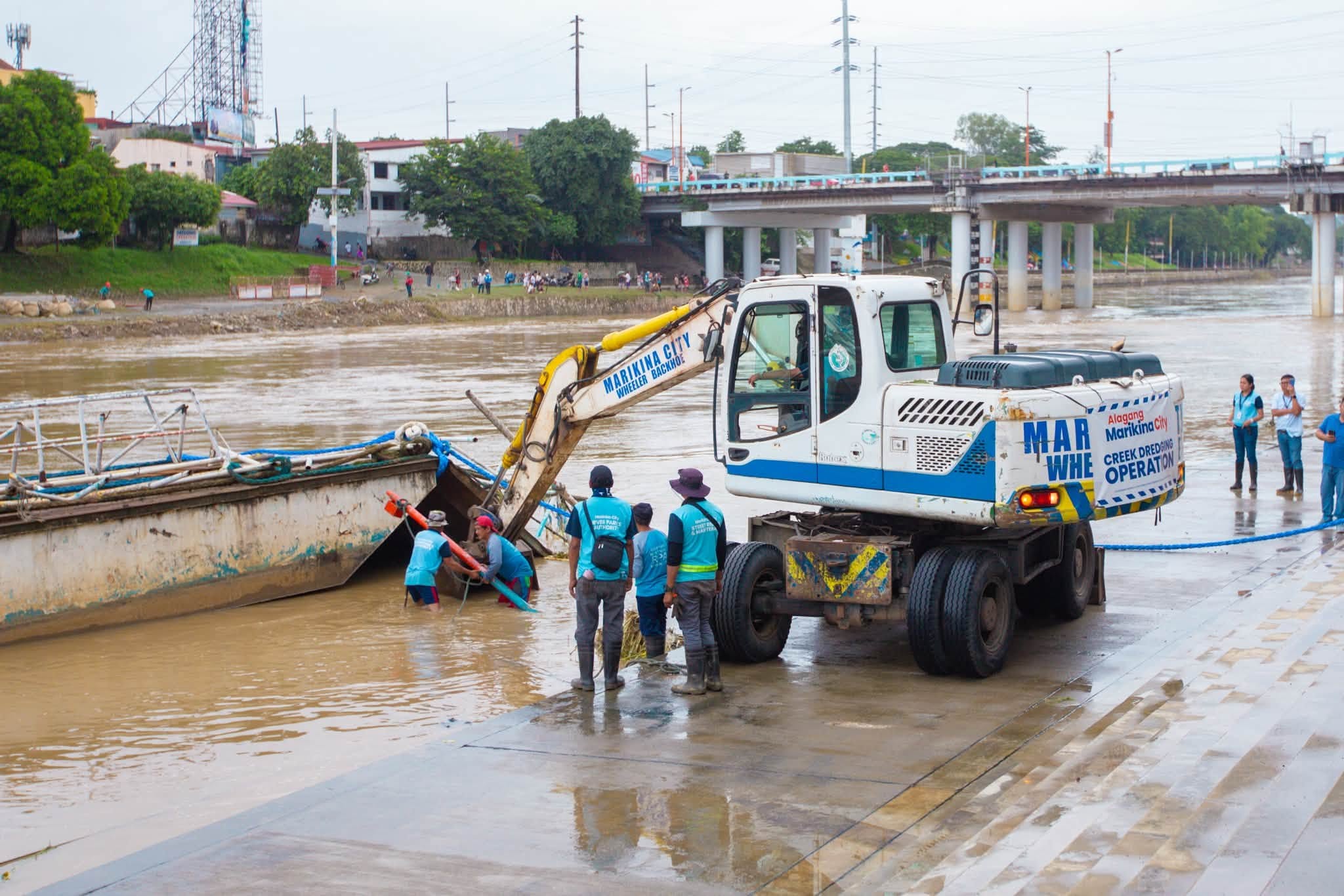
The progress is particularly significant for residents who have spent years associating a rapidly rising river with the possibility of large-scale evacuations and property damage. The ongoing project is part of a broader effort to improve flood management in the Pasig-Marikina River system.
Former Marikina Mayor Marcelino “Marcy” Teodoro had also pushed several initiatives during his administration aimed at addressing the city’s perennial flooding problem, including efforts to dredge and restore portions of the Marikina River.
Teodoro previously emphasized that the city’s location and geography make it particularly vulnerable to flooding and that improving the river’s capacity is essential to reducing the risk.
JICA partnership
The ongoing flood-control project also reflects the long-standing cooperation between the Philippine government and JICA in addressing flooding in Metro Manila.
The Pasig-Marikina River Channel Improvement Project seeks to improve the river’s capacity to carry excess water while strengthening structures designed to control and manage water levels. The current phase of the project began in 2021 and is expected to be completed in 2031.
While the project is still several years away from completion, the reported progress has provided some reassurance to communities that have long been exposed to flooding.
Residents also have a role
Despite improvements in infrastructure and disaster response, authorities and residents acknowledge that flood prevention cannot rely solely on government projects. Improper waste disposal remains a persistent problem in many communities, with garbage potentially clogging drainage systems and waterways and worsening the effects of heavy rainfall.
For Marikina residents, maintaining clean waterways and following disaster preparedness measures are equally important in reducing flood risks. The city’s experience also highlights the need for greater public participation in environmental protection.
Flood-control infrastructure can provide additional protection, but its effectiveness can be undermined when waterways and drainage systems are obstructed by waste or when residents ignore evacuation and disaster-preparedness advisories.
Beyond resilience
The Philippines continues to face increasingly frequent and intense weather disturbances, making flood mitigation an important concern for communities across the country.
Questions surrounding the implementation, funding and effectiveness of flood-control projects have also gained national attention, particularly amid concerns over alleged irregularities in some government infrastructure programs.
For Marikina, however, the priority remains clear: reduce the risk and prevent another tragedy. The city’s experience demonstrates that resilience should not simply mean repeatedly recovering from disasters. It should also mean investing in infrastructure, protecting the environment, improving disaster response and ensuring that communities are prepared before disaster strikes.
Marikina may continue to experience flooding because of its geography and exposure to extreme rainfall. But with the continued development of flood-control infrastructure, improved local response and greater participation from residents, the city is gradually moving toward a future where a rising river no longer automatically means a disaster.
For a community that has spent nearly two decades living under the shadow of Ondoy, that progress is more than a statistic.
It is a reason to hope that the next generation of Marikeños will know the disaster only as history—and not as something they have to experience themselves.