

In a bold move to eliminate communication dead zones across the Philippine archipelago, Smart Communications has successfully commenced initial testing for its satellite-to-mobile service. This groundbreaking technology aims to provide seamless cellular coverage even in the most remote mountains, isolated islands, and vast maritime territories where traditional cell towers cannot reach. By leveraging low-earth orbit satellite constellations, the mobile lead is positioning itself to revolutionize how Filipinos stay connected, ensuring that no community is left behind by geographical barriers.
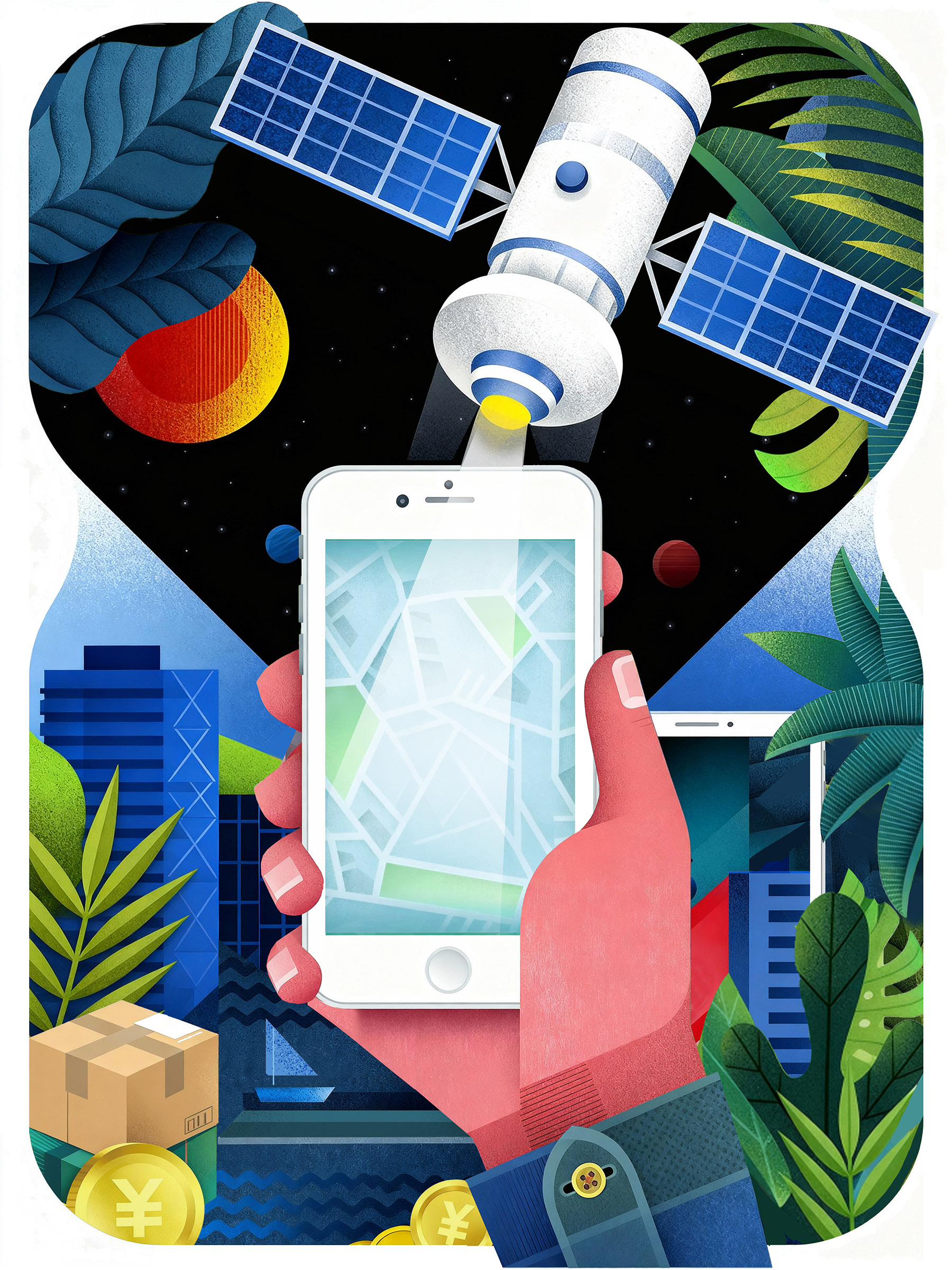
The primary objective of this satellite integration is to provide a reliable lifeline for Filipinos living in “unserved” and “underserved” regions. Current tests focus on the capability of standard smartphones to connect directly to satellites for basic messaging and emergency alerts without the need for expensive additional equipment. This development is particularly crucial for the Philippines, a country prone to natural disasters, as satellite technology offers a resilient communication backbone that remains operational even when terrestrial infrastructure is compromised by typhoons or earthquakes.

A Strategic Roadmap Toward 2027
Following the successful initial trials, Smart has set a definitive timeline with a target commercial launch in 2027. The intervening years will be dedicated to optimizing network handovers between traditional towers and satellite signals to ensure a smooth user experience. This phased approach allows the company to refine its service offerings, which are expected to eventually include voice calls and data services. Strategic partnerships with global satellite operators are being fortified to ensure a robust and scalable network that can handle the unique demands of the Philippine landscape.

Empowering Industries and Emergency Response
The implications of a 2027 launch extend far beyond personal communication, offering transformative potential for local industries such as maritime, agriculture, and tourism. Filipino seafarers and fisherfolk will soon have the ability to maintain contact with their families and access weather updates far beyond the reach of coastal towers. Furthermore, disaster response teams will benefit from enhanced coordination capabilities in the immediate aftermath of calamities. By integrating space-based technology into its core network, Smart is not just upgrading its service but is actively building a more digitally inclusive and disaster-resilient nation for the decade ahead.
With additional report: tribune.net.ph