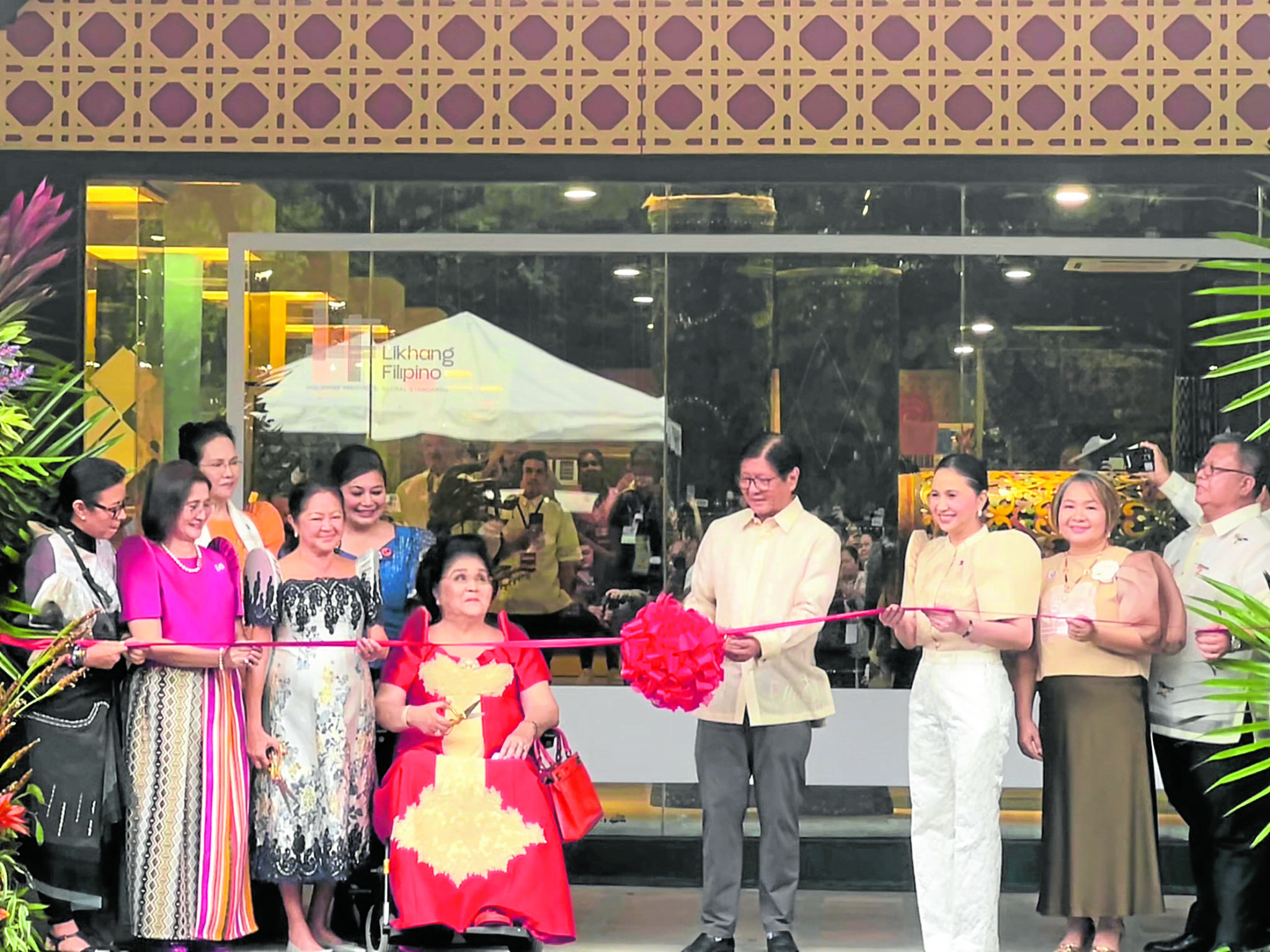
In a major boost for Filipino makers and small-scale producers, a new permanent home for Philippine craftsmanship— the Likhang Filipino Exhibition Halls — has been reintroduced as an all-year exhibition, retail and incubation space that highlights the country’s rich artisanal heritage and supports local products in reaching global markets.
Formerly underutilized for years, the 21,000-square-meter complex on Roxas Boulevard has been reimagined and revitalized as a dynamic destination where Filipino artisans, designers and micro, small and medium enterprises (MSMEs) can permanently display and sell their wares.
A Year-Round Platform for Filipino Craft and Design
Unlike traditional seasonal trade shows, this newly renovated space functions 365 days a year as both exhibition and retail venue, making Filipino craftsmanship continuously accessible to tourists, local shoppers, buyers and business partners.
Inside, the facility boasts six distinct galleries dedicated to different product categories — from traditional arts and indigenous crafts, textiles, fashion and accessories to furniture, lighting, home decor, gifts, food products and wellness items — giving visitors a comprehensive look into the depth and diversity of Filipino design and handiwork.
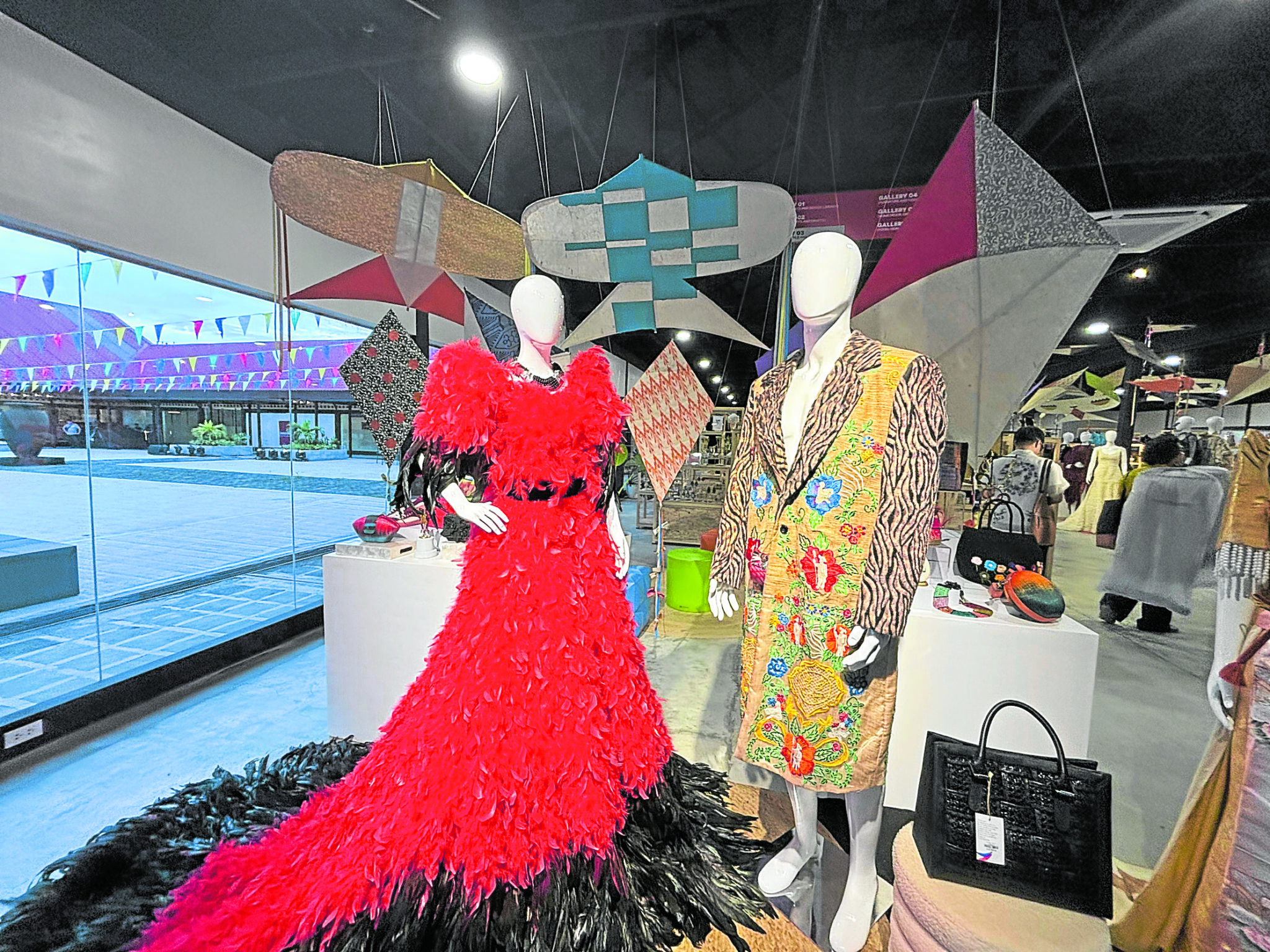
Gallery spaces have been thoughtfully curated, with Gallery 1 serving as a design library chronicling over five decades of Philippine design evolution, while other halls spotlight indigenous weaving, bespoke fashion, artisanal furniture and even gourmet food and wellness brands.
Honoring Legacy While Looking to the Future
The initiative restores the venue’s original purpose as a cultural and trade showcase, decades after its origin as the PhilTrade Center in 1979. The redesign was done in coordination with key government agencies, including the Center for International Trade Expositions and Missions (CITEM) under the Department of Trade and Industry, and supported by the Office of the President to strengthen Philippine export promotion and elevate Filipino products worldwide.
Officials and industry advocates describe the reopening as a symbolic “rebirth” of a national creative institution. The complex has been designed not just for display and sales, but also as an incubation hub that offers assistance in product development, marketing, branding and packaging — crucial support for local artists and small enterprises seeking to compete in broader markets.
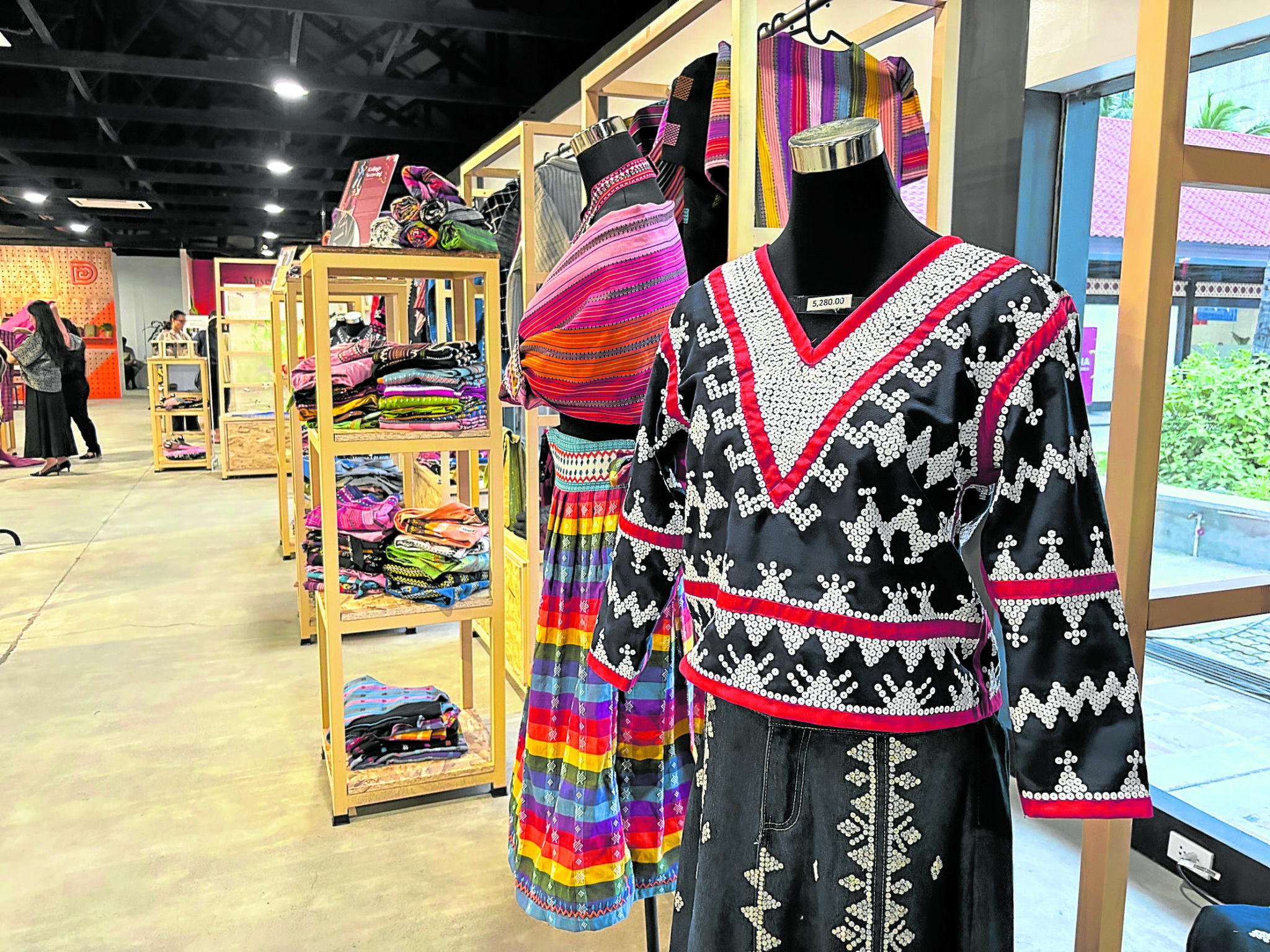
Empowering Local Artisans, Expanding Market Reach
More than 2,000 products from nearly 200 exhibitors — about 70 percent of whom hail from the provinces — are on display, reflecting both traditional craftsmanship and contemporary design innovation.
“This space embodies our renewed commitment to elevate Filipino ingenuity and connect makers directly with buyers,” said CITEM Executive Director Leah Pulido Ocampo, emphasizing that the facility is designed to help artisans refine their offerings and strengthen their competitive edge in international markets.
Trade officials have also signaled plans to develop the space’s digital presence, allowing exhibitors to reach online buyers and foreign partners beyond the physical showroom. The center is also being eyed as a future site for signature trade fairs such as Manila FAME and IFEX Philippines, which attract global buyers to Philippine home, lifestyle and food sectors.
A Cultural Gateway for ASEAN and Beyond
The strategic reopening aligns with the Philippines’ preparations for its ASEAN Chairship in 2026, positioning Likhang Filipino not only as a locale for commerce but as a cultural gateway for visiting delegations and international guests interested in Philippine creativity and craftsmanship.
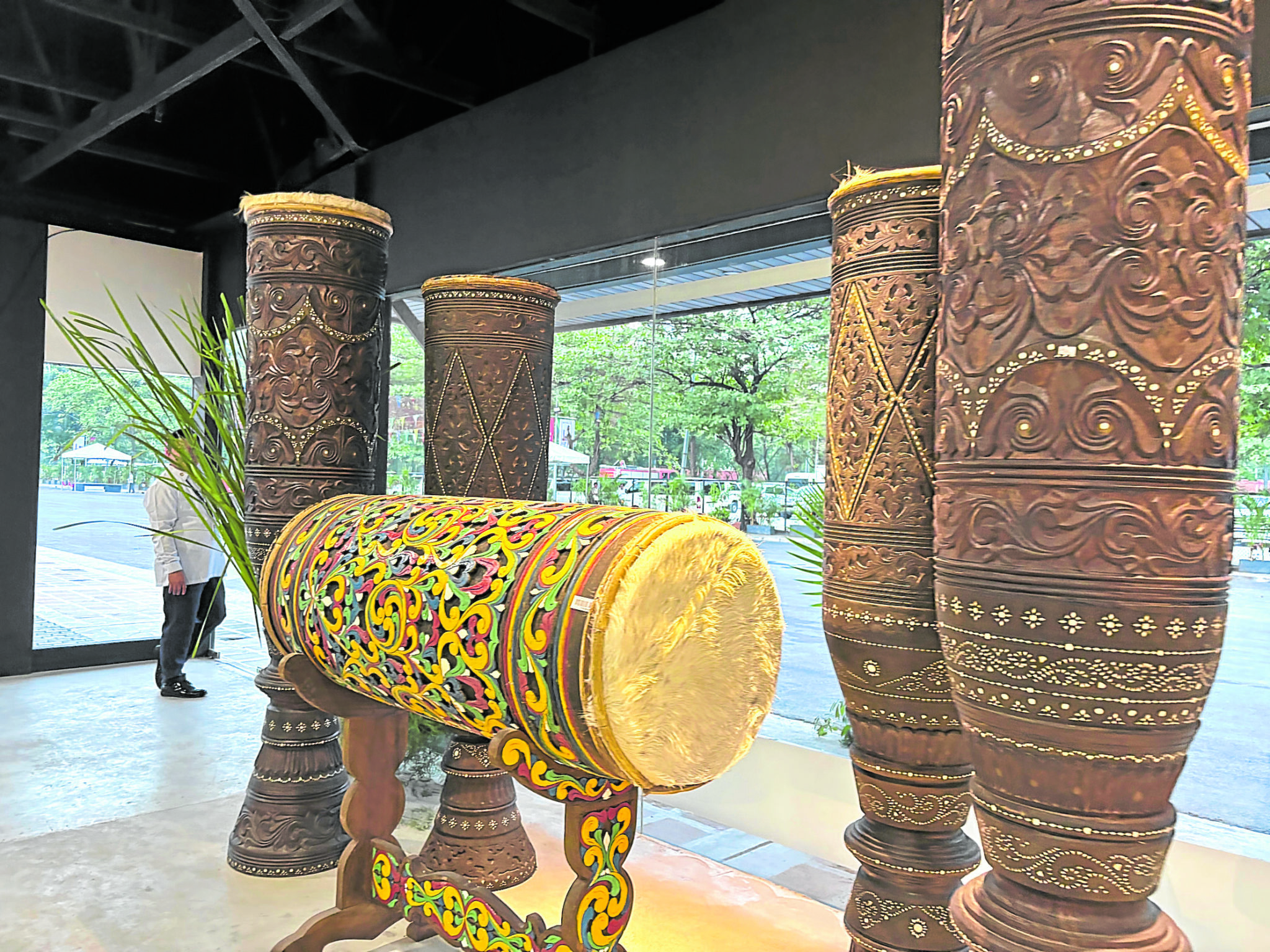
Open to the public from Tuesday to Sunday, this new creative hub brings Filipino artistry into the spotlight year-round, offering artisans a permanent platform to thrive and prosper while celebrating the ingenuity that defines Filipino culture and entrepreneurship.