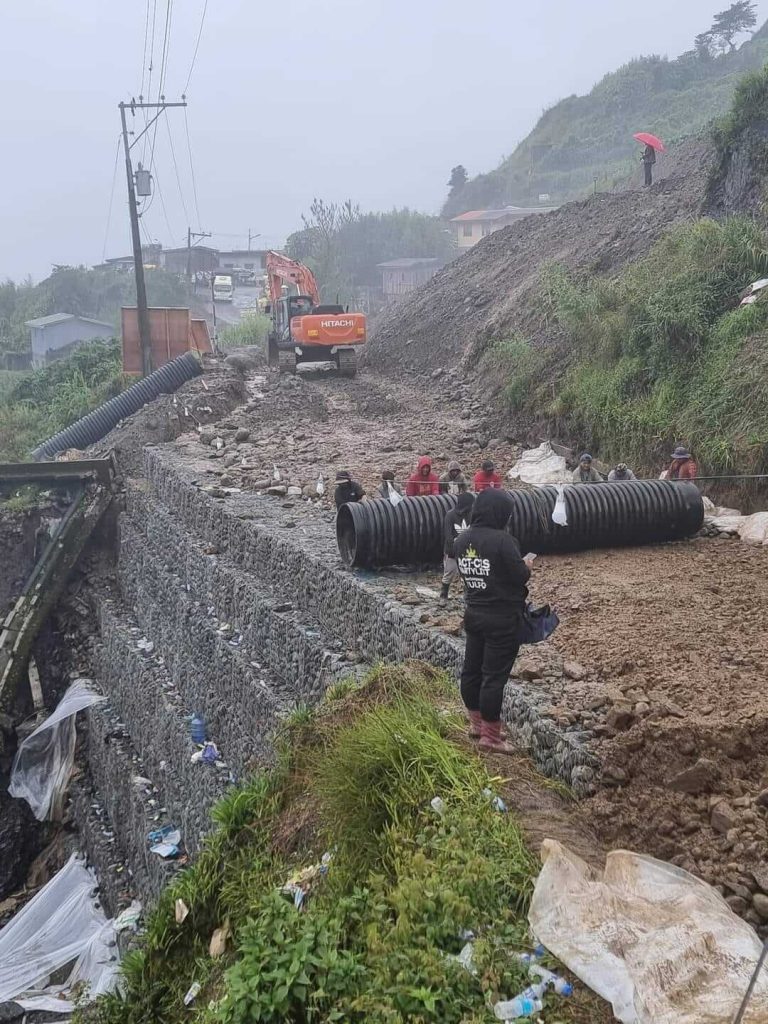

The rugged terrain of the Cordillera mountains is slowly yielding to progress as two remote villages in Benguet see the steady advancement of vital road projects. For generations, the residents of these isolated communities have navigated steep, treacherous footpaths to transport their produce and access basic services, often spending hours on foot just to reach the nearest town center. The arrival of heavy machinery and the laying of concrete foundations have sparked a renewed sense of optimism, signaling an end to the era of geographic isolation that has long hindered the local economy.
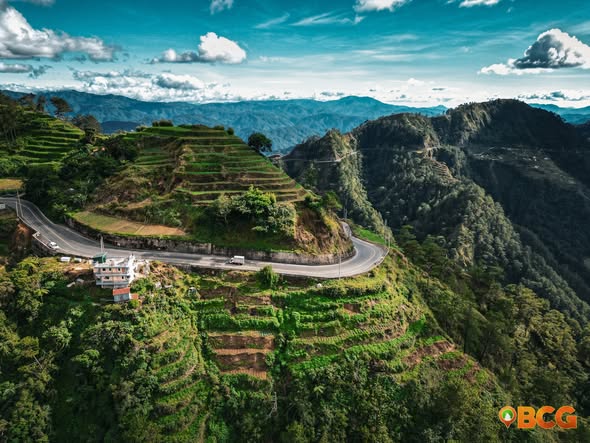
These infrastructure developments are designed to do more than just facilitate travel; they are essential arteries for the region’s agricultural industry. Benguet serves as a primary source of highland vegetables for much of the country, yet farmers in far-flung areas frequently face significant post-harvest losses due to the lack of viable transport routes. With the new roads pushing further into the mountains, farmers will soon be able to use motorized vehicles to bring their crops to market, drastically reducing hauling costs and ensuring that their produce remains fresh upon arrival.
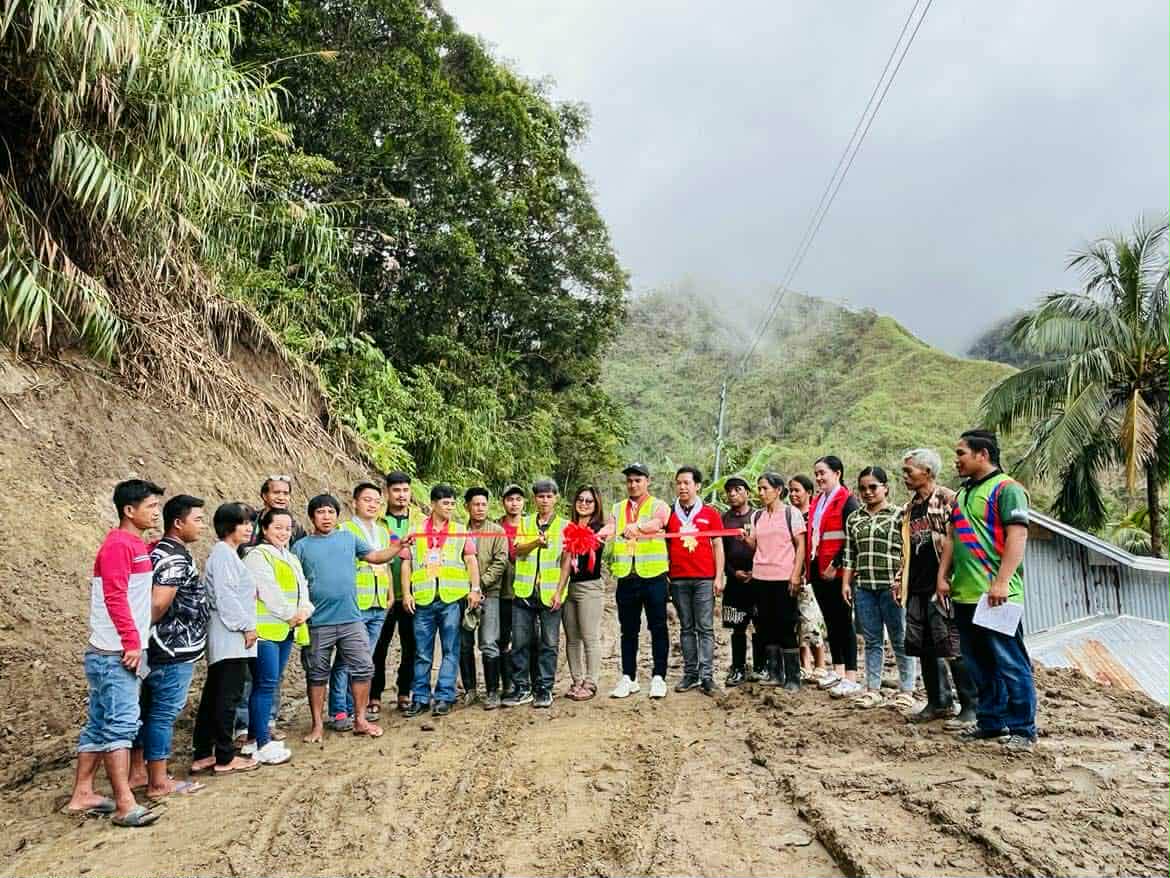
Beyond the economic benefits, the ongoing road works represent a critical upgrade in the delivery of social and emergency services. In the past, transporting the sick or elderly from these remote sitios required the use of improvised stretchers carried by neighbors over difficult terrain. Once completed, these roads will allow ambulances and mobile health clinics to reach the heart of the villages, providing immediate medical attention and maternal care that was previously out of reach. Similarly, the improved access is expected to encourage more teachers and government workers to serve in these areas, raising the standard of education and public administration.
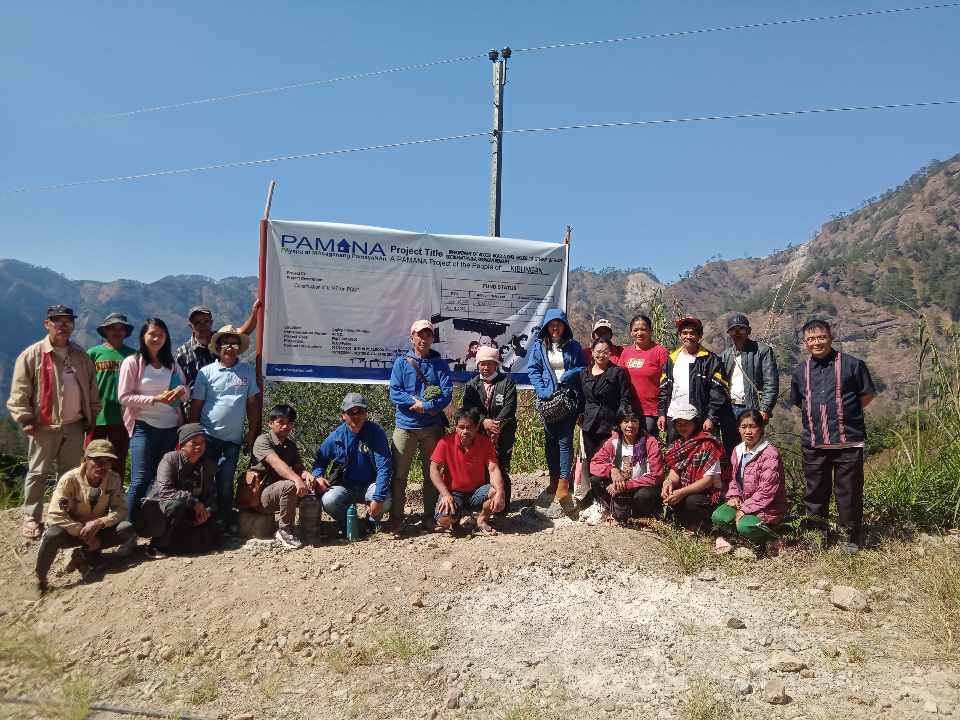
As the construction teams brave the unpredictable mountain weather and complex geological conditions, the local spirit of “binnadang” or communal unity remains high. Residents have actively participated in the planning and monitoring of the projects, viewing the roads as a hard-won victory for their future. While the completion of the entire network will still take time, the sight of the expanding pavement serves as a daily reminder that their calls for inclusion are finally being answered. This infrastructure push is not merely a feat of engineering, but a restoration of hope for communities that have long felt left behind by the march of modern progress.
With additional report: www.manilatimes.net