

NAGA CITY, Philippines — Naga City Mayor Leni Robredo has explained the circumstances behind the national government’s ₱500-million allocation for the rehabilitation of the Jesse M. Robredo (JMR) Coliseum, following questions raised over the release of the funds.
In a social media post on Sept. 21, Robredo detailed how the city sought funding to rehabilitate and retrofit the 12,000-seat facility, which has served as Naga’s largest evacuation center during major disasters.
Her explanation came after Caloocan 2nd District Representative Edgar Erice questioned the allocation during a congressional session, asking the Department of Budget and Management (DBM) about the criteria used in distributing funds under the Local Government Support Fund (LGSF). Erice also questioned why Naga City was prioritized over other local government units in the Bicol Region.
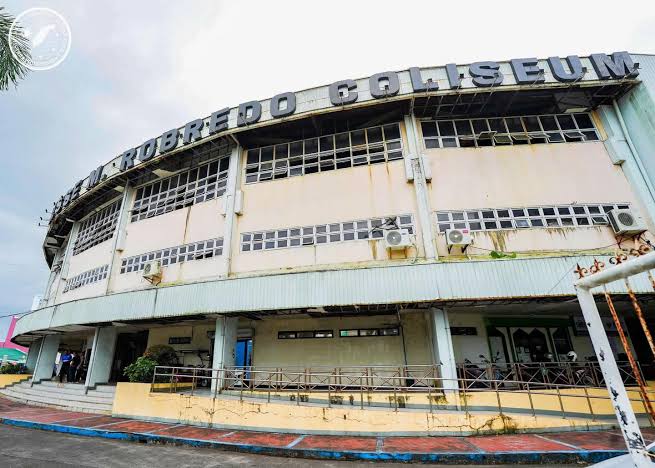
Robredo said the need to rehabilitate the coliseum became more urgent following Severe Tropical Storm Kristine in October 2024, when widespread flooding affected Naga City and Camarines Sur.
The facility was originally constructed in 2009 and inaugurated in 2010 as the Naga City Coliseum. It was later renamed the Jesse M. Robredo Coliseum through a 2012 city ordinance following the death of former Interior and Local Government Secretary and Naga mayor Jesse Robredo.

According to Robredo, the city began seeking funding for the facility’s rehabilitation after she assumed office in 2025. The city eventually applied for assistance through the LGSF, following advice from Senator Francis Pangilinan.
The ₱500-million allocation consists of ₱450 million for the rehabilitation and structural strengthening of the coliseum and ₱50 million for heavy equipment intended for disaster response and preparedness, Robredo said.
The planned improvements include structural reinforcement, roofing and drainage upgrades, sanitation facilities, a community kitchen and other measures intended to improve the facility’s capacity as an evacuation and relief center.
Robredo said the coliseum has limitations as an evacuation facility because it was not originally designed for that purpose. Among the concerns are insufficient space for tents, bleachers that cannot be used as beds, and comfort rooms that can become unusable during flooding.
Despite these limitations, the facility has accommodated thousands of displaced residents during previous disasters and continues to serve as a venue for sports, concerts, conventions and other large gatherings.
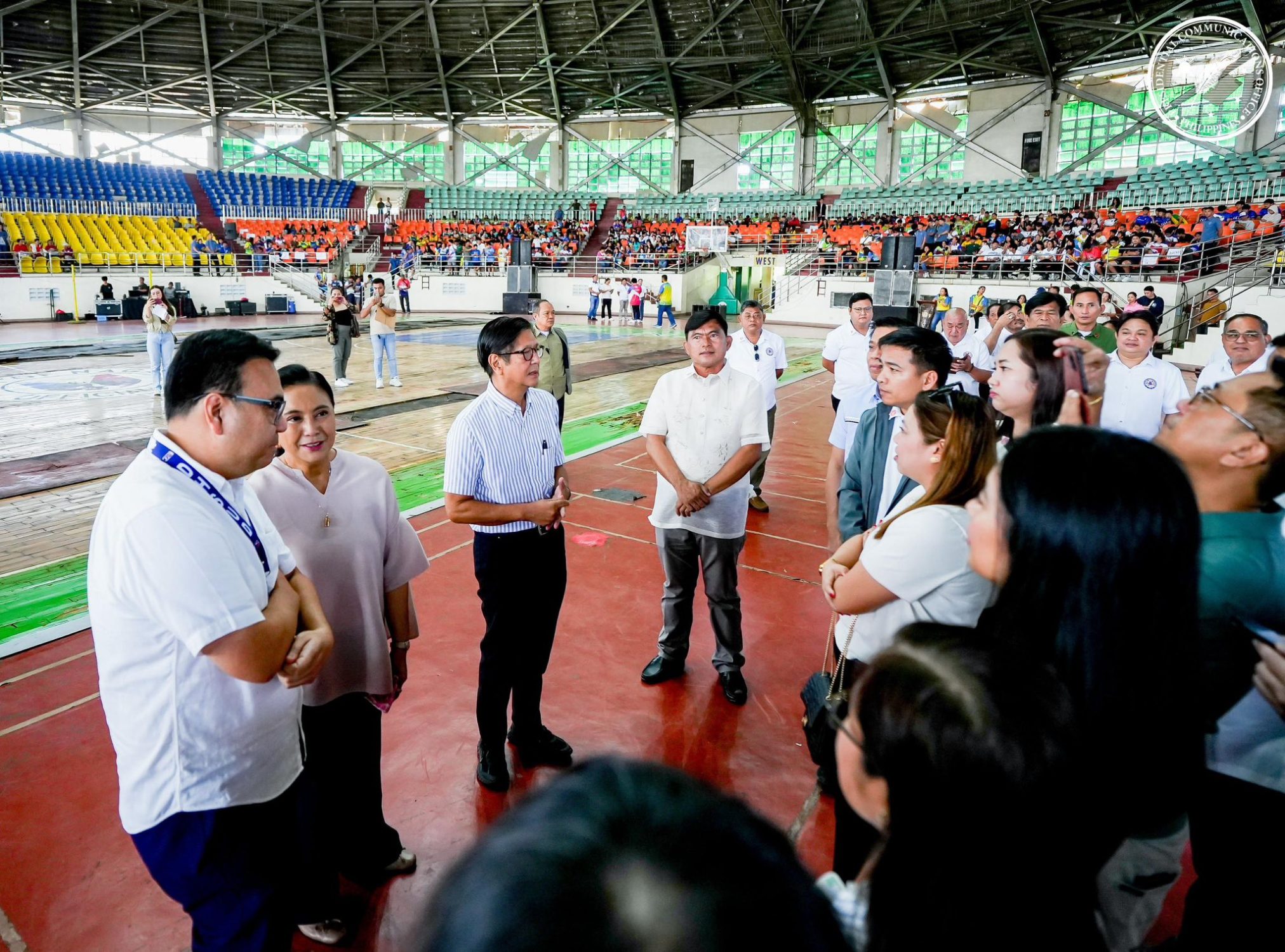
The city government has already conducted the bidding for the rehabilitation project and was in the post-qualification stage as of September. Robredo said construction could begin in October, once government and non-government offices currently occupying portions of the coliseum are transferred to the Balatas Building.
Meanwhile, Malacañang has denied that political considerations influenced the release of the funds. Palace Press Officer Claire Castro said assistance to local governments is based on their needs and the national government’s capacity to respond.
Senator Pangilinan likewise said the project stemmed from a disaster-safety request made by the Naga City government in 2025. City records show that Robredo requested support for the coliseum’s retrofitting in November that year, with the city council subsequently endorsing the proposal and estimating the project cost at ₱500 million.
The rehabilitation is intended to allow the JMR Coliseum to continue functioning as a major civic and sports venue while improving its capacity to serve as an evacuation and disaster-response facility.