

The Philippines stands at a critical economic junction as it approaches Upper Middle-Income Country (UMIC) status, but financial experts and policy leaders warn that reaching this milestone could prove to be a fleeting victory without massive, sustained investments in human capital. While graduating to a higher income bracket reflects years of steady economic expansion, it also alters the rules of global competition. The traditional economic driver of abundant, low-cost labor diminishes in strategy as wages rise, leaving productivity, specialized expertise, and technological adaptability as the true measures of national competitiveness.
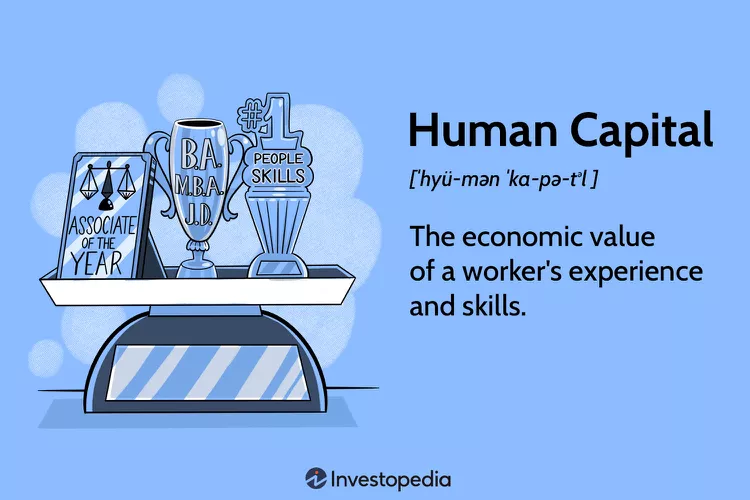
To prevent the nation from falling into the middle-income trap, business leaders and economic planners emphasize that public and private sectors must collaborate to aggressively upskill the domestic workforce. This requires overhauling educational frameworks to match evolving global industry needs, expanding technical-vocational training, and fostering continuous learning opportunities in high-growth sectors such as information technology, green energy, advanced manufacturing, and creative industries. Failing to equip Filipino workers with complex problem-solving capabilities and digital skills risks leaving the economy stranded between low-cost regional competitors and high-value, highly automated economies.
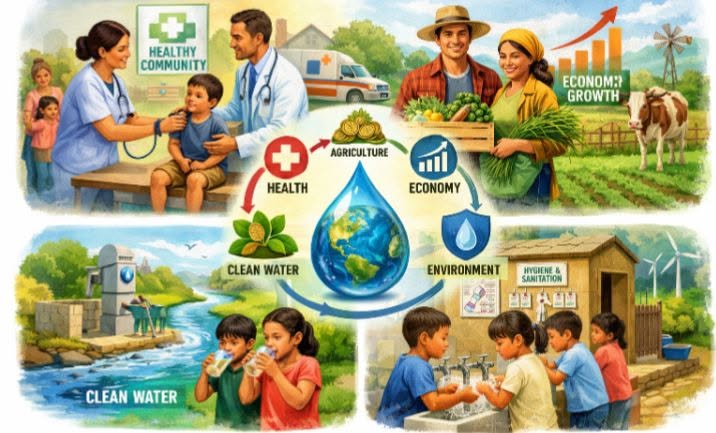
Healthcare, social safety nets, and early childhood nutrition form an equally vital component of this human capital equation. A resilient economy depends fundamentally on a healthy workforce, as stunting, inadequate healthcare access, and lack of social protection drain long-term productivity and innovation potential. Economic analysts note that higher GDP figures mean little if the general population suffers from persistent skills mismatches and poor social mobility. Investing in total human well-being ensures that the prosperity generated by UMIC status is broadly shared across all segments of society.

Ultimately, transitioning into an Upper Middle-Income Country is not merely an achievement to celebrate; it is an urgent mandate to elevate the quality of human resources. Capital infrastructure, foreign direct investments, and policy reforms can create opportunities, but only an empowered, healthy, and highly skilled workforce can convert those opportunities into sustainable, long-term growth. By prioritizing its people above all else, the Philippines can ensure its economic elevation marks the beginning of true national prosperity rather than a temporary peak.
with additional report: https://businessmirror.com.ph/