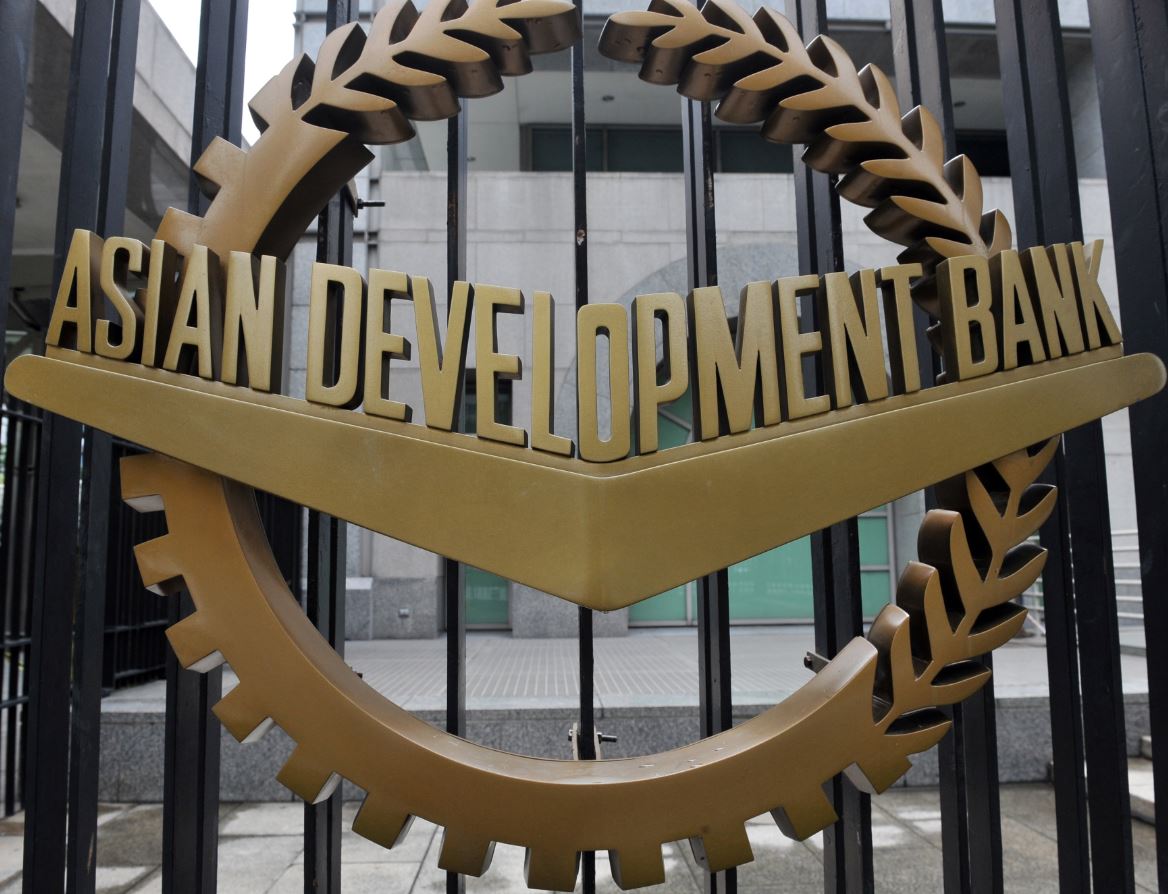

MANILA, Philippines — The Asian Development Bank (ADB) has lowered its economic growth forecast for the Philippines for 2026 to 3.3 percent, citing persistent domestic and external challenges weighing on the economy.
The revised projection, contained in ADB’s Asian Development Outlook (ADO) September 2026, is lower than the 3.8 percent forecast issued in July. It also falls below the Philippine government’s revised growth target of 3.5 percent to 4.5 percent for the year.
ADB attributed the downgrade partly to heightened geopolitical tensions, which have contributed to higher energy and commodity prices and increased inflationary pressures on households and businesses.
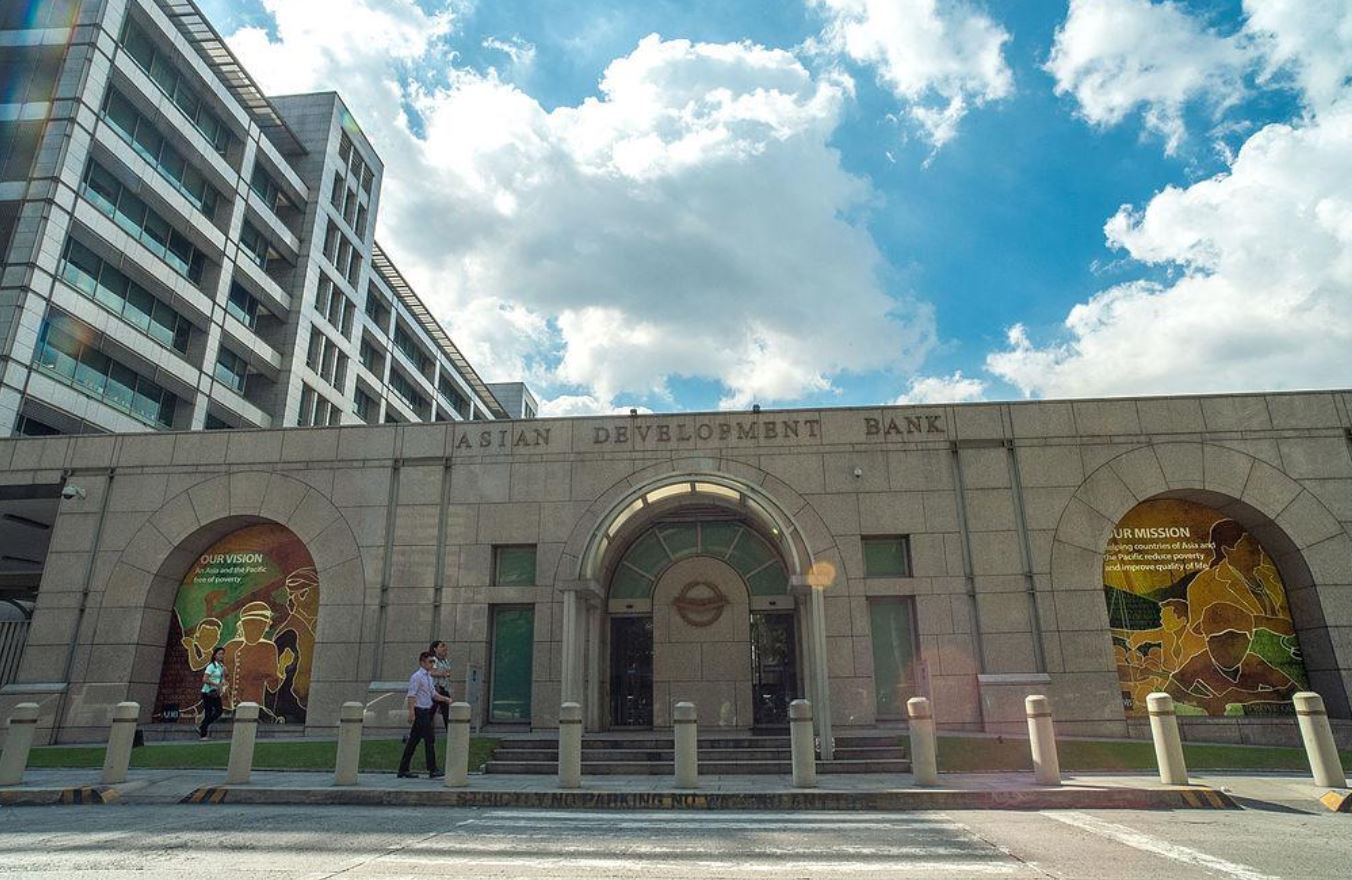
The Manila-based lender also pointed to weaker investment during the first half of the year and delays in public investment, which affected economic activity more broadly than initially anticipated. Rising prices of imported fuel and other key commodities, including fertilizers, have likewise added pressure to the domestic economy.
Despite the weaker outlook for 2026, ADB expects the Philippine economy to regain momentum next year. The bank projects gross domestic product growth of 5.1 percent in 2027, although this is also lower than its previous forecast of 5.3 percent. The 2027 projection remains within the government’s medium-term growth target of 5 percent to 6 percent.
The Philippines’ outlook comes amid broader economic uncertainty across Asia and the Pacific. ADB expects developing economies in the region to grow by 5 percent in 2026 before expanding by 5.1 percent in 2027.
ADB identified escalating geopolitical conflicts and a strong El Niño as major risks to the regional outlook. Prolonged disruptions to global energy markets could keep fuel and commodity prices elevated, while El Niño could reduce agricultural production and further drive up food and energy costs.
At the same time, private investment, government stimulus and strong technology exports linked to the global artificial intelligence boom are expected to provide support to economic activity across developing Asia and the Pacific.
For the Philippines, the downward revision underscores the challenges facing the economy as policymakers contend with elevated prices, weaker investment and uncertainty in the global economic environment.