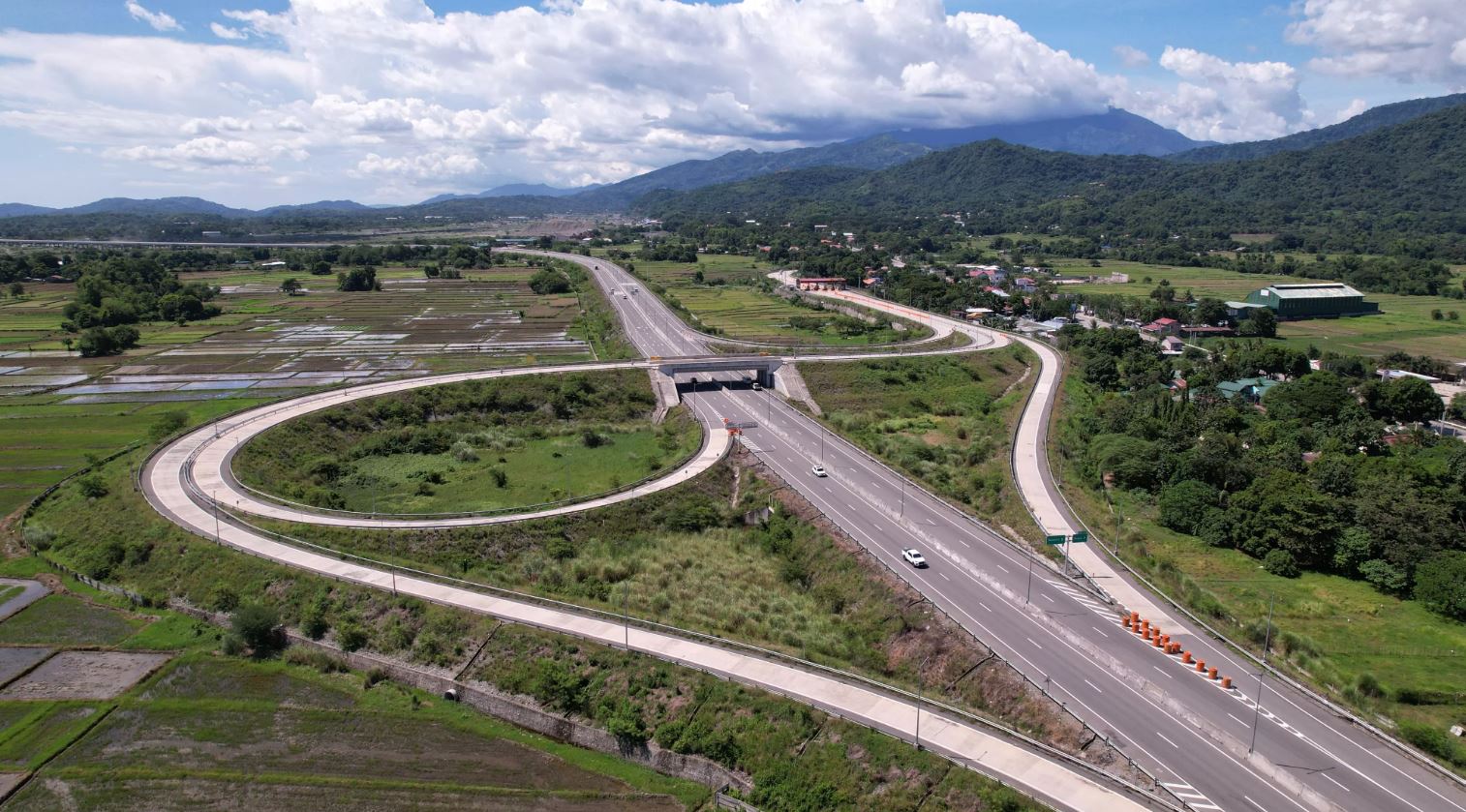

The proposed Southern Access Link Expressway (SALEX), a major infrastructure project of San Miguel Corporation (SMC), has come under increasing public scrutiny as students, environmental advocates, and heritage conservation groups continue to challenge its implementation in Manila.
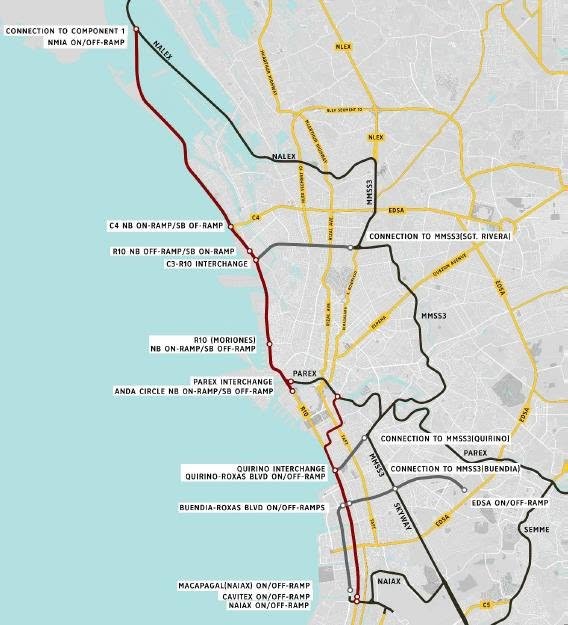
SALEX is a 40.65-kilometer elevated toll road network designed to connect the existing Skyway system to Manila’s shoreline corridor. The project includes the C3–R10 Extension, Shoreline Expressway, Quirino Extension, and Buendia Extension, and is estimated to cost around ₱152.39 billion. SMC Infrastructure has presented the expressway as a solution to traffic congestion and a key component of Metro Manila’s transport modernization efforts.
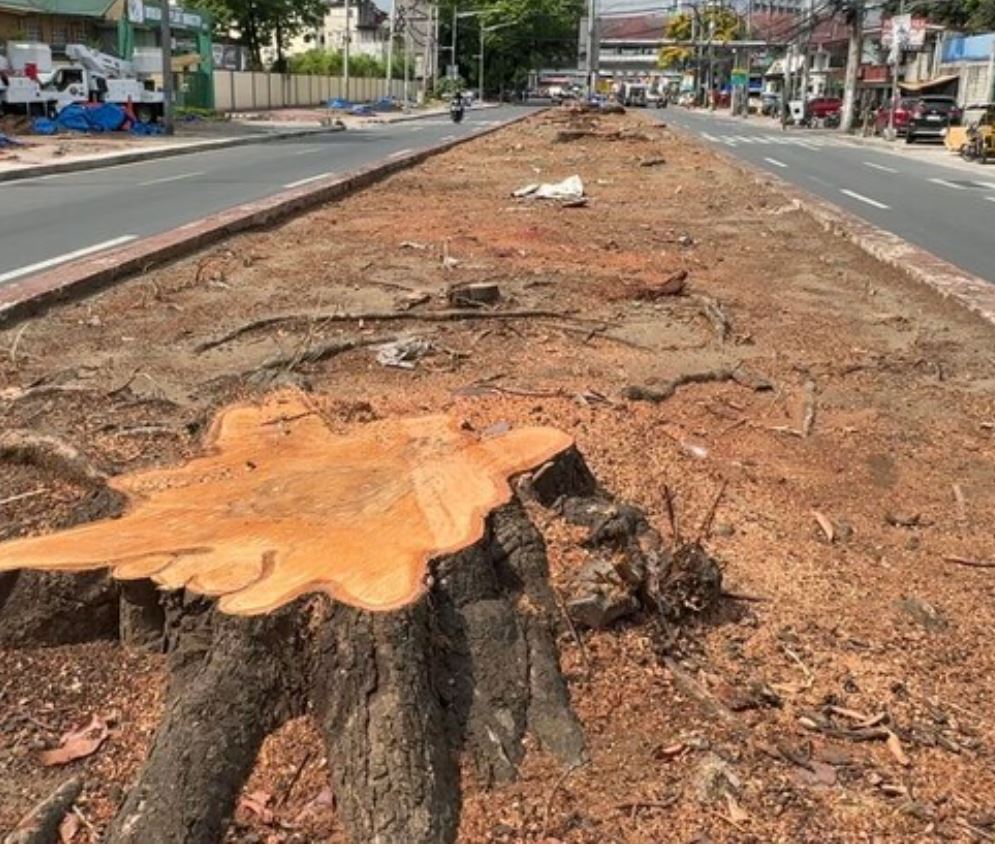
However, opposition to the project intensified after tree-clearing activities were reported along Quirino Avenue. The incident triggered public backlash and prompted the Department of Environment and Natural Resources (DENR) to temporarily suspend tree-cutting operations while the matter is reviewed.
The controversy has since reached the Supreme Court, where student petitioners filed a case seeking to halt further tree-cutting connected to the project. The petitioners argued that the removal of mature trees could cause irreversible environmental damage and undermine residents’ right to a balanced and healthful ecology.
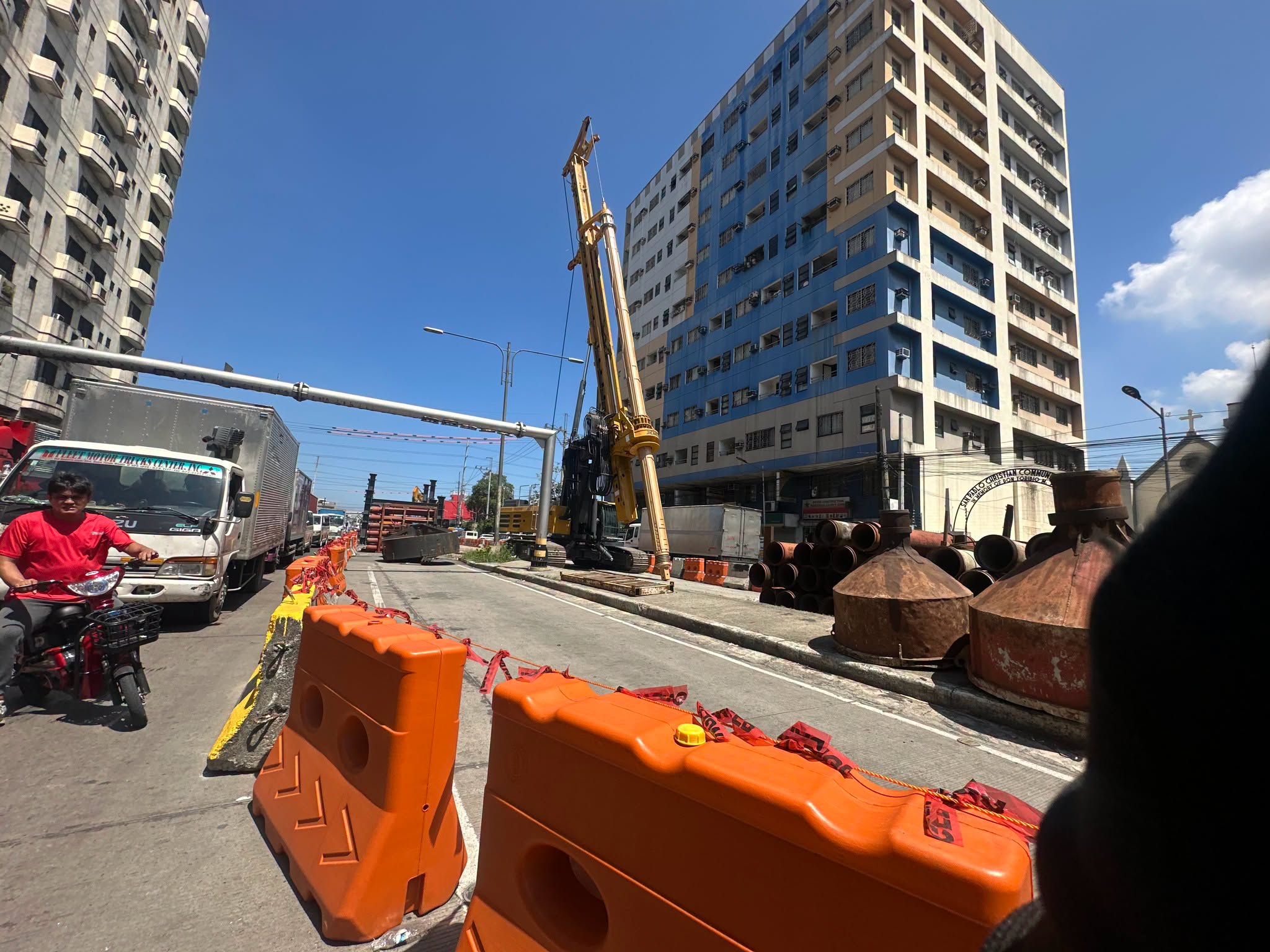
Beyond environmental concerns, heritage advocates have also raised alarms over the expressway’s potential impact on historically significant areas in Manila. A mapping initiative conducted by conservation groups identified more than 50 cultural and historical sites situated near the proposed SALEX corridor. These include heritage structures, monuments, churches, schools, and other sites considered important to the capital’s cultural identity.
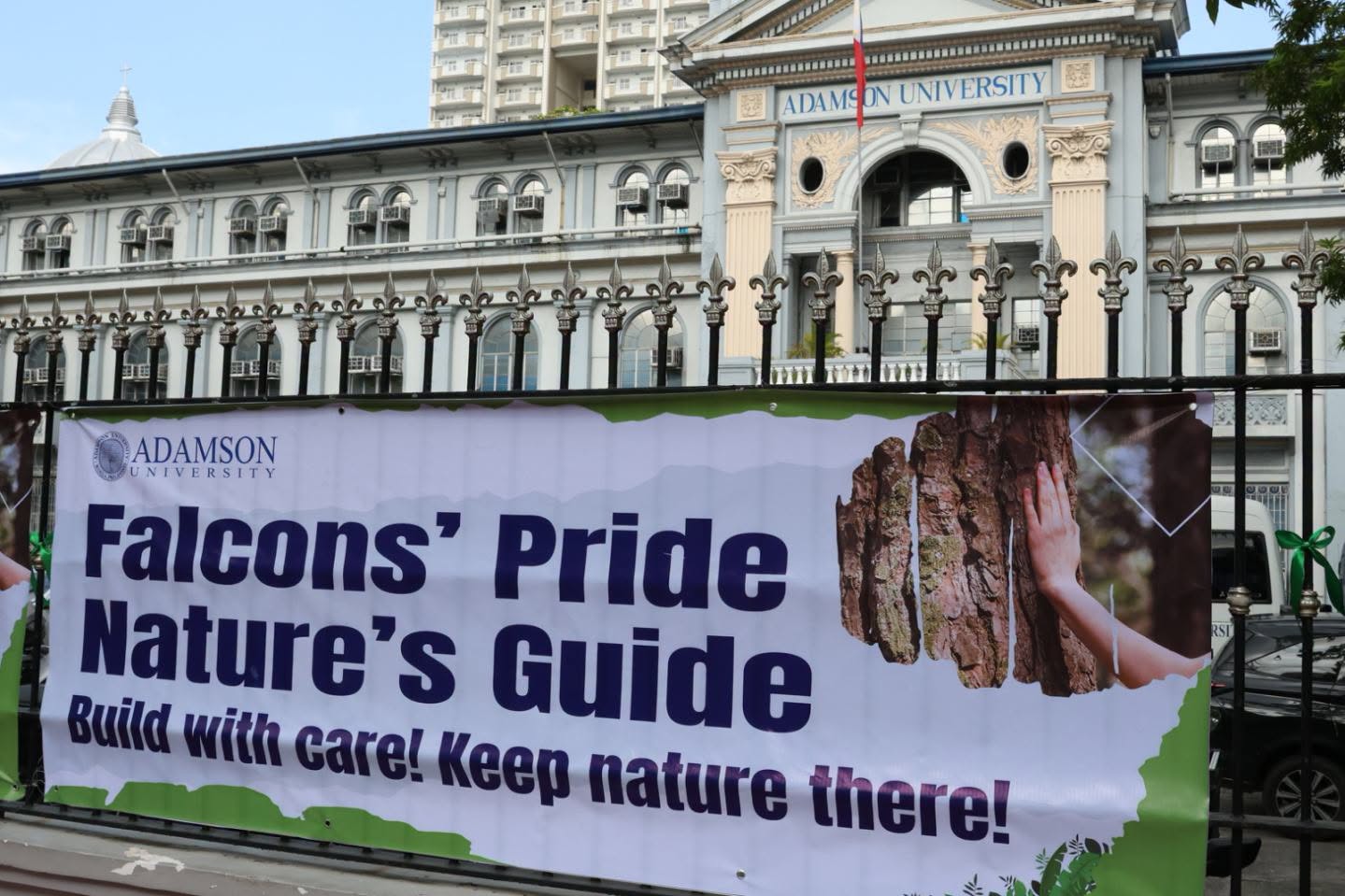
Critics warned that large-scale elevated road construction could alter the visual character of historic districts, affect surrounding communities, and place additional pressure on already vulnerable heritage resources. They called for a more comprehensive heritage impact assessment before any major construction proceeds.
Supporters of SALEX maintain that the project would improve mobility, reduce travel time, and stimulate economic activity in Metro Manila. They also pointed out that major infrastructure investments are necessary to address the region’s worsening traffic congestion.
The dispute over SALEX has become a broader debate about the balance between infrastructure development, environmental protection, and heritage preservation. As legal proceedings continue and government agencies conduct further reviews, the project remains one of the most closely watched urban infrastructure proposals in the country.
For now, the future of SALEX depends not only on engineering and financing, but also on how policymakers address mounting concerns from citizens seeking to protect Manila’s remaining green spaces and historic landmarks.