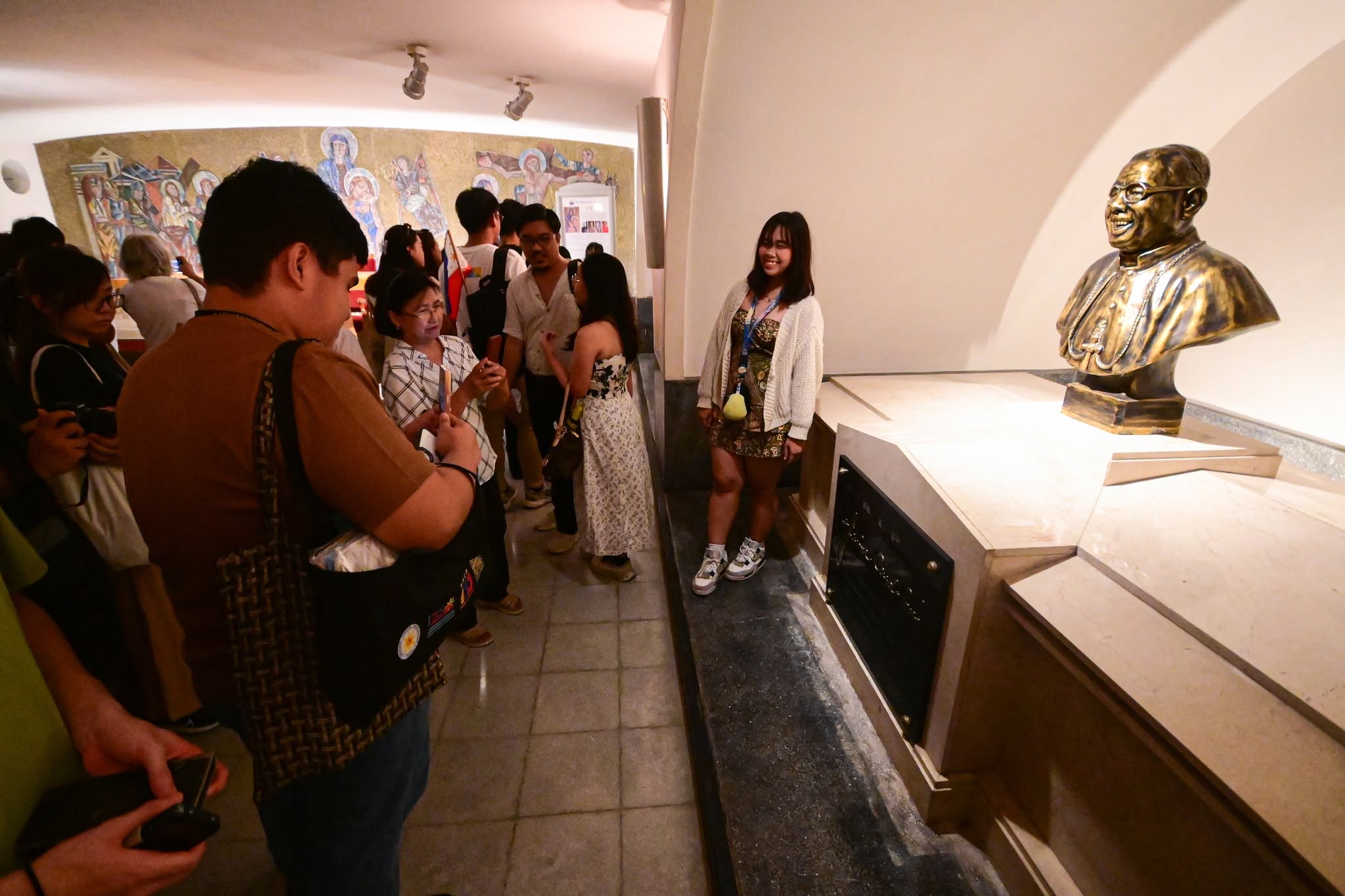

When people visit the Manila Cathedral in Intramuros, they often admire its majestic façade, stained-glass windows, and centuries of history. But hidden beneath the church’s main altar is a solemn place that remains unknown to many—the Manila Cathedral Crypt.
Unlike the cathedral’s main worship area, the crypt is not regularly open to the public. It is a restricted subterranean burial chamber that serves as the final resting place of some of the most influential leaders of the Catholic Church in the Philippines.
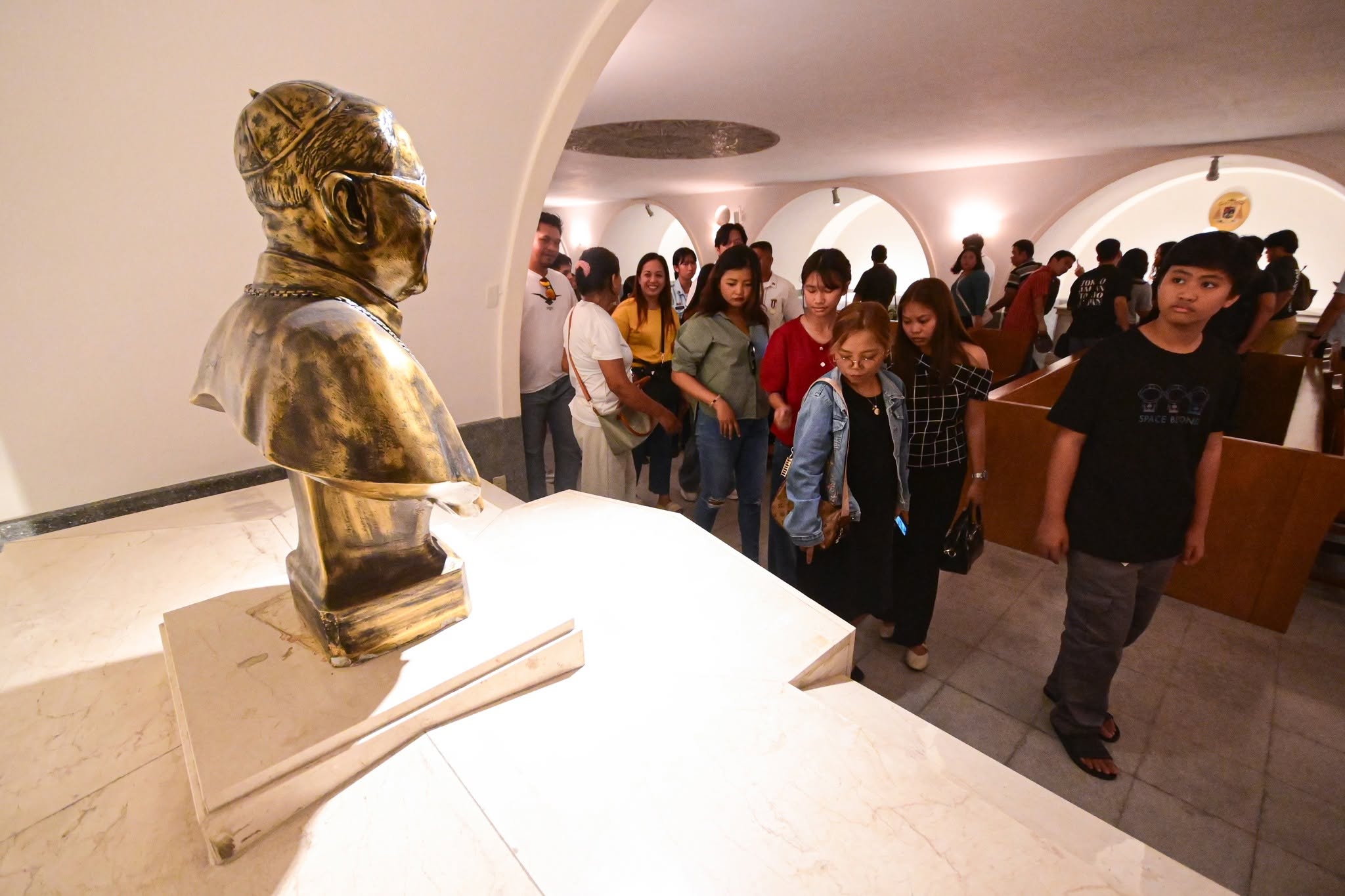
Resting within its sacred walls are four remarkable figures who helped shape the country’s religious and historical landscape.
Among them is Michael J. O’Doherty, the final foreign and only Irish Archbishop of Manila, who witnessed the destruction of the cathedral during World War II. Also interred there is Gabriel M. Reyes, the first Filipino to be appointed Archbishop of Manila, marking a historic milestone for the local Church.
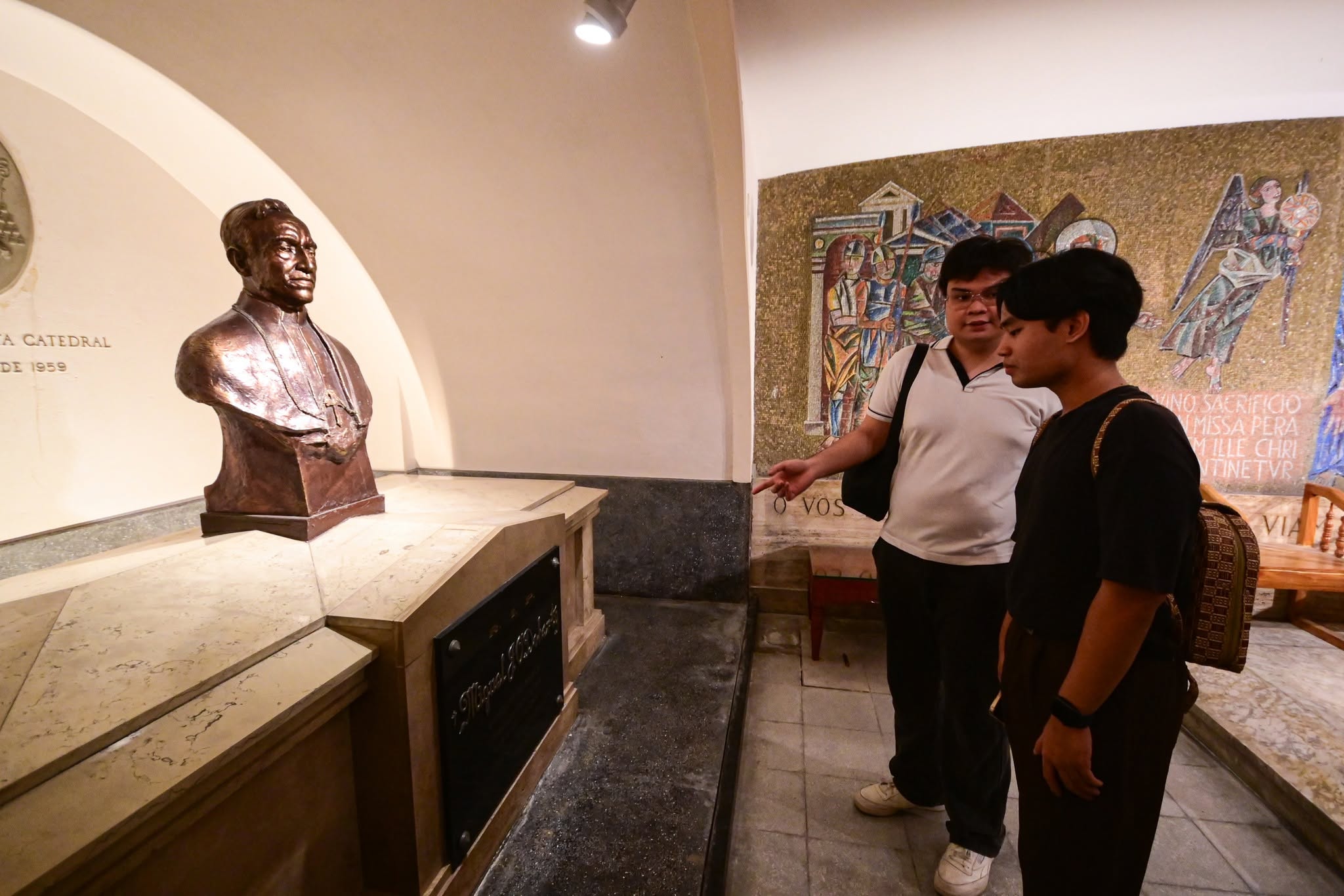
The crypt is also the resting place of Rufino J. Cardinal Santos, the first Filipino elevated to the rank of Cardinal and the visionary who oversaw the rebuilding of the present-day Manila Cathedral. Completing the list is Jaime L. Cardinal Sin, one of the most influential religious leaders in Philippine history, remembered for his pivotal role in the peaceful 1986 EDSA People Power Revolution.
For those hoping to see this hidden chamber, there is one special opportunity each year.
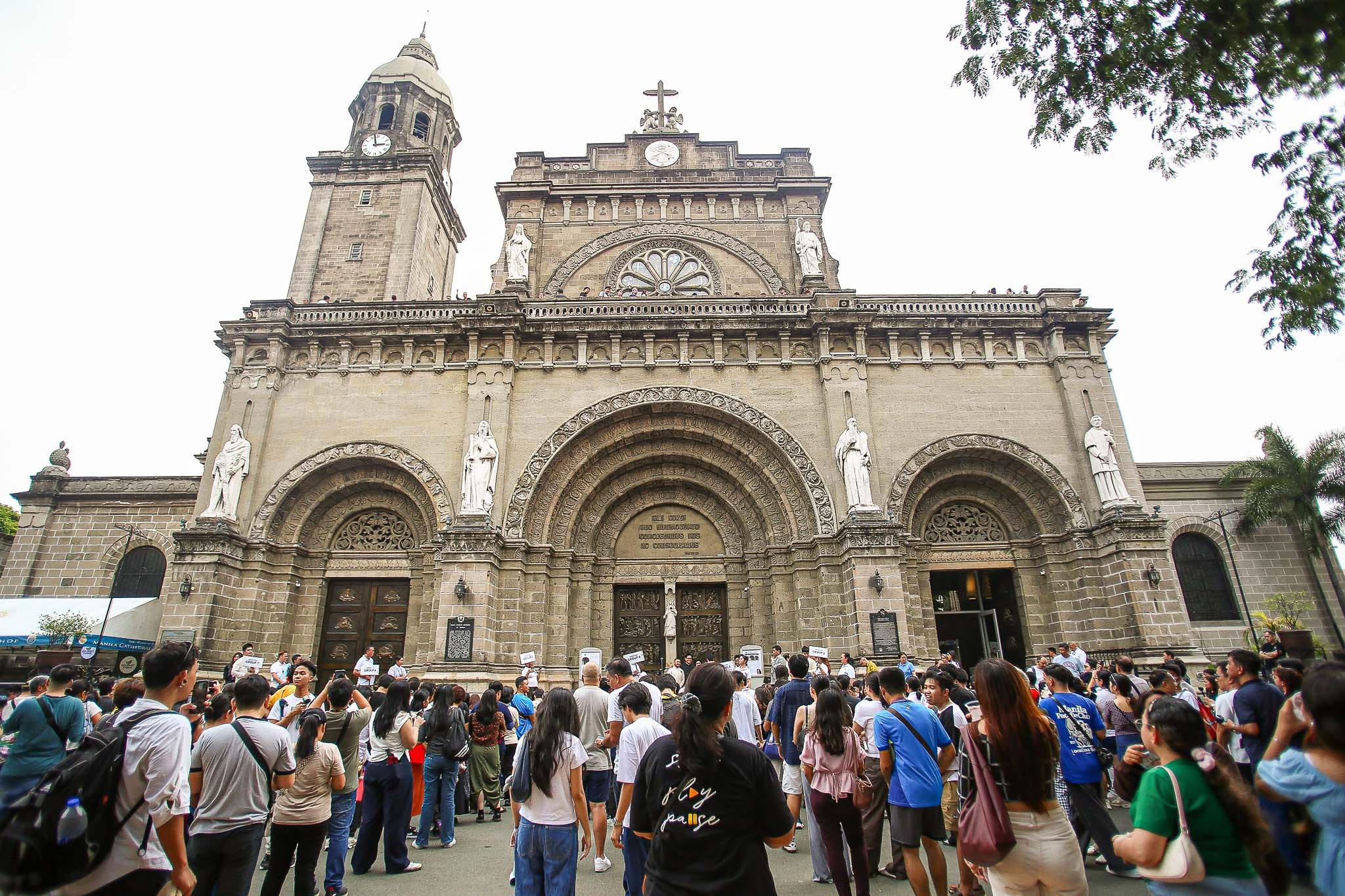
Every June 12, in celebration of Philippine Independence Day, the Manila Cathedral opens its doors for its annual Open House, giving visitors free access to areas that are normally off-limits. From 9:00 a.m. to 6:00 p.m., guests can explore the historic Crypt, climb to the Choir Loft, admire the panoramic views from the Roof Deck, join guided tours, and even enjoy mini pipe organ concerts.
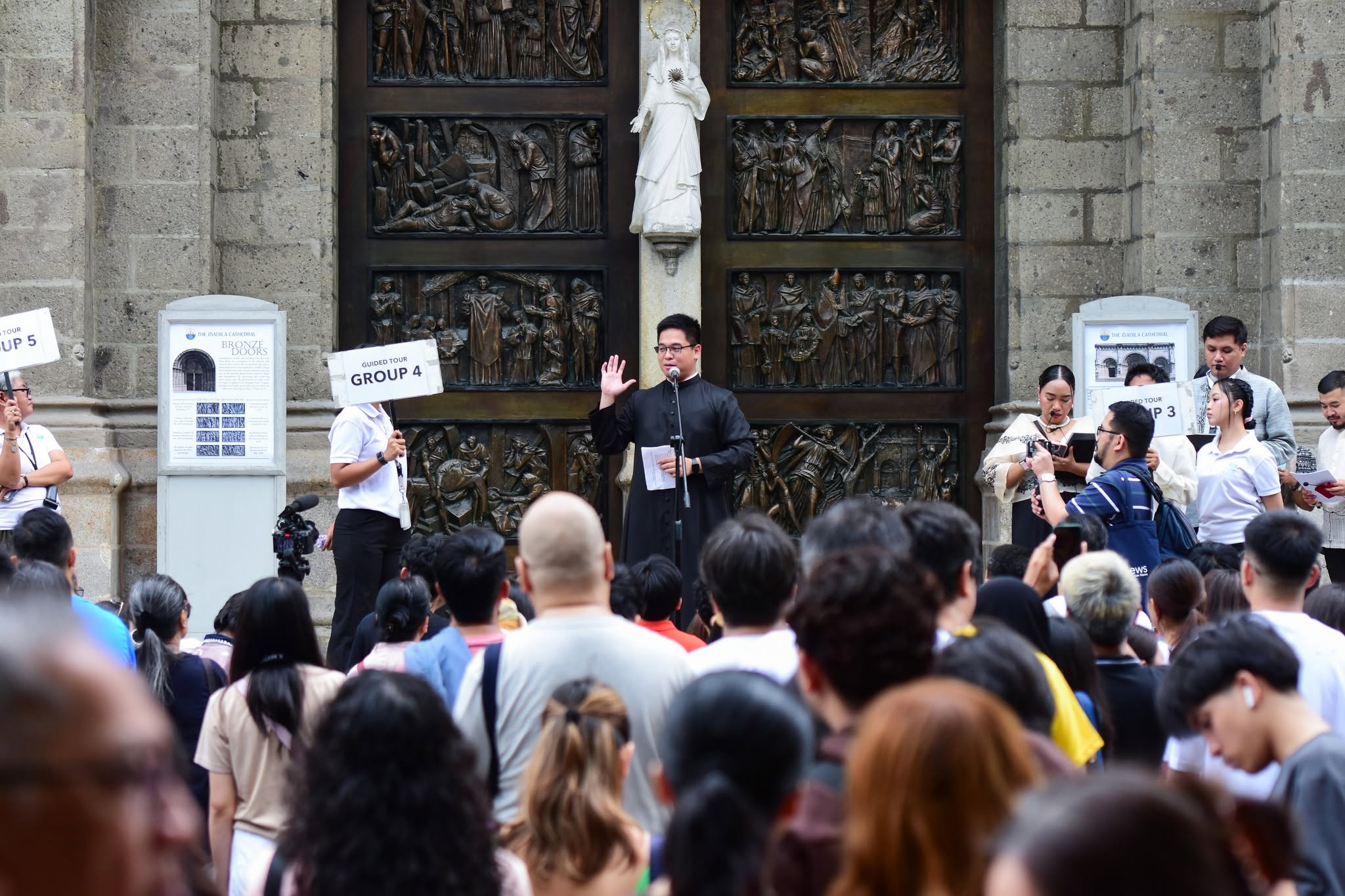
It’s more than just a tour—it’s an opportunity to experience a different side of one of the country’s most iconic churches and gain a deeper appreciation of the people who helped shape both Philippine faith and history.
The next time you find yourself in Intramuros, remember that beneath the grandeur of the Manila Cathedral lies a quiet sanctuary where history continues to rest in peace.