

MANILA, Philippines — There has never been a more exciting time to celebrate Original Pilipino Music (OPM). As 2026 draws to a close, Filipino artists are experiencing a remarkable resurgence, dominating local music charts, filling concert venues, and gaining recognition beyond Philippine shores. From the international milestones of P-pop groups to the success of independent singer-songwriters, homegrown talent is proving that Filipino music deserves a place on the global stage.
For years, Filipino listeners have embraced international music, from Western pop to the global phenomenon of K-pop. Today, however, a significant shift is taking place as more Filipinos rediscover the beauty of their own music, finding comfort in familiar languages, relatable stories, and melodies that reflect their personal experiences.
This growing appreciation for homegrown talent is reflected in the country’s streaming charts. For the week ending November 26, 2026, Filipino artists occupied the top five positions on Spotify Philippines, led by SHEAN’s “ako ang bagyo,” followed by Mariah Deborah’s “Na Para Bang,” Esremborak’s “Mahal Magmahal,” Jin DC’s “Totoong tayo,” and HELLMERRY’s “Summer Crush.” These achievements reflect a thriving local music scene where Filipino artists are increasingly becoming the soundtrack of everyday life. Philippines
Among the most remarkable stories of this OPM resurgence is the rise of independent Filipino singer-songwriter Mariah Deborah, whose hit single “Na Para Bang” has become one of the defining Filipino songs of 2026.
Released on February 13, 2026, and produced by Shadiel Chan, the song captures the vulnerability of falling in love with a friend, the uncertainty of unspoken feelings, and the fear of losing a meaningful connection. Its relatable storytelling, heartfelt delivery, and distinctly Filipino expression have resonated with listeners, particularly younger audiences who find themselves reflected in its message.
Interestingly, the song’s success did not happen overnight. Months after its initial release, “Na Para Bang” gained widespread attention on social media, where listeners began sharing their own experiences of love and longing through the song. What started as a personal expression of emotion eventually became an anthem for a generation.
The song debuted on the Billboard Philippines Hot 100 at No. 56 on September 26 before climbing to the top of both the Philippines Hot 100 and Top Philippine Songs charts, where it remained for six consecutive weeks.
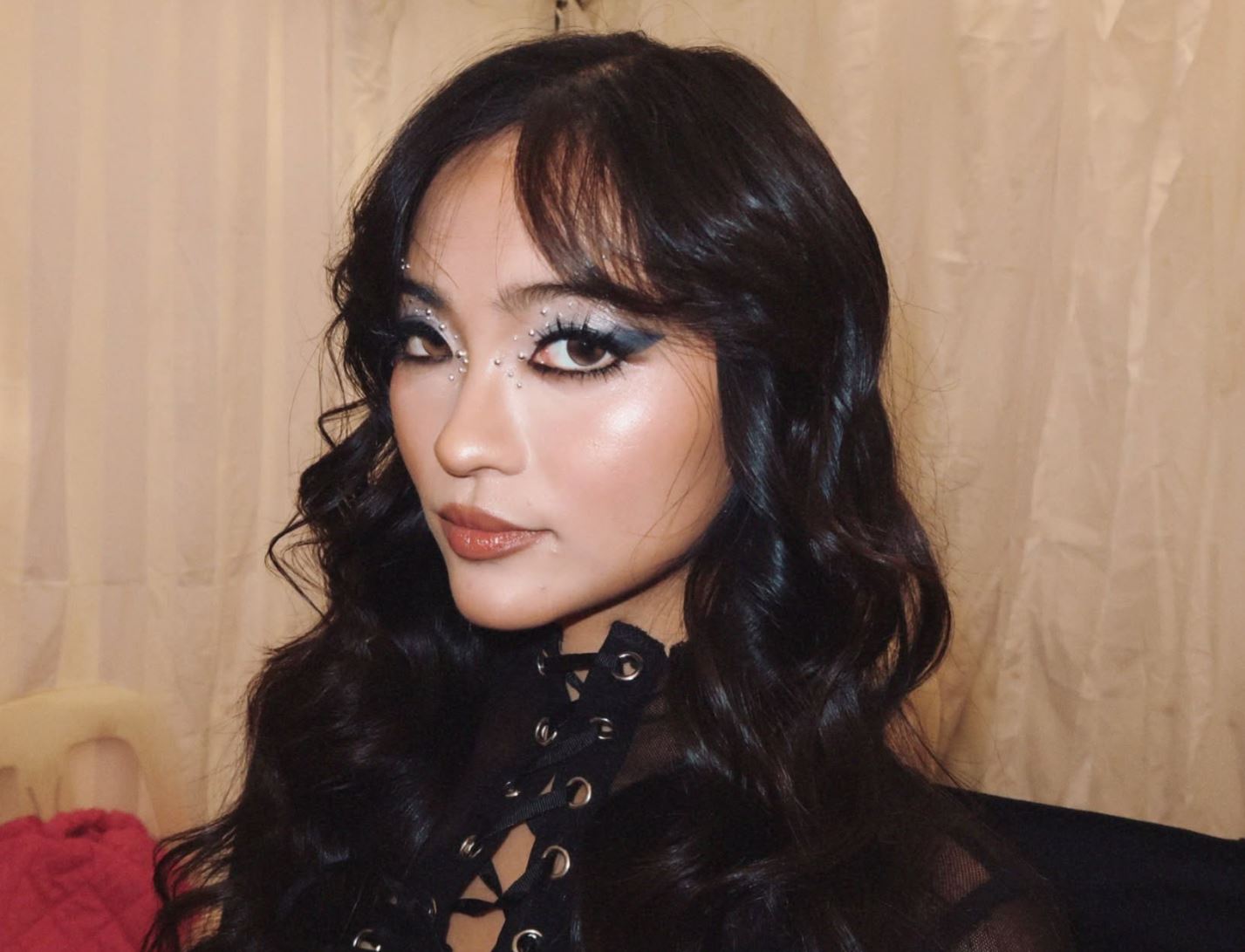
On October 24, Mariah Deborah made history when “Na Para Bang” became the first OPM song by a female artist to enter the Billboard Global Excl. U.S. chart, debuting at No. 106. The song also reached No. 65 on Spotify’s Global chart and No. 2 in the United Arab Emirates, further demonstrating Filipino music’s potential to reach international audiences. Billboard PH+2
As of November 26, the song continues to enjoy remarkable popularity, generating approximately 6.6 million streams in the Philippines in a single week and maintaining its position among the country’s most-streamed tracks. Chartex
Beyond its commercial success, “Na Para Bang” also contributes to meaningful representation in Filipino entertainment. Its official music video, directed by acclaimed Filipina filmmaker Samantha Lee, explores romantic longing between women, providing greater visibility to diverse love stories in mainstream music.
Mariah Deborah’s breakthrough, however, is only one chapter in a much bigger story unfolding across the Philippine music industry.
P-pop powerhouses BINI and SB19 continue to introduce Filipino artistry to international audiences, while bands such as Cup of Joe, Ben&Ben, Lola Amour, IV of SPADES, and December Avenue have strengthened the presence of contemporary Filipino music through their distinctive sounds and emotionally driven songwriting.
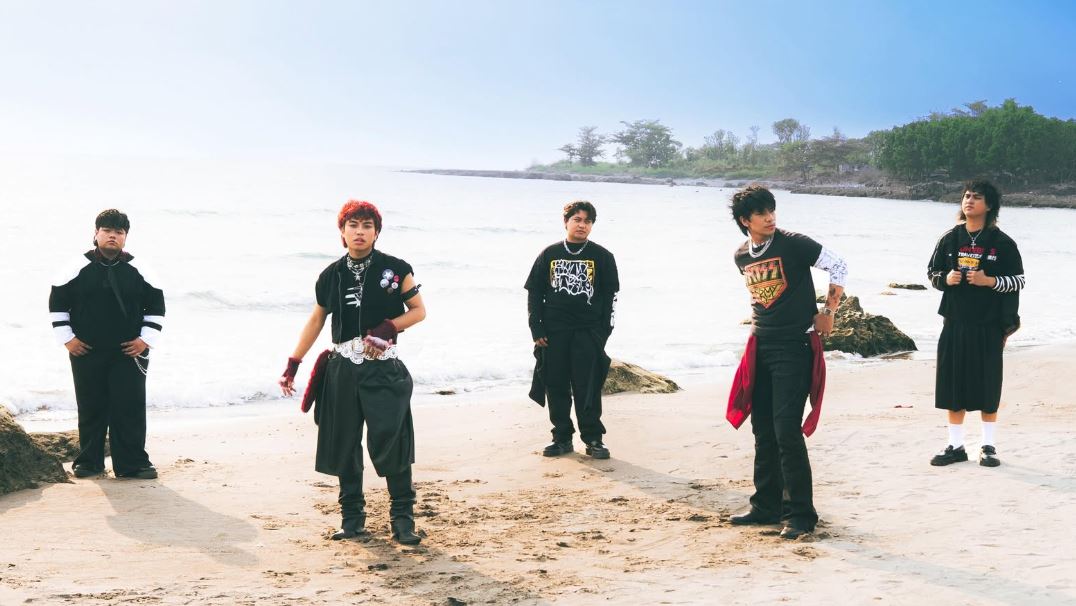
Cup of Joe’s “Multo,” juan karlos’ “ERE,” and Earl Agustin’s “Tibok” have also earned international Billboard chart recognition, paving the way for more Filipino-language songs to reach global listeners. Meanwhile, artists such as Arthur Nery, Rob Deniel, ALAMAT, Hev Abi, Flow G, fitterkarma, and dwta continue to showcase the diversity of OPM, bringing their own interpretations of pop, R&B, hip-hop, alternative rock, and regional music to a growing audience.
What makes this generation of Filipino musicians particularly exciting is their willingness to embrace their individuality. Rather than simply following international trends, many artists are experimenting with different musical styles while remaining deeply rooted in Filipino culture, language, and storytelling.
Digital platforms have also played a significant role in transforming the local music industry. While previous generations of musicians relied heavily on radio, television, and major record labels to reach audiences, today’s independent artists can introduce their music directly to listeners through Spotify, YouTube, TikTok, and other social media platforms.
A simple acoustic performance, a heartfelt composition, or a relatable lyric can become the beginning of a nationwide musical phenomenon. Filipino listeners, through streaming, concert attendance, and social media engagement, have also become active participants in discovering and promoting local talent.
Perhaps the most beautiful aspect of this OPM resurgence is the renewed appreciation for Filipino identity. There is something uniquely comforting about hearing songs expressed in one’s own language, capturing emotions that words such as kilig, hugot, pag-ibig, and pangungulila convey so naturally.
Even the title “Na Para Bang,” a familiar expression in everyday Filipino conversations, has become part of an internationally recognized musical phenomenon. It is a powerful reminder that Filipino artists do not have to abandon their cultural identity to connect with the world.
However, sustaining this momentum requires more than celebrating chart-topping hits and viral sensations. The industry must continue to provide opportunities for emerging musicians, ensure fair compensation, protect intellectual property, and recognize the contributions of songwriters, producers, composers, and instrumentalists who work behind every successful release.
Supporting OPM means more than listening to what is currently popular. It means discovering independent artists, attending local concerts, appreciating regional music, and creating an environment where Filipino musicians can build sustainable careers.
The current resurgence of OPM is not simply about breaking records or achieving international recognition. It is about Filipinos rediscovering the extraordinary talent that has always existed within the country.
From the powerful performances of P-pop groups to the heartfelt compositions of independent singer-songwriters, Filipino artists are proving that their music can stand alongside the world’s biggest names without losing what makes it uniquely their own.
And as Mariah Deborah’s “Na Para Bang” continues to capture hearts, it serves as a reminder that sometimes, the most extraordinary music begins with the simplest emotions, told in the language closest to home.
OPM has always had a voice. Today, more Filipinos are listening, and the world is beginning to listen, too.