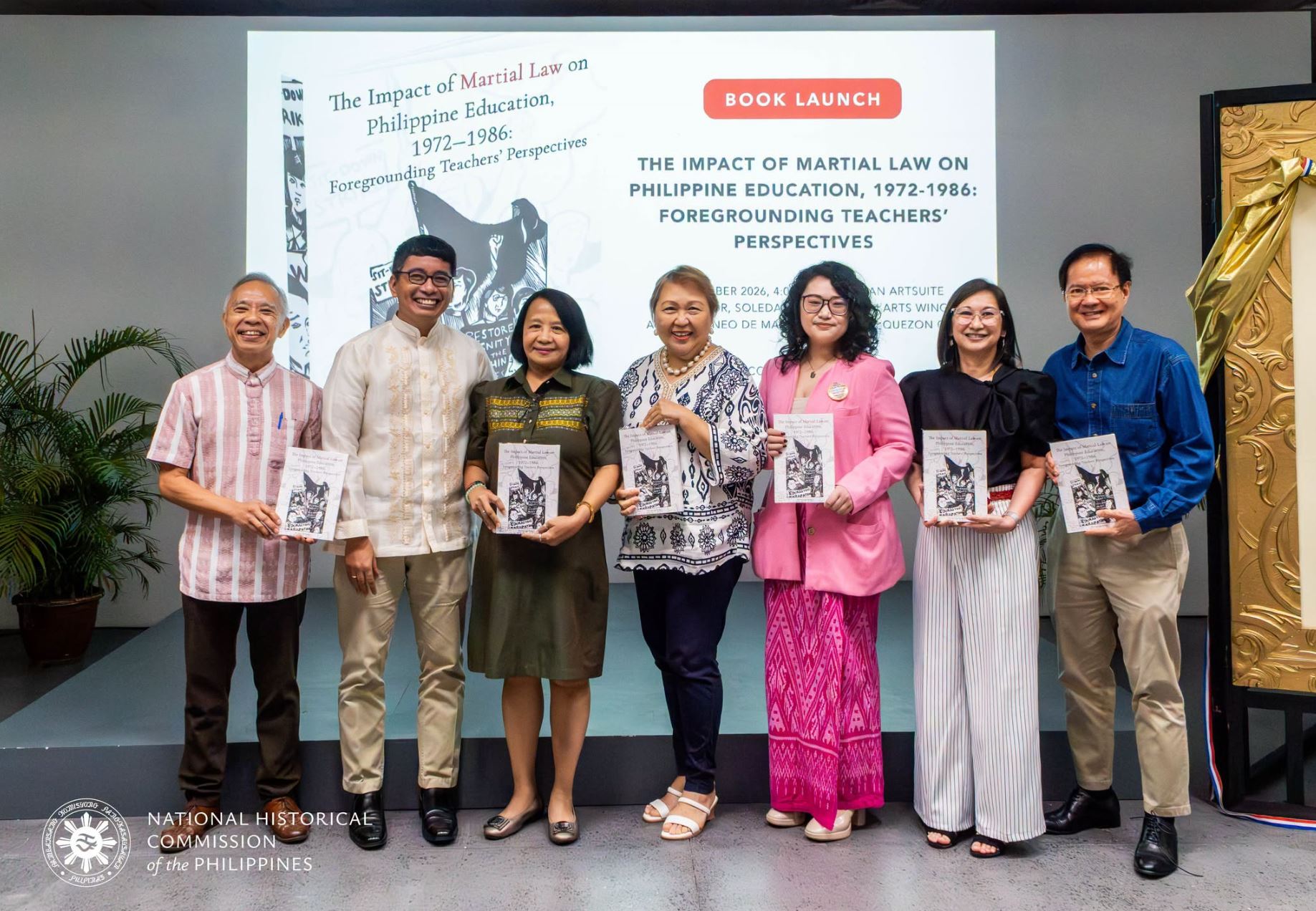

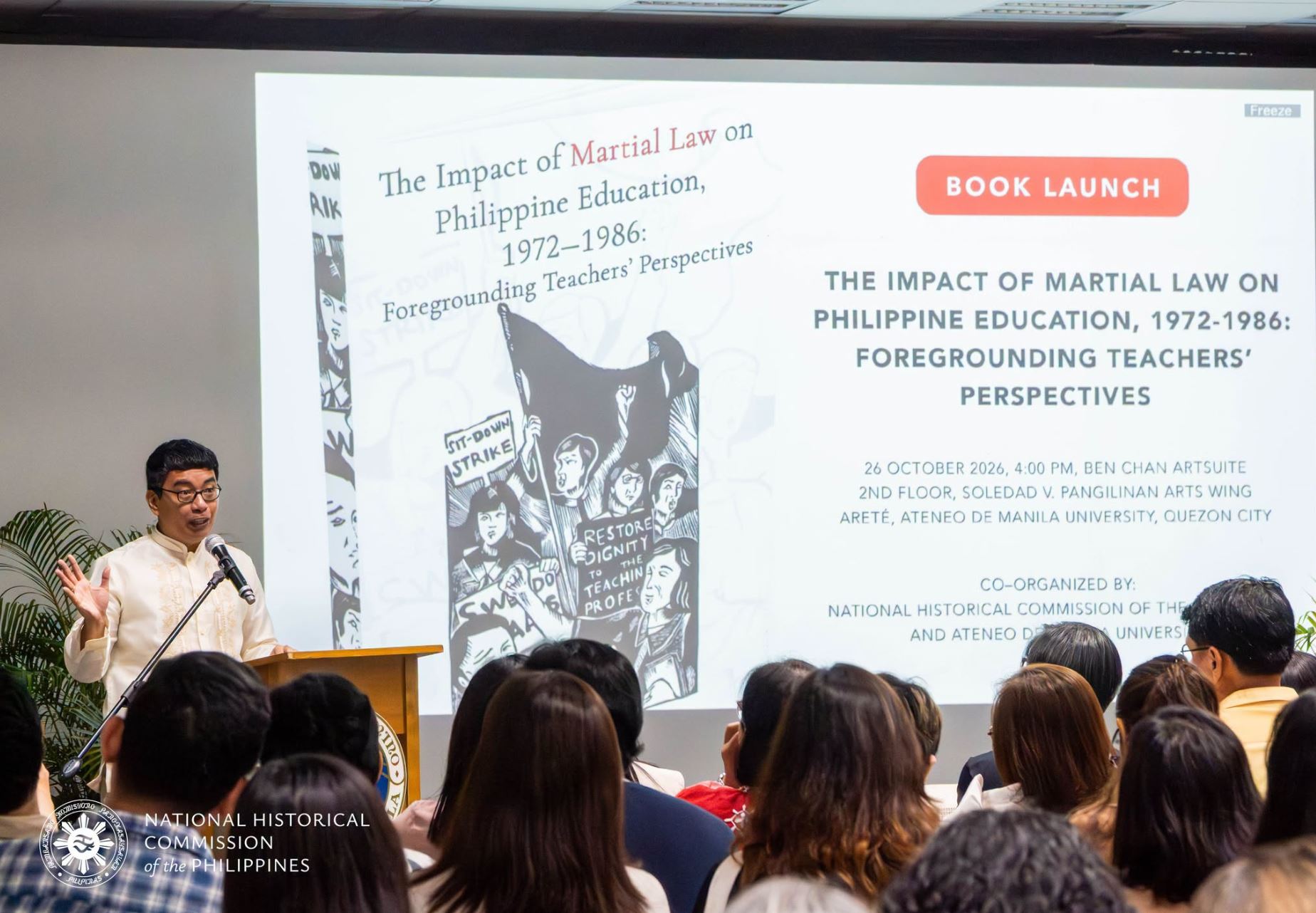
QUEZON CITY — The National Historical Commission of the Philippines (NHCP) officially launched its newest publication, The Impact of Martial Law on Philippine Education, 1972–1986: Foregrounding Teachers’ Perspectives, authored by Dr. Michael D. Pante. The launch event took place on October 26, 2026, at the Ben Chan ArtSuite in Areté, Ateneo de Manila University (ADMU).
Shifting the Lens to Educators
The newly launched book explores how government policies profoundly altered educational institutions, classroom instruction, academic research, and the civic development of students under the administration’s “New Society” framework. Moving beyond high-level political milestones typically highlighted in history books, Dr. Pante’s work centers on how educators navigated turbulent political and institutional changes.
Organized around three pivotal roles—classroom instructors, knowledge producers, and citizen formators—the study highlights how teachers asserted their professional rights and welfare while actively participating in broader societal and educational struggles. Through rigorous archival research and historical analysis, the volume sheds light on a vital yet historically underrepresented aspect of the Martial Law era.
Launch Event Highlights
The event featured opening messages from representatives of both the NHCP and ADMU, followed by critical insights and book reviews delivered by Dr. Caroline Hau and Former ACT Teachers Partylist Representative France Castro. Dr. Pante, an Associate Professor from the ADMU Department of History, also delivered a special book talk discussing the core themes of his research.
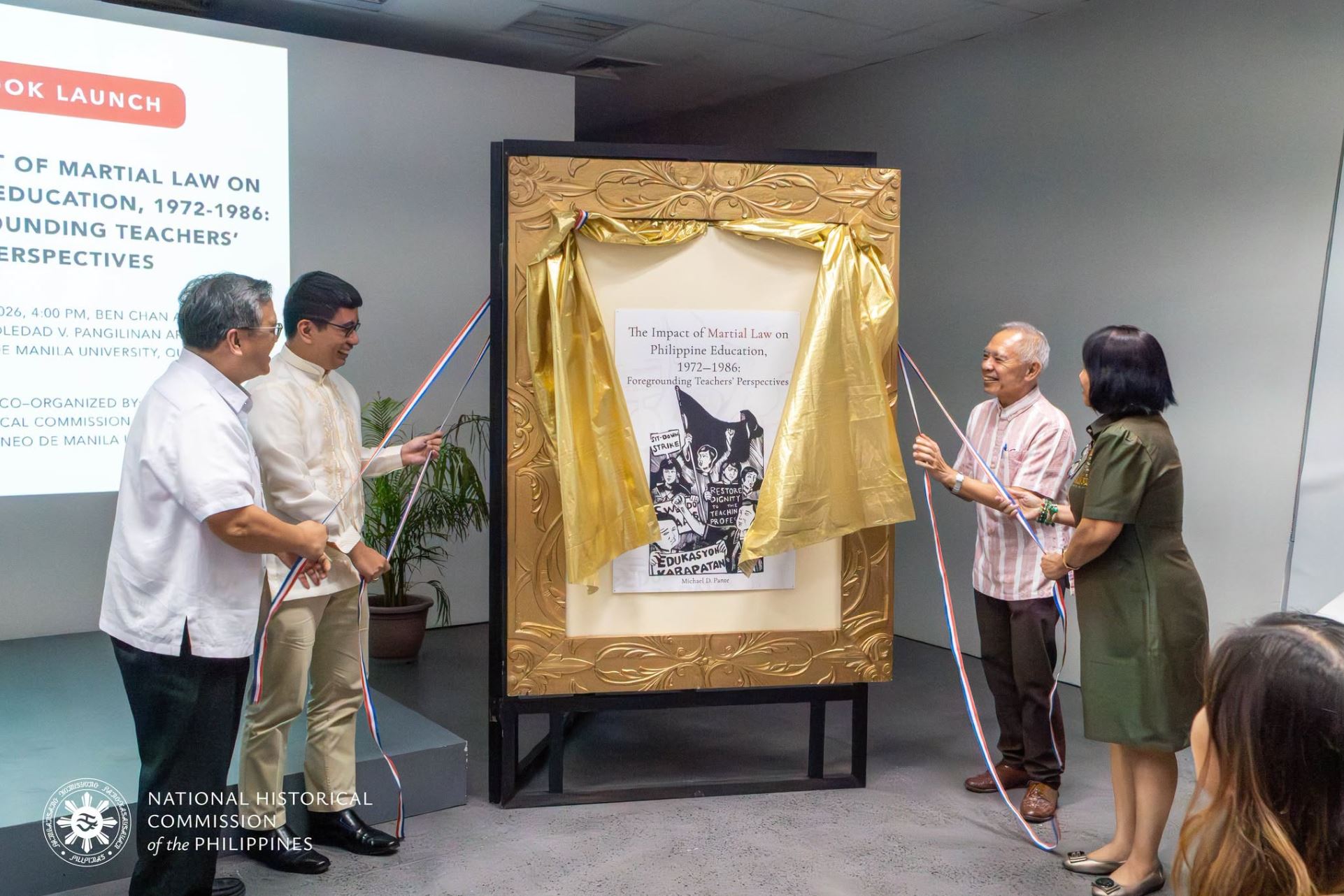
Prominent figures in attendance included Kabataan Partylist Representative Renee Co, alongside former NHCP Chairs Dr. Ma. Serena I. Diokno and Ambeth Ocampo. Faculty members and students from ADMU also joined the gathering, where complimentary copies of the book were presented to special guests and institutional repositories, including the ADMU Rizal Library.
The successful launch was made possible through a collaborative partnership with the Ateneo Martial Law Museum and Library (AMLML) and the ADMU Department of History.
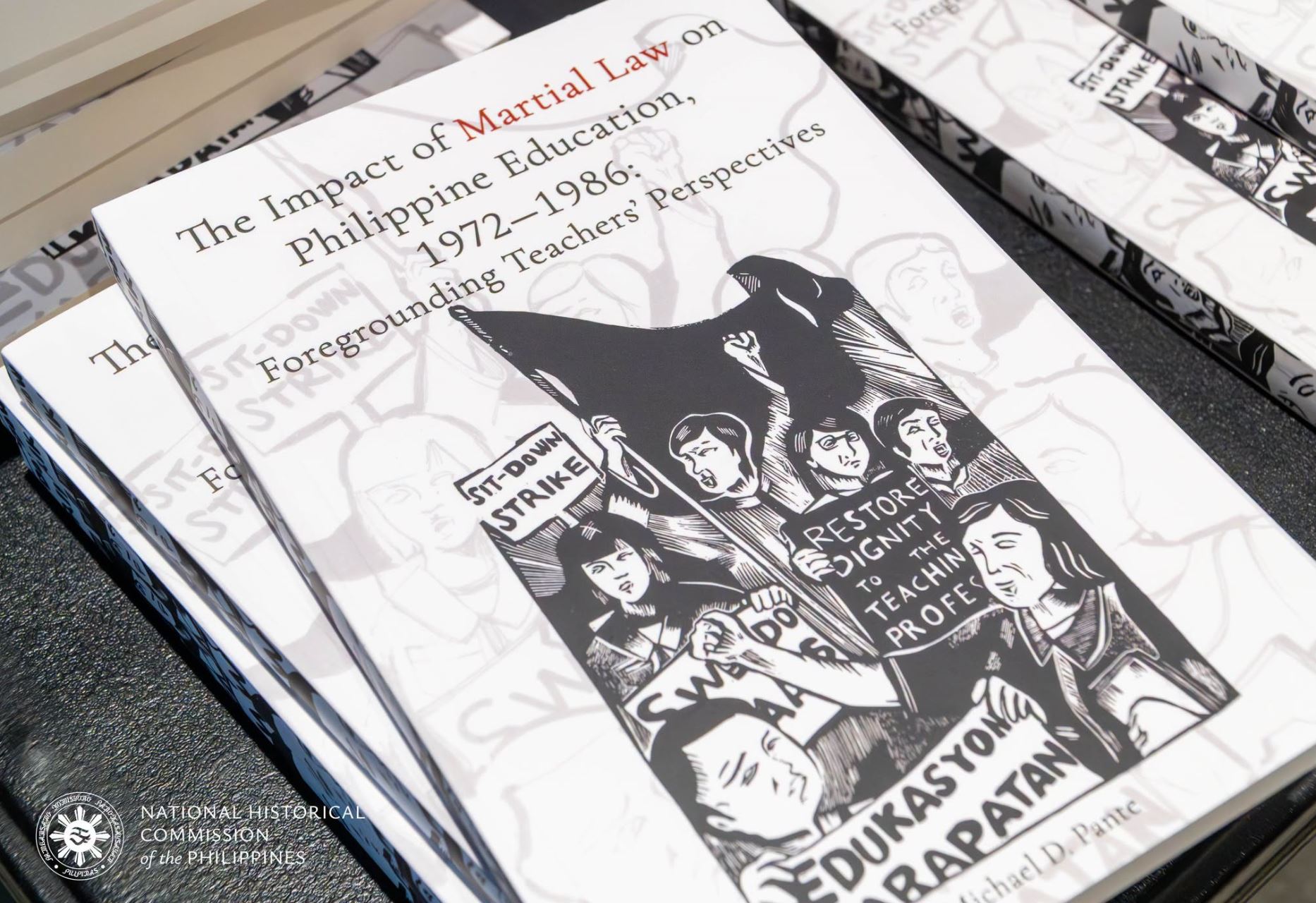
Published by the NHCP—the national government agency mandated to preserve and promote Philippine history and heritage through research, publications, museums, and historical preservation—the book is now available for scholars, educators, and history enthusiasts seeking a deeper understanding of the Philippine education landscape during a critical period in the nation’s history.