
Manila, Philippines — Diplomatic tensions between the Philippines and China have intensified following controversial remarks by Chinese Ambassador Jing Quan, prompting the Department of Foreign Affairs (DFA) to summon the envoy and raising calls among Philippine lawmakers for stronger measures to defend the country’s sovereignty and national dignity.
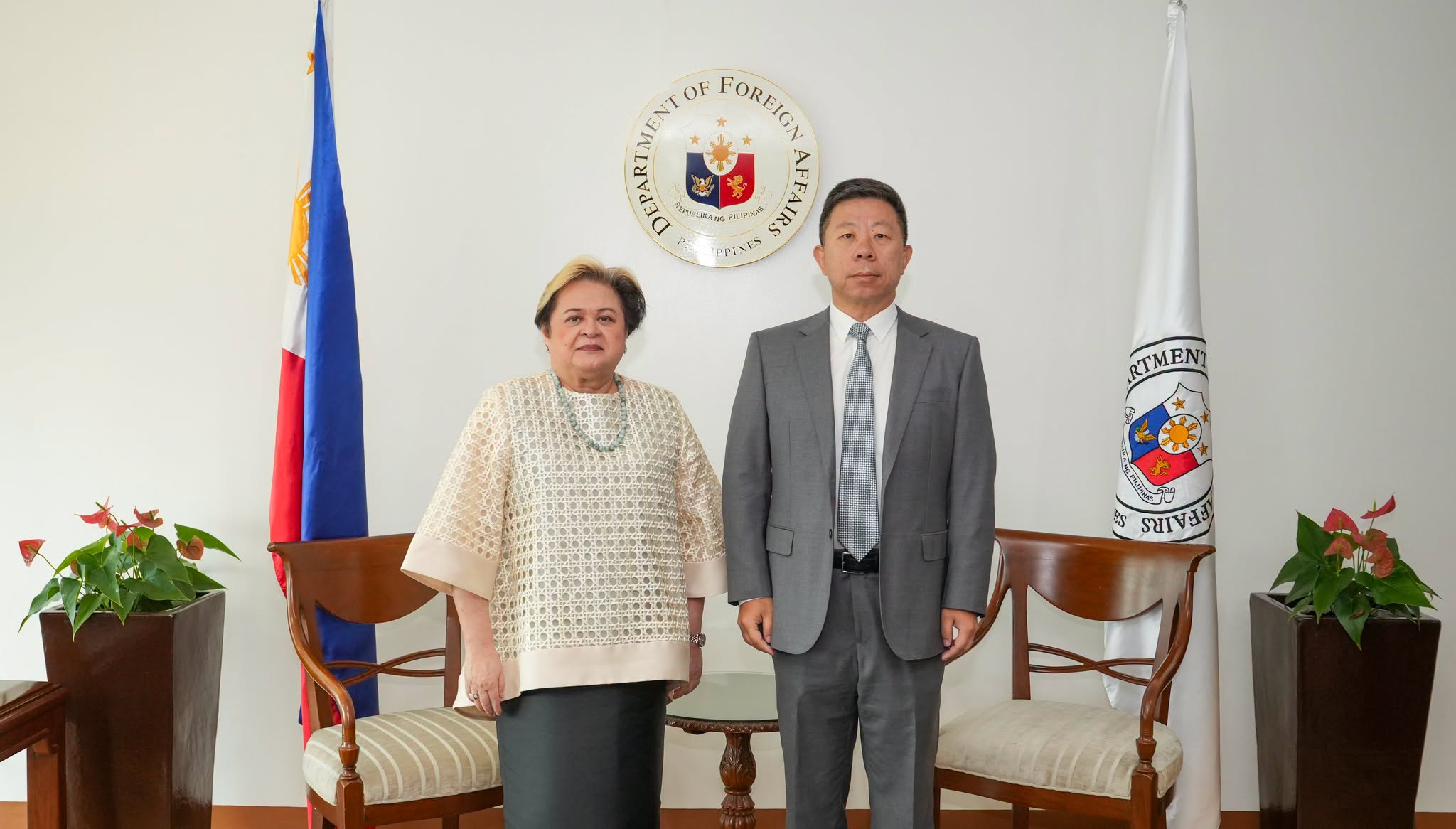
Foreign Affairs Secretary Ma. Theresa Lazaro summoned Jing on October 19, 2026, to formally convey the Philippine government’s serious concern and strong objections over statements suggesting that China could easily prevail in a potential military confrontation with the Philippines.
The remarks, made amid continuing disagreements over the West Philippine Sea, drew criticism for their perceived threatening nature and their potential to undermine diplomatic relations between the two countries.

During a forum in Quezon City, Jing also criticized Defense Secretary Gilberto Teodoro Jr. for describing China as a regional troublemaker, dismissing the characterization as nonsense.
The DFA described the ambassador’s language as provocative and unacceptable, stressing that such statements risk aggravating an already sensitive situation and weakening efforts to promote mutual understanding.
Chinese Ambassador Denies Issuing Threats
Despite the controversy, Jing denied threatening the Philippines, maintaining that his remarks should not be interpreted as an intention to provoke military confrontation.
Nevertheless, the incident has renewed concerns over the tone of diplomatic exchanges between Manila and Beijing, particularly as both governments continue to navigate territorial disputes and maritime confrontations.
Diplomacy requires mutual respect, restraint, and professionalism. While countries may disagree on matters of sovereignty, security, and international policy, their representatives carry the responsibility of ensuring that disagreements do not escalate into unnecessary hostility.
For the Philippines, the controversy goes beyond a disagreement between diplomats. It raises broader questions about how the country should respond when statements from a more powerful nation are perceived as attempts to intimidate or undermine its sovereign rights.
Senate Considers Censure of Chinese Envoy
The controversy has also reached the Philippine Senate, where lawmakers are considering a resolution censuring the Chinese ambassador over his remarks.
Such a measure would serve as an expression of legislative disapproval and reinforce the importance of respecting the Philippines as an independent and sovereign nation.

The discussion reflects growing concern among policymakers about China’s conduct toward the Philippines, particularly in the West Philippine Sea, where Filipino fishermen and maritime personnel have repeatedly faced confrontations with Chinese vessels.
While diplomatic dialogue remains essential, the protection of national sovereignty and the welfare of Filipino citizens must remain central to the government’s foreign policy.
Diplomacy Must Never Become Intimidation
The Philippines and China share longstanding diplomatic and economic relations. Maintaining peaceful cooperation remains important to both countries and the broader Southeast Asian region.
However, genuine diplomacy cannot flourish when disagreements are accompanied by language that may be perceived as threatening, particularly when directed toward a smaller nation defending its internationally recognized maritime entitlements.

Diplomatic representatives must remember that their role is to build bridges between nations, not deepen divisions through provocative statements.
Likewise, when a country raises concerns about actions affecting its citizens or territorial rights, those concerns deserve serious engagement rather than dismissal.
The Philippines has every right to question actions that threaten the safety and livelihood of its people. Raising objections to intimidation should not itself become grounds for further intimidation.
Standing With Filipino Fishermen
Beyond the political exchanges in Manila and Beijing are ordinary Filipinos whose lives are directly affected by tensions in the West Philippine Sea.
Filipino fishermen, many of whom depend on these waters for their daily livelihood, have repeatedly reported harassment, interference, and dangerous encounters involving Chinese maritime vessels.
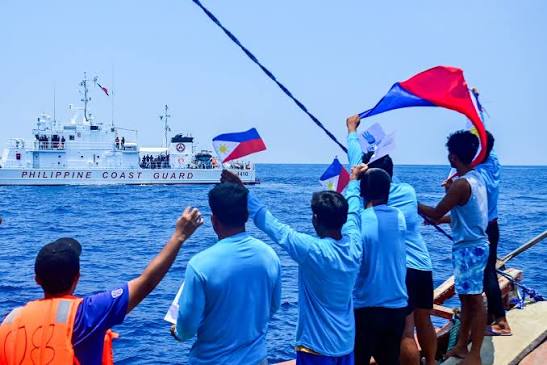
For these communities, the dispute is not merely about diplomatic statements, international law, or competing territorial claims. It is about their ability to return home safely, provide for their families, and continue fishing in waters where generations of Filipinos have earned their living.
Their experiences must never be reduced to political talking points.
The Philippines’ history has been shaped by generations who resisted foreign domination and fought for independence. That history should remind today’s leaders that national sovereignty is not simply a principle to invoke during speeches but a responsibility to uphold through meaningful action.
Public Officials Must Remember Their Oath
The controversy also raises an important question for Philippine lawmakers and public officials: Where should their loyalty stand when the country’s sovereignty and the welfare of its citizens are at stake?
Government leaders, particularly those entrusted with high public office, have a responsibility to uphold the Constitution, protect the national interest, and serve the Filipino people.
Political differences and foreign policy disagreements are part of democracy. However, defending or excusing conduct perceived as intimidation from a foreign government deserves careful public scrutiny, especially when Filipino citizens are directly affected.
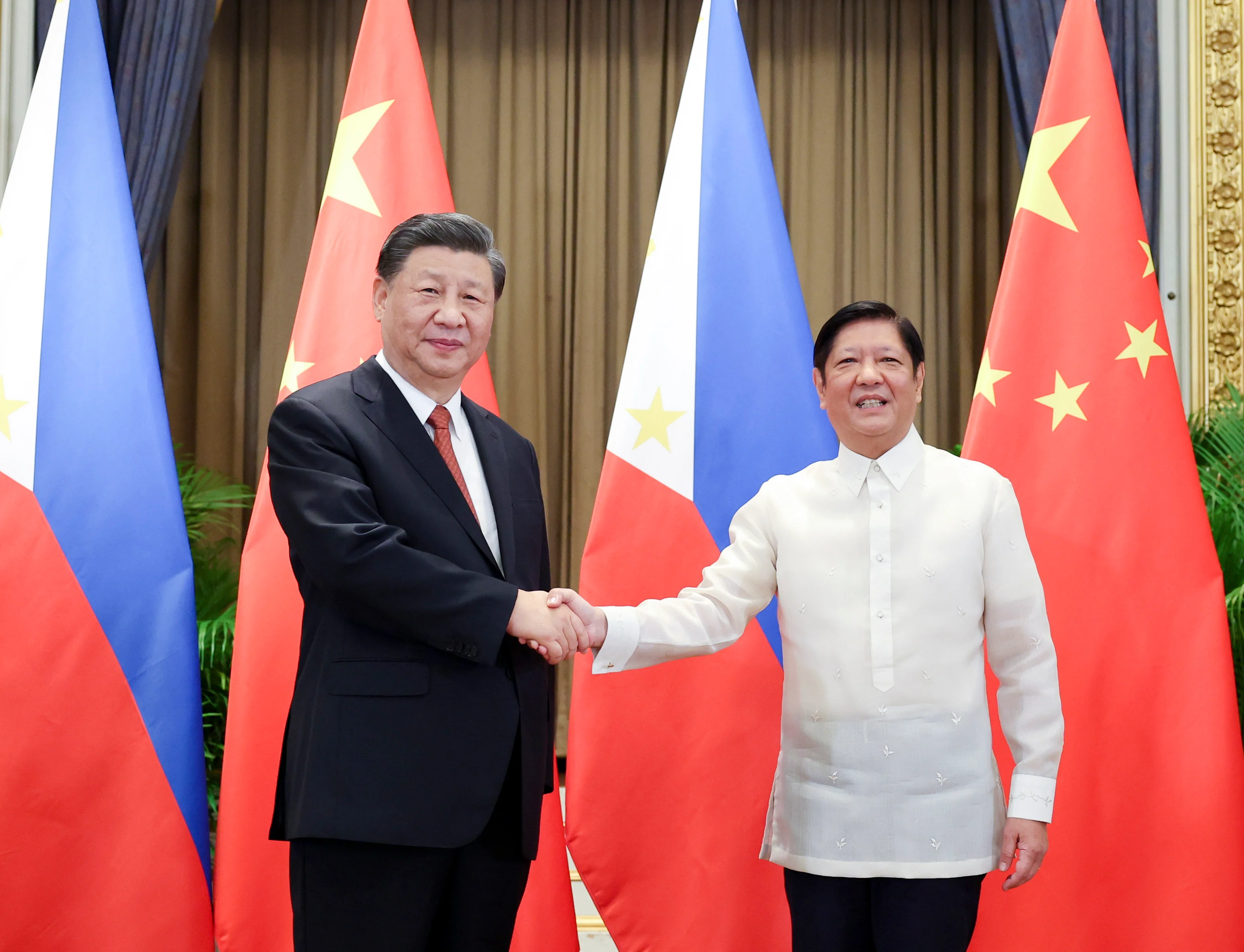
No political alliance, personal relationship, or diplomatic convenience should take precedence over the responsibility to protect the country’s sovereignty and its people.
Supporting peaceful relations with China does not require silence over actions that threaten Filipino fishermen or undermine Philippine maritime rights.
Patriotism should not be measured by political affiliation, but by a consistent commitment to the country’s independence, dignity, and welfare.
A Call for Peace, Respect, and National Unity
Both the Philippines and China must remember that diplomacy exists to prevent conflict, not to encourage it.
The way forward must be guided by mutual respect, professionalism, peaceful dialogue, and adherence to international law, including the 1982 United Nations Convention on the Law of the Sea and the 2016 arbitral ruling concerning the South China Sea.
The Philippines does not need to seek confrontation to demonstrate its commitment to sovereignty. It can firmly defend its rights while continuing to pursue peaceful and constructive relations with its neighbors.
At the same time, peace should never be mistaken for submission, and restraint should never be interpreted as weakness.
The country has endured centuries of colonization, invasion, and struggle. Its hard-earned independence carries a responsibility shared by every generation of Filipinos.
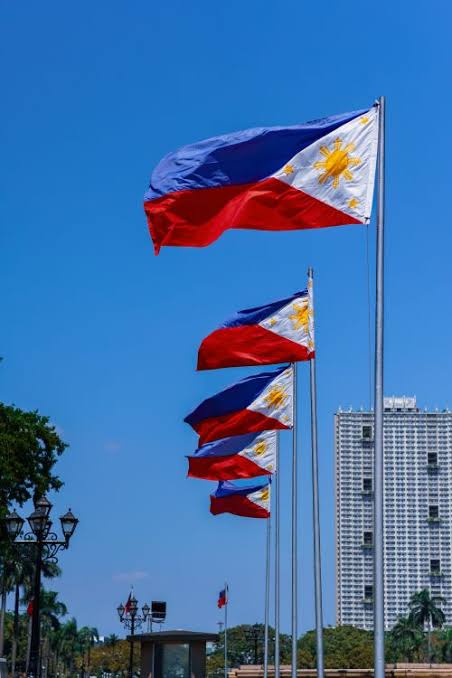
As tensions continue, may Filipinos remember the sacrifices of those who came before them, stand with their fellow citizens—especially the fishermen who continue to face uncertainty at sea—and hold their leaders accountable for defending the nation they have sworn to serve.
Above all, may the country remain committed to peace without surrendering its dignity.
And perhaps, in moments when the meaning of patriotism is questioned, Filipinos need only remember the final lines of their national anthem, Lupang Hinirang:
“Aming ligaya na ‘pag may mang-aapi, ang mamatay nang dahil sa ‘yo.”
These words are not a call to seek war. They are a reminder of the courage, sacrifice, and love of country upon which Philippine independence was built.
For a nation that has fought so long for its freedom, defending its sovereignty should never be a matter of political convenience. It is a duty owed to every Filipino, both today and in the generations to come.